

 Search for...
 English
 Español
 中文简体
中文简体How to make impact sprinkler go 360?
Content
The Fast Way to Achieve 360-Degree Rotation
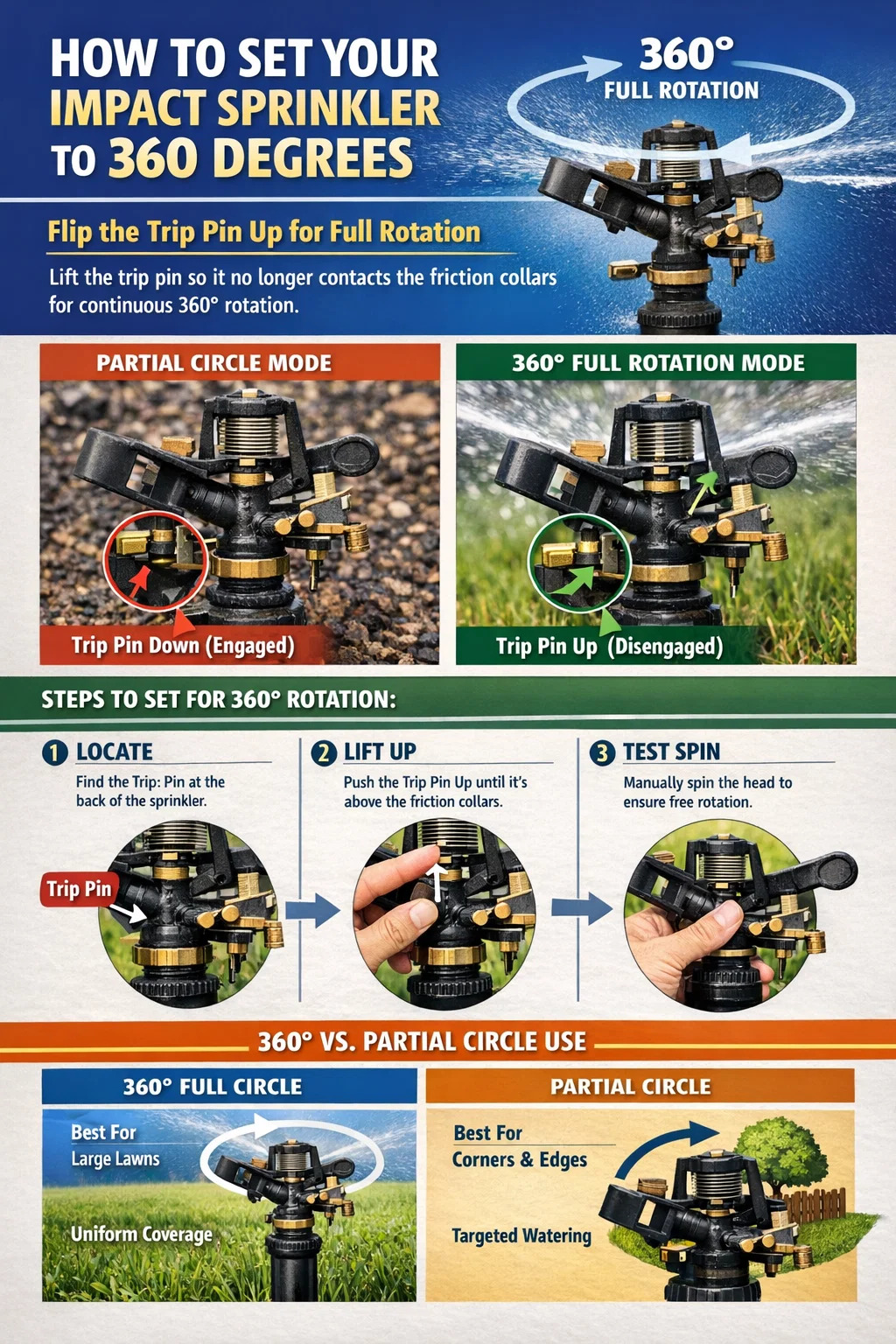
To make an impact sprinkler go 360 degrees, you simply need to flip the metal trip pin (or trip lever) to the UP position so it no longer contacts the friction collars. When the trip pin is disengaged, the sprinkler head will continue to rotate in a full circle without hitting the limit switches that trigger the reverse mechanism. This allows for continuous, uniform circular coverage across your entire lawn or garden area.
Understanding the Mechanics of an Impact Sprinkler
Before diving into adjustments, it helps to know how an impact sprinkler actually functions. These devices rely on the force of water to drive a weighted arm that strikes the sprinkler body, causing it to rotate incrementally. For partial-circle operation, the unit uses two "friction collars" and a "trip pin."
The Role of the Trip Pin
The trip pin is the small wire or metal flap located near the base of the sprinkler head. When this pin is down, it hits the friction collars. Upon contact, the internal gears shift, and the sprinkler reverses direction. To go 360, this pin must be lifted so it passes over the collars entirely.
Friction Collars Explained
These are the two adjustable metal rings that wrap around the base of the sprinkler. In partial-circle mode, you slide these to set the boundaries (e.g., a 90-degree corner). In full 360 rotation mode, these collars become irrelevant as long as the trip pin is out of the way.
Step-by-Step Instructions for Full Rotation
Follow these specific steps to ensure your impact sprinkler is set correctly for a complete circle:
- Locate the wire trip pin at the back of the sprinkler head assembly.
- Push the pin upward until it clicks or rests in a position where it is higher than the two metal friction rings.
- Manually spin the head with your hand to verify that no part of the assembly catches on the rings.
- If the sprinkler head still hits a stop, check if the rings are squeezed too close together; spread the friction collars apart to give the assembly more room if necessary.
Comparing 360-Degree vs. Partial-Circle Settings
Choosing the right setting depends on the location of your impact sprinkler. Below is a breakdown of when to use each mode.
| Feature | 360-Degree (Full) | Partial-Circle (Adjustable) |
|---|---|---|
| Trip Pin Position | Up / Disengaged | Down / Engaged |
| Best Placement | Center of Large Lawns | Corners or Against Fences |
| Water Efficiency | High (Uniform) | High (Targeted) |
Troubleshooting: Why Your Sprinkler Isn't Completing the Circle
Even after flipping the pin, you might encounter issues where the impact sprinkler stops rotating or gets stuck. This is usually not a mechanical failure but a tuning issue.
Low Water Pressure Problems
An impact sprinkler requires a minimum of 25 to 30 PSI to function properly. If the pressure is too low, the arm won't strike with enough force to push the head around the full 360 degrees. You might see the sprinkler "stall" in one spot, creating a puddle.
Friction and Scale Buildup
Hard water can cause calcium deposits to build up in the bearing or the central shaft. This friction prevents the head from spinning freely. A quick soak in a vinegar solution can often dissolve these minerals and restore full 360-degree movement.
Diffuser Pin Interference
The diffuser screw (the one that breaks up the water stream) can sometimes be screwed in so far that it disrupts the momentum of the strike arm. If your sprinkler is struggling to finish its circle, try backing the diffuser screw out slightly to allow a cleaner, more powerful water jet to drive the rotation.
Optimizing Coverage for 360 Degrees
Once you have established full rotation, you want to make sure every square inch of your lawn gets watered. When an impact sprinkler is in 360 mode, the center usually receives less water than the perimeter.
To fix this, adjust the deflector flap. By lowering the flap, you can force some of the water to fall closer to the base of the sprinkler. A perfectly tuned impact sprinkler should create a uniform mist near the head while the main stream reaches out to the maximum distance, providing a lush, green result across the entire circular zone.
Prev:How much water is 20 minutes of impact sprinkler?Next:How many gallons per minute does an impact sprinkler use?
Related products
-
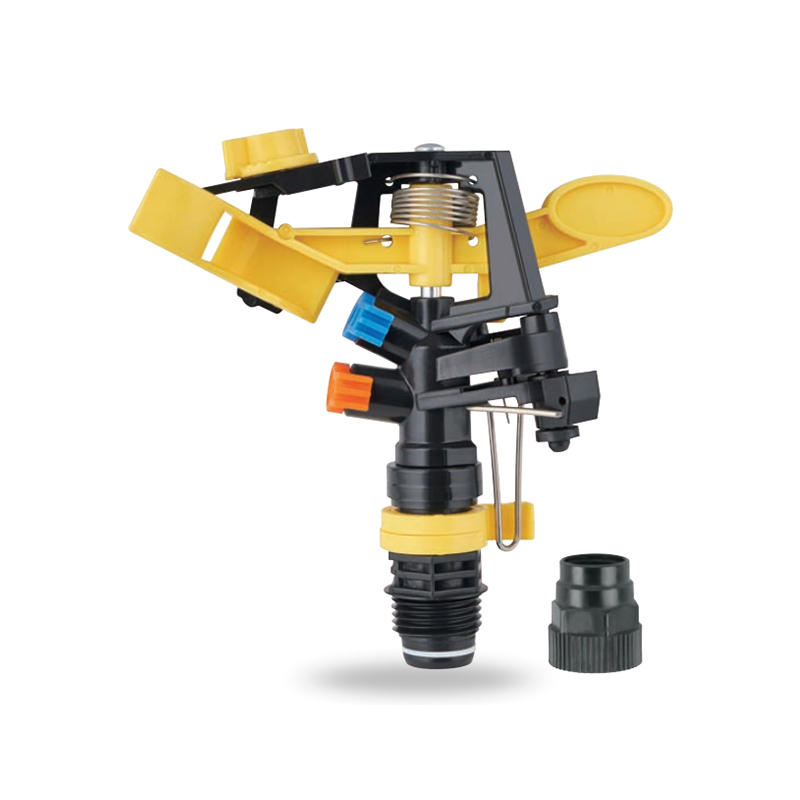
Impact sprinkler for agricultural irrigation is a common and efficient agricultural irrigation tool designed for large areas of farmland. Its unique structure can evenly cover a large area by rotating...
See Details -
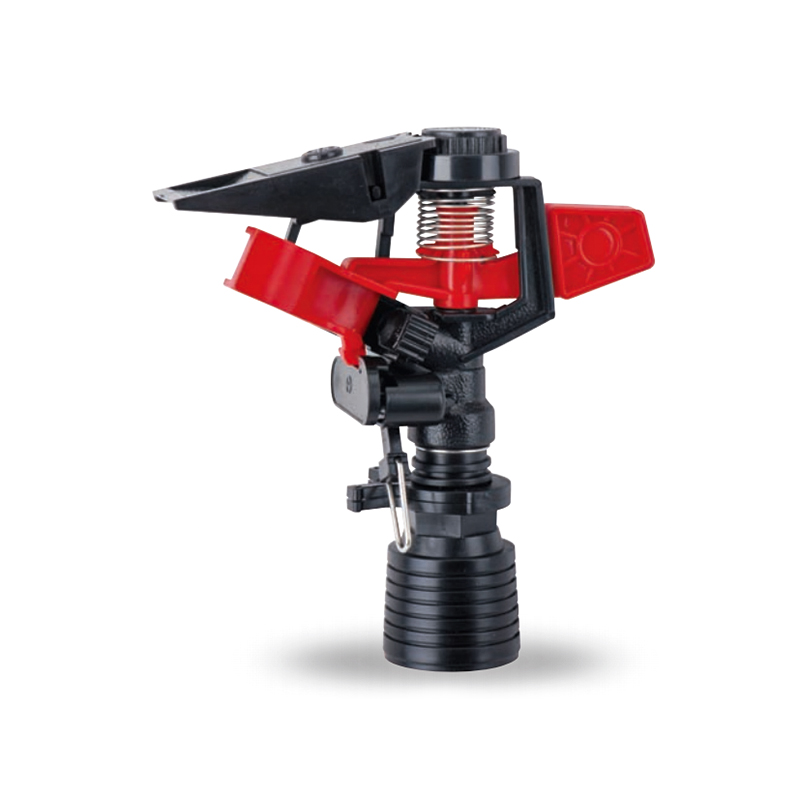
This 360 degree adjustable rocker arm nozzle impact sprinkler is an essential part of an irrigation system designed to meet a wide range of horticultural and agricultural needs. Its flexible adjustmen...
See Details -
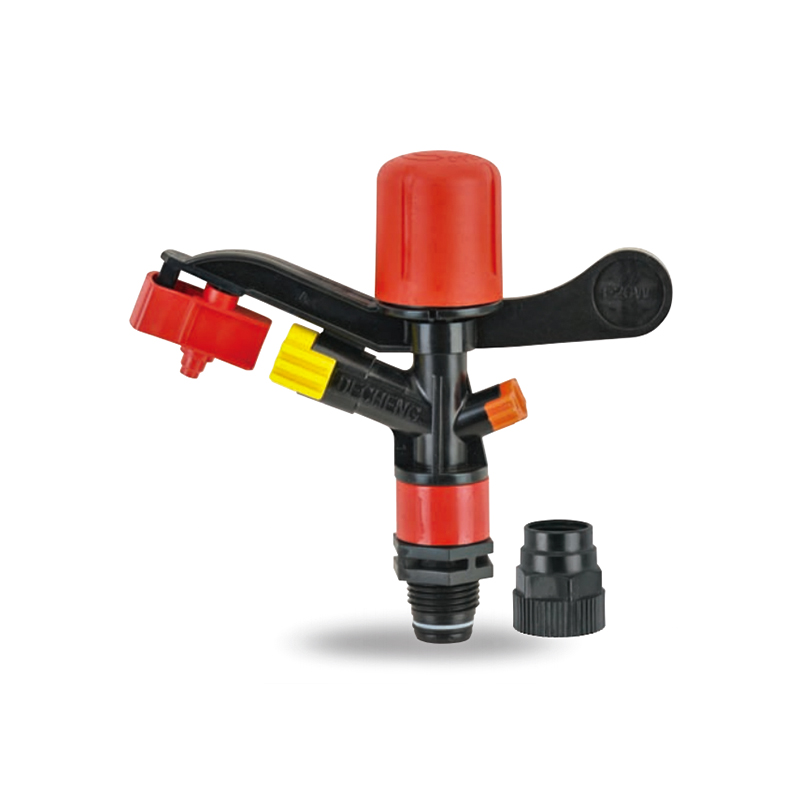
The Plastic Full-Circle Impact Sprinkler Sprayer is a highly efficient full-circle irrigation device designed to provide even moisture coverage. Its lightweight plastic material makes this sprinkler e...
See Details -
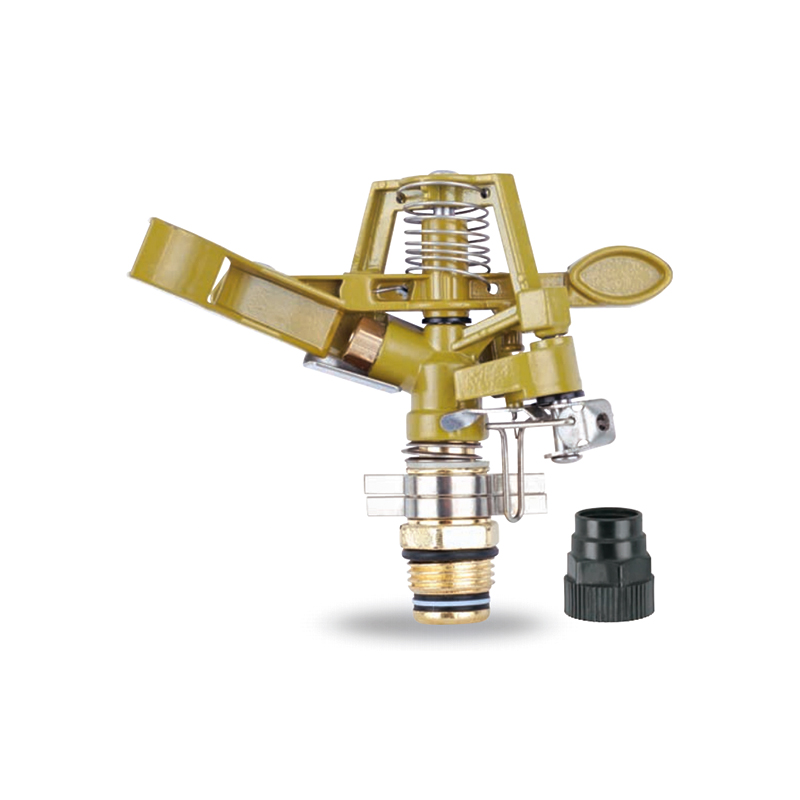
The Irrigation System Adjustable Head Mobile Rotary Zinc Sprinkler is an efficient rotary sprinkler designed for flexible irrigation needs. Its adjustable head allows the user to easily adjust the dir...
See Details -
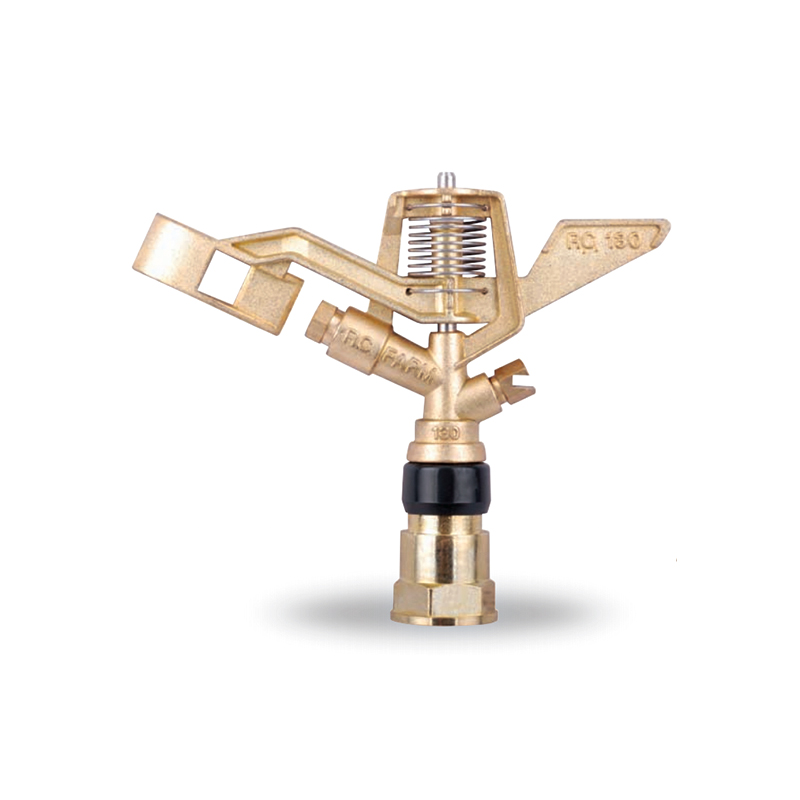
This 3/4” Zinc Alloy Swivel Arm Irrigation Watering System Impact Sprinkler is ideal for agricultural irrigation systems due to its superior durability and corrosion resistance. Its rugged constructio...
See Details -
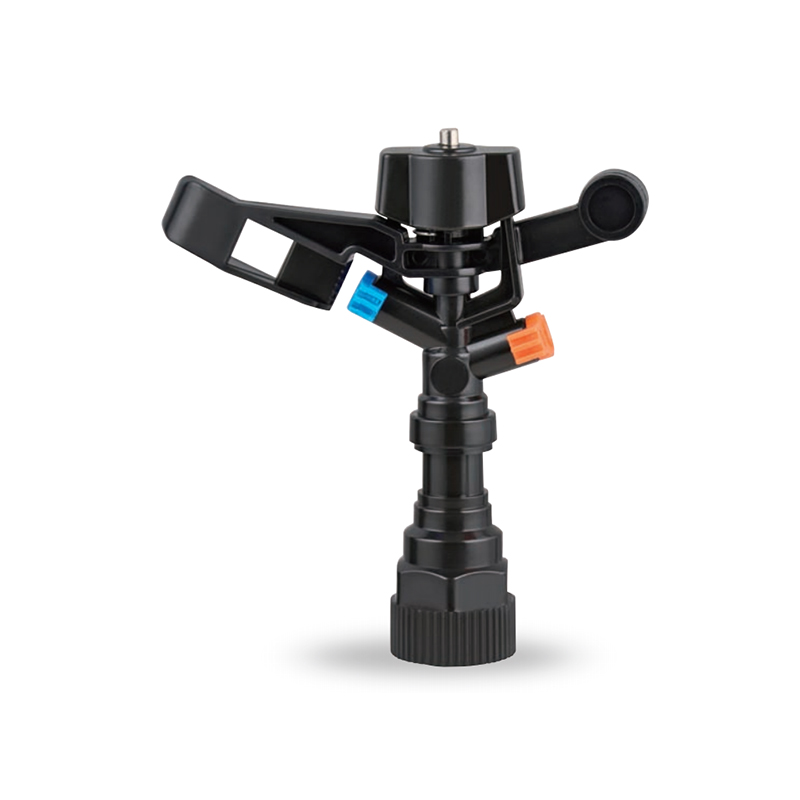
The Double nozzle garden farm impact full-circle sprinkler is well-designed to efficiently and evenly spray water, thus enhancing the quality of crop growth. Whether it's in the home garden or on a la...
See Details -
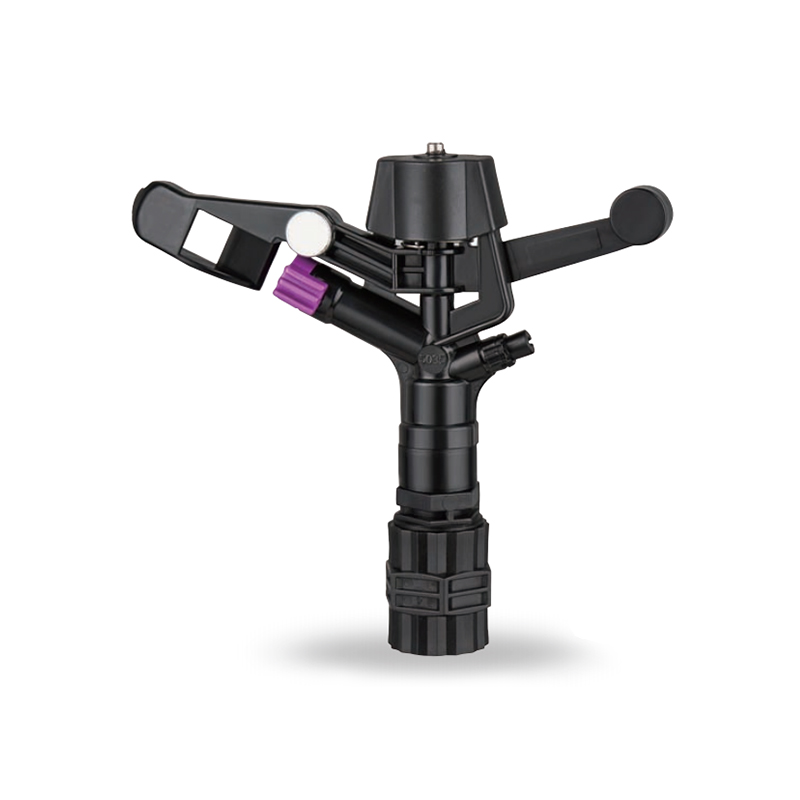
Double nozzle agricultural water plastic impact sprinkler for irrigation sprinkler combines practicality and durability with a dual nozzle system that provides extensive water coverage for a wide rang...
See Details -
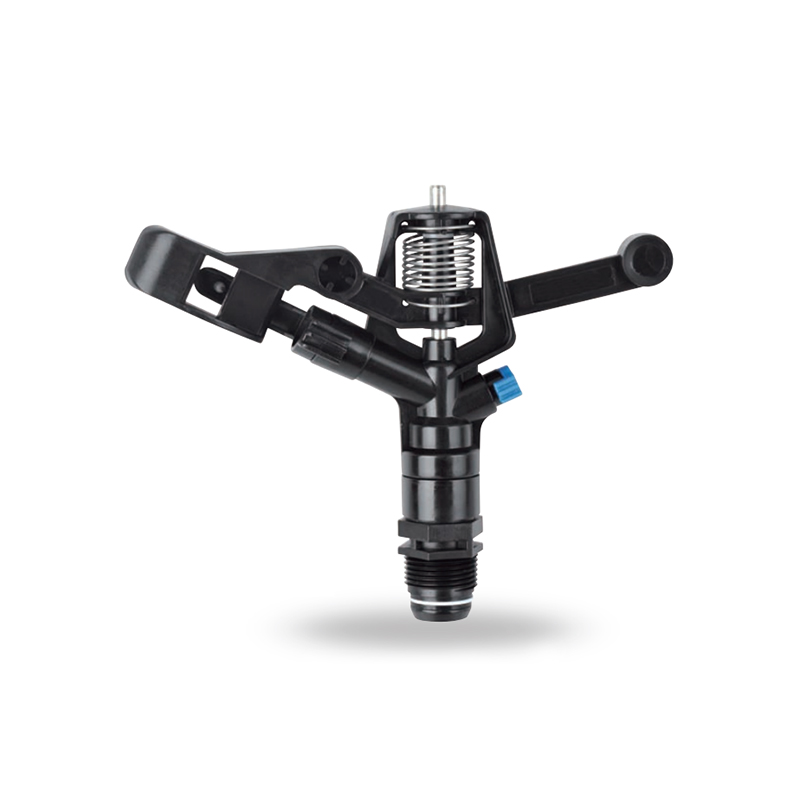
The POM agricultural irrigation sprinkler water impact sprinkler is known for its excellent abrasion resistance and durability, ensuring consistent performance over time. It is designed to increase wa...
See Details -
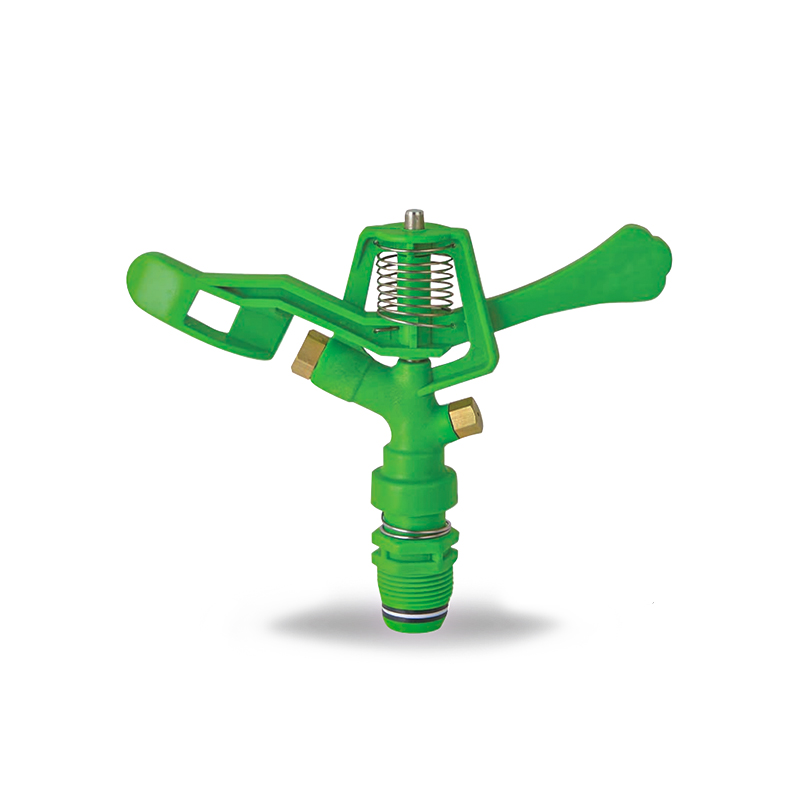
The POM Agricultural Irrigation Sprinkler with Metal Nozzles is a device designed for efficient irrigation, combining premium polyacetal (POM) material with durable metal nozzles to ensure superior sp...
See Details -
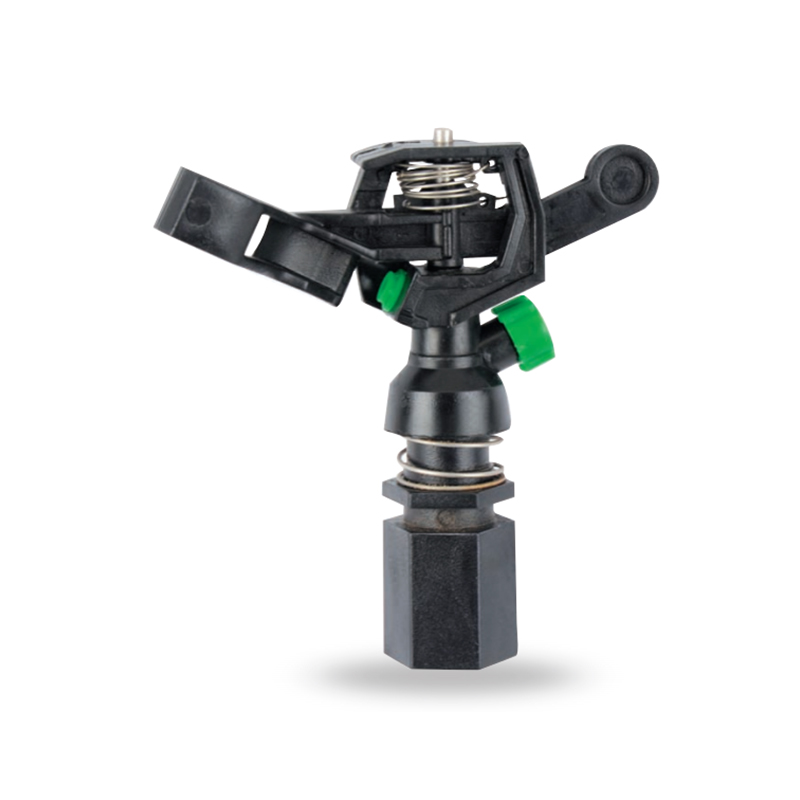
Watering irrigation system 3/4 inch nozzle field Impact Sprinkler is perfect for field irrigation and easily meets the water needs of large crops. Its powerful spray ensures that every nook and cranny...
See Details -
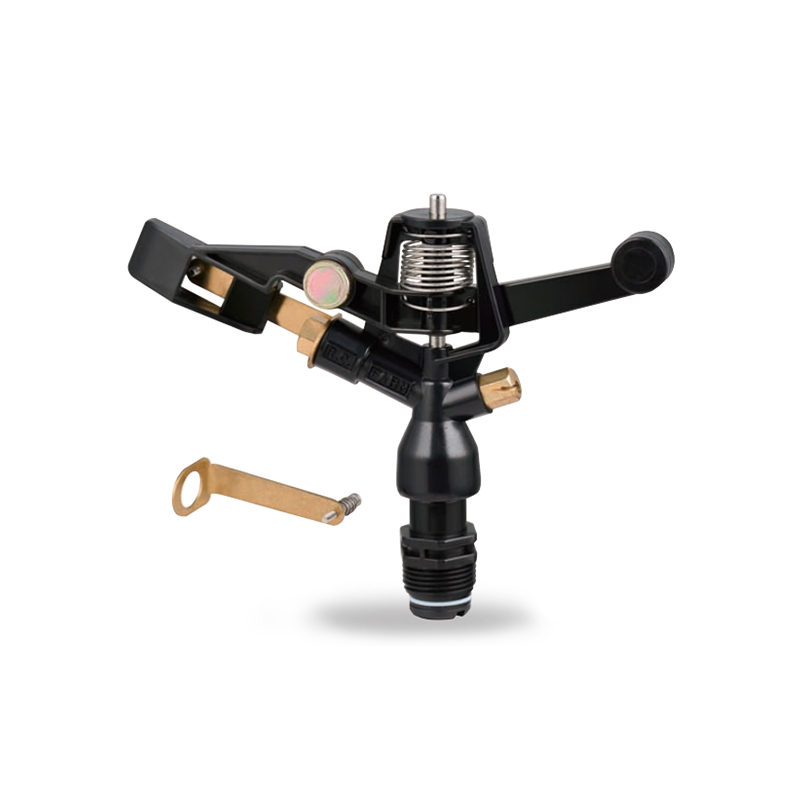
The POM Agricultural Irrigation Sprinkler with Brass Nozzles is an efficient and durable irrigation device designed to meet a wide range of agricultural needs. The sprinkler is made of polyacetal (POM...
See Details -
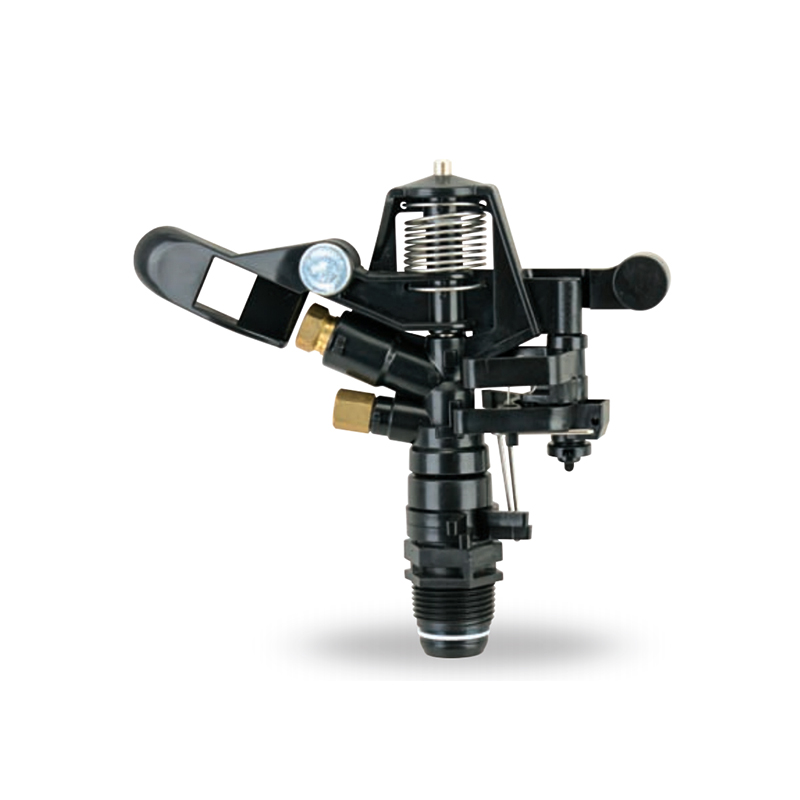
The Double Nozzle Garden Farm Impact Part-Circle Sprinkler is a highly efficient garden irrigation device designed for large planting areas. Its double nozzle design produces a strong, even stream of ...
See Details


PRODUCTS & SERVICES

CONTACT US
 No.518, Ruihao Road, Lizhou Street, Yuyao City, Zhejiang Province, China
 +86-13105554615 / +86-18005843886
 decheng@dcssq.com fredzhu@dcssq.com
 LISA
LISA
 Fred Zhu
Copyright © Ningbo Dewo Irrigation Equipment Co., Ltd. All Rights Reserved. China Agricultural Plastic Sprinkler Manufacturers Wholesale Irrigation Plastic Sprinkler Factory
