

 Search for...
 English
 Español
 中文简体
中文简体How to make impact sprinkler shoot farther?
Content
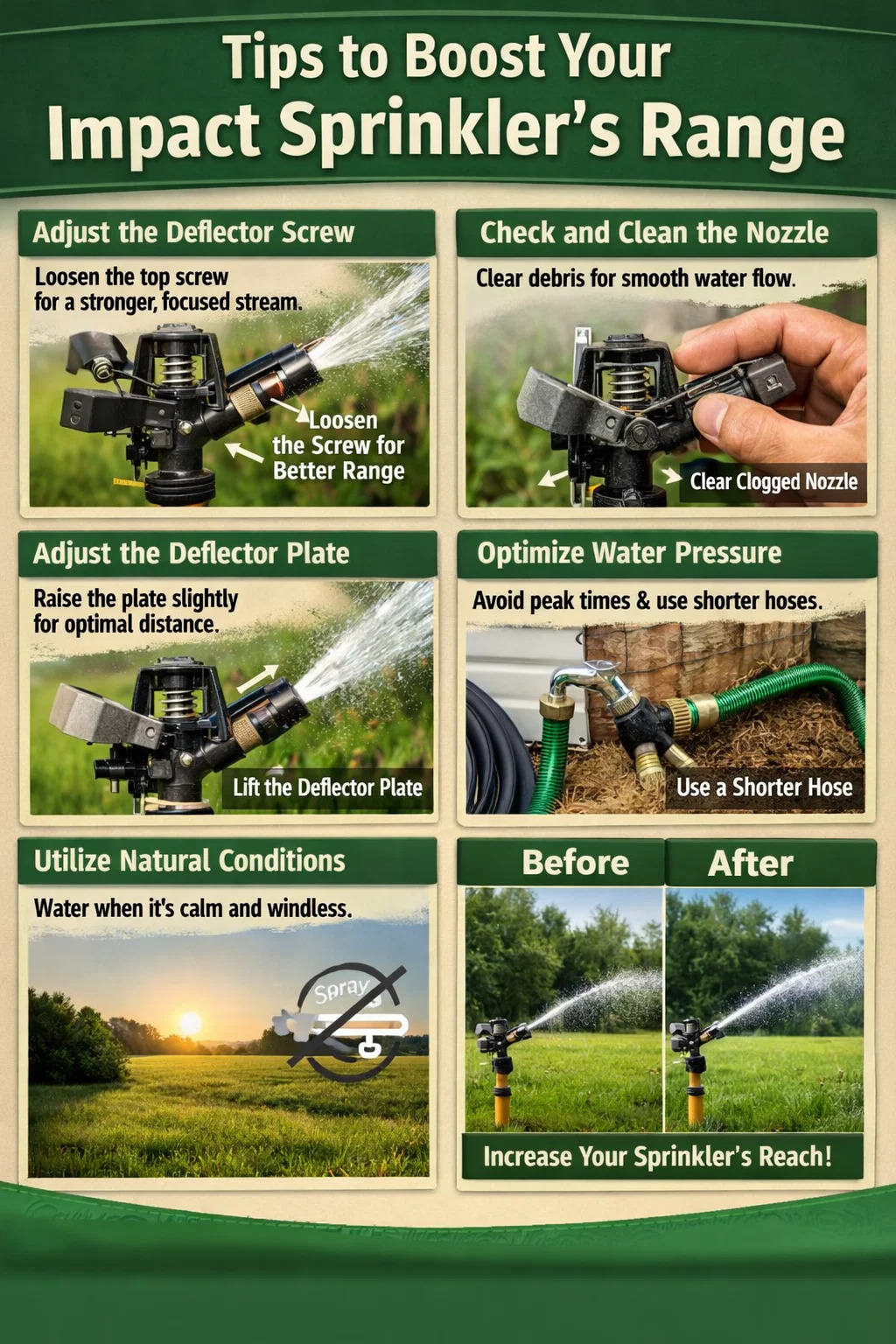
Want to make your impact sprinkler spray further? It doesn't require any advanced technology; a few simple manual adjustments and environmental optimizations will do the trick.
Here are a few tips to instantly improve your impact sprinkler's range:
Adjust the top water deflector screw
There's usually a small, rotatable metal screw in front of the impact sprinkler's nozzle.
Loosen it: If the screw is blocking the water flow, the water will scatter and fall nearby. Loosen it to move it away from the center of the water stream, allowing the full water stream to shoot further like an arrow.
Reduce interference: As long as this screw doesn't touch the water, the water flow will be most concentrated, and the distance will naturally increase.
Check and clean the nozzle
Sometimes, the sprinkler doesn't spray far because the "throat" is blocked.
Clear debris: Even a little sand or limescale stuck in the nozzle can disrupt the water flow. Turn off the water, use a thin wire or toothpick to clear the blockage, and make the water flow smoothly from the impact sprinkler.
Clean the filter screen: There's usually a small filter screen where the water pipe connects. If it's clogged, the water pressure will be significantly reduced.
Adjust the position of the deflector plate
The metal plate on the sprinkler head that bounces back and forth (the deflector plate) also affects the range.
Raise the angle: Some models allow you to adjust the force or angle of this deflector plate. If it breaks the water stream too much, the range will be shorter. Adjust it slightly so that it doesn't excessively interfere with the main water stream during impact.
Optimize your home's water pressure environment
The performance of the sprinkler depends most on the water pressure.
Avoid peak water usage times: If someone is using the washing machine or taking a shower, the impact sprinkler will definitely not spray far. Choose a time when no one is using water or electricity at home for the best sprinkler performance.
Shorten the hose length: The longer the hose, the greater the water loss along the way. If possible, move the sprinkler closer to the faucet, or use a thicker hose for a significant improvement in range.
Utilizing Natural Conditions
Going with the wind: Although impact sprinklers are relatively wind-resistant, spraying against strong winds will inevitably reduce the coverage area. Try to choose a calm or windless morning, when the water stream can travel the furthest due to inertia.
Prev:Which is better, impact or oscillating sprinkler?Next:How many impact sprinklers are on one line?
Related products
-
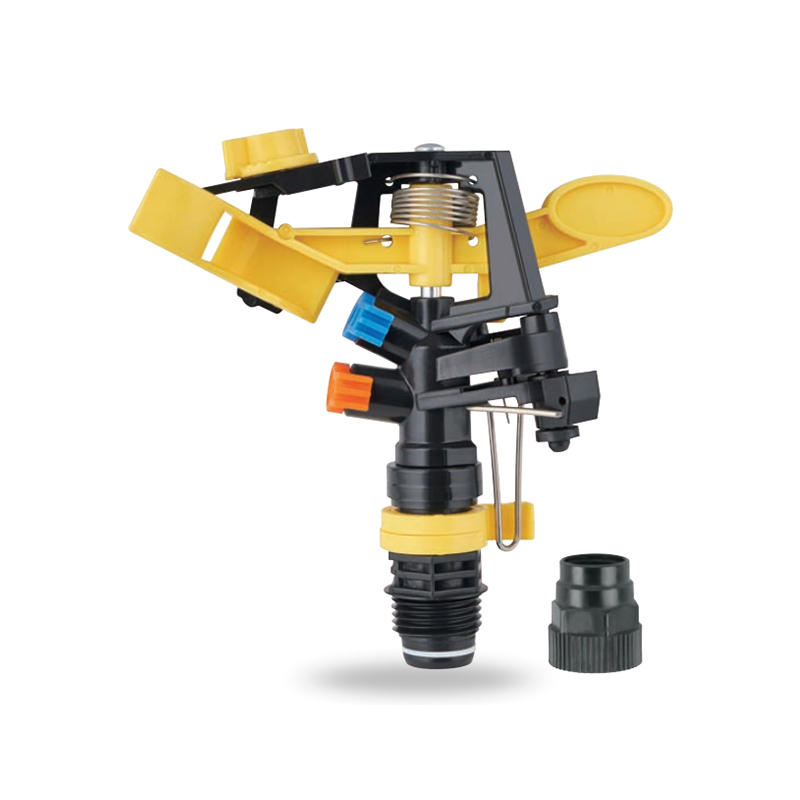
Impact sprinkler for agricultural irrigation is a common and efficient agricultural irrigation tool designed for large areas of farmland. Its unique structure can evenly cover a large area by rotating...
See Details -
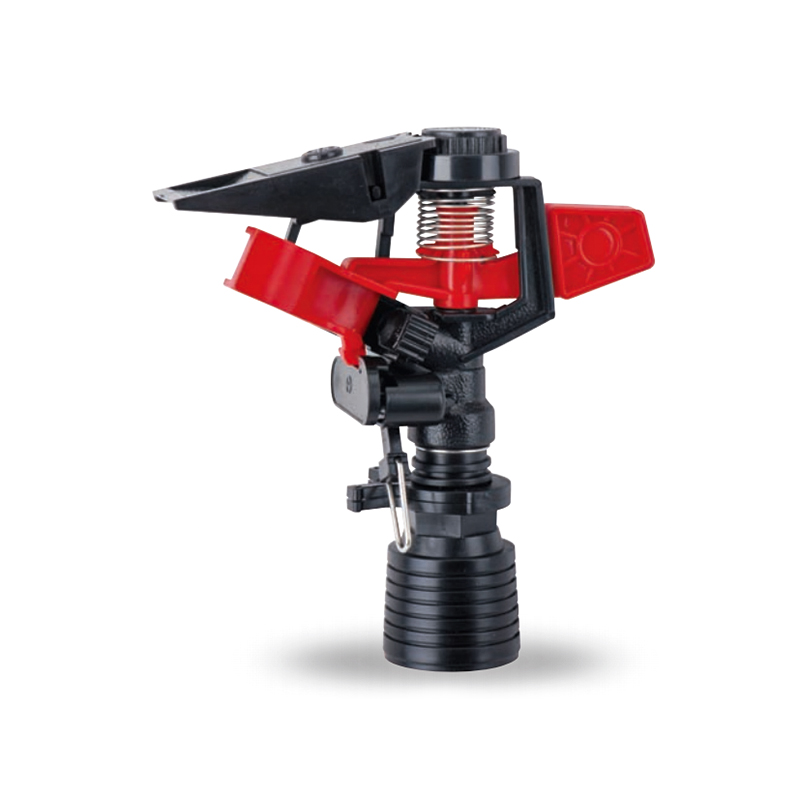
This 360 degree adjustable rocker arm nozzle impact sprinkler is an essential part of an irrigation system designed to meet a wide range of horticultural and agricultural needs. Its flexible adjustmen...
See Details -
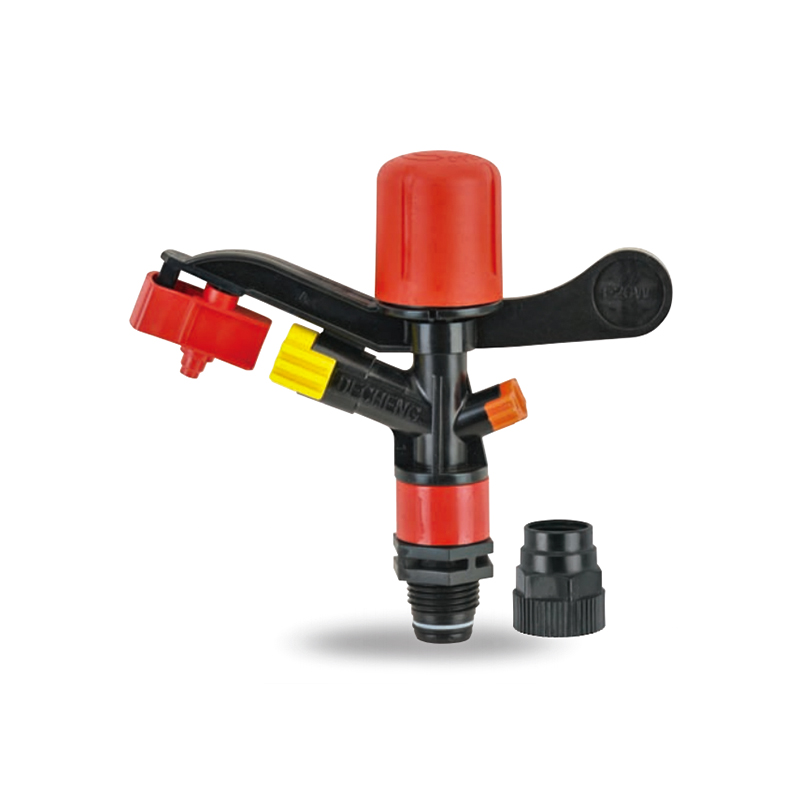
The Plastic Full-Circle Impact Sprinkler Sprayer is a highly efficient full-circle irrigation device designed to provide even moisture coverage. Its lightweight plastic material makes this sprinkler e...
See Details -
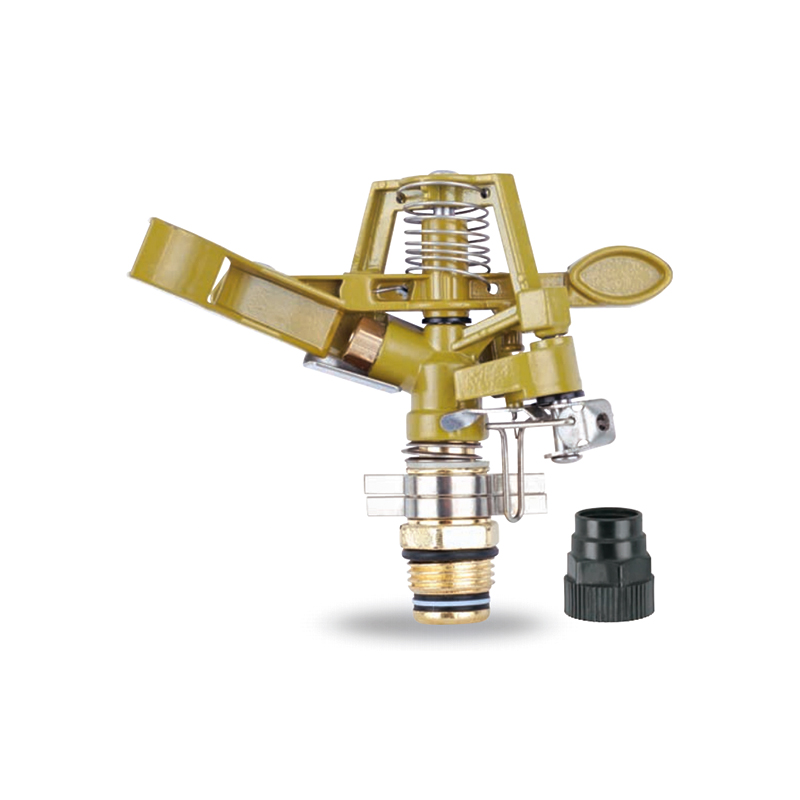
The Irrigation System Adjustable Head Mobile Rotary Zinc Sprinkler is an efficient rotary sprinkler designed for flexible irrigation needs. Its adjustable head allows the user to easily adjust the dir...
See Details -
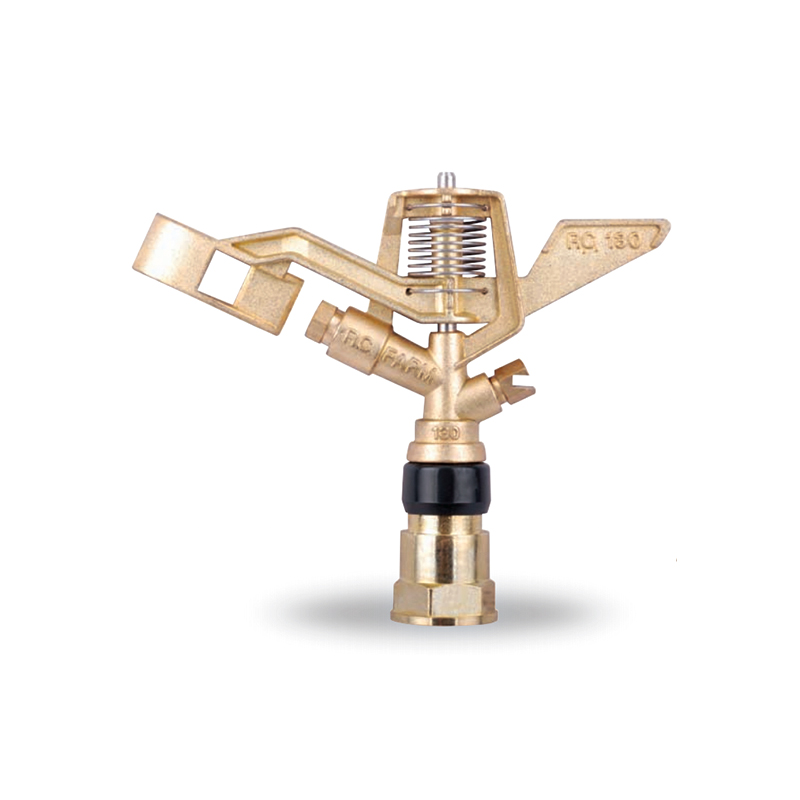
This 3/4” Zinc Alloy Swivel Arm Irrigation Watering System Impact Sprinkler is ideal for agricultural irrigation systems due to its superior durability and corrosion resistance. Its rugged constructio...
See Details -
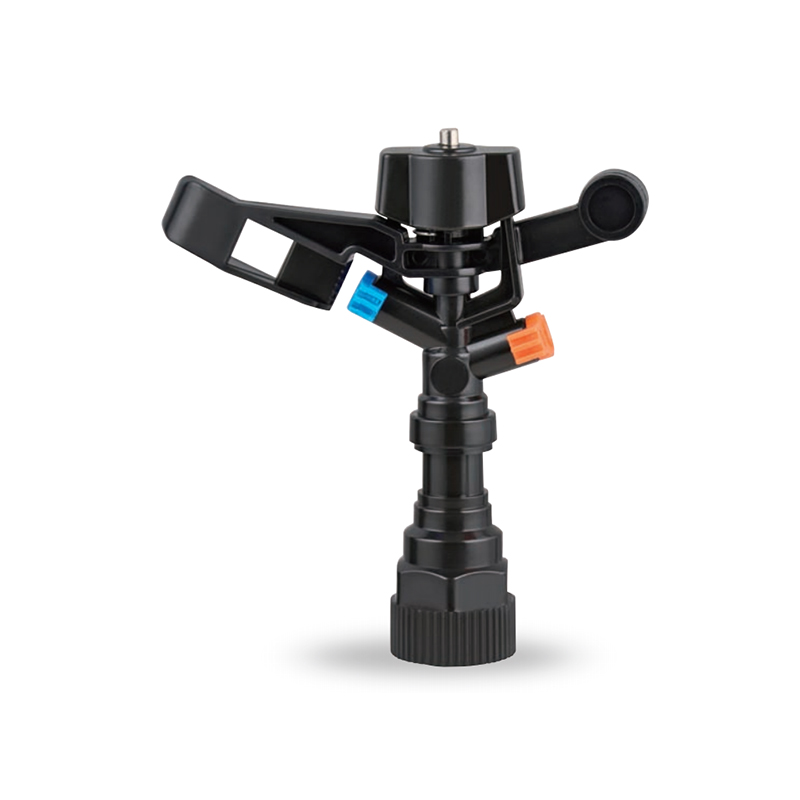
The Double nozzle garden farm impact full-circle sprinkler is well-designed to efficiently and evenly spray water, thus enhancing the quality of crop growth. Whether it's in the home garden or on a la...
See Details -
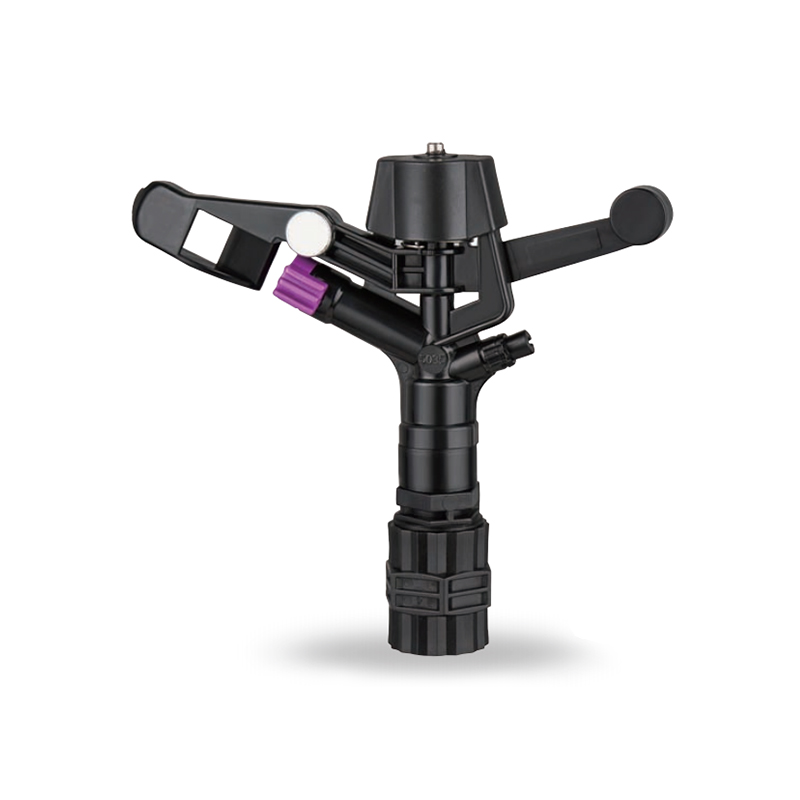
Double nozzle agricultural water plastic impact sprinkler for irrigation sprinkler combines practicality and durability with a dual nozzle system that provides extensive water coverage for a wide rang...
See Details -
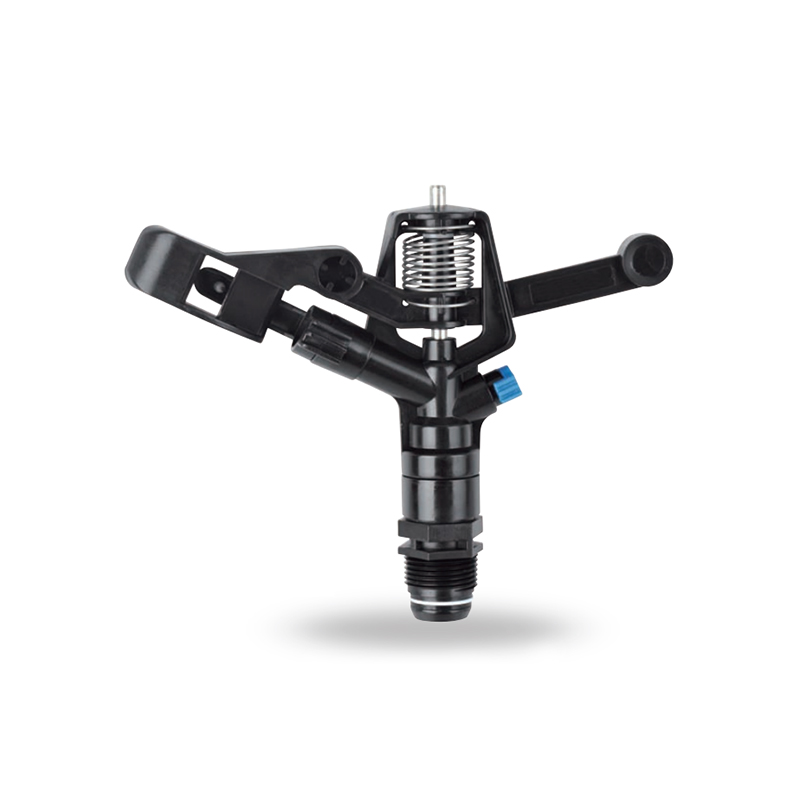
The POM agricultural irrigation sprinkler water impact sprinkler is known for its excellent abrasion resistance and durability, ensuring consistent performance over time. It is designed to increase wa...
See Details -
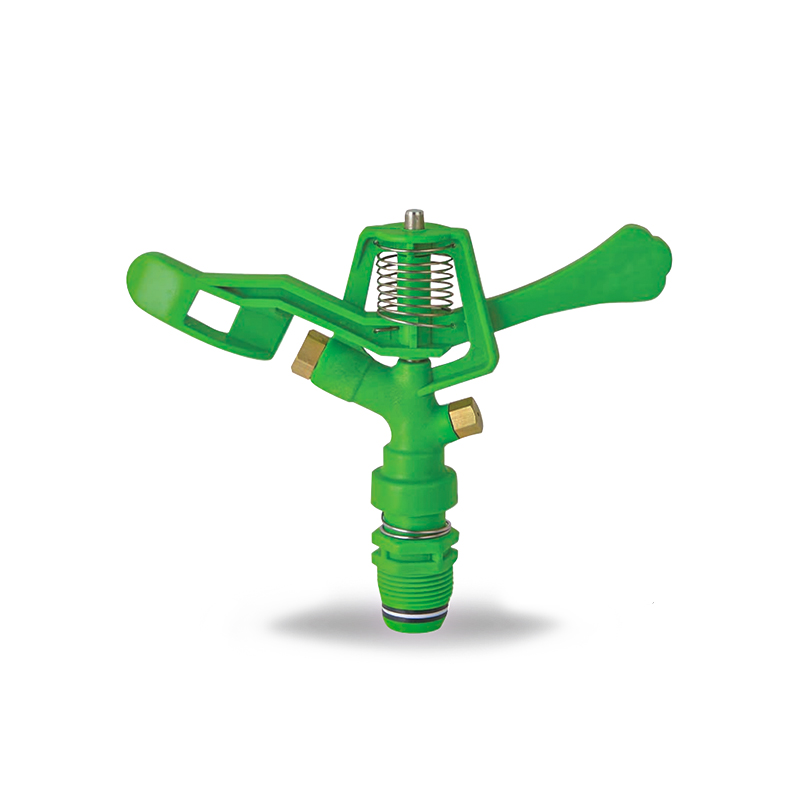
The POM Agricultural Irrigation Sprinkler with Metal Nozzles is a device designed for efficient irrigation, combining premium polyacetal (POM) material with durable metal nozzles to ensure superior sp...
See Details -
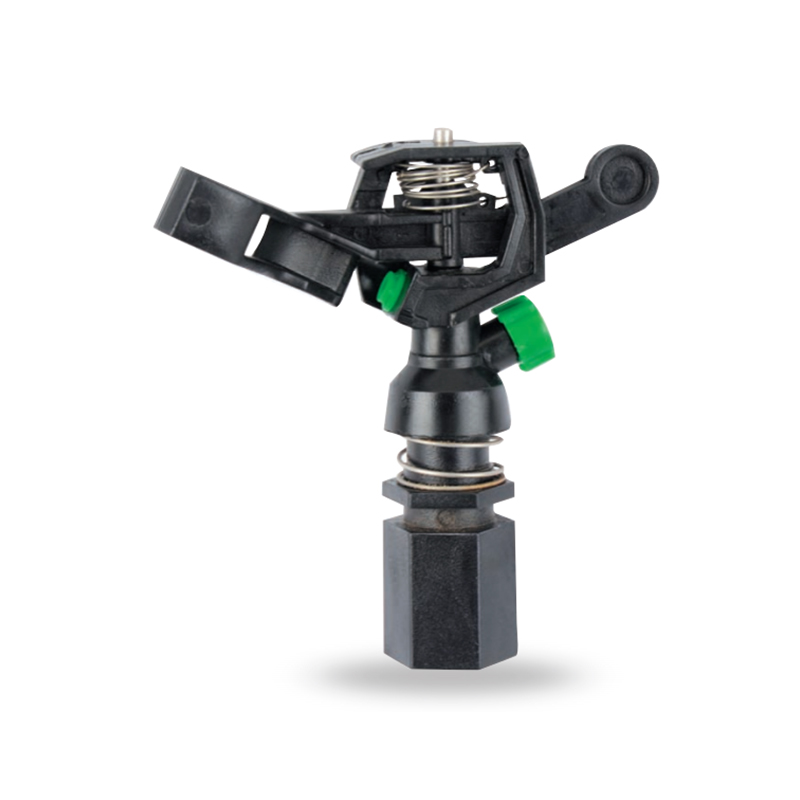
Watering irrigation system 3/4 inch nozzle field Impact Sprinkler is perfect for field irrigation and easily meets the water needs of large crops. Its powerful spray ensures that every nook and cranny...
See Details -
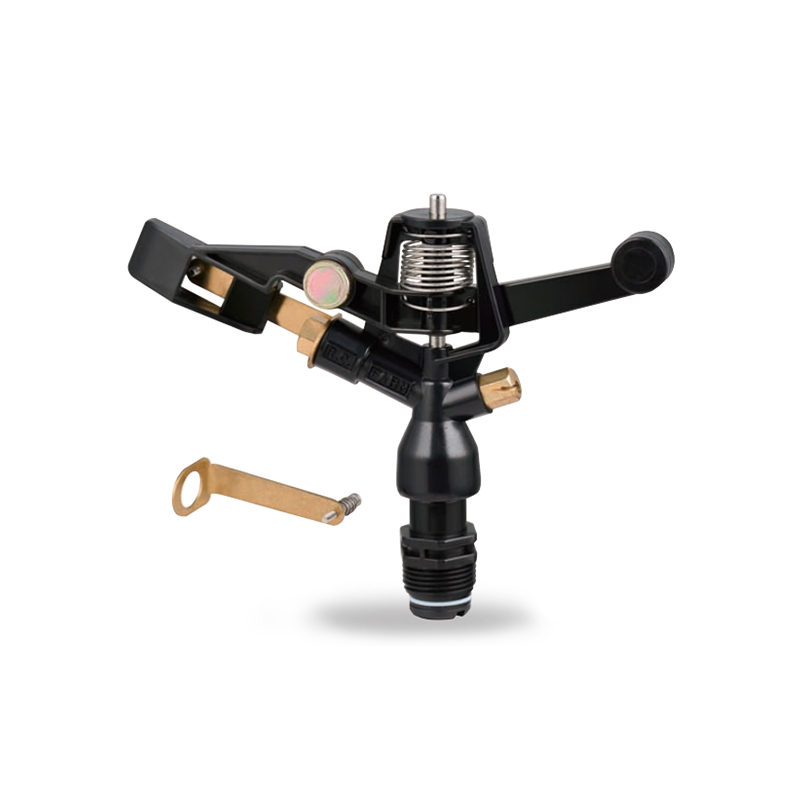
The POM Agricultural Irrigation Sprinkler with Brass Nozzles is an efficient and durable irrigation device designed to meet a wide range of agricultural needs. The sprinkler is made of polyacetal (POM...
See Details -
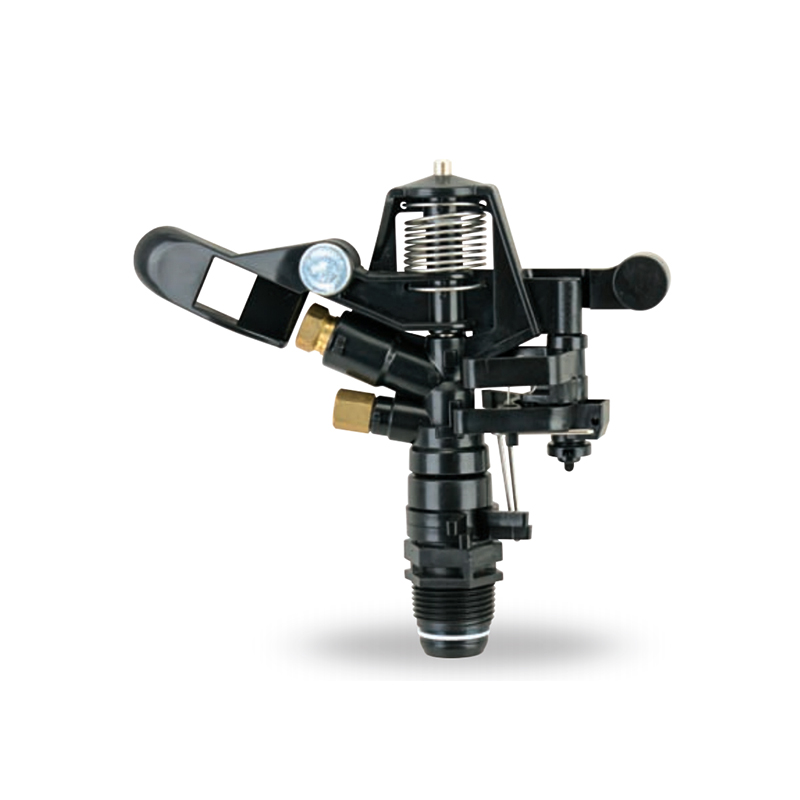
The Double Nozzle Garden Farm Impact Part-Circle Sprinkler is a highly efficient garden irrigation device designed for large planting areas. Its double nozzle design produces a strong, even stream of ...
See Details

PRODUCTS & SERVICES

CONTACT US
 No.518, Ruihao Road, Lizhou Street, Yuyao City, Zhejiang Province, China
 +86-13105554615 / +86-18005843886
 decheng@dcssq.com fredzhu@dcssq.com
 LISA
LISA
 Fred Zhu
Copyright © Ningbo Dewo Irrigation Equipment Co., Ltd. All Rights Reserved. China Agricultural Plastic Sprinkler Manufacturers Wholesale Irrigation Plastic Sprinkler Factory
