

 Search for...
 English
 Español
 中文简体
中文简体How Do Impact Sprinklers Work? Mechanism, Pressure & FAQ
Content
- 1 Quick Answer: How Impact Sprinklers Work
- 2 The Mechanical Anatomy of an Impact Sprinkler
- 3 Step-by-Step: The Rotation Cycle Explained
- 4 Water Pressure and Its Role in Impact Sprinkler Performance
- 5 Impact Sprinklers vs Other Sprinkler Types
- 6 Coverage Patterns and Adjustable Arc Settings
- 7 Common Materials Used in Impact Sprinkler Construction
- 8 Installation Best Practices for Impact Sprinklers
- 9 Maintenance and Troubleshooting Common Issues
- 10 Choosing the Right Impact Sprinkler for Your Needs
- 11 Impact Sprinklers in Agricultural vs Residential Use
- 12 Frequently Asked Questions About Impact Sprinklers
- 12.1 What makes the clicking sound in an impact sprinkler?
- 12.2 How far can an impact sprinkler spray water?
- 12.3 Why is my impact sprinkler not rotating at all?
- 12.4 Can an impact sprinkler be set to water only part of a lawn?
- 12.5 Are brass impact sprinklers worth the extra cost over plastic models?
- 12.6 How often should an impact sprinkler be cleaned or serviced?
- 12.7 Do impact sprinklers work well in windy conditions?
Quick Answer: How Impact Sprinklers Work
An impact sprinkler works by using water pressure to push a spring-loaded arm outward, which then swings back and strikes the sprinkler body, causing the head to rotate a small distance with every hit. This repeated striking action is the origin of the name "impact sprinkler," sometimes also called an "impulse sprinkler." Each impact advances the sprinkler head by only a few degrees, so the full rotation around a lawn, field, or garden bed happens gradually over dozens or even hundreds of individual strikes. The water pressure that drives this mechanism typically ranges between 25 and 70 PSI, and the distinctive clicking or ticking sound that many people associate with lawn watering is actually the arm hitting the body on every cycle. Below, this article breaks down every mechanical component, the full rotation cycle, pressure requirements, material choices, installation guidance, and troubleshooting steps so that anyone evaluating or maintaining an impact sprinkler system has a complete technical reference.
The Mechanical Anatomy of an Impact Sprinkler
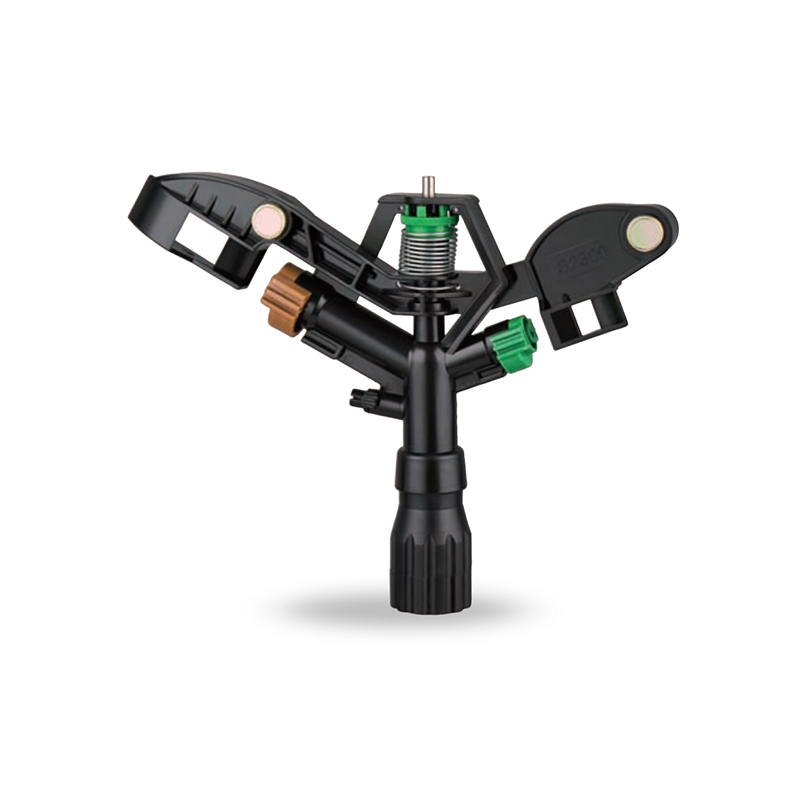
To understand how an impact sprinkler functions, it helps to look at the individual parts that work together during every watering cycle. Most impact sprinklers, whether designed for home lawns or large agricultural fields, share the same core components.
The Riser and Base
The riser is the vertical stem that connects the sprinkler head to the water supply line. It houses the internal water passage and, in many models, a built-in seal that prevents leaking around the moving parts. The base typically threads onto a garden hose fitting, a buried PVC riser, or a pop-up housing.
The Nozzle and Diffuser Pin
Water exits through a nozzle that shapes the stream into either a solid jet or a fan pattern. A small diffuser pin sits directly in the path of the water stream. This pin breaks up the jet slightly, which softens the impact on grass and soil while still allowing the stream to travel a meaningful distance, often between 20 and 45 feet depending on nozzle size and pressure.
The Spring-Loaded Arm
This is the defining part of the mechanism. A metal arm is mounted on a spring and positioned directly in the path of the water stream. Water pressure pushes the arm outward and away from the body. Once the arm swings far enough, the spring pulls it back, and the arm strikes the body of the sprinkler with a sharp, audible click.
The Rotation Ratchet
Beneath the arm assembly, a small ratchet or gear tooth mechanism converts the impact force into a tiny rotational movement. Each strike advances the head by roughly 1 to 3 degrees, though this varies by manufacturer and model. Over the course of a full watering cycle, hundreds of impacts accumulate into a complete 360-degree rotation, or a partial arc if the sprinkler is set for part-circle coverage.
Step-by-Step: The Rotation Cycle Explained
The full operating cycle of an impact sprinkler can be broken into a repeating sequence. Understanding each step clarifies why the sprinkler produces its familiar rhythmic motion.
- Water enters the base of the sprinkler under supply-line pressure and travels up through the riser into the nozzle chamber.
- The pressurized water exits through the nozzle as a concentrated stream, striking the diffuser pin and the spring-loaded arm positioned in its path.
- The force of the water pushes the arm outward against the tension of its return spring, moving it away from the sprinkler body.
- Once the water stream loses contact with the arm at the peak of its swing, the spring pulls the arm rapidly back toward the body.
- The arm strikes the body, producing the characteristic clicking sound, and this impact simultaneously engages the internal ratchet, rotating the entire head a small increment.
- The cycle repeats continuously, with each strike advancing the sprinkler slightly farther around its arc until it completes a full rotation or reaches the boundary of a part-circle setting, at which point many models reverse direction automatically.
This cycle typically repeats between 20 and 40 times per minute, meaning a full 360-degree rotation on a residential impact sprinkler often takes between 1 and 4 minutes, depending on water pressure, nozzle size, and the specific gear ratio of the internal ratchet.
Water Pressure and Its Role in Impact Sprinkler Performance
Water pressure is the single most important variable affecting how well an impact sprinkler performs. Pressure determines throw distance, droplet size, rotation speed, and even the sound the arm makes when it strikes the body.
Most residential impact sprinklers are engineered to operate efficiently between 25 and 50 PSI, while heavy-duty agricultural units built for irrigation pivots or large field guns may require between 40 and 80 PSI to achieve their rated throw radius. When pressure drops below the recommended minimum, the arm may not swing far enough to reliably strike the body, causing the sprinkler to stall in one position instead of rotating. When pressure is too high, the stream can atomize into a fine mist that drifts in the wind rather than delivering water efficiently to the target area.
| Operating Pressure (PSI) | Approximate Throw Radius | Typical Flow Rate |
|---|---|---|
| 20 PSI | 18 to 22 feet | 3 to 5 gallons per minute |
| 35 PSI | 28 to 33 feet | 5 to 8 gallons per minute |
| 50 PSI | 35 to 42 feet | 8 to 12 gallons per minute |
| 65 PSI | 40 to 48 feet | 12 to 16 gallons per minute |
These figures vary by manufacturer, nozzle diameter, and the specific internal geometry of the sprinkler, but they illustrate the general trend that throw radius and flow rate both increase with pressure, up to the point where the stream begins to break apart into fine droplets that reduce effective coverage.
Impact Sprinklers vs Other Sprinkler Types
Homeowners and irrigation planners often compare impact sprinklers against gear-driven rotors, fixed spray heads, and oscillating sprinklers before choosing a system. Each design has distinct strengths depending on the size and shape of the area being watered.
| Sprinkler Type | Rotation Method | Best Suited For |
|---|---|---|
| Impact Sprinkler | Spring arm strikes body to advance ratchet | Large lawns, fields, orchards, windy areas |
| Gear-Driven Rotor | Internal water-powered gear turbine | Residential lawns needing quiet operation |
| Fixed Spray Head | No moving parts, fixed pattern nozzle | Small beds, narrow strips, ground cover |
| Oscillating Sprinkler | Motor-driven swinging spray bar | Small to mid-size rectangular lawns |
The main advantage of the impact sprinkler design is that it uses the force of the water itself to power the rotation mechanism, with no internal turbine or motor to wear out. This makes it especially durable in dusty, sandy, or hard-water environments where finer internal gears in other sprinkler types are prone to clogging or mineral buildup.
Coverage Patterns and Adjustable Arc Settings
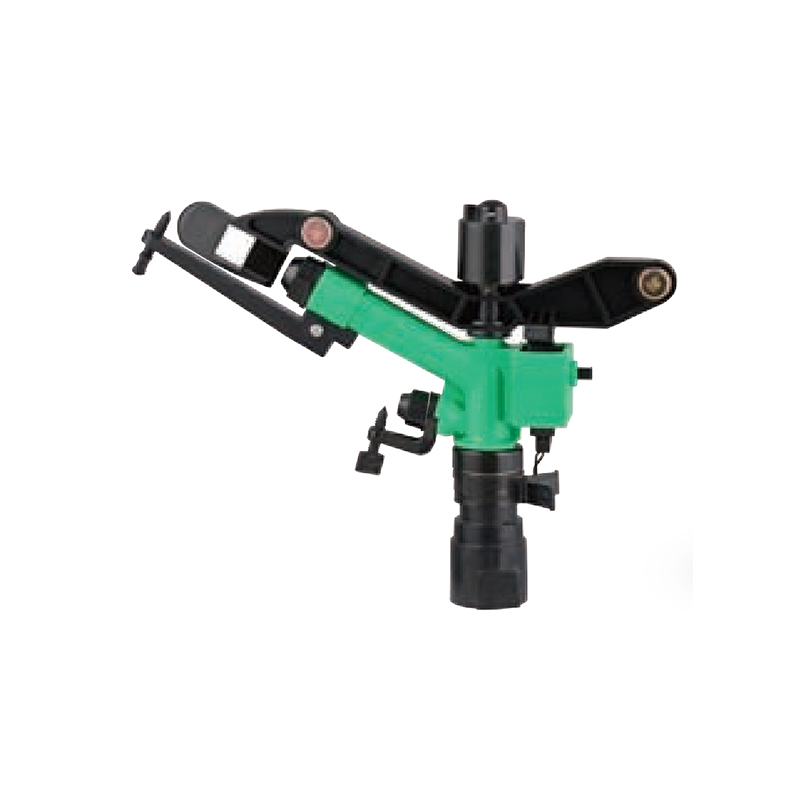
Most impact sprinklers allow the user to adjust the watering arc from a narrow wedge shape up to a full 360-degree circle. This adjustment is typically controlled by a trip collar or adjustable stop ring located near the base of the rotating head.
Full Circle Mode
In full circle mode, the trip mechanism is disengaged, allowing the head to rotate continuously in one direction without reversing. This setting is common for sprinklers placed in the middle of open lawns or fields where water needs to reach in every direction.
Part Circle Mode
In part circle mode, two adjustable stops are set at the desired start and end points of the arc. When the rotating head reaches either stop, an internal reversing mechanism engages, sending the head back in the opposite direction. This is useful for sprinklers placed along borders, corners, or walkways where full rotation would waste water outside the target zone.
Adjustable Distance and Nozzle Size
Many impact sprinklers also include a small screw or dial near the nozzle that changes the spray angle or introduces a slight diffusion, letting the user fine-tune throw distance without changing the nozzle itself. Interchangeable nozzles of different diameters, often ranging from 3/16 inch to 3/8 inch, provide an additional way to adjust both flow rate and throw radius for different zones of a property.
Common Materials Used in Impact Sprinkler Construction
The material a manufacturer chooses for an impact sprinkler has a direct effect on its lifespan, resistance to hard water, and overall durability under constant mechanical stress from the striking arm.
Brass Construction
Brass impact sprinklers are widely regarded as the most durable option for long-term agricultural or commercial use. Brass resists corrosion from minerals in well water, holds up well under UV exposure, and the added weight of a metal body helps keep the sprinkler stable on the riser even at higher pressures.
Engineering-Grade Plastic Construction
Plastic and polymer-bodied impact sprinklers are lighter, less expensive, and resistant to rust, making them a popular choice for residential lawns. Higher-quality models use reinforced polymer blends for the arm and ratchet components specifically, since these parts endure the most repeated mechanical stress.
Hybrid Brass and Plastic Designs
Many mid-range impact sprinklers combine a plastic body with a brass nozzle insert or a metal spring arm. This hybrid approach balances cost against durability, placing the more wear-resistant metal only at the points of highest mechanical stress.
Installation Best Practices for Impact Sprinklers
Correct installation has a significant effect on how evenly an impact sprinkler distributes water across a lawn or field.
- Set the riser height so the nozzle sits at least 2 to 4 inches above the surrounding grass height once fully grown, preventing turf from blocking the water stream.
- Space sprinklers so that the throw radius of each unit overlaps the next head by roughly 50 percent, a principle known as head-to-head coverage, which prevents dry spots between units.
- Install a check valve or use anti-drain risers on sloped terrain to prevent low-head drainage, where water continues to trickle out of the lowest sprinkler after the system shuts off.
- Match the pressure rating of the sprinkler to the actual output of the water supply line, since undersized pipe diameter upstream can starve multiple sprinklers of adequate pressure when they run simultaneously.
- Position part-circle sprinklers so their arc stops align precisely with the edges of the target area, avoiding overspray onto pavement, driveways, or structures.
Maintenance and Troubleshooting Common Issues
Because the internal mechanism of an impact sprinkler relies on a spring, an arm, and a ratchet, most long-term issues stem from wear, debris, or mineral buildup rather than electrical failure, since these units contain no motor.
Sprinkler Will Not Rotate
This is often caused by insufficient water pressure reaching the arm, a broken or overstretched return spring, or debris jammed in the ratchet mechanism. Cleaning the nozzle and ratchet area, and confirming pressure at the sprinkler meets the manufacturer's minimum specification, resolves the majority of these cases.
Uneven or Reduced Throw Distance
A partially clogged nozzle, a worn diffuser pin, or mineral scale buildup inside the water passage can all reduce throw distance. Soaking the nozzle assembly in a mild descaling solution and clearing any visible sediment typically restores normal throw range.
Excessive Misting Instead of a Solid Stream
When pressure is significantly higher than the sprinkler's rated maximum, the stream can break apart into fine mist before reaching its intended radius. Installing a pressure-reducing valve upstream of the sprinkler zone often corrects this issue and improves water efficiency.
Loud or Irregular Clicking Sound
A louder-than-normal impact sound, or an irregular rhythm to the clicking, often indicates a worn spring that no longer returns the arm with consistent force. Replacing the spring and arm assembly, which are sold as low-cost replacement parts by most manufacturers, usually restores smooth operation.
Choosing the Right Impact Sprinkler for Your Needs
Selecting an appropriate impact sprinkler depends primarily on the size of the area to be watered, the available water pressure, and the environmental conditions at the installation site.
For small to medium residential lawns, a plastic-bodied impact sprinkler with a throw radius between 20 and 35 feet and an adjustable part-circle setting is generally sufficient. For larger properties, orchards, or agricultural fields, a brass-bodied impact sprinkler rated for higher pressure and longer throw distance, sometimes exceeding 50 feet, provides better durability and more even coverage across a wider area. In regions with hard or mineral-rich water, prioritizing brass or stainless internal components over standard plastic parts significantly extends the service life of the unit, since mineral scale is the leading cause of premature ratchet and spring wear.
Impact Sprinklers in Agricultural vs Residential Use
Although the underlying mechanism is identical, agricultural and residential applications of the impact sprinkler place very different demands on the hardware.
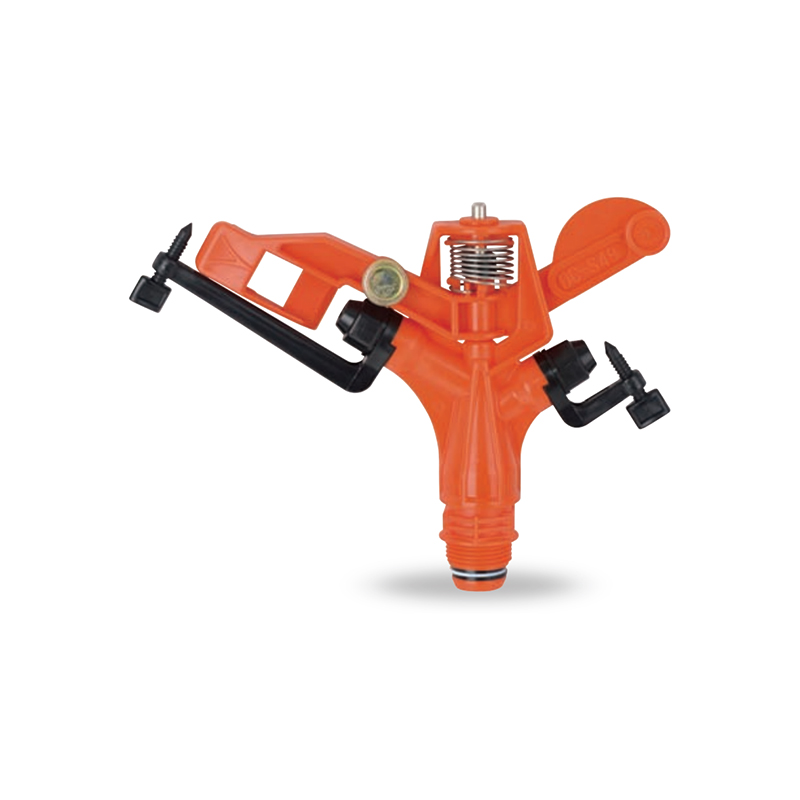
In agricultural settings, impact sprinklers are frequently mounted on elevated risers along irrigation pipelines or center-pivot systems, operating for many hours per day across entire growing seasons. These units are almost always brass-bodied, rated for higher pressure, and built with reinforced springs to withstand the higher cycle count accumulated over months of near-continuous use. In residential settings, impact sprinklers typically run for shorter daily cycles, often 15 to 30 minutes per zone, and face less cumulative mechanical stress, which allows lighter plastic construction to remain a practical and cost-effective choice for most homeowners.
Frequently Asked Questions About Impact Sprinklers
What makes the clicking sound in an impact sprinkler?
The clicking sound comes from the spring-loaded arm striking the sprinkler body after being pushed outward by the water stream. Each click corresponds to one small rotational advance of the head.
How far can an impact sprinkler spray water?
Throw distance generally ranges from about 20 feet at lower residential pressures to over 50 feet for high-pressure agricultural models, depending on nozzle size and water pressure.
Why is my impact sprinkler not rotating at all?
The most common causes are low water pressure, a jammed or debris-filled ratchet mechanism, or a worn return spring that no longer pulls the arm back with enough force to trigger rotation.
Can an impact sprinkler be set to water only part of a lawn?
Yes. Most models include an adjustable trip collar that allows the sprinkler to be set for a part-circle arc instead of a full 360-degree rotation, which reverses direction automatically at each end of the arc.
Are brass impact sprinklers worth the extra cost over plastic models?
For long-term agricultural use, hard water conditions, or high daily run times, brass construction generally offers longer service life and better resistance to mineral buildup, which often justifies the higher upfront cost.
How often should an impact sprinkler be cleaned or serviced?
Inspecting and cleaning the nozzle and ratchet area once or twice per watering season is generally sufficient for residential units, while agricultural systems running daily often benefit from quarterly inspection.
Do impact sprinklers work well in windy conditions?
Yes, the solid stream produced by an impact sprinkler is generally more resistant to wind drift than the fine mist produced by some spray-head designs, making it a preferred choice for open, exposed areas.
Prev:How to Put a Hose on a Hose Reel Cart: Full GuideNext:How to Adjust an Oscillating Sprinkler for Perfect Coverage?
Related products
-
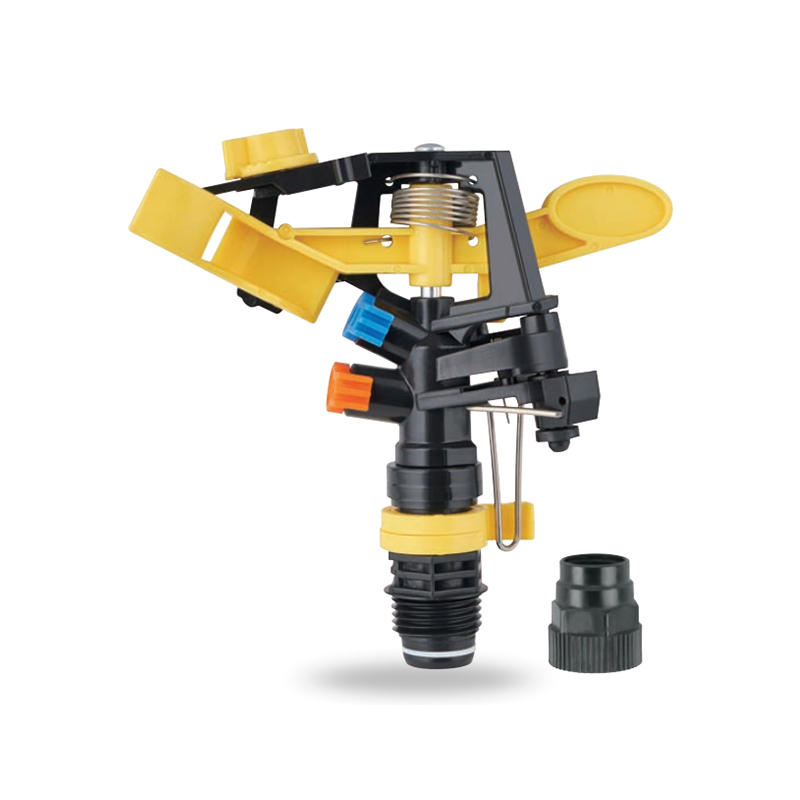
Impact sprinkler for agricultural irrigation is a common and efficient agricultural irrigation tool designed for large areas of farmland. Its unique structure can evenly cover a large area by rotating...
See Details -
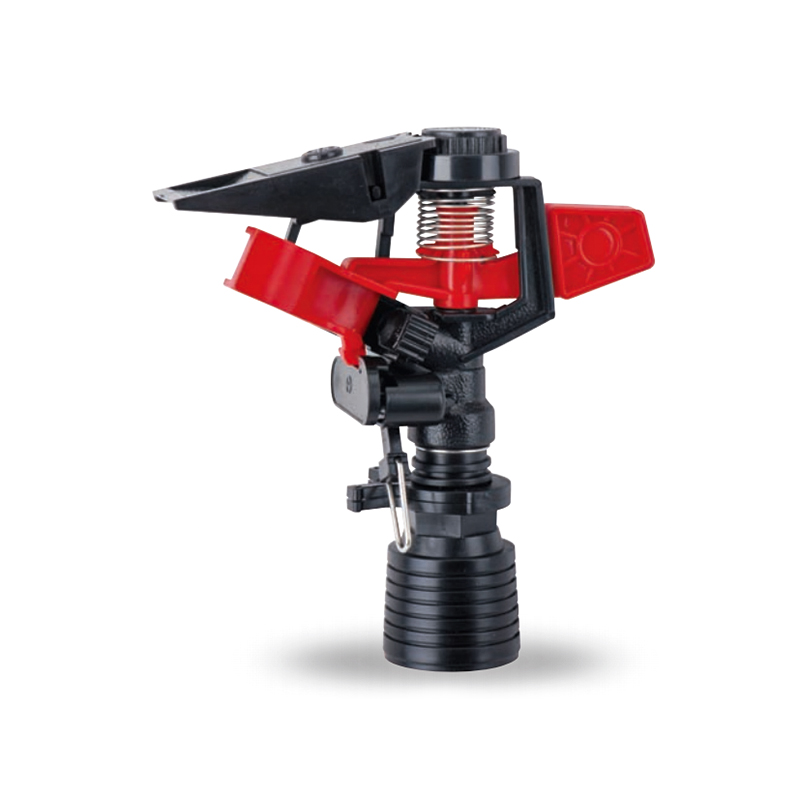
This 360 degree adjustable rocker arm nozzle impact sprinkler is an essential part of an irrigation system designed to meet a wide range of horticultural and agricultural needs. Its flexible adjustmen...
See Details -
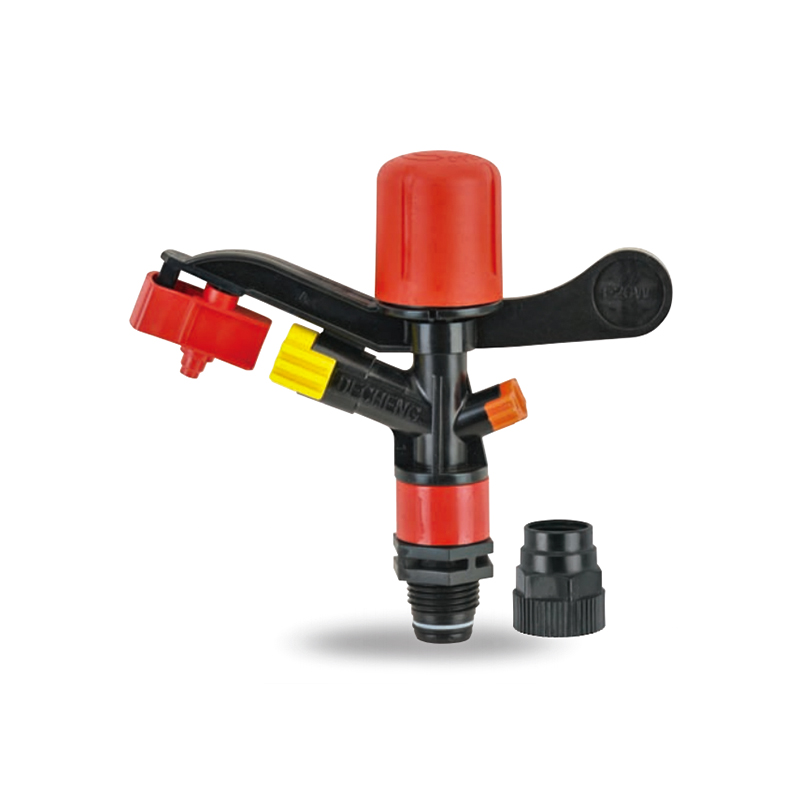
The Plastic Full-Circle Impact Sprinkler Sprayer is a highly efficient full-circle irrigation device designed to provide even moisture coverage. Its lightweight plastic material makes this sprinkler e...
See Details -
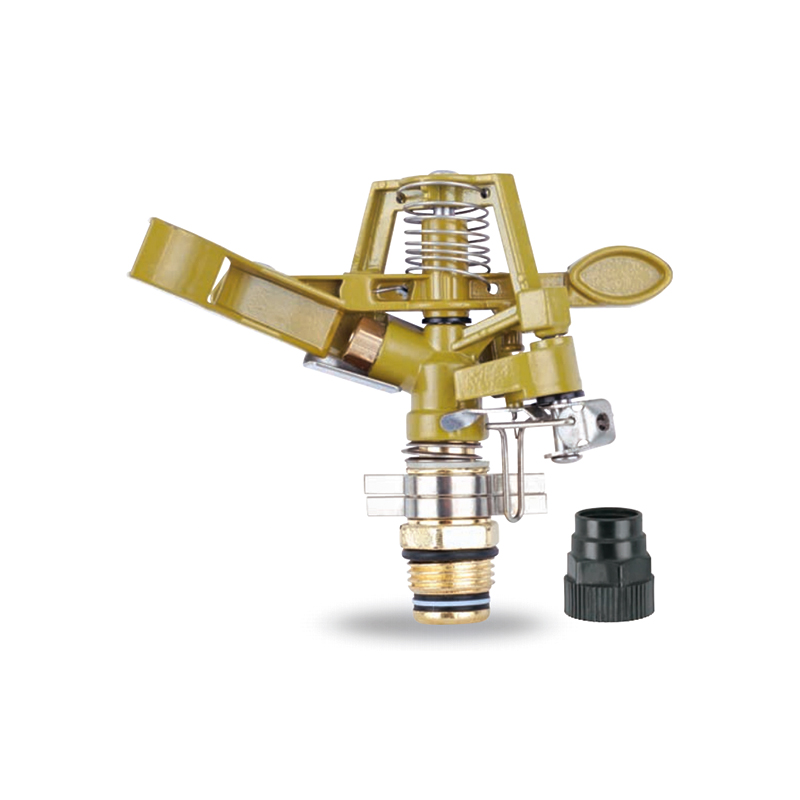
The Irrigation System Adjustable Head Mobile Rotary Zinc Sprinkler is an efficient rotary sprinkler designed for flexible irrigation needs. Its adjustable head allows the user to easily adjust the dir...
See Details -
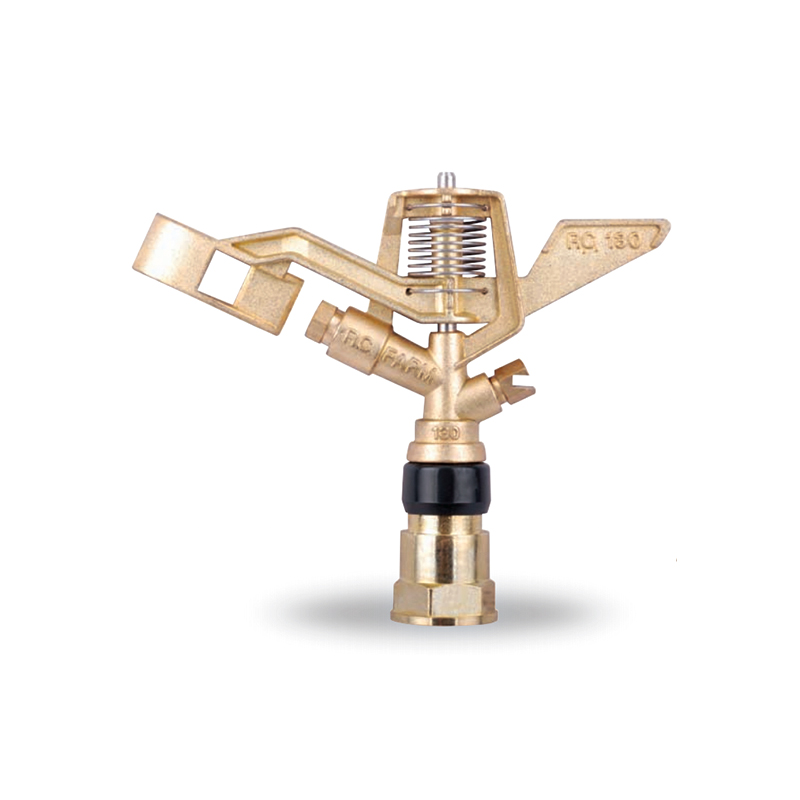
This 3/4” Zinc Alloy Swivel Arm Irrigation Watering System Impact Sprinkler is ideal for agricultural irrigation systems due to its superior durability and corrosion resistance. Its rugged constructio...
See Details -
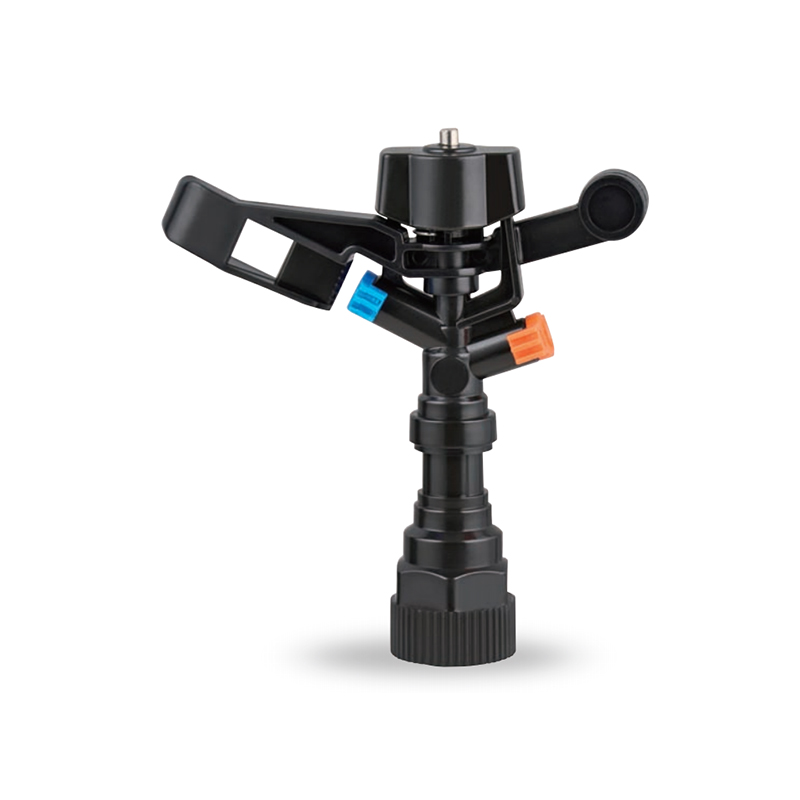
The Double nozzle garden farm impact full-circle sprinkler is well-designed to efficiently and evenly spray water, thus enhancing the quality of crop growth. Whether it's in the home garden or on a la...
See Details -
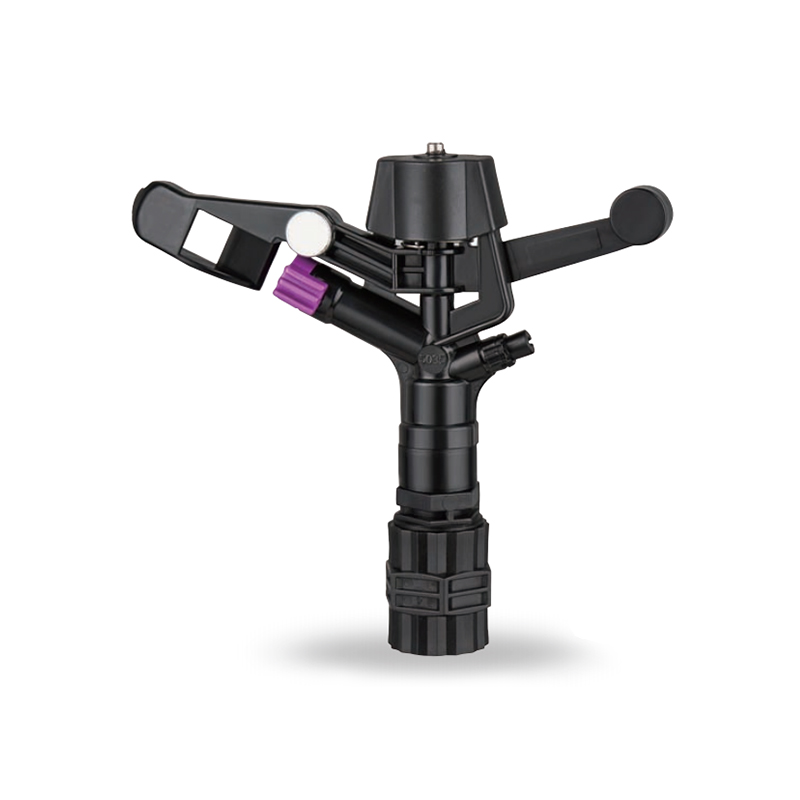
Double nozzle agricultural water plastic impact sprinkler for irrigation sprinkler combines practicality and durability with a dual nozzle system that provides extensive water coverage for a wide rang...
See Details -
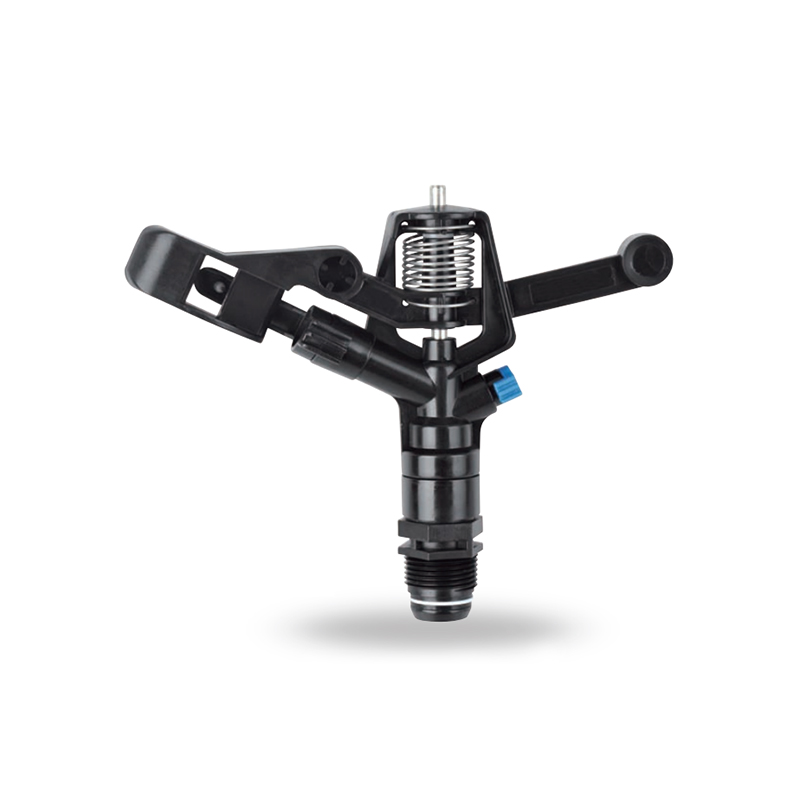
The POM agricultural irrigation sprinkler water impact sprinkler is known for its excellent abrasion resistance and durability, ensuring consistent performance over time. It is designed to increase wa...
See Details -
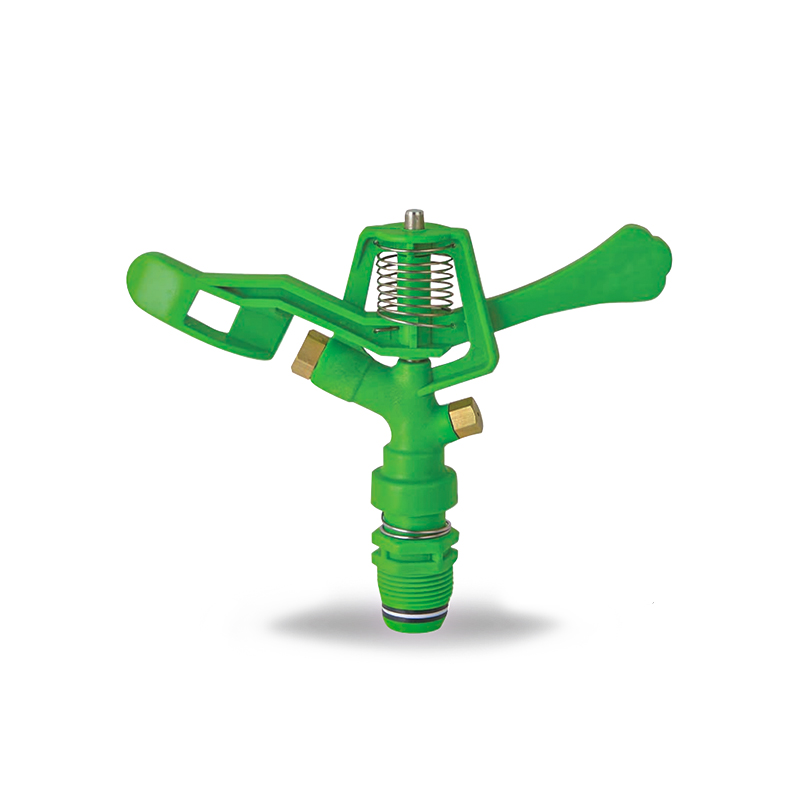
The POM Agricultural Irrigation Sprinkler with Metal Nozzles is a device designed for efficient irrigation, combining premium polyacetal (POM) material with durable metal nozzles to ensure superior sp...
See Details -
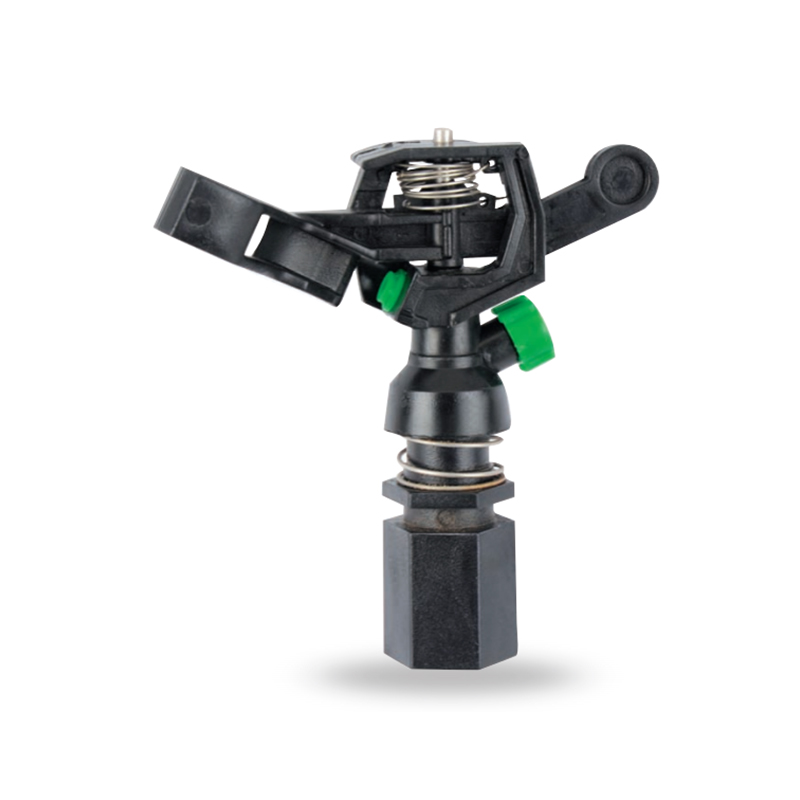
Watering irrigation system 3/4 inch nozzle field Impact Sprinkler is perfect for field irrigation and easily meets the water needs of large crops. Its powerful spray ensures that every nook and cranny...
See Details -
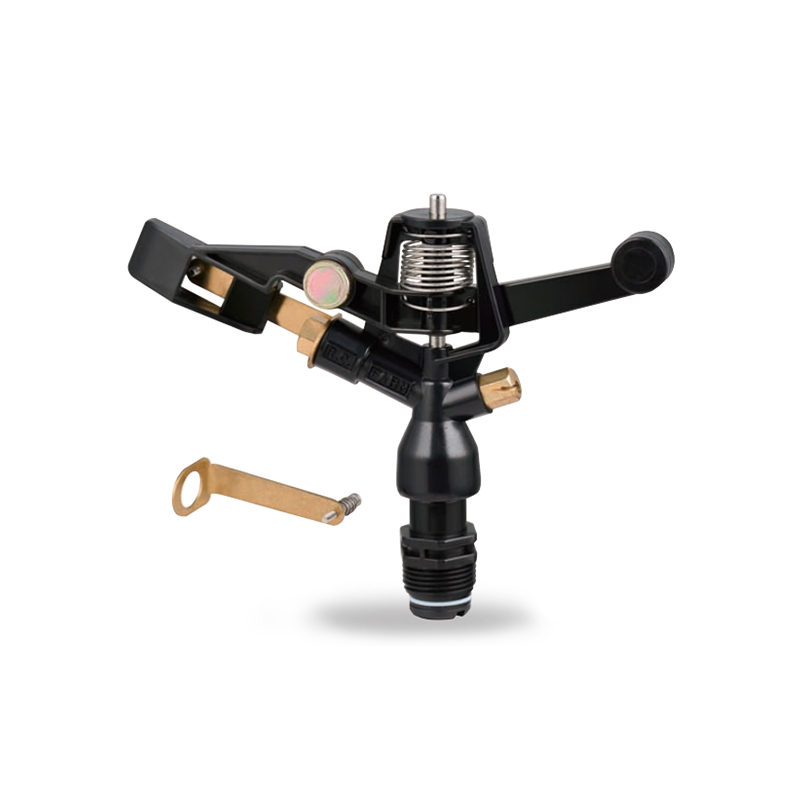
The POM Agricultural Irrigation Sprinkler with Brass Nozzles is an efficient and durable irrigation device designed to meet a wide range of agricultural needs. The sprinkler is made of polyacetal (POM...
See Details -
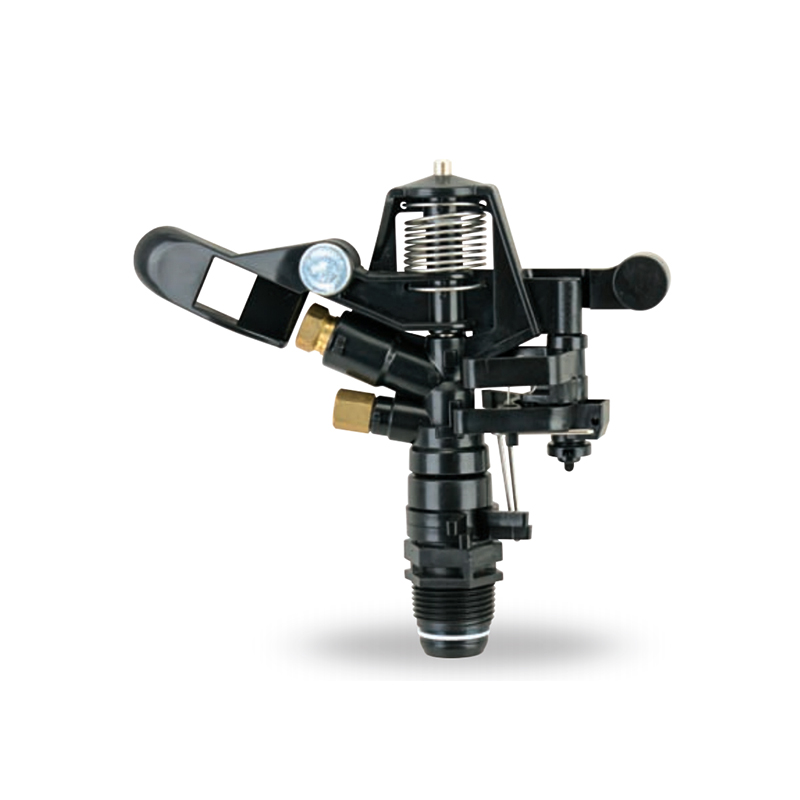
The Double Nozzle Garden Farm Impact Part-Circle Sprinkler is a highly efficient garden irrigation device designed for large planting areas. Its double nozzle design produces a strong, even stream of ...
See Details


PRODUCTS & SERVICES

CONTACT US
 No.518, Ruihao Road, Lizhou Street, Yuyao City, Zhejiang Province, China
 +86-13105554615 / +86-18005843886
 decheng@dcssq.com fredzhu@dcssq.com
 LISA
LISA
 Fred Zhu
Copyright © Ningbo Dewo Irrigation Equipment Co., Ltd. All Rights Reserved. China Agricultural Plastic Sprinkler Manufacturers Wholesale Irrigation Plastic Sprinkler Factory
