

 Search for...
 English
 Español
 中文简体
中文简体How Do You Do the Sprinkler? A Complete Step-by-Step Guide
Content
- 1 How Do You Do the Sprinkler? The Direct Answer First
- 2 Step-by-Step: How to Do the Sprinkler Dance Move
- 3 Common Mistakes That Kill the Vibe
- 4 Variations and Advanced Versions of the Sprinkler
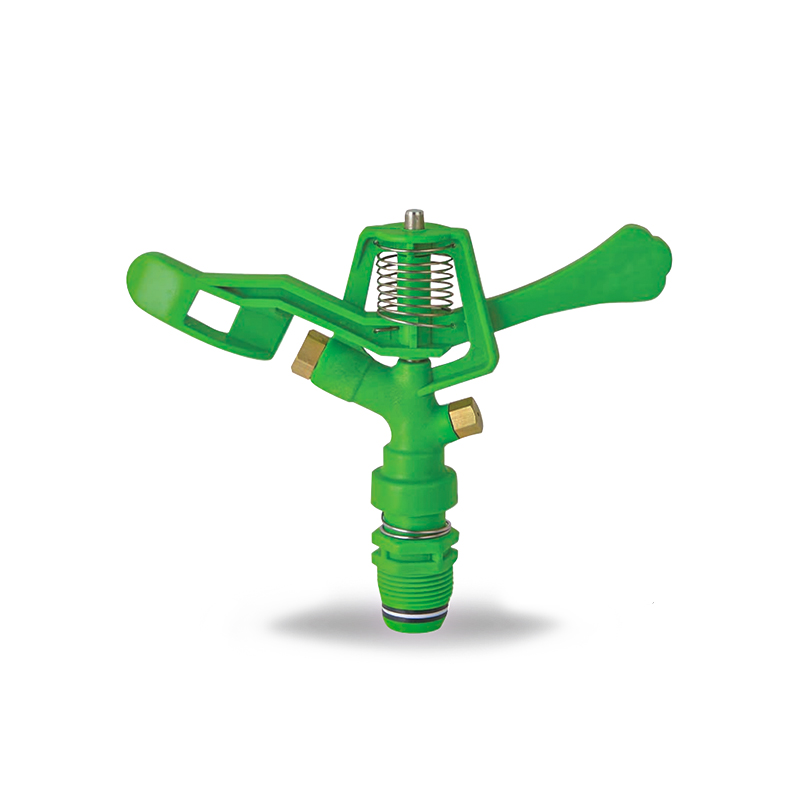
- 5 The Real Thing: How an Impact Sprinkler Actually Works
- 6 Impact Sprinkler Types and Choosing the Right One
- 7 Setting Up and Adjusting an Impact Sprinkler Correctly
- 8 Troubleshooting Common Impact Sprinkler Problems
- 9 How the Dance Move Got Its Name From the Sprinkler
- 10 Teaching the Sprinkler to Kids and Beginners
- 11 The Sprinkler in Context: Related Moves and Cultural Connections
How Do You Do the Sprinkler? The Direct Answer First
The sprinkler is one of those moves that looks effortless when someone else does it but feels oddly awkward the first time you try it yourself. Here is the core of it: you raise one arm straight out to the side at shoulder height, place the other hand behind your head with your elbow pointing out, and then rotate your extended arm in a slow, sweeping arc — mimicking the rotating motion of a lawn sprinkler head. At the same time, your hips and body shift slightly in rhythm with the arm movement. That is the foundation.
Whether you are doing the sprinkler as a dance move at a wedding, a party, or just messing around, or whether you are trying to understand how an impact sprinkler works in your garden, both share the same mechanical logic — a rotating, sweeping arc that covers ground efficiently. This article covers both in full detail.
Step-by-Step: How to Do the Sprinkler Dance Move
The sprinkler became a staple of 1990s pop culture and has never really left. It shows up at graduations, family reunions, school dances, and ironically at music festivals. Learning it properly takes about five minutes, but doing it with real confidence and rhythm takes a bit more practice.
Starting Position
Stand with your feet roughly shoulder-width apart. Keep your knees very slightly bent — not a deep squat, just enough to unlock them. Your weight should be balanced evenly across both feet. This gives you a stable base and allows your upper body to move freely without toppling over.
The Arm Setup
Raise one arm — let's say your right arm — straight out to the side so it is parallel to the floor. Make a loose fist or keep your hand relaxed. Now take your left hand and place it at the back of your head, with your left elbow flaring outward. This asymmetrical arm position is the visual signature of the move. The contrast between the extended arm and the bent arm at the head is what makes it instantly recognizable.
The Rotation
Now rotate your extended right arm in a slow, smooth arc — sweeping it forward and then back, as if your shoulder is the pivot point of a sprinkler head. The movement should be fluid and deliberate, not jerky. Think of the arm moving like the hand of a clock, but only covering about a 90 to 180 degree range before sweeping back. Most people do a forward sweep followed by a pause, then repeat. This mimics the stuttered, rhythmic spray of a real rotary sprinkler.
Adding the Body Movement
Your hips and torso should follow the arm slightly. As the arm sweeps forward, let your body lean very slightly into it. As it sweeps back, your hips can counter-rotate gently. Keep your head upright and look forward. Adding a subtle weight shift from foot to foot on the beat ties the whole thing together and makes it look like a real dance rather than a robot demonstration.
Timing It to Music
The sprinkler works best at a moderate tempo — somewhere around 100 to 130 BPM. Classic choices include "Cotton Eye Joe" by Rednex, "Jump Around" by House of Pain, or any upbeat pop or hip-hop track from the 90s. Try matching the arm sweep to every two beats rather than every single beat. That gives the move the slow, sweeping quality it needs to read clearly across a dance floor.
Common Mistakes That Kill the Vibe
Most people who struggle with the sprinkler are making one of a handful of consistent errors. Here is what to watch out for:
- Moving the arm too fast — the sweep should be slow and deliberate, not a windmill
- Keeping the body completely stiff — the whole torso should participate, even subtly
- Forgetting the hand-behind-the-head arm — without it, the move loses its signature silhouette
- Not smiling or committing — the sprinkler is a fun move, and hesitancy makes it look awkward
- Doing it off-beat — even a great physical execution falls flat if the timing is off
The single most common issue is rushing the arm rotation. In real life, an impact sprinkler sweeps slowly and deliberately across its arc — sometimes taking five to ten seconds to complete one rotation. The dance move should carry that same unhurried quality.
Variations and Advanced Versions of the Sprinkler
Once you have the basic move down, there are several ways to expand it or make it your own.
The Double Sprinkler
Instead of one arm extended and one behind the head, try extending both arms at shoulder height and rotating them in opposite directions simultaneously. This is harder to coordinate but has a lot of visual impact. It looks like a full-rotation oscillating sprinkler rather than an impact sprinkler, which is a fun variation.
The Walking Sprinkler
Do the standard arm motion while slowly stepping sideways. Each step happens on the beat, and the arm sweep continues in parallel. Moving across the floor while doing the sprinkler gives it a lot more presence in a group setting and makes it look much more confident.
The Slow-Mo Sprinkler
Slow everything down dramatically — as if the music has been cut in half. The body leans more exaggerated, the arm sweeps over four beats instead of two, and the facial expression becomes deadpan. This version is comedic and works brilliantly in group settings when everyone suddenly drops into slow motion together.
Switching Arms Mid-Move
Alternate which arm is extended and which is behind your head every four beats. This requires a clean transition — both arms pass through a neutral position for one beat before resetting. When done smoothly, it looks polished and deliberate rather than like you forgot which arm was which.
The Real Thing: How an Impact Sprinkler Actually Works
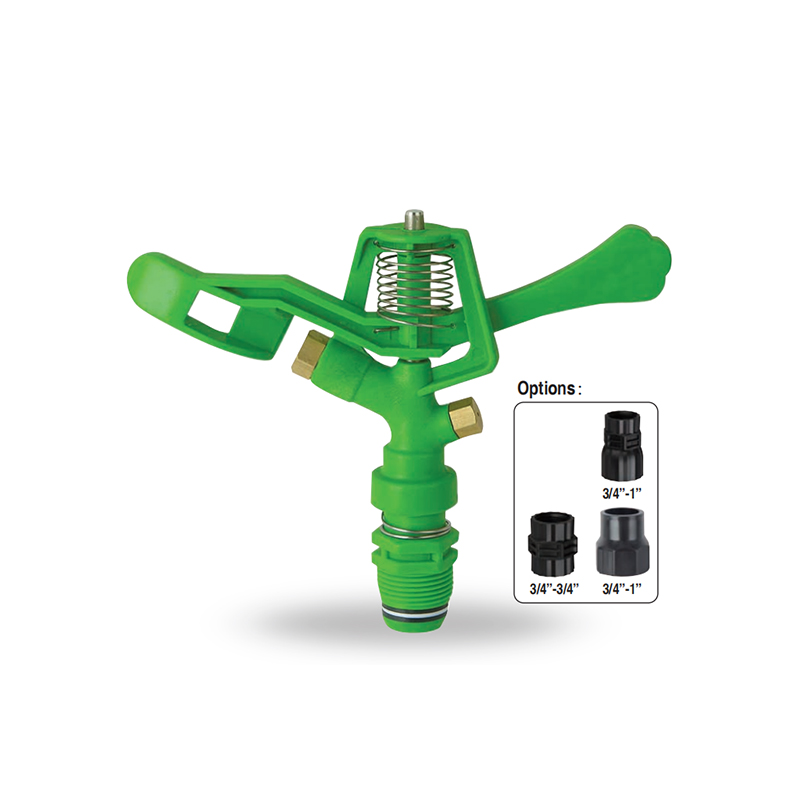
The dance move gets its name from a very specific piece of irrigation equipment. An impact sprinkler — also called a rotary sprinkler or impulse sprinkler — is one of the oldest and most reliable irrigation tools in both residential and agricultural use. Understanding how it works helps explain not just the name of the dance move, but also why this type of sprinkler remains so popular after more than 70 years on the market.
The Mechanism Behind the Motion
An impact sprinkler works through a deceptively simple mechanical system. Water enters the sprinkler head under pressure and exits through a nozzle as a strong, directed jet. A spring-loaded hammer arm sits adjacent to the nozzle. As the water jet exits, it deflects off a curved deflector attached to the hammer arm, pushing the arm out of the way. The spring then pulls the hammer arm back, and it strikes the sprinkler body — hence the word "impact" — causing the entire head to rotate slightly. This cycle repeats dozens of times per minute, each impact nudging the head a few degrees around its arc.
A typical impact sprinkler completes one full 360-degree rotation in roughly 30 to 60 seconds, depending on water pressure and the spring tension setting. The characteristic clicking sound you hear from a lawn sprinkler is exactly this — the hammer striking the body on each cycle.
Coverage Range and Adjustability
Impact sprinklers are highly adjustable. Most models allow you to set the arc from a narrow 30-degree sector all the way to a full 360-degree circle. You can also adjust the radius of throw by changing the nozzle size or the water pressure — most residential impact sprinklers cover a radius of between 20 and 45 feet (6 to 14 meters). Agricultural-grade impact sprinklers can throw water up to 100 feet (30 meters) or more.
Why Impact Sprinklers Are Still Widely Used
Pop-up spray sprinklers and drip systems have taken market share in recent decades, but impact sprinklers remain popular for good reasons. They handle debris and dirty water far better than pop-up systems, which clog easily. They operate effectively across a wide range of water pressures — typically anything from 25 to 100 PSI. They are mechanically simple and extremely durable; a well-maintained impact sprinkler can last 20 years or more. They are also easy to repair in the field without special tools.
For large lawn areas, pastures, sports fields, and orchards, an impact sprinkler on a tall riser stake remains one of the most cost-effective irrigation methods available. A basic brass impact sprinkler costs as little as $8 to $15, while professional-grade units range from $30 to $80.
Impact Sprinkler Types and Choosing the Right One
Not all impact sprinklers are the same. The differences between models matter depending on what you are irrigating and how your water system is configured.
| Type | Best Use | Throw Radius | Typical Cost | Key Feature |
|---|---|---|---|---|
| Plastic Impact Sprinkler | Home lawns, gardens | 20–35 ft | $8–$20 | Lightweight, affordable |
| Brass Impact Sprinkler | Home lawns, light commercial | 25–45 ft | $15–$40 | Durable, corrosion-resistant |
| Agricultural Impact Sprinkler | Large fields, orchards, pastures | 40–100+ ft | $30–$80 | High pressure rated, high volume |
| Tripod-Mount Impact Sprinkler | Portable coverage, events, construction | 30–60 ft | $25–$70 | Height-adjustable, portable |
Plastic vs Brass: Which Matters More
For most homeowners, a plastic impact sprinkler is perfectly adequate. Modern UV-resistant polymers hold up well under sun exposure, and plastic units can last a decade with normal care. Brass units cost more but are the better choice if you are using well water that contains sediment or minerals, if you run the system at higher pressures above 60 PSI, or if you simply want hardware that will still be functional in 20 years. The internal mechanism — spring, hammer, and deflector — wears at roughly the same rate in both materials, so the body material mainly affects resistance to external weathering and impact damage.
Setting Up and Adjusting an Impact Sprinkler Correctly
Buying the right impact sprinkler is only half the job. Setting it up correctly determines whether your lawn or field gets even coverage or ends up with dry strips and overwatered patches.
Mounting Height
Impact sprinklers mounted on a stake should sit high enough that the spray arc clears any tall grass or ground cover. For a typical lawn, mounting the head 12 to 18 inches above the ground is sufficient. For tall crops or dense vegetation, you may need a riser of 24 to 36 inches. Too low and the spray hits the vegetation instead of passing over it; too high and you lose throw distance to wind deflection.
Setting the Arc
Most impact sprinklers have two trip collars — small metal tabs that circle the sprinkler head. These collars stop the rotation at the beginning and end of your desired arc. Slide them to set the sector you want covered. For a full circle coverage, remove or fully open both collars. For a half-circle along a fence line, set them 180 degrees apart. Getting this right prevents water waste and keeps spray off sidewalks, driveways, and structures.
Adjusting Throw Distance
The throw distance of an impact sprinkler is primarily controlled by water pressure and the deflector tab angle. Most models include a small metal or plastic deflector that can be angled more steeply into the water stream to break it up and reduce throw distance, or angled away to maximize range. For a rectangular lawn where the long dimension is 40 feet but the short dimension is only 20 feet, you would run the sprinkler at full range on two sides and reduce it on the other two — this prevents overspray beyond the lawn boundary.
Spacing Multiple Sprinklers
When covering a large area with multiple impact sprinklers, a general rule of thumb is to space them at 50 to 60 percent of the throw diameter, not the radius. For a sprinkler with a 40-foot throw radius (80-foot diameter), place units 40 to 48 feet apart. This creates head-to-head coverage, where the spray from each unit just reaches the neighboring units — resulting in even distribution across the entire area without dry corridors between heads.
Troubleshooting Common Impact Sprinkler Problems
Even a well-built impact sprinkler can develop problems over time, particularly in areas with hard water or seasonal freeze-thaw cycles. Most issues are straightforward to diagnose and fix without professional help.
Sprinkler Stops Rotating
The most common cause is mineral scale buildup on the bearing surface or in the nozzle, which increases friction and eventually stops rotation entirely. Disassemble the head, soak the parts in white vinegar for 30 minutes to dissolve calcium deposits, rinse thoroughly, and reassemble. If the spring on the hammer arm has lost tension, replacing it — a $2 to $5 part — usually restores function immediately.
Uneven Spray Pattern
If the water stream looks irregular or broken, the nozzle is likely partially clogged with debris. Remove the nozzle — it typically unscrews or clips off — and rinse it backward with clean water. For stubborn clogs, a nozzle cleaning tool or even a toothpick works well. Never use a drill bit or metal object that could enlarge the nozzle orifice, as even a 0.5mm increase in nozzle diameter significantly changes throw distance and flow rate.
Sprinkler Only Rotates in One Direction
Impact sprinklers rotate in one direction during the forward sweep and then the hammer brings them back slightly — they always net-rotate in one direction. If your unit appears to be spinning continuously in one direction without any back-checking motion, the hammer arm spring is broken or the trip collars are set incorrectly. Check that the collars are actually set and that the hammer arm can engage them. If the spring is broken, replace the entire hammer arm assembly rather than trying to source just the spring.
Water Pooling Under the Sprinkler
Pooling directly under the sprinkler head rather than at the intended spray radius usually means the deflector tab angle is too steep, sending most of the water straight down. Adjust the deflector angle so it intercepts less of the stream. It can also indicate that water pressure is too low — below 20 PSI for most impact sprinklers — in which case the jet lacks the force to carry water to its rated distance.
How the Dance Move Got Its Name From the Sprinkler
The naming connection between the dance and the irrigation equipment is pretty direct. The impact sprinkler became a common fixture of American suburban life from the 1950s onward. By the 1970s and 1980s, the sight and sound of a rotating impact sprinkler on a lawn was so culturally embedded that people started mimicking it. The rotating arm, the rhythmic clicking sound it makes, and the slow sweep across the yard are all elements that translate surprisingly well into a dance movement.
The dance sprinkler gained particular visibility in the late 1980s and exploded into mainstream pop culture through the 1990s. It appears in countless wedding videos, school talent shows, and nostalgic clip compilations. The move is specifically associated with the impact sprinkler rather than the oscillating or pop-up varieties — because the impact sprinkler has that distinct, mechanical one-arm-sweeping action that maps directly onto the body's range of motion at the shoulder joint.
In recent years, the sprinkler has had several revival moments on social media platforms. Videos of people doing the sprinkler at unexpected moments — in grocery store aisles, at business meetings, on public transit — have generated millions of views. The joke only works because the reference is so widely understood. Nearly everyone over the age of 25 can recognize a sprinkler the moment they see the arm position, which speaks to how deeply the imagery of the actual impact sprinkler is embedded in collective memory.
Teaching the Sprinkler to Kids and Beginners
The sprinkler is an excellent starter move for kids and people who do not consider themselves dancers, precisely because it has clear, describable mechanics. Here is a method that works well for a group setting like a school dance or family party:
- Start with everyone standing still, feet apart, and demonstrate the arm position clearly — one arm out, one behind the head
- Have the group hold the static position for 10 seconds so everyone can feel how it should look
- Add the arm sweep slowly, counting out loud: sweep forward on "one, two," pause on "three, four," sweep back on "five, six," pause on "seven, eight"
- Once the arm motion is consistent, introduce a small side-to-side weight shift synchronized with the sweep
- Finally, play music and let them go — most people find that music helps the movement feel more natural almost immediately
Children between the ages of 5 and 12 tend to pick up the arm mechanics within two or three attempts. The challenge for this age group is usually the patience for the slow sweep — kids naturally want to spin the arm faster. Comparing it to a real lawn sprinkler — which they have seen and can describe — helps them understand why the motion should be slow and sweeping rather than fast and circular.
The Sprinkler in Context: Related Moves and Cultural Connections
The sprinkler belongs to a family of novelty dance moves that dominated the 1980s and 1990s — moves named after everyday objects or actions, designed to be accessible, funny, and instantly readable. The lawnmower, the shopping cart, the running man, and the cabbage patch all operate on the same principle: take a familiar physical action and translate it into a rhythmic body movement.
What distinguishes the sprinkler from most of its contemporaries is the precision of the reference. When someone does the lawnmower, it is a somewhat abstract mime. When someone does the sprinkler, the arm position is so specific — one arm lateral, one hand at the back of the head — that the reference is unmistakable. This specificity is borrowed directly from the mechanical geometry of an actual impact sprinkler.
The move also has surprising staying power compared to other novelty dances from the same era. The running man largely disappeared after the early 1990s. The Macarena has a clear expiration date. The sprinkler keeps showing up — at weddings, on TikTok, in advertising, in film — because it functions both as sincere dancing and as self-aware comedy. It sits in a sweet spot where you can do it genuinely or ironically, and both readings work.
There is also a physical accessibility component that keeps it relevant. Unlike moves that require significant flexibility, core strength, or rhythm, the sprinkler has a very low barrier to entry. Almost anyone with normal shoulder mobility can execute a recognizable sprinkler within a few tries. That accessibility — combined with the immediate humor of the reference — makes it a reliable crowd move that transcends age groups and dance skill levels.
Prev:How to Use a Hose Reel: Setup, Winding & Sprinkler TipsNext:How to Set Up a Hose Reel: Complete Step-by-Step Guide
Related products
-
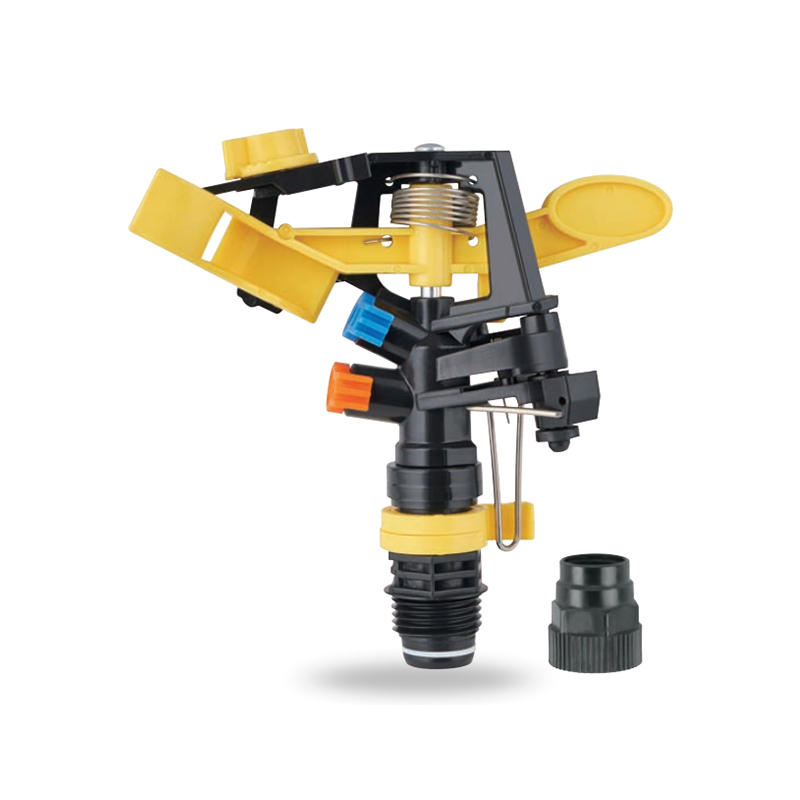
Impact sprinkler for agricultural irrigation is a common and efficient agricultural irrigation tool designed for large areas of farmland. Its unique structure can evenly cover a large area by rotating...
See Details -
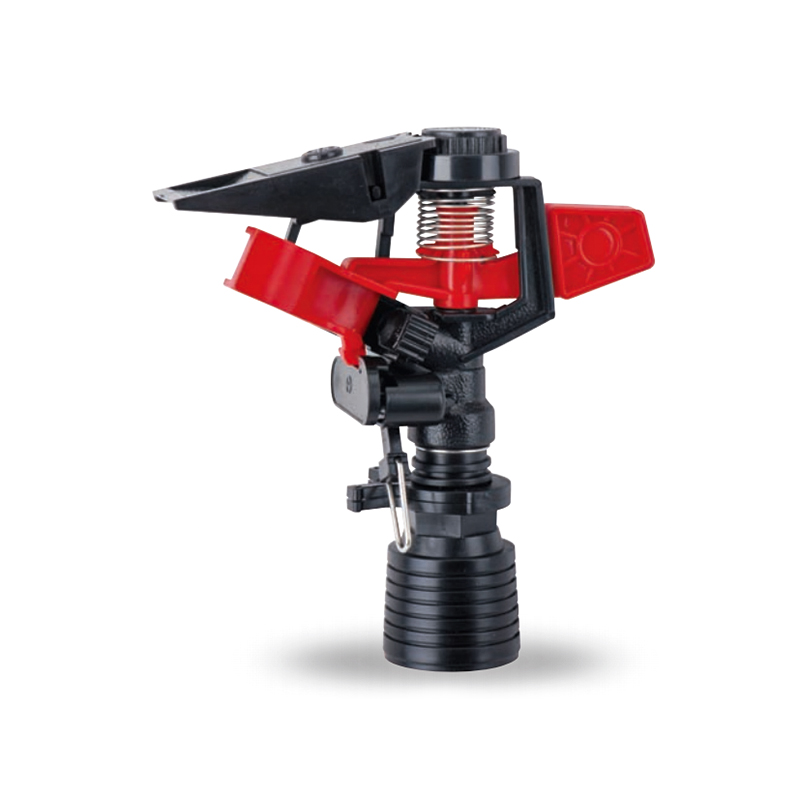
This 360 degree adjustable rocker arm nozzle impact sprinkler is an essential part of an irrigation system designed to meet a wide range of horticultural and agricultural needs. Its flexible adjustmen...
See Details -
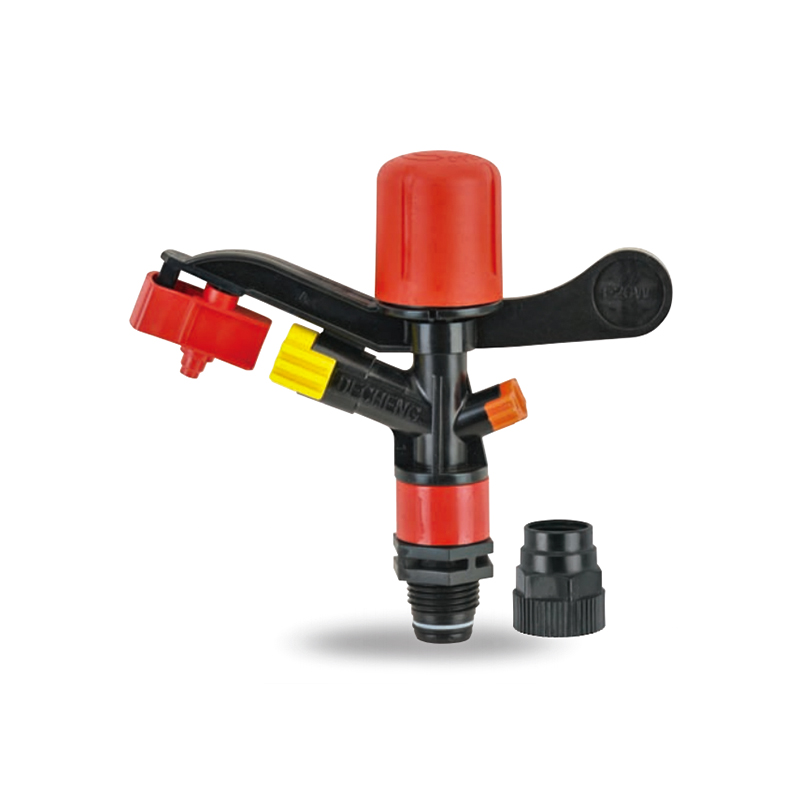
The Plastic Full-Circle Impact Sprinkler Sprayer is a highly efficient full-circle irrigation device designed to provide even moisture coverage. Its lightweight plastic material makes this sprinkler e...
See Details -
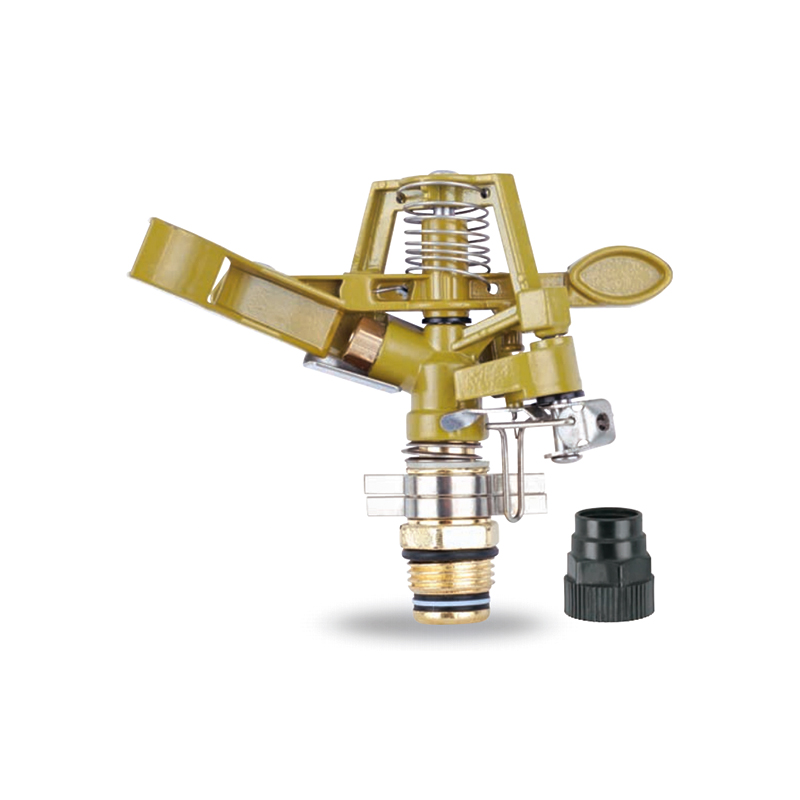
The Irrigation System Adjustable Head Mobile Rotary Zinc Sprinkler is an efficient rotary sprinkler designed for flexible irrigation needs. Its adjustable head allows the user to easily adjust the dir...
See Details -
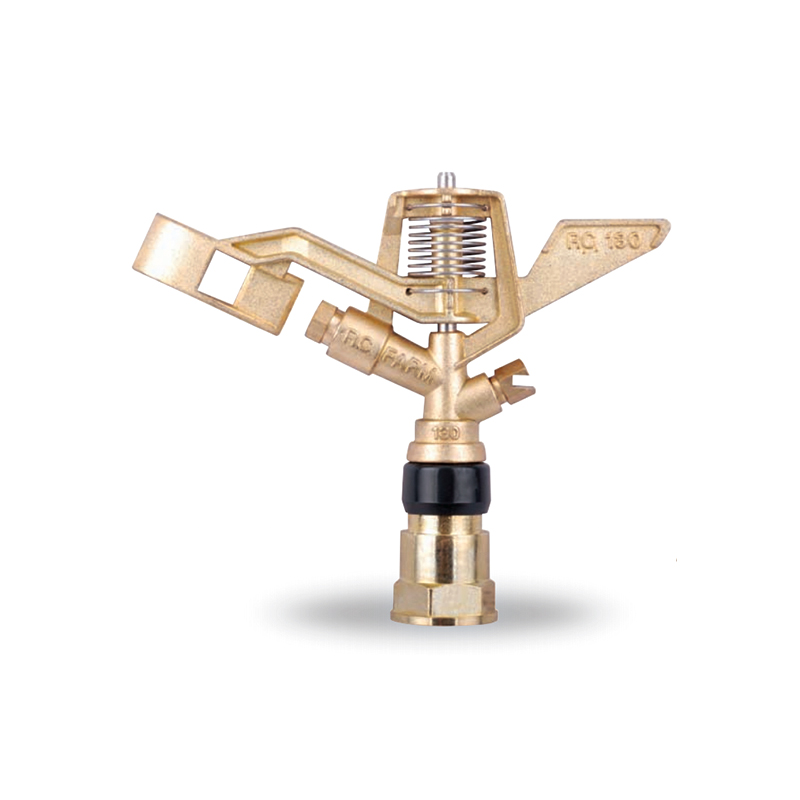
This 3/4” Zinc Alloy Swivel Arm Irrigation Watering System Impact Sprinkler is ideal for agricultural irrigation systems due to its superior durability and corrosion resistance. Its rugged constructio...
See Details -
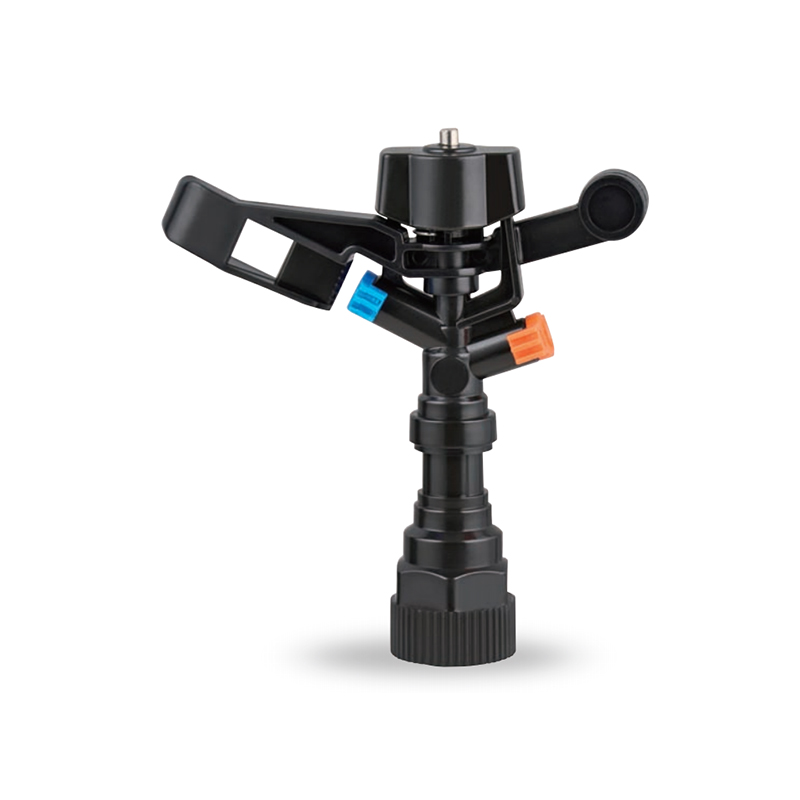
The Double nozzle garden farm impact full-circle sprinkler is well-designed to efficiently and evenly spray water, thus enhancing the quality of crop growth. Whether it's in the home garden or on a la...
See Details -
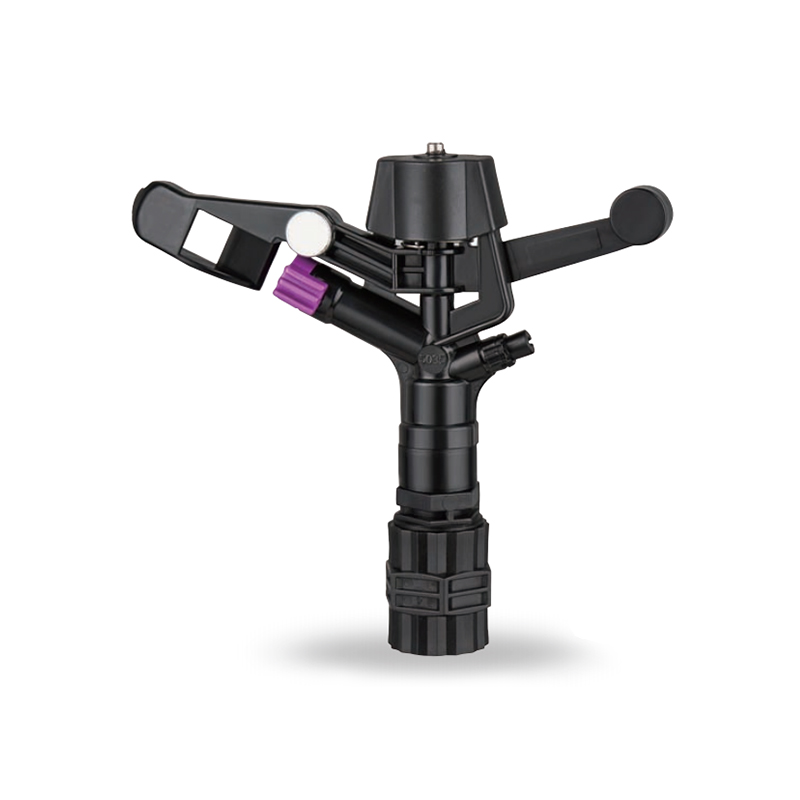
Double nozzle agricultural water plastic impact sprinkler for irrigation sprinkler combines practicality and durability with a dual nozzle system that provides extensive water coverage for a wide rang...
See Details -
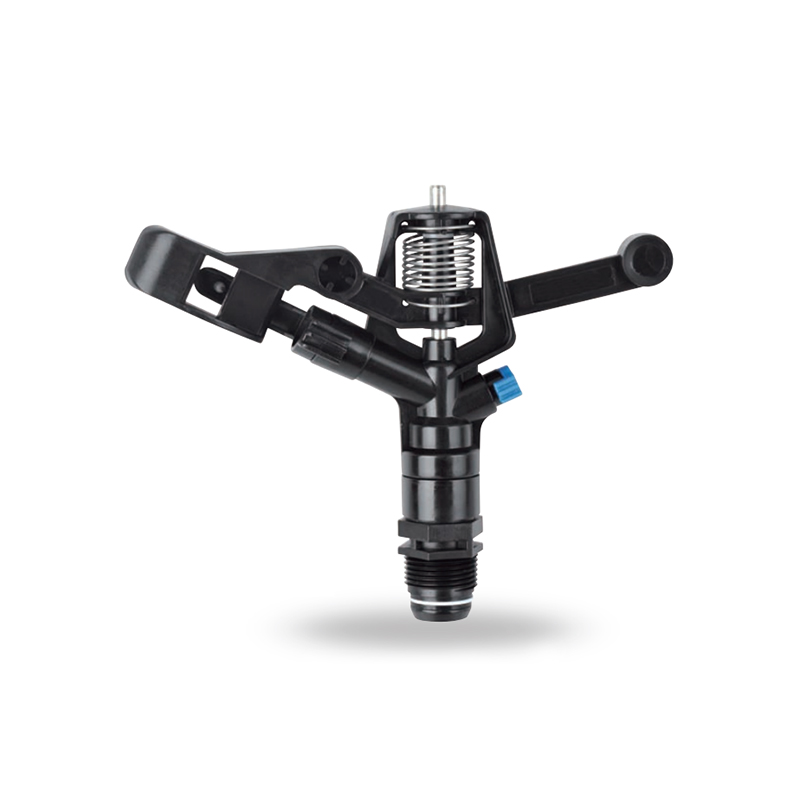
The POM agricultural irrigation sprinkler water impact sprinkler is known for its excellent abrasion resistance and durability, ensuring consistent performance over time. It is designed to increase wa...
See Details -
The POM Agricultural Irrigation Sprinkler with Metal Nozzles is a device designed for efficient irrigation, combining premium polyacetal (POM) material with durable metal nozzles to ensure superior sp...
See Details -
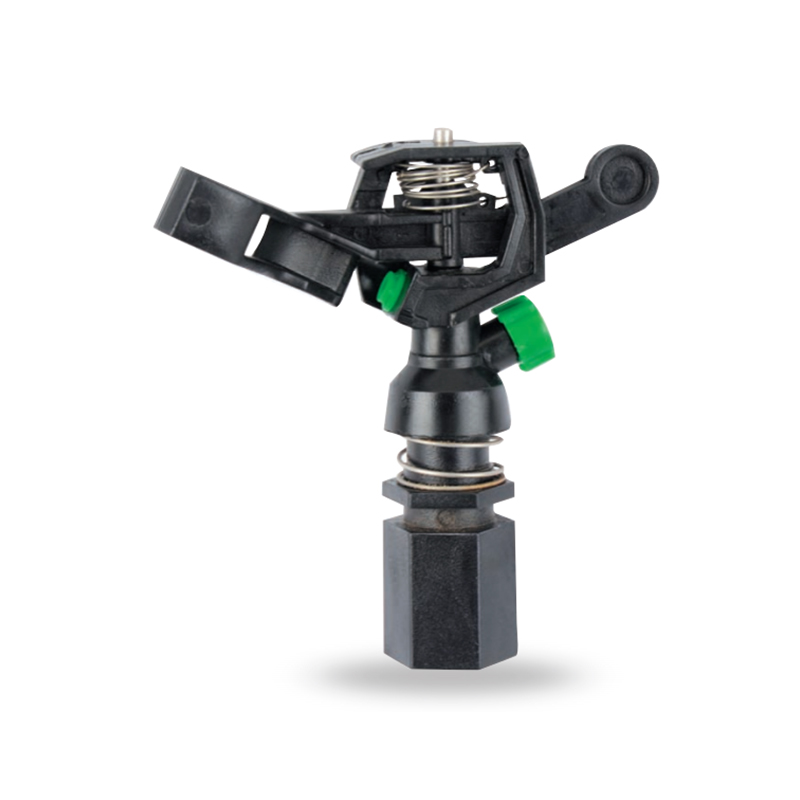
Watering irrigation system 3/4 inch nozzle field Impact Sprinkler is perfect for field irrigation and easily meets the water needs of large crops. Its powerful spray ensures that every nook and cranny...
See Details -
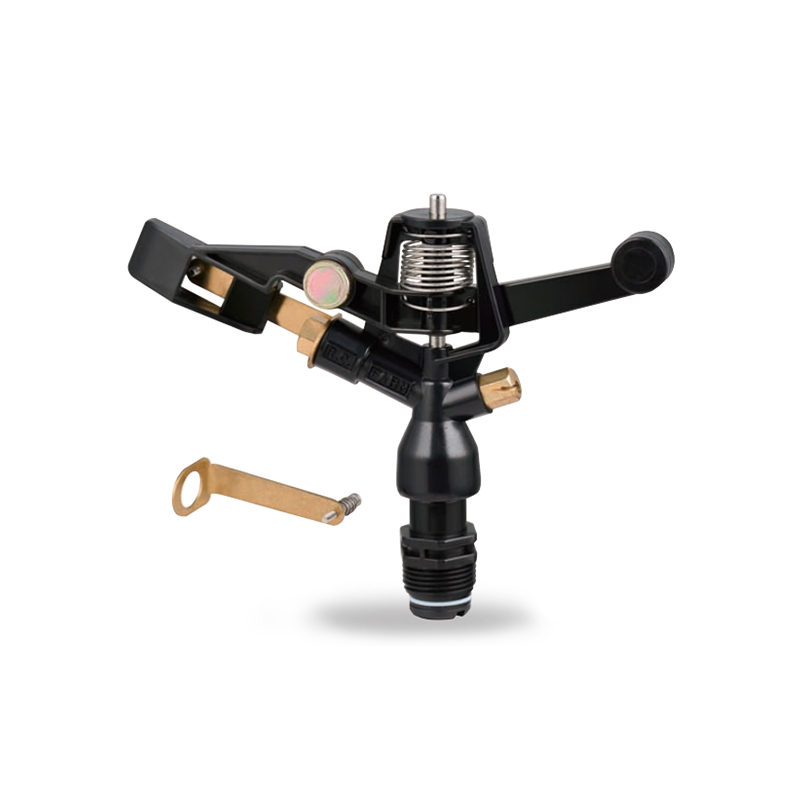
The POM Agricultural Irrigation Sprinkler with Brass Nozzles is an efficient and durable irrigation device designed to meet a wide range of agricultural needs. The sprinkler is made of polyacetal (POM...
See Details -
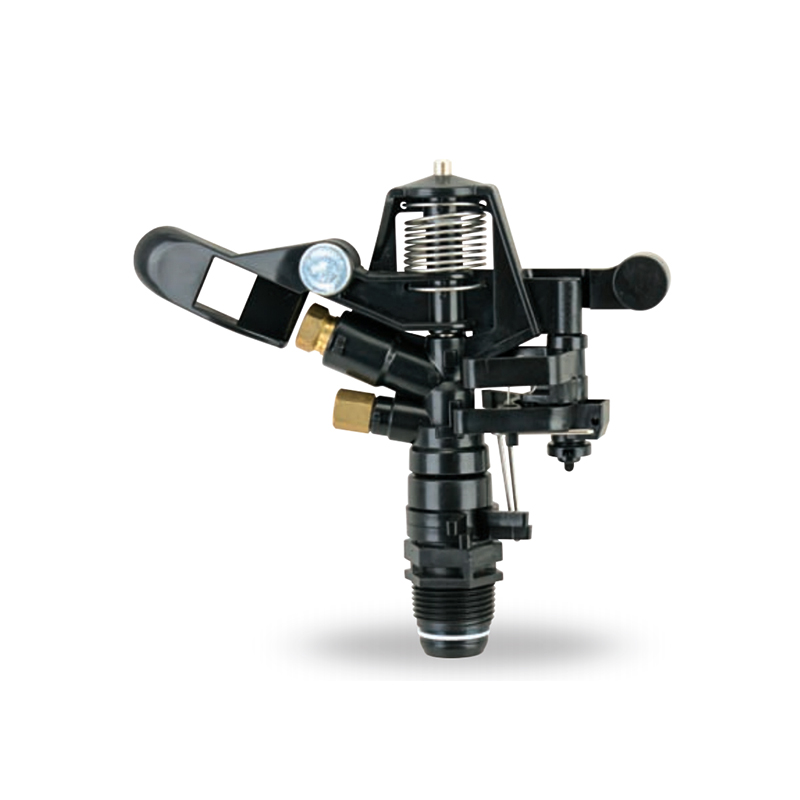
The Double Nozzle Garden Farm Impact Part-Circle Sprinkler is a highly efficient garden irrigation device designed for large planting areas. Its double nozzle design produces a strong, even stream of ...
See Details


PRODUCTS & SERVICES

CONTACT US
 No.518, Ruihao Road, Lizhou Street, Yuyao City, Zhejiang Province, China
 +86-13105554615 / +86-18005843886
 decheng@dcssq.com fredzhu@dcssq.com
 LISA
LISA
 Fred Zhu
Copyright © Ningbo Dewo Irrigation Equipment Co., Ltd. All Rights Reserved. China Agricultural Plastic Sprinkler Manufacturers Wholesale Irrigation Plastic Sprinkler Factory
