

 Search for...
 English
 Español
 中文简体
中文简体How Long to Run Oscillating Sprinkler for a Healthy Lawn?
Content
- 1 The Direct Answer: How Long to Run Oscillating Sprinkler
- 2 Oscillating Sprinkler vs. Impact Sprinkler: Key Differences That Affect Runtime
- 3 How Soil Type Changes Everything About Watering Time
- 4 Seasonal Adjustments to Sprinkler Runtime
- 5 Water Pressure and Its Direct Impact on Runtime
- 6 Grass Type and How It Determines Your Watering Schedule
- 7 Signs You're Running Your Sprinkler Too Long or Not Long Enough
- 8 The Best Time of Day to Run Your Sprinkler
- 9 Practical Setup Tips for Maximizing Oscillating Sprinkler Efficiency
- 10 When to Consider Switching from Oscillating to Impact Sprinkler Coverage
- 11 Calculating Your Exact Runtime: A Step-by-Step Method
The Direct Answer: How Long to Run Oscillating Sprinkler
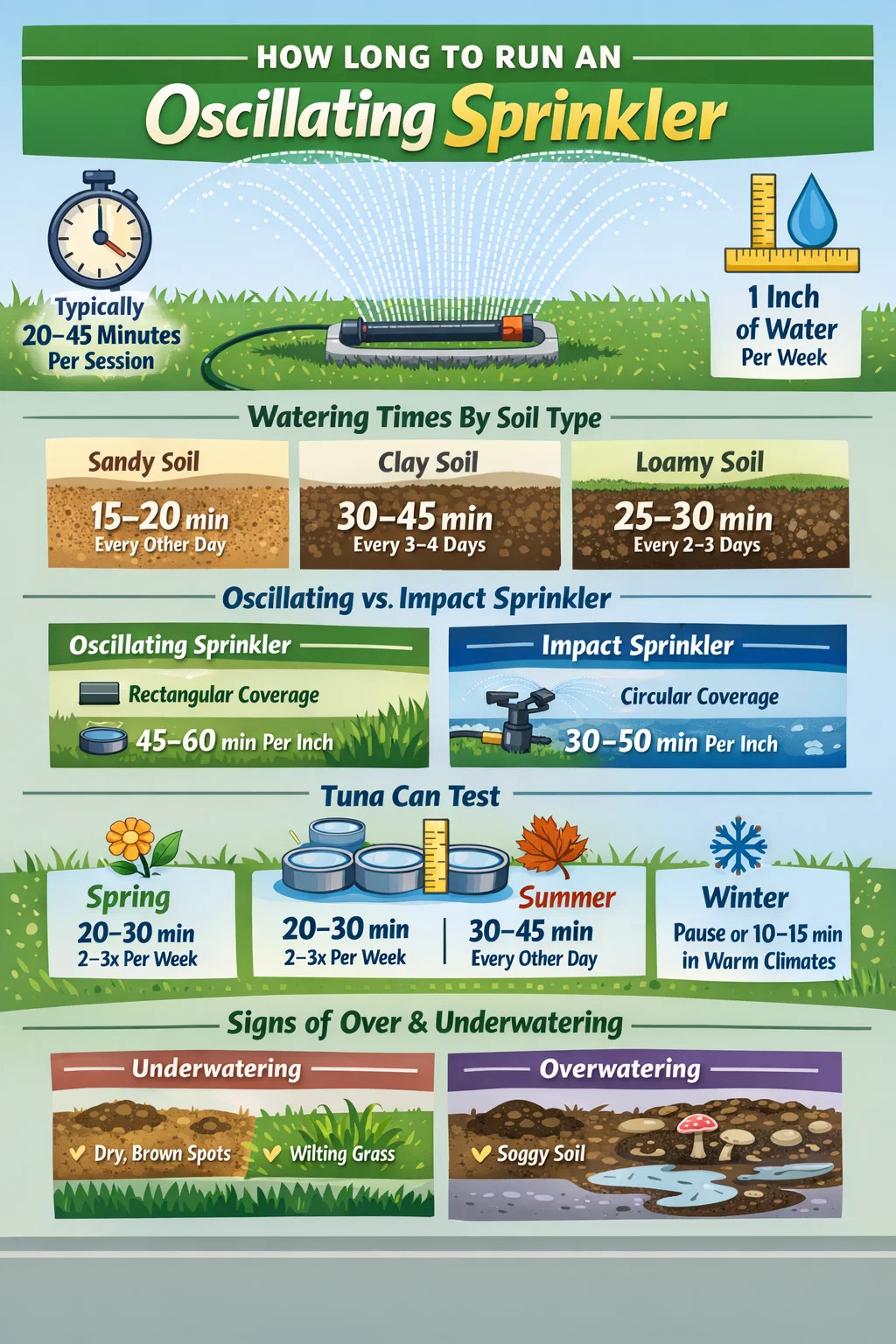
Most lawns need between 20 to 45 minutes of oscillating sprinkler runtime per session to receive the recommended 1 inch of water per week. However, that number shifts based on your soil type, local climate, time of year, and the specific sprinkler model you're using. A standard oscillating sprinkler covers roughly 2,000 to 4,000 square feet and delivers approximately 0.5 to 1.5 inches of water per hour depending on water pressure and nozzle design.
If you're watering sandy soil, you may need to water more frequently but for shorter sessions — around 15 to 20 minutes every other day. Clay-heavy soil absorbs water slowly, so longer sessions of 30 to 45 minutes every 3 to 4 days work better to prevent pooling and runoff. Loamy soil, considered the ideal lawn substrate, typically performs well with 25 to 30 minutes every 2 to 3 days during the growing season.
The simplest way to verify your own sprinkler's output is the tuna can test: place several empty tuna or cat food cans around your lawn, run the sprinkler for 30 minutes, then measure the water depth in each can. The average depth tells you exactly how much water you're applying per session, and you can adjust accordingly.
Oscillating Sprinkler vs. Impact Sprinkler: Key Differences That Affect Runtime
Before digging into runtime specifics, it's worth understanding how oscillating sprinklers differ from impact sprinklers and other sprinkler types — because each distributes water differently, which changes how long you need to run them.
An oscillating sprinkler sweeps back and forth across a rectangular area, making it ideal for flat, square, or rectangular lawns. It disperses water in a fan pattern at relatively low pressure. An impact sprinkler (also called a rotary or impulse sprinkler) uses a pulsating arm that strikes the water stream, creating that distinctive clicking sound. Impact sprinklers can throw water significantly farther — up to 100 feet in diameter in some models — and handle higher water pressure without misting.
Because an impact sprinkler rotates in a circular or adjustable arc, it distributes water more evenly across larger, irregular lawn shapes and is less prone to wind drift than the fine spray produced by oscillating models. This difference matters for runtime: an oscillating sprinkler covering a 3,000 square foot patch might need 30 minutes to deliver 0.5 inches of water, while an impact sprinkler covering the same area might do it in 20 to 25 minutes due to higher flow efficiency and less evaporation from fine droplets.
| Feature | Oscillating Sprinkler | Impact Sprinkler |
|---|---|---|
| Coverage Shape | Rectangular | Circular / Adjustable Arc |
| Typical Coverage Area | 2,000–4,000 sq ft | 5,000–15,000+ sq ft |
| Water Pressure Needed | 30–50 PSI | 40–70 PSI |
| Wind Sensitivity | High (fine mist) | Low (large droplets) |
| Best For | Small to medium flat lawns | Large or irregular areas |
| Estimated Runtime per Inch | 45–60 min | 30–50 min |
If your lawn is larger than 4,000 square feet or has an irregular shape, switching to an impact sprinkler or a rotary sprinkler head system will likely give you better water distribution with shorter, more efficient watering sessions.
How Soil Type Changes Everything About Watering Time
Soil type is arguably the single biggest factor in determining how long you should run any sprinkler. Water moves through different soils at drastically different rates, and ignoring this leads to either drought stress or waterlogged roots — both of which damage your lawn.
Sandy Soil
Sandy soil drains water quickly — often at a rate of 1 to 2 inches per hour. This means your oscillating sprinkler's output can barely keep pace with drainage in some cases. Rather than long, infrequent watering sessions, sandy soil responds better to shorter cycles of 10 to 20 minutes run 3 to 4 times per week. This approach keeps the root zone moist without water being wasted below the root level.
Clay Soil
Clay soil absorbs water at roughly 0.1 to 0.5 inches per hour — dramatically slower than other soil types. Running your sprinkler for 45 minutes straight on clay will almost always result in runoff before the water reaches grass roots. A better strategy is to use a "cycle and soak" method: run the sprinkler for 10 to 15 minutes, allow 30 to 60 minutes for the water to absorb, then run another 10 to 15 minute cycle. This achieves the same total water delivery without wasteful runoff.
Loamy Soil
Loam sits in the middle, absorbing water at approximately 0.5 to 1 inch per hour. This is the most forgiving soil type for sprinkler scheduling. A single 25 to 35 minute session every 2 to 3 days typically delivers adequate moisture to the root zone without puddling or drying out. Most lawn care guides assume loamy soil as a baseline, which is why the "1 inch per week" rule of thumb works reasonably well when the soil type isn't specified.
Seasonal Adjustments to Sprinkler Runtime
The amount of water your lawn needs changes substantially across the seasons, and so should your sprinkler schedule. Running your oscillating sprinkler on the same timer setting year-round is one of the most common lawn care mistakes.
- Spring (March–May): Grass is actively growing and temperatures are moderate. Evaporation rates are low. Most lawns need 0.5 to 1 inch per week, translating to about 20 to 30 minutes of oscillating sprinkler runtime, 2 to 3 times weekly.
- Summer (June–August): Peak evapotranspiration demands up to 2 inches of water per week in hot climates. You may need to run your sprinkler 30 to 45 minutes every other day. Watering during early morning (between 5 AM and 9 AM) is critical during summer — watering in the afternoon can result in up to 30% water loss due to evaporation before it reaches the soil.
- Fall (September–November): Growth slows and temperatures drop, reducing water demand. Scale back to 15 to 25 minutes, 1 to 2 times per week, tapering further as temperatures decline.
- Winter (December–February): In most cool-climate regions, natural precipitation covers lawn water needs and irrigation should be paused entirely. In warm climates such as southern Texas or Arizona, light watering of 10 to 15 minutes once per week may still be needed for warm-season grasses.
A smart sprinkler controller that integrates with local weather data can automatically adjust these runtimes, reducing water waste by an average of 30 to 50% compared to fixed-schedule timers, according to data from the EPA's WaterSense program.
Water Pressure and Its Direct Impact on Runtime
Your home's water pressure directly affects how much water your oscillating sprinkler delivers per minute, which in turn determines how long you need to run it. Most residential water systems operate between 40 and 80 PSI, but what reaches your garden hose bib depends on pipe size, distance from the main, and simultaneous household usage.
Oscillating sprinklers are designed to perform optimally at 30 to 50 PSI. At lower pressure, the tube doesn't complete its full sweep, leaving dry patches near the edges. At higher pressure, the water mists finely, becomes highly susceptible to wind drift, and doesn't penetrate soil as effectively as larger droplets. An impact sprinkler, by contrast, handles pressure variability much better due to its pulsating mechanism that regulates stream consistency.
If your water pressure is too high, adding a pressure regulator to your hose connection (available for $10 to $25 at hardware stores) can improve oscillating sprinkler performance noticeably and reduce overspray onto sidewalks or driveways. If your pressure is too low, consider upgrading to an impact sprinkler or a gear-driven rotary sprinkler head that operates efficiently at lower PSI.
To measure your own pressure, a simple pressure gauge that screws onto a hose bib costs less than $15 at any home improvement store. This single measurement can immediately explain why your coverage seems uneven or why you're seeing dry spots despite running your sprinkler for what should be enough time.
Grass Type and How It Determines Your Watering Schedule
Different grass species have meaningfully different water requirements, and using a one-size-fits-all runtime leads to either overwatering or underwatering your specific turf.
| Grass Type | Weekly Water Need | Drought Tolerance | Approx. Sprinkler Runtime/Week |
|---|---|---|---|
| Kentucky Bluegrass | 1.0–1.5 inches | Low | 60–90 min total |
| Bermuda Grass | 0.75–1.0 inches | High | 40–60 min total |
| Fescue (Tall or Fine) | 1.0–1.25 inches | Medium | 55–75 min total |
| Zoysia Grass | 0.5–1.0 inches | High | 30–55 min total |
| St. Augustine Grass | 1.0–1.5 inches | Medium | 60–90 min total |
| Ryegrass | 1.0–1.5 inches | Low | 60–90 min total |
Note that the runtimes in the table reflect total weekly runtime split across multiple sessions. For example, a Kentucky Bluegrass lawn needing 90 minutes of total coverage per week would be better served by three 30-minute sessions than a single 90-minute session, which would likely cause runoff before the water penetrates to root depth (typically 6 to 8 inches for established cool-season grasses).
Signs You're Running Your Sprinkler Too Long or Not Long Enough
Rather than guessing, your lawn will tell you when its water needs aren't being met — or when it's getting too much. Knowing how to read these signals eliminates the guesswork around runtime duration.
Signs of Underwatering
- Grass blades fold lengthwise (the plant conserving moisture by reducing exposed surface area)
- Footprints remain visible for more than 30 seconds after walking across the lawn — stressed grass lacks the turgor pressure to spring back
- A bluish-gray tint appears on the lawn surface before the grass turns fully brown
- The soil is dry deeper than 2 inches below surface (test with a screwdriver — if it won't push in easily, the soil needs water)
- Irregular dry patches that don't correspond to shaded areas appear across the lawn
Signs of Overwatering
- Spongy or mushy feel underfoot, especially a few hours after watering
- Frequent puddles or standing water that takes more than an hour to absorb after watering
- Fungal growth such as mushrooms, dollar spot, or brown patch disease — all thrive in consistently wet conditions
- Yellowing grass despite regular watering — oxygen-starved roots from waterlogged soil produce symptoms that look exactly like drought stress
- Increase in weeds, particularly crabgrass and nutsedge, which strongly prefer wet, compacted soil conditions
Overwatering is actually more damaging long-term than underwatering in most cases. Chronically overwatered lawns develop shallow root systems because roots have no incentive to grow deeper when surface moisture is always available. Shallow roots make the lawn far more vulnerable to drought stress during periods when you do need to cut back on watering.
The Best Time of Day to Run Your Sprinkler
Early morning, between 5 AM and 9 AM, is the universally recommended watering window for both oscillating and impact sprinklers. During this period, temperatures are low, wind is typically calm, and the sun is not yet strong enough to cause significant evaporation. Water applied in the early morning has several hours to soak into the soil before afternoon heat accelerates surface drying.
Evening watering — after 6 PM — is frequently recommended as a second-best option, but it carries a meaningful drawback: grass blades stay wet through the night, creating ideal conditions for fungal diseases. Dollar spot, leaf spot, and brown patch are all significantly more common in lawns that are regularly watered in the evening. If you water in the evening, try to do it early enough that grass blades have at least 2 hours to dry before full darkness.
Midday watering is the least efficient timing. Studies from university extension programs consistently show that afternoon watering, particularly between 11 AM and 3 PM, wastes 20 to 40% more water to evaporation compared to early morning application. Wind speeds also tend to peak in the afternoon, which is particularly problematic for oscillating sprinklers that produce fine droplets highly susceptible to drift. You'll end up watering your sidewalk more than your lawn.
If you're running an impact sprinkler, it is somewhat less affected by wind due to the larger water droplet size it produces, but the evaporation issue still applies. Regardless of sprinkler type, early morning scheduling is the most water-efficient choice available.
Practical Setup Tips for Maximizing Oscillating Sprinkler Efficiency
Getting the most out of your oscillating sprinkler isn't just about runtime — setup and placement decisions significantly affect how evenly water is distributed and how much is wasted.
Positioning for Even Coverage
Place your oscillating sprinkler in the center of the area you want to water. Most models cover a rectangular zone that extends roughly equally in all directions from the sprinkler position. Check the product specifications for exact coverage dimensions — a sprinkler rated for 3,600 square feet covers a pattern approximately 60 feet by 60 feet. Overlapping coverage zones by about 20% when using multiple sprinklers ensures no dry strips appear between sections.
Using a Timer
A simple hose-end timer eliminates the most common sprinkler mistake: forgetting the sprinkler is running. Basic mechanical timers cost $15 to $30 and allow you to set exact runtimes without standing outside watching the clock. More sophisticated WiFi-connected timers integrate with weather apps to automatically skip watering days when rain is forecast, which can save 10,000 to 30,000 gallons of water per household per year according to EPA estimates.
Cleaning Clogged Nozzles
A partially clogged nozzle on an oscillating sprinkler creates visible dry strips in the coverage pattern. If you notice the spray pattern is uneven, turn off the water and inspect each nozzle opening. Most blockages are mineral deposits from hard water and clear easily with a thin wire or by soaking the sprinkler tube in white vinegar for 30 minutes. Running with clogged nozzles wastes your time and water while underwatering specific sections of your lawn.
Adjusting the Width and Length Settings
Most modern oscillating sprinklers allow you to adjust both the sweep width and the end-stop positions to match the shape of your lawn. Spend 5 minutes calibrating these settings before each watering season. If water is hitting sidewalks, driveways, or fences, you're watering concrete instead of grass — adjust the sweep stops to eliminate this. Precise calibration often reduces runtime needs by 10 to 20% simply by ensuring every drop of water lands where it's actually needed.
When to Consider Switching from Oscillating to Impact Sprinkler Coverage
Oscillating sprinklers are excellent tools for the right scenario, but there are several situations where an impact sprinkler — or another sprinkler type — will serve your lawn significantly better and may actually reduce how long you need to water.
- Lawns larger than 4,000 square feet: An impact sprinkler's greater throw distance covers large areas with fewer repositioning stops, and the rotary pattern is more efficient for expansive spaces.
- Windy climates: If you live in an area with regular afternoon breezes, the fine mist from an oscillating sprinkler loses efficiency quickly. An impact sprinkler's heavier droplets resist wind drift substantially better.
- Irregular or circular lawn shapes: An oscillating sprinkler's rectangular coverage pattern is inherently inefficient on circular, L-shaped, or irregularly shaped lawns. An impact sprinkler with adjustable arc settings covers these shapes with much less overspray.
- High-pressure water supply: If your water pressure exceeds 60 PSI, an oscillating sprinkler may mist excessively. An impact sprinkler handles higher pressure without the efficiency losses.
- Sloped lawns: Impact sprinklers can be paired with low-angle trajectory settings that reduce runoff on slopes. Oscillating sprinklers' vertical spray angle makes slope watering less efficient.
A quality impact sprinkler from brands such as Orbit, Nelson, or Rain Bird typically costs $15 to $40 for a ground-stake model and can outlast multiple oscillating sprinklers due to the metal body construction common in this category. The investment pays off quickly in water savings and more consistent lawn coverage.
Calculating Your Exact Runtime: A Step-by-Step Method
Rather than relying on general guidelines, you can calculate a precise runtime for your specific setup using a straightforward process.
- Determine your weekly water target. For most cool-season grasses, this is 1 to 1.5 inches per week. For warm-season grasses, 0.5 to 1 inch per week is typically sufficient. Choose the midpoint of the range appropriate for your grass type and current season.
- Measure your sprinkler's output rate. Place 5 to 6 tuna cans or straight-sided containers around your coverage area and run the sprinkler for exactly 30 minutes. Measure the water depth in each can and calculate the average. Multiply by 2 to get your sprinkler's hourly output in inches.
- Calculate total weekly runtime. Divide your weekly water target by the hourly output. For example: target 1.0 inch ÷ 0.75 inches per hour output = 1.33 hours = approximately 80 minutes of total weekly runtime.
- Split into sessions. Divide the total weekly runtime into 2 to 4 sessions rather than one long session. Using the example above: 80 minutes ÷ 3 sessions = approximately 27 minutes per session, 3 times per week.
- Account for rainfall. Subtract any natural rainfall from your weekly target. A rain gauge (costs $5 to $15) placed in the yard gives you accurate measurements. If you receive 0.5 inches of rain, you only need to supplement with 0.5 inches via sprinkler that week — cutting your runtime roughly in half.
- Adjust based on visible lawn response. After 2 to 3 weeks, observe whether your lawn shows signs of stress in either direction and fine-tune your runtime by 10 to 15% increments as needed.
This method works equally well for oscillating and impact sprinklers — the only difference is that you'll likely find your impact sprinkler delivers more water per hour due to its higher flow rate, resulting in shorter calculated runtimes for equivalent water delivery.
Prev:How to Set Up a Hose Reel: Complete Step-by-Step GuideNext:How to Clean an Impact Sprinkler: Step-by-Step Guide
Related products
-
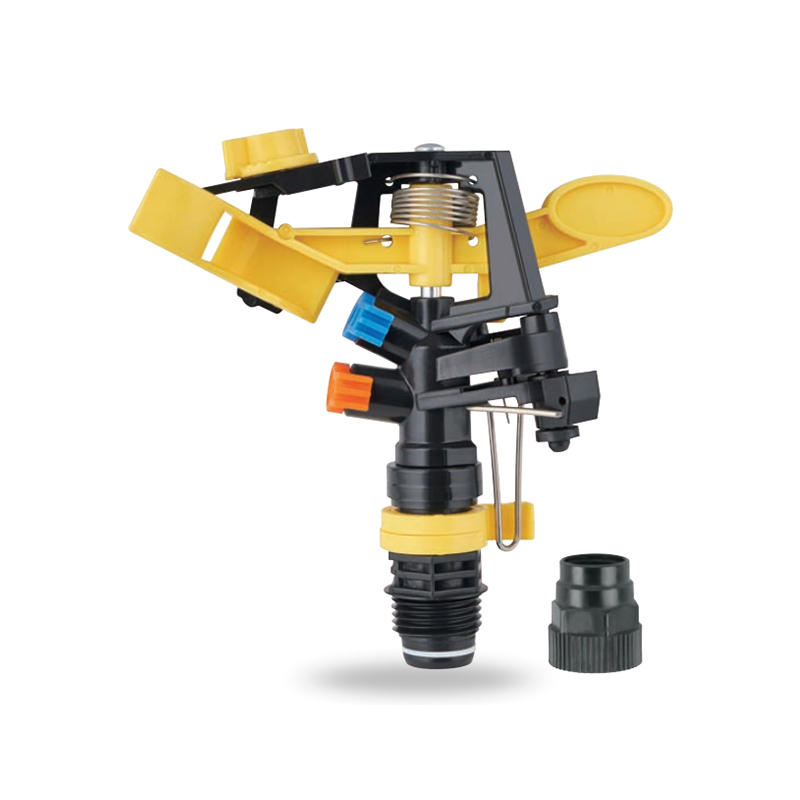
Impact sprinkler for agricultural irrigation is a common and efficient agricultural irrigation tool designed for large areas of farmland. Its unique structure can evenly cover a large area by rotating...
See Details -
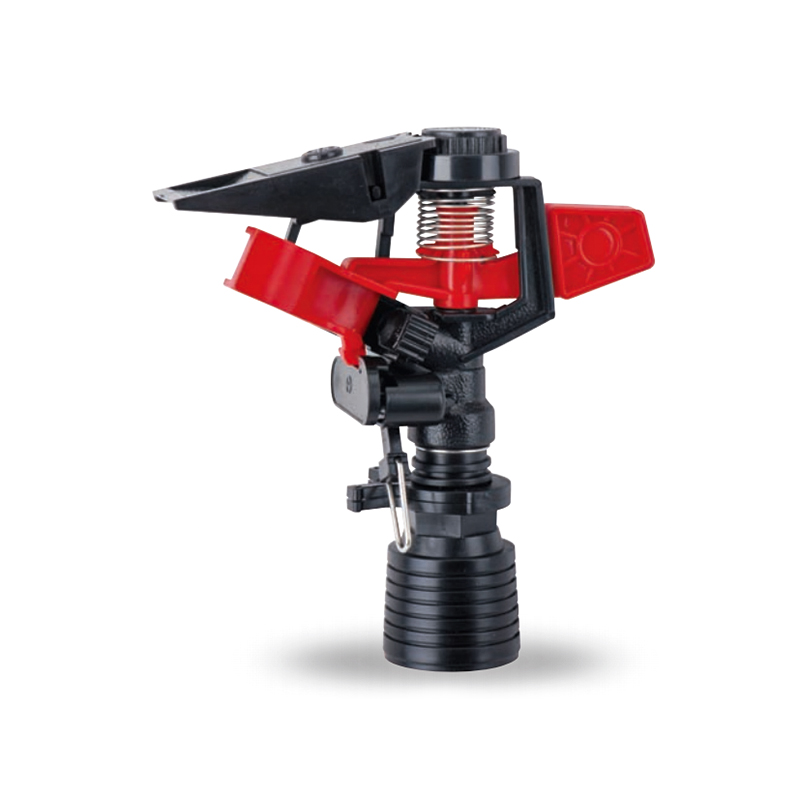
This 360 degree adjustable rocker arm nozzle impact sprinkler is an essential part of an irrigation system designed to meet a wide range of horticultural and agricultural needs. Its flexible adjustmen...
See Details -
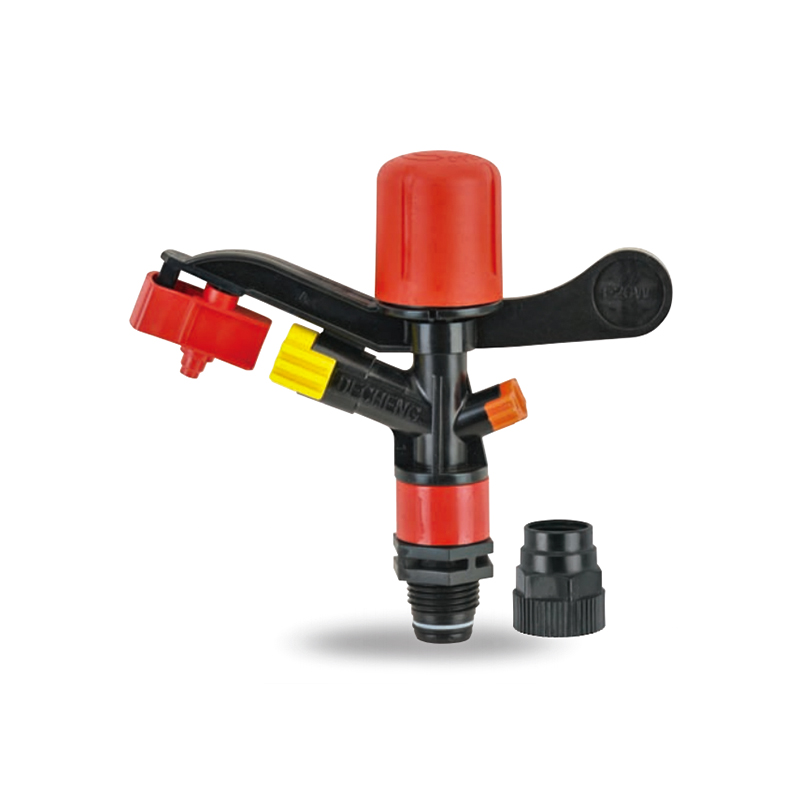
The Plastic Full-Circle Impact Sprinkler Sprayer is a highly efficient full-circle irrigation device designed to provide even moisture coverage. Its lightweight plastic material makes this sprinkler e...
See Details -
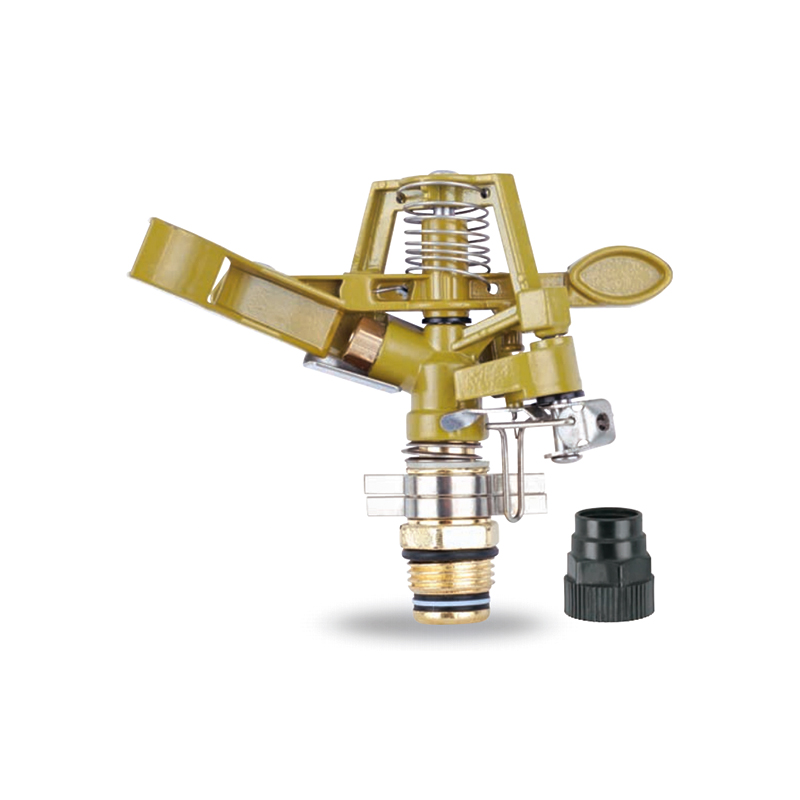
The Irrigation System Adjustable Head Mobile Rotary Zinc Sprinkler is an efficient rotary sprinkler designed for flexible irrigation needs. Its adjustable head allows the user to easily adjust the dir...
See Details -
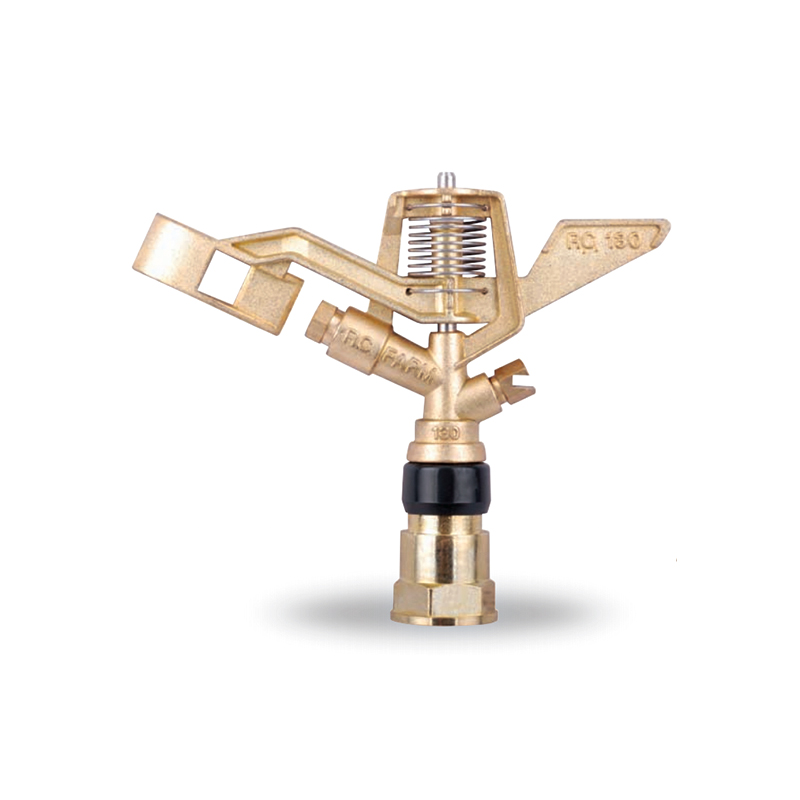
This 3/4” Zinc Alloy Swivel Arm Irrigation Watering System Impact Sprinkler is ideal for agricultural irrigation systems due to its superior durability and corrosion resistance. Its rugged constructio...
See Details -
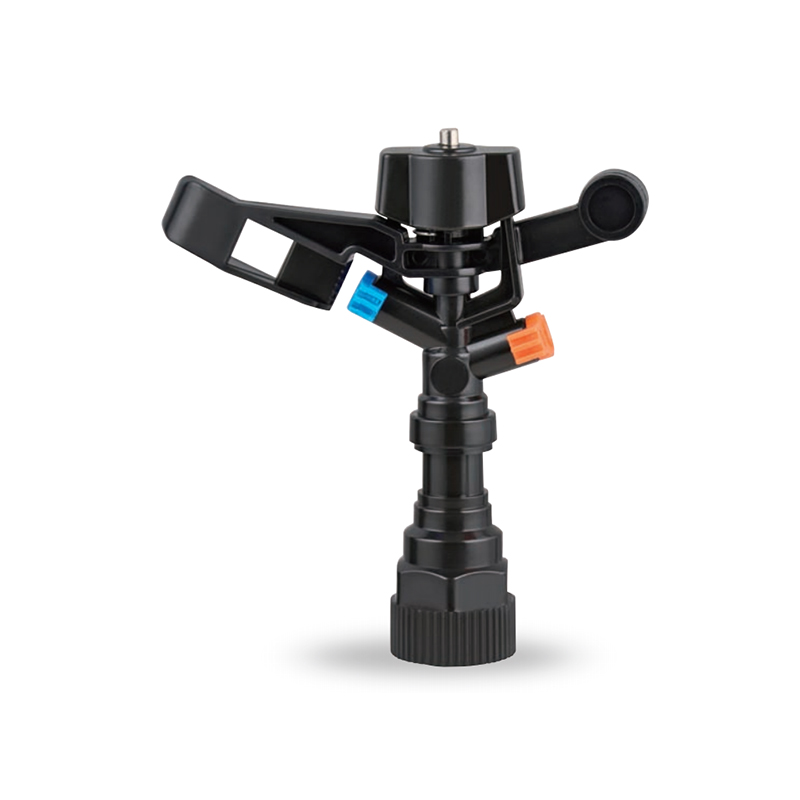
The Double nozzle garden farm impact full-circle sprinkler is well-designed to efficiently and evenly spray water, thus enhancing the quality of crop growth. Whether it's in the home garden or on a la...
See Details -
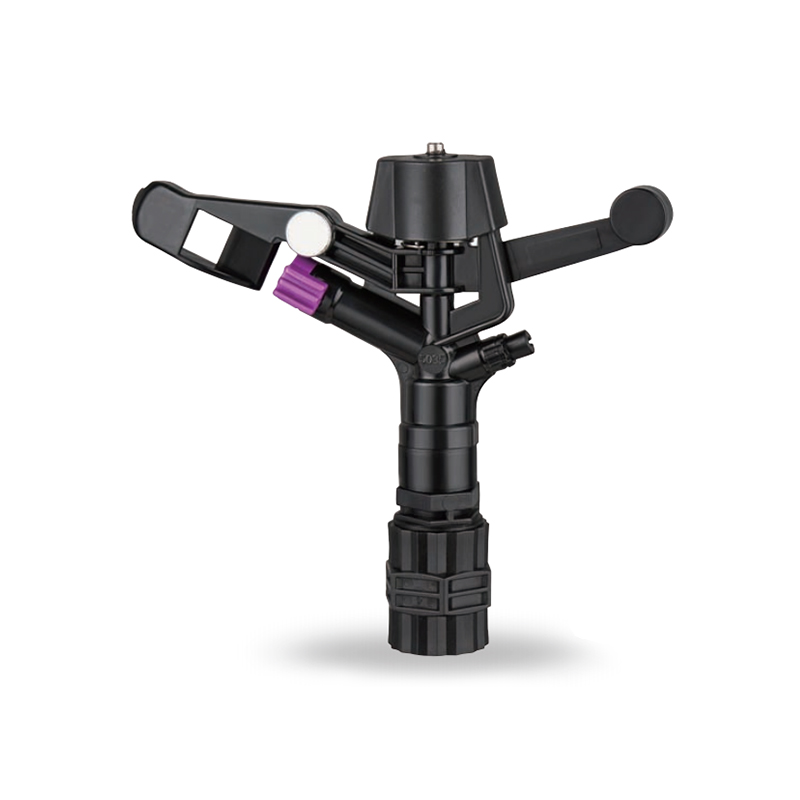
Double nozzle agricultural water plastic impact sprinkler for irrigation sprinkler combines practicality and durability with a dual nozzle system that provides extensive water coverage for a wide rang...
See Details -
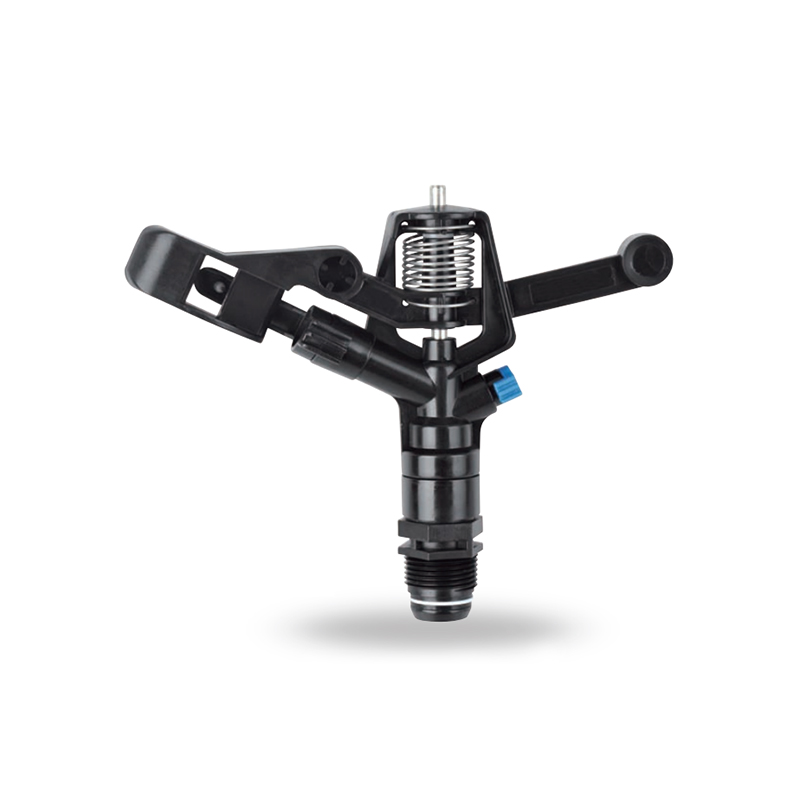
The POM agricultural irrigation sprinkler water impact sprinkler is known for its excellent abrasion resistance and durability, ensuring consistent performance over time. It is designed to increase wa...
See Details -
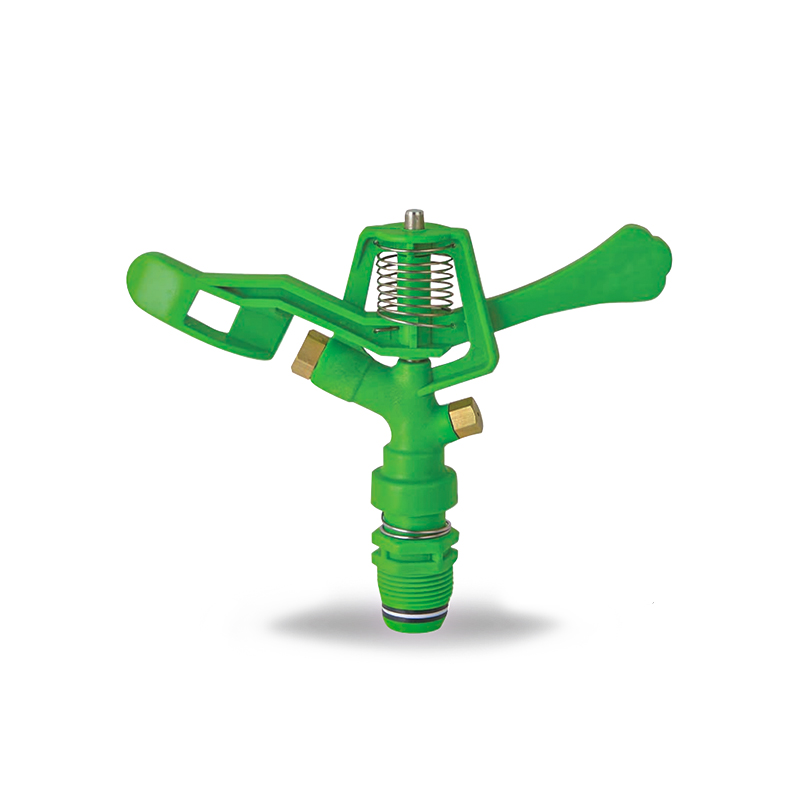
The POM Agricultural Irrigation Sprinkler with Metal Nozzles is a device designed for efficient irrigation, combining premium polyacetal (POM) material with durable metal nozzles to ensure superior sp...
See Details -
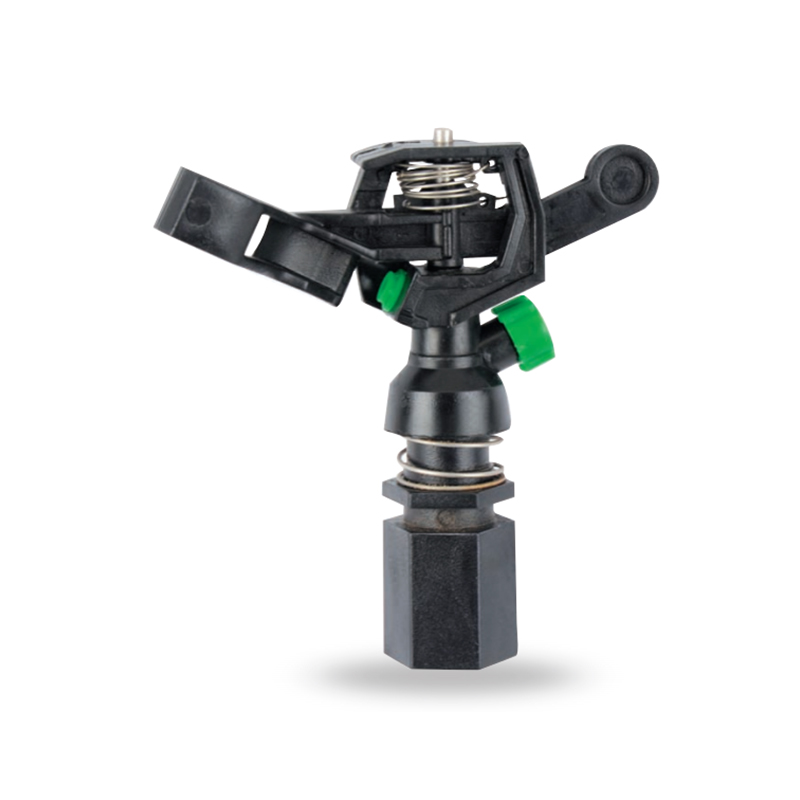
Watering irrigation system 3/4 inch nozzle field Impact Sprinkler is perfect for field irrigation and easily meets the water needs of large crops. Its powerful spray ensures that every nook and cranny...
See Details -
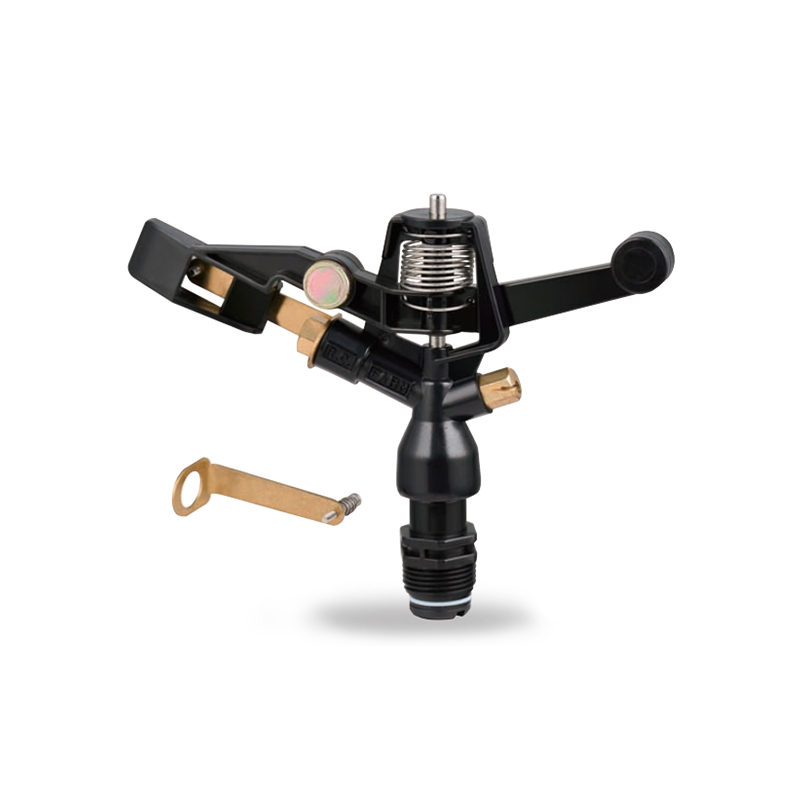
The POM Agricultural Irrigation Sprinkler with Brass Nozzles is an efficient and durable irrigation device designed to meet a wide range of agricultural needs. The sprinkler is made of polyacetal (POM...
See Details -
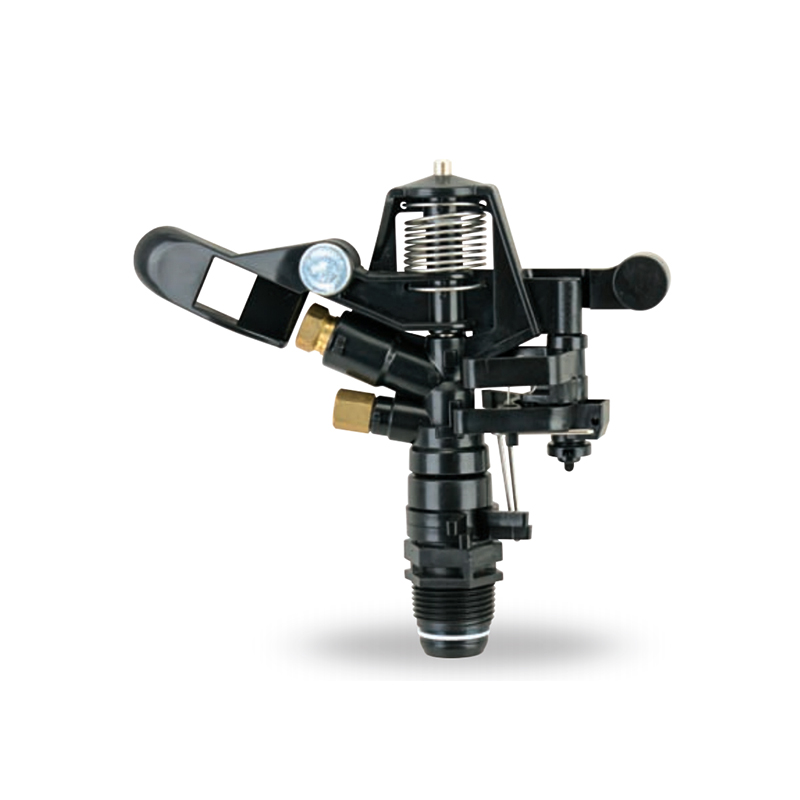
The Double Nozzle Garden Farm Impact Part-Circle Sprinkler is a highly efficient garden irrigation device designed for large planting areas. Its double nozzle design produces a strong, even stream of ...
See Details

PRODUCTS & SERVICES

CONTACT US
 No.518, Ruihao Road, Lizhou Street, Yuyao City, Zhejiang Province, China
 +86-13105554615 / +86-18005843886
 decheng@dcssq.com fredzhu@dcssq.com
 LISA
LISA
 Fred Zhu
Copyright © Ningbo Dewo Irrigation Equipment Co., Ltd. All Rights Reserved. China Agricultural Plastic Sprinkler Manufacturers Wholesale Irrigation Plastic Sprinkler Factory
