

 Search for...
 English
 Español
 中文简体
How Much PSI for Sprinkler System? Complete Pressure Guide for Homeowners
Content
- 1 Why Sprinkler Pressure Matters More Than You Think
- 2 Recommended PSI by Sprinkler Type
- 3 How to Measure Your System Water Pressure Correctly
- 4 How Many Sprinkler Heads Can You Run Per Zone at a Given PSI
- 5 How to Increase or Decrease Sprinkler Pressure Safely
- 6 Drip Irrigation: The Low-Pressure Exception
- 7 Troubleshooting Common Sprinkler Pressure Problems
- 8 Frequently Asked Questions About Sprinkler PSI
- 8.1 What PSI should a home sprinkler system be set to?
- 8.2 Is 80 PSI too high for a sprinkler system?
- 8.3 What happens if sprinkler water pressure is too low?
- 8.4 How do I measure the PSI of my sprinkler system?
- 8.5 How many sprinklers can run per zone at 40 PSI?
- 8.6 Do I need a pressure regulator for drip irrigation?
If you are installing a new lawn irrigation system and asking how much PSI your sprinkler system needs, the direct answer is 30 to 50 PSI at the sprinkler head, with 40 PSI as the most practical design target for a typical residential zone. Pressure below 30 PSI produces weak spray patterns, poor head rotation, and uneven coverage. Pressure above 60 PSI atomizes the water into fine mist, which drifts away in the wind and wastes a meaningful share of the water you pump.
The first concept to understand is the difference between static pressure and dynamic pressure. Static pressure is the reading on a gauge when no water is flowing. Dynamic pressure is the reading while a sprinkler zone is actively running, and it is always lower because water moving through pipes loses energy to friction. Your sprinklers respond to dynamic pressure, not static pressure. Most homes have static pressure between 40 and 80 PSI, while the dynamic pressure at the farthest sprinkler head can be 10 to 25 PSI lower depending on pipe length, diameter, fittings, and elevation change. That is why a system may read fine at the hose bib yet still struggle at the far end of the yard.
Why Sprinkler Pressure Matters More Than You Think
Pressure is the hidden variable behind most sprinkler failures. A system that looks fine during a daytime test can develop dry patches at dawn, blow water sideways in light wind, or hammer the pipes every time a zone closes. Getting the PSI right saves water, reduces maintenance, and extends the life of valves, seals, and heads.
Extension research on residential irrigation from Oklahoma State University states that ideal household pressure is about 40 to 60 PSI, while fixed spray heads are designed to operate at 30 PSI with an acceptable range of 15 to 30 PSI. Drip lines, by contrast, are made for roughly 20 to 30 PSI. These numbers are the benchmark for system design decisions.
| Pressure observed | What actually happens in the system |
|---|---|
| Below 15 PSI | Spray heads fail to pop up fully; rotors stall; drip output can drop 30 to 50 percent below the rated flow. |
| 15 to 29 PSI | Short throw radius, weak overlap, and dry circles form between heads, especially at zone ends. |
| 30 to 50 PSI | Ideal operating window for most residential spray heads, rotors, and drip components. |
| 51 to 70 PSI | Misting begins above 60 PSI; coverage is wasted to wind drift; seals and valves wear faster. |
| Above 80 PSI | Water hammer occurs at valve closure; solenoid valves and pipe fittings fail prematurely; 15 to 30 percent of water can be lost to mist drift. |
The practical lesson is simple: knowing your dynamic pressure is not optional. It determines how many heads you can place per zone, what nozzle sizes you should choose, and whether you need a pressure regulator or a booster pump.
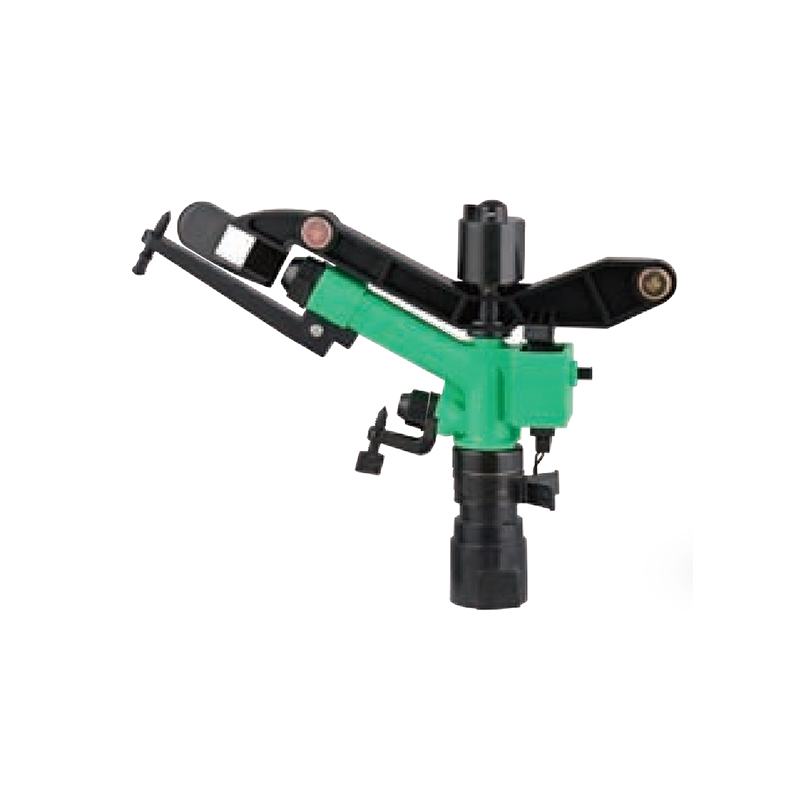 DC-S50 Agricultural Impact Sprinkler for Large-Area IrrigationThis rotary impact sprinkler is built for agricultural zones where matching pressure to head type matters. It suits high-pressure circuits and offers adjustable range and angle for even large-area coverage.View Product →
Recommended PSI by Sprinkler Type
Different sprinkler types are engineered for different pressure windows. Installing a rotor head on a zone designed for 30 PSI spray heads, or connecting a drip line to a 60 PSI impact sprinkler circuit, leads to poor performance and premature failure. Match the pressure to the head type before you adjust anything else.
| Sprinkler type | Optimal PSI | Acceptable operating range |
|---|---|---|
| Fixed spray heads | 30 PSI | 15 to 30 PSI |
| Rotor heads | 40 to 45 PSI | 25 to 65 PSI depending on model |
| Impact sprinklers | 50 to 60 PSI | 30 to 70 PSI |
| Micro spray and mist heads | 25 to 30 PSI | 15 to 40 PSI |
| Drip lines and emitters | 20 to 30 PSI | 8 to 40 PSI with pressure-compensating models |
Impact sprinklers are the exception to the low-pressure trend. Their oscillating arm mechanism needs enough force to drive the rotation and evenly distribute large droplets. In agricultural and large-lawn applications, impact heads perform best when fed with 50 to 60 PSI. At lower pressure they rotate slowly and leave a concentrated ring of water instead of a full circle. At very high pressure they mist and lose efficiency. Durable models with metal or POM nozzles are designed to tolerate the stress of sustained high-pressure operation across a full growing season.
How to Measure Your System Water Pressure Correctly
You cannot tune what you have not measured. A simple hose-thread pressure gauge is inexpensive and gives you the two numbers you need: static pressure and dynamic pressure. Follow this sequence at the hose bib closest to the water meter.
- Close all faucets, turn off any washing machine, and make sure no sprinkler zone is active.
- Screw a standard 3/4-inch garden hose pressure gauge onto the outdoor spigot and open the valve fully. Record the reading. This is your static pressure.
- Leave the gauge attached and manually open one sprinkler zone valve. Wait 30 seconds for the system to stabilize, then record the reading. This is your dynamic pressure.
- Repeat the measurement on the zone farthest from the water source. If the dynamic pressure there is more than 15 PSI lower than the static reading, you have a friction-loss or elevation problem.
- For drip zones, attach the gauge downstream of the filter and regulator to verify the actual pressure entering the emitter lines.
Two physical rules explain most pressure complaints. First, elevation changes cost pressure: every 2.31 feet of vertical rise reduces pressure by 1 PSI. Second, friction loss rises quickly with flow: doubling the flow through the same pipe roughly quadruples the friction loss. A long run of 1/2-inch poly tubing can lose 5 to 10 PSI before the water reaches the first head, which is why professional installers design around manifold placement and proper pipe sizing.
How Many Sprinkler Heads Can You Run Per Zone at a Given PSI
Pressure alone does not decide how many heads a zone can support. The real limit is flow, measured in gallons per minute (GPM), and pressure determines how much flow each nozzle will discharge. A 1/2-inch spray nozzle at 30 PSI discharges roughly 1.5 to 2.5 GPM; a 3/4-inch impact sprinkler can discharge 4 to 7 GPM at 50 PSI. If the zone pipe cannot deliver that flow, the pressure drops and every head starves.
A typical 3/4-inch residential service line at 40 PSI supplies about 12 to 15 GPM before friction losses become excessive. Using that as a planning number yields the following practical limits.
| Head type | GPM per head at design PSI | Safe heads per zone |
|---|---|---|
| Fixed spray heads | 1.5 to 2.5 GPM | 6 to 8 heads |
| Rotor heads | 3.0 to 4.5 GPM | 3 to 4 heads |
| Impact sprinklers, small | 4.0 to 5.5 GPM | 2 to 3 heads |
| Drip lines (per 100 ft) | 0.5 to 2.0 GPM | 200 to 600 feet of line |
When you exceed these counts, the dynamic pressure per head falls below the manufacturer design range. The result is the classic complaint: heads at the start of the zone spit water, while heads at the end barely dribble. If you already have an installed system and one zone underperforms, measure the dynamic pressure at the manifold and at the last head. A drop greater than 10 to 15 PSI between those two points means the zone is carrying too many heads. Before you rework the piping, review the proper installation sequence and layout guidance for residential systems so you can correct the root cause rather than adding a pump to mask a design error.
How to Increase or Decrease Sprinkler Pressure Safely
Once you know your dynamic pressure and the target PSI for your head type, choose a correction strategy. Never add a pump before confirming the problem is low pressure and not low flow or a blockage. And never remove a pressure-reducing valve without checking the static pressure at the main line first.
Lowering high pressure
If your static pressure is above 70 PSI, install a pressure-reducing valve (PRV) on the main irrigation line and set it to about 50 to 55 PSI. This protects valves, seals, and heads from water hammer. For a system where the supply pressure is fine but one zone runs too hot, install a small threaded pressure regulator at the zone manifold, rated for the exact flow of that zone. Avoid stacking multiple reducers; a single properly sized regulator performs more reliably than two undersized units in series.
Raising low pressure
For systems below 25 PSI dynamic pressure, the options are a booster pump, larger pipe, or fewer heads per zone. A booster pump sized for your peak GPM is the most direct fix when the municipal supply itself is weak. If the supply is adequate but the delivery piping is undersized, upgrading from 1/2-inch to 3/4-inch laterals often restores 5 to 15 PSI at the heads. On long runs, moving the manifold closer to the center of the zone shortens the laterals and reduces friction loss dramatically.
Fine-tuning individual zones
Precise water flow control in large irrigation projects is often handled at the valve box. A standard anti-siphon valve includes a small flow-control knob that adjusts the amount of water entering the zone, which in turn lowers downstream pressure. This is the fastest way to tame a misting spray head without cutting pipe. For drip zones, use a dedicated pressure regulator rated at 30 PSI and pair it with a filter so debris does not clog the small emitter orifices.
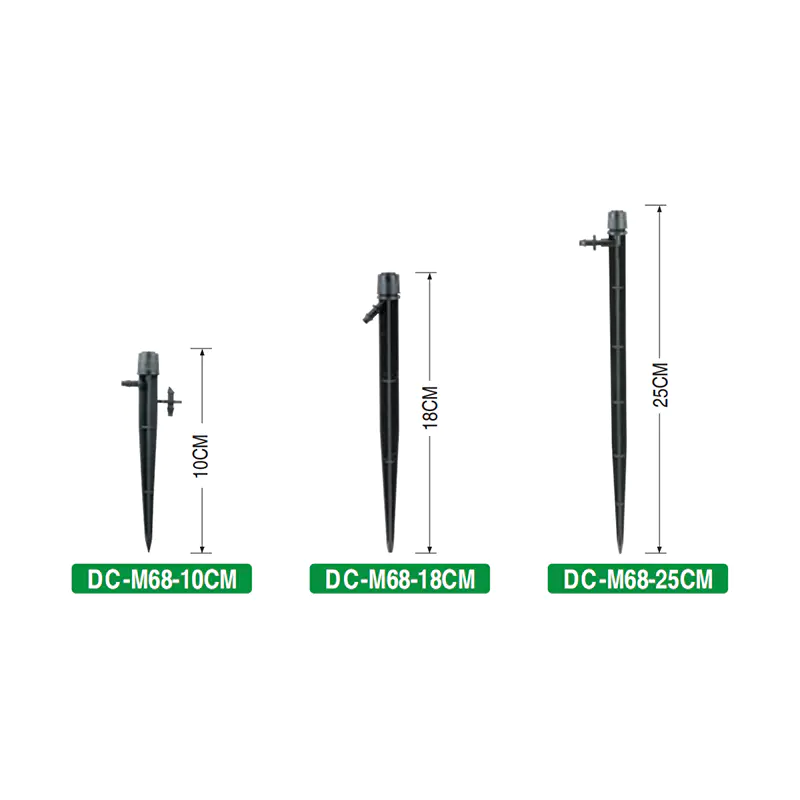 DC-M68 360° Adjustable Flow Diffusion Plug TipThis adjustable-flow tip supports fine water distribution control, making it useful when tuning zone pressure. Its 360-degree adjustment and corrosion-resistant build fit drip and micro-irrigation layouts.View Product →
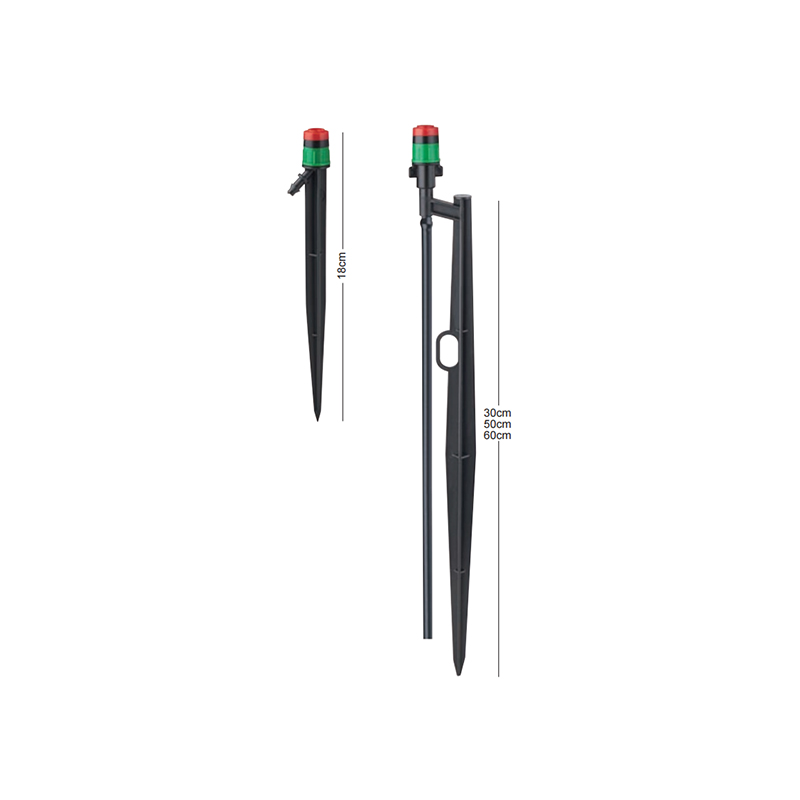 DC-M89 360° Pressure Compensated DripperThis pressure-compensated dripper maintains consistent flow despite pressure fluctuations, ideal for drip zones operating at lower PSI. Its 360-degree spray and durable materials support even watering across varied plants.View Product →
Drip Irrigation: The Low-Pressure Exception
Drip and micro-irrigation systems are intentionally operated at far lower pressure than spray sprinklers. The design sweet spot is 20 to 30 PSI at the emitter. At higher pressure, standard drip tubing can force emitter plugs out of the wall and create uneven flow across the zone. At pressure below 8 PSI, discharge becomes erratic and the last meters of the line may produce almost no water.
Two types of emitters solve most drip pressure problems. Adjustable-flow drippers let you dial the discharge per plant, which is useful when a zone waters mixed plantings with different needs. Pressure-compensating (PC) drippers are designed to maintain a constant output across a wide pressure range, typically from 8 to 40 PSI, even when the line runs uphill or the zone is long. If your drip zone crosses a slope or you plan to extend the line later, PC drippers save you from constant emitter tuning. A standard 360-degree adjustable dripper with a stake is a reliable choice for container plants and tree rings. For permanent rows of vegetables or shrubs, a pressure-compensating model keeps every plant at the same supply rate regardless of where it sits on the line.
Always place a 120-mesh filter and a 30 PSI regulator at the start of a drip zone. Without a filter, tiny particles wedge inside the emitter labyrinth and reduce flow silently over a few weeks. With clean water and steady pressure, drip lines deliver water directly to the root zone with almost no wind loss, which is why they can cut outdoor water use by 30 to 50 percent compared with spray heads.
Troubleshooting Common Sprinkler Pressure Problems
Most pressure complaints fall into a small set of repeatable patterns. Use the table below as a field reference when a zone misbehaves.
| Symptom | Likely cause | Practical fix |
|---|---|---|
| Fine mist or fog above heads | Dynamic pressure too high for the nozzle | Install a zone regulator or reduce the valve flow-control setting. |
| Dry spots and short throw | Pressure too low, clogged nozzle, or leak in the lateral line | Clean nozzles, repair leaks, then re-measure dynamic pressure at the head. |
| Heads do not pop up fully | Dynamic pressure below 20 PSI at the head | Reduce heads per zone, shorten laterals, or install a booster pump. |
| Water hammer when zone closes | Static pressure above 80 PSI or a fast-closing valve | Install a main-line PRV set to 50 to 55 PSI; use slow-closing valves. |
| Drip emitters flow unevenly across a slope | Pressure difference caused by elevation change | Switch to pressure-compensating drippers and install a 30 PSI regulator. |
When you change a nozzle size or add heads to a zone, always re-measure the dynamic pressure. A system that worked last season can drift out of range after a valve repair, a municipal supply change, or the addition of a water softener that alters the plumbing layout.
Frequently Asked Questions About Sprinkler PSI
What PSI should a home sprinkler system be set to?
Set the system to deliver 30 to 50 PSI at the heads, with 40 PSI as the common target for mixed residential zones. Spray heads prefer 30 PSI, rotors prefer 40 to 45 PSI, and impact sprinklers prefer 50 to 60 PSI. If you have more than one head type, regulate each zone independently.
Is 80 PSI too high for a sprinkler system?
Yes. 80 PSI is too high for most residential sprinkler components. It produces misting, water drift, water hammer, and accelerated seal wear. Install a pressure-reducing valve on the main irrigation line and set it between 50 and 60 PSI to protect the system.
What happens if sprinkler water pressure is too low?
Low pressure causes short throw distance, poor rotation, dry circles between heads, and uneven drip output. Below 20 PSI, many spray heads will not pop up at all. The fix is usually a booster pump, larger pipe, or fewer heads per zone.
How do I measure the PSI of my sprinkler system?
Attach a hose-thread pressure gauge to a faucet or test port on the irrigation line. Record the static reading with everything off, then open one zone and record the dynamic reading. Compare the two numbers to find how much pressure is lost to friction and elevation.
How many sprinklers can run per zone at 40 PSI?
With a typical 12 to 15 GPM supply at 40 PSI, you can safely run 6 to 8 fixed spray heads, 3 to 4 rotor heads, or 2 to 3 small impact sprinklers per zone. Drip zones can support 200 to 600 feet of line depending on emitter spacing and discharge.
Do I need a pressure regulator for drip irrigation?
Yes. A 30 PSI regulator at the start of every drip zone is strongly recommended. It prevents emitter blowout, keeps discharge uniform, and protects the line from pressure spikes when other zones are running.
Related products
-
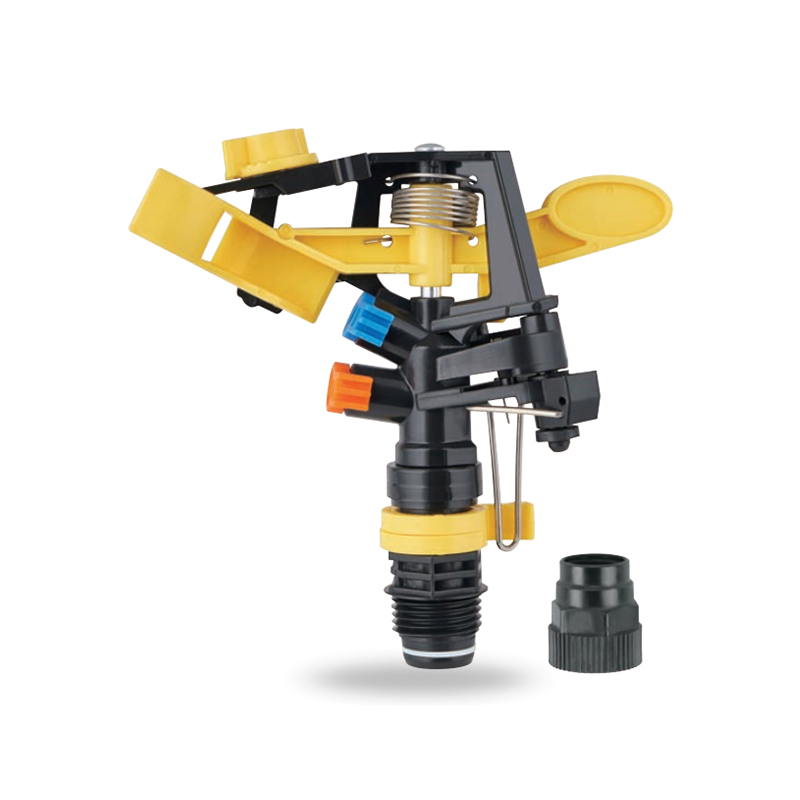
Impact sprinkler for agricultural irrigation is a common and efficient agricultural irrigation tool designed for large areas of farmland. Its unique structure can evenly cover a large area by rotating...
See Details -
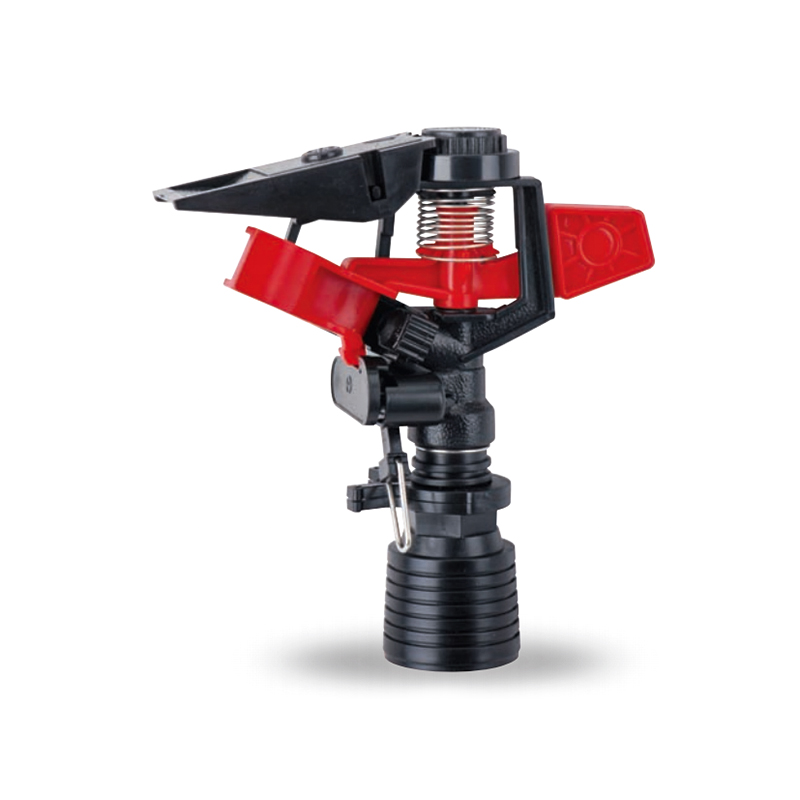
This 360 degree adjustable rocker arm nozzle impact sprinkler is an essential part of an irrigation system designed to meet a wide range of horticultural and agricultural needs. Its flexible adjustmen...
See Details -
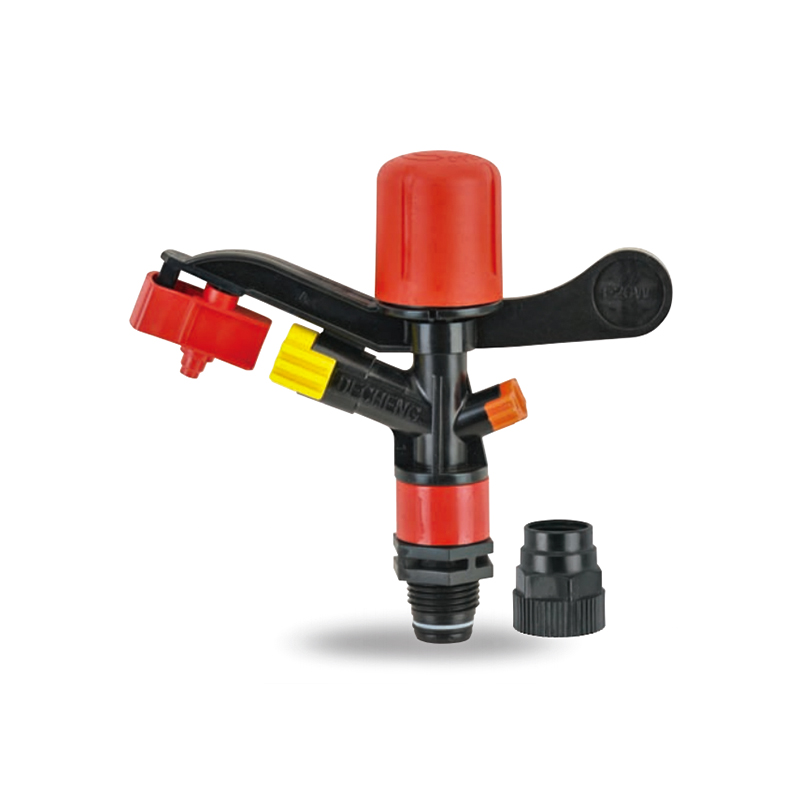
The Plastic Full-Circle Impact Sprinkler Sprayer is a highly efficient full-circle irrigation device designed to provide even moisture coverage. Its lightweight plastic material makes this sprinkler e...
See Details -
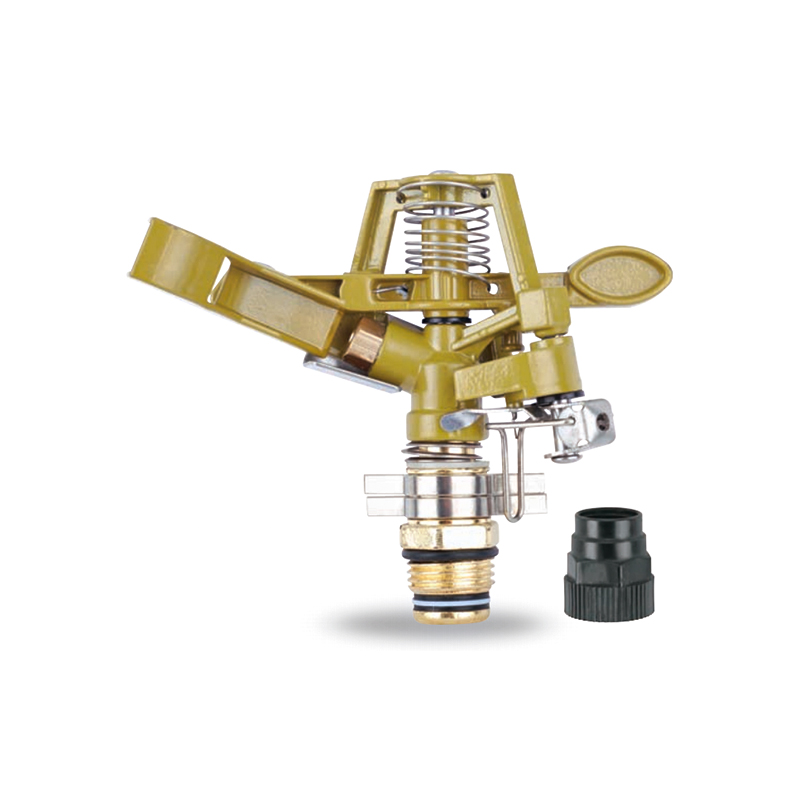
The Irrigation System Adjustable Head Mobile Rotary Zinc Sprinkler is an efficient rotary sprinkler designed for flexible irrigation needs. Its adjustable head allows the user to easily adjust the dir...
See Details -
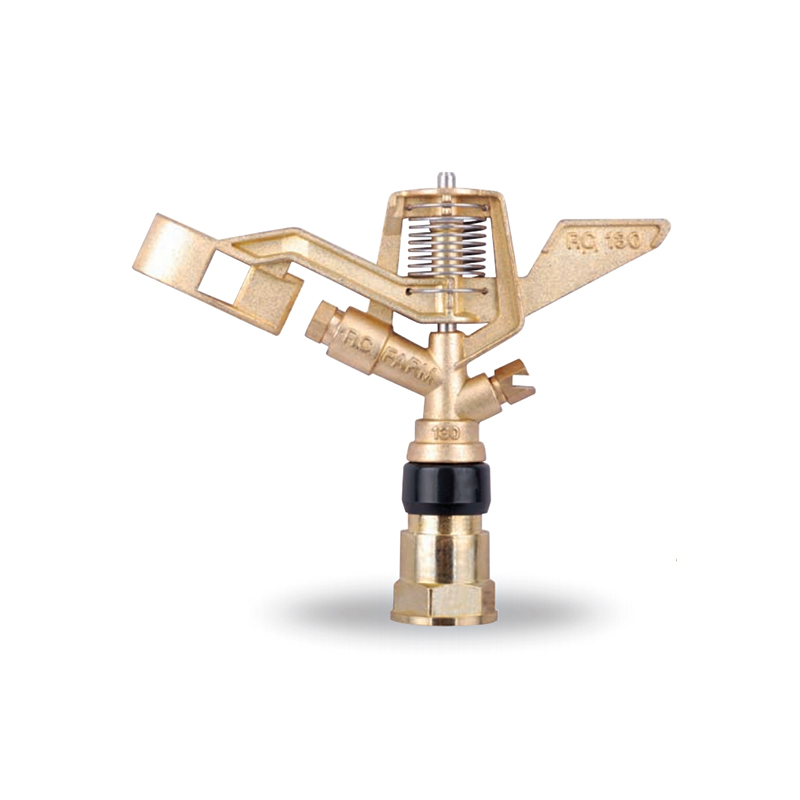
This 3/4” Zinc Alloy Swivel Arm Irrigation Watering System Impact Sprinkler is ideal for agricultural irrigation systems due to its superior durability and corrosion resistance. Its rugged constructio...
See Details -
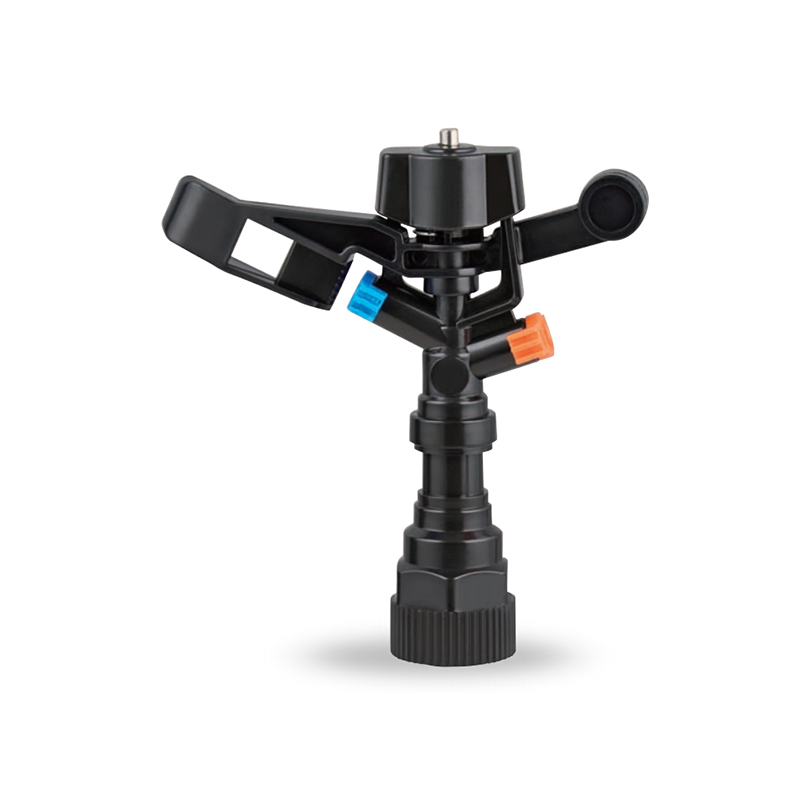
The Double nozzle garden farm impact full-circle sprinkler is well-designed to efficiently and evenly spray water, thus enhancing the quality of crop growth. Whether it's in the home garden or on a la...
See Details -
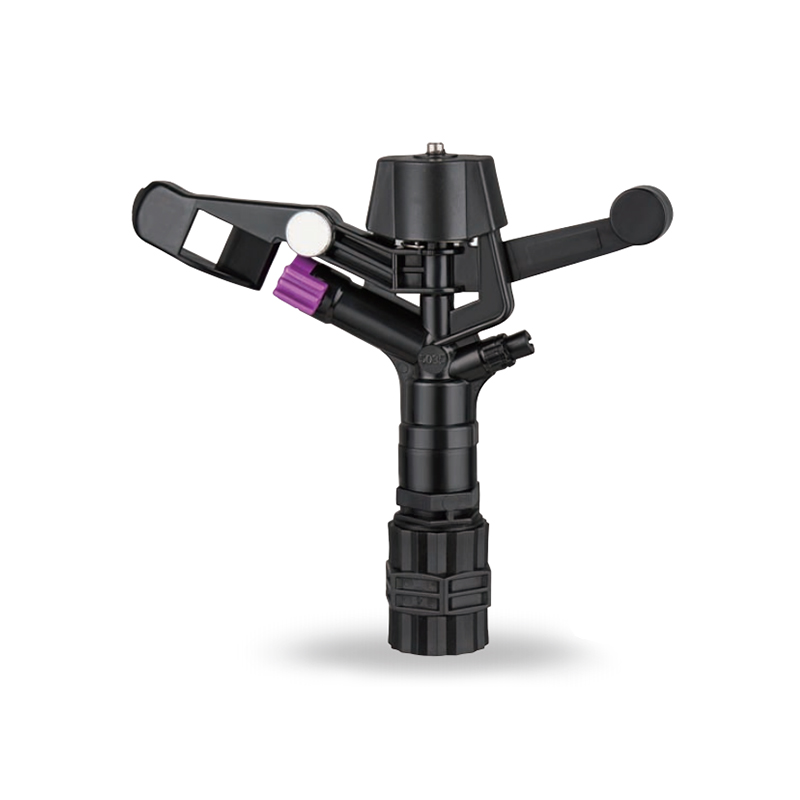
Double nozzle agricultural water plastic impact sprinkler for irrigation sprinkler combines practicality and durability with a dual nozzle system that provides extensive water coverage for a wide rang...
See Details -
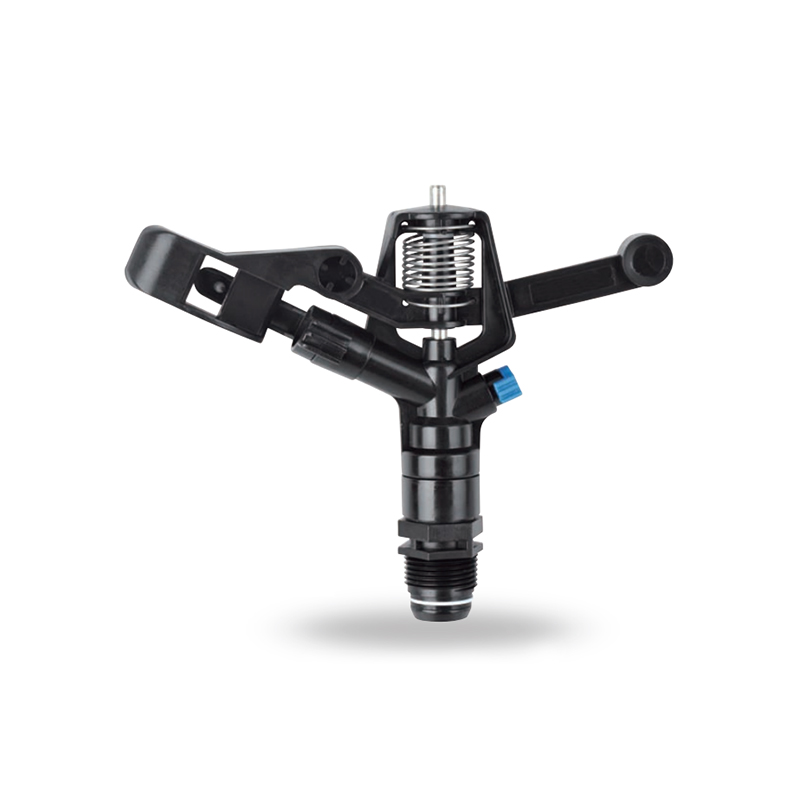
The POM agricultural irrigation sprinkler water impact sprinkler is known for its excellent abrasion resistance and durability, ensuring consistent performance over time. It is designed to increase wa...
See Details -
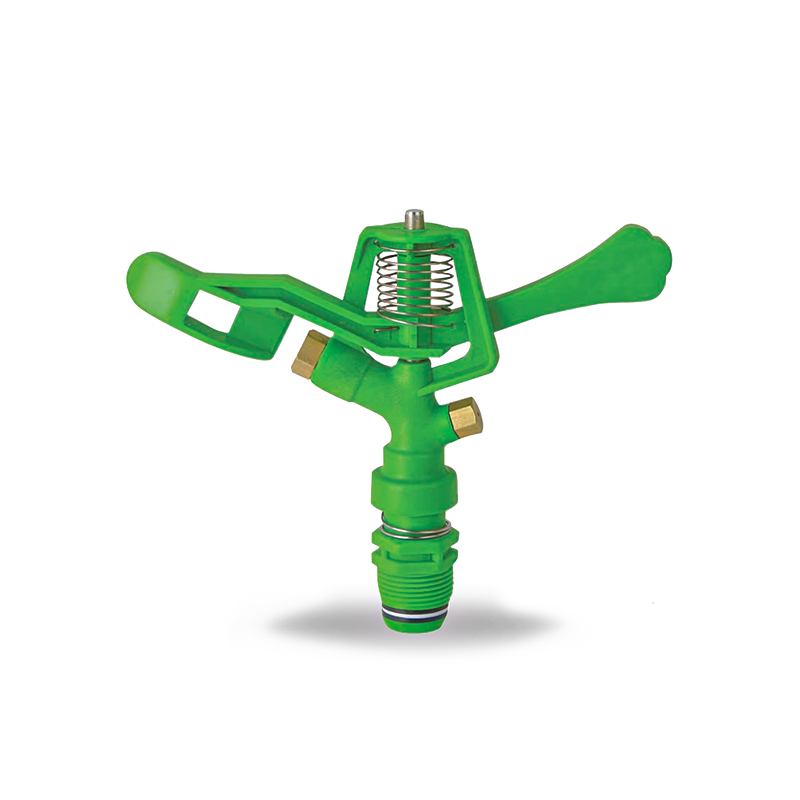
The POM Agricultural Irrigation Sprinkler with Metal Nozzles is a device designed for efficient irrigation, combining premium polyacetal (POM) material with durable metal nozzles to ensure superior sp...
See Details -
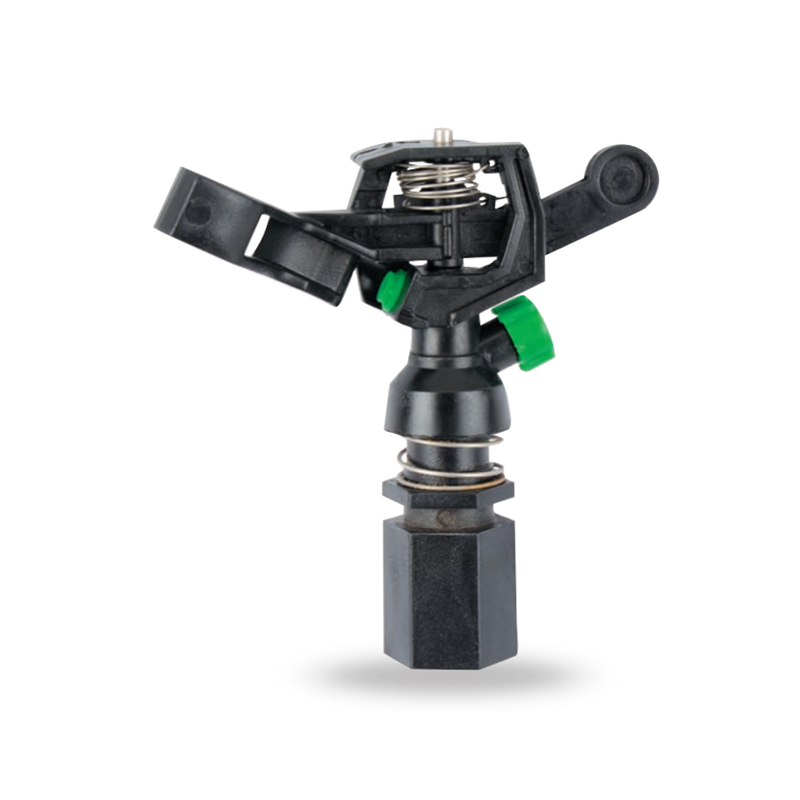
Watering irrigation system 3/4 inch nozzle field Impact Sprinkler is perfect for field irrigation and easily meets the water needs of large crops. Its powerful spray ensures that every nook and cranny...
See Details -
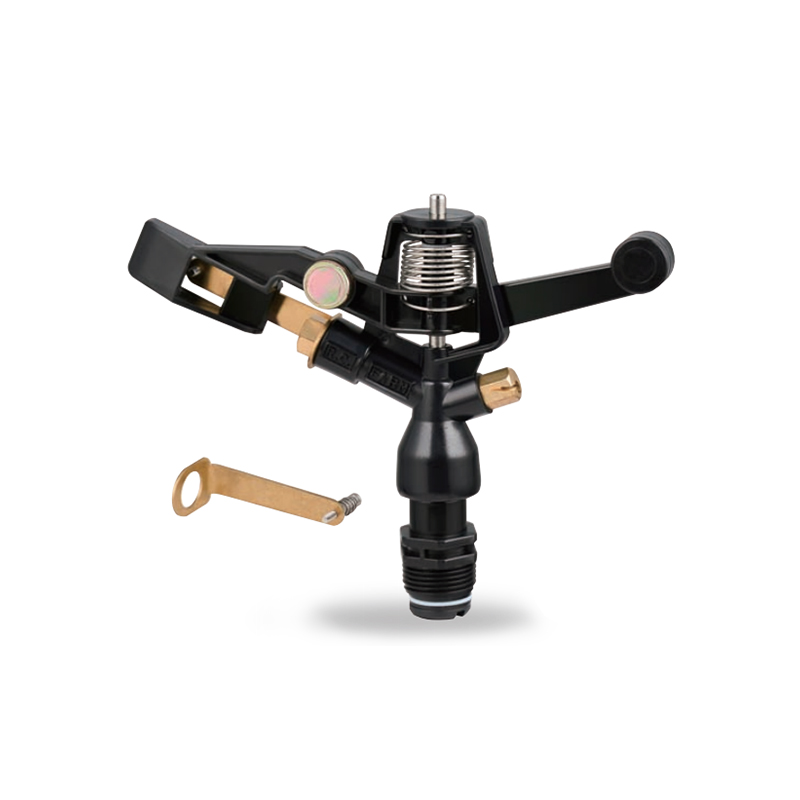
The POM Agricultural Irrigation Sprinkler with Brass Nozzles is an efficient and durable irrigation device designed to meet a wide range of agricultural needs. The sprinkler is made of polyacetal (POM...
See Details -
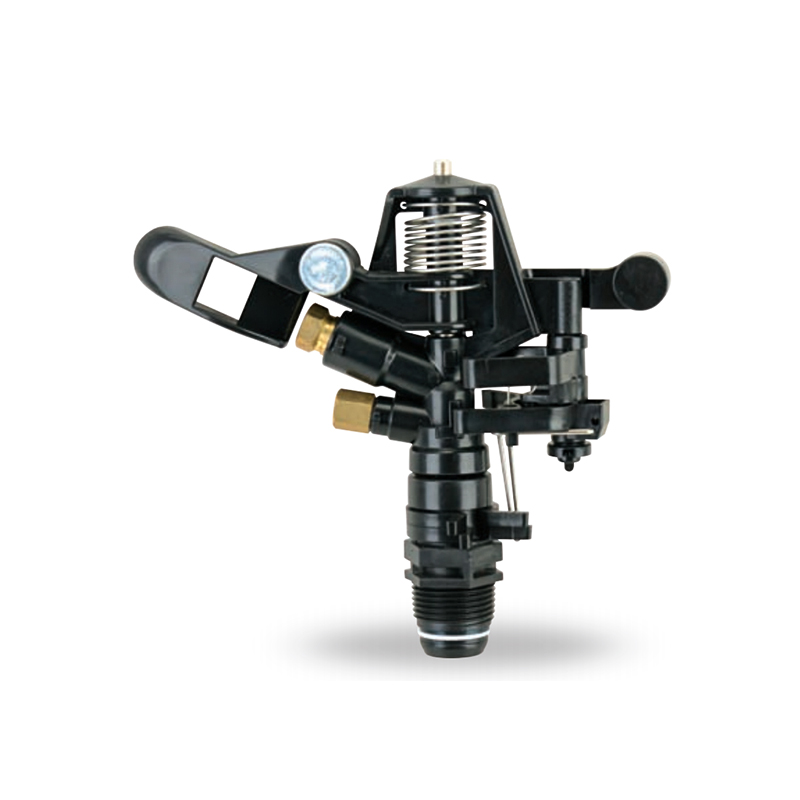
The Double Nozzle Garden Farm Impact Part-Circle Sprinkler is a highly efficient garden irrigation device designed for large planting areas. Its double nozzle design produces a strong, even stream of ...
See Details

PRODUCTS & SERVICES

CONTACT US
 No.518, Ruihao Road, Lizhou Street, Yuyao City, Zhejiang Province, China
 +86-13105554615 / +86-18005843886
 decheng@dcssq.com fredzhu@dcssq.com
 LISA
 Fred Zhu
Copyright © Ningbo Dewo Irrigation Equipment Co., Ltd. All Rights Reserved. China Agricultural Plastic Sprinkler Manufacturers Wholesale Irrigation Plastic Sprinkler Factory
