

 Search for...
 English
 Español
 中文简体
How Does a Sprinkler Head Work? Types, Pressure, and Maintenance Guide
Content
- 1 The Working Principle Behind Every Sprinkler Head
- 2 Anatomy of a Sprinkler Head: What Each Part Does
- 3 Types of Sprinkler Heads and How Each One Works
- 4 Pressure, Flow Rate, and Coverage: The Numbers That Matter
- 5 How to Choose the Right Sprinkler Head for Your Application
- 6 Common Sprinkler Head Problems and What Actually Causes Them
- 7 A Maintenance Routine That Keeps Heads Working at Rated Performance
- 8 Frequently Asked Questions About Sprinkler Heads
A sprinkler head works by converting the pressure energy of water flowing through a pipeline into a high-speed jet, then breaking that jet into droplets and distributing those droplets evenly over a fixed radius. The exact mechanism changes depending on the head type: an impact head relies on a spring-loaded hammer arm, a gear-driven rotor uses an internal turbine and reduction gear train, and a fixed spray head employs a stationary deflector. Every type follows the same three-stage sequence: accelerate, deflect, and distribute.
Here is the conclusion you can use immediately when planning an irrigation layout: the sprinkler head is one link in a chain that also includes water pressure, flow rate, filtration, pipe size, and valve control. A head rated for 50 psi will underperform dramatically at 25 psi, and a precise nozzle fed with unfiltered pond water will clog in days. Evaluate your water source and pressure before selecting heads, and you avoid most performance complaints before equipment is installed.
The Working Principle Behind Every Sprinkler Head
Water first enters the base of the sprinkler head through a threaded inlet that screws onto a riser or a buried lateral pipe. The inside of the inlet usually contains a small filter screen that stops sand, rust flakes, organic matter, and other particles from reaching the nozzle. From the inlet, water moves into a chamber where the cross-section narrows sharply. As the cross-sectional area decreases, water velocity increases and pressure falls, producing a fast, coherent jet that leaves the nozzle at high speed.
That high-speed jet is then broken into droplets and aimed. In an impact head, the jet strikes a spring-loaded arm; in a gear rotor, the jet drives a turbine that slowly turns the head; in a spray head, the jet hits a flat or slotted deflector that flattens the stream into a fan shape. In all cases, the kinetic energy of the water is what creates the spray pattern and rotates the head.
- Inlet and filtration: water enters and debris is trapped by a screen.
- Nozzle acceleration: a smaller orifice raises jet velocity.
- Deflection or drive: the jet hits a deflector surface or spins a turbine.
- Pattern formation: the stream becomes droplets arranged in a circle or arc.
- Rotation: the head turns automatically or remains fixed, covering the planned area.
Most residential irrigation systems operate at 30–50 psi (2.1–3.5 bar), while agricultural impact sprinklers commonly require 40–80 psi (2.8–5.5 bar) to reach their full radius. Every head model has a published performance chart listing flow, radius, and operating pressure; reading that chart is the fastest way to solve mismatch problems.
Anatomy of a Sprinkler Head: What Each Part Does
Understanding the internal layout of a sprinkler head helps you diagnose failures and select the right model for water quality, pressure, and duty cycle. While designs differ by manufacturer, most irrigation heads share the core components listed below.
| Component | Function |
|---|---|
| Base / inlet | Connects to the riser or lateral pipe; thread size determines maximum flow capacity. |
| Filter screen | Blocks sand and organic debris from entering the nozzle. |
| Nozzle / orifice | Accelerates water; the size and shape set flow rate and droplet size. |
| Deflector surface | Breaks the jet into a fan, ring, or partial arc pattern. |
| Drive mechanism | Rotates the head: impact arm, turbine with gears, or spring return for pop-ups. |
| Spring / seal | Keeps the system sealed, returns pop-up heads to ground level, and prevents leaks. |
| Body / housing | Protects internal parts; made of plastic, zinc alloy, or brass depending on duty. |
Material choice affects lifespan and repair frequency. Light-duty home spray heads are often molded from polypropylene or POM; agricultural and heavy-duty commercial heads commonly use zinc alloy or brass for the body and nozzle. Replaceable brass or metal nozzles resist wear from sandy water and maintain their flow rating much longer than plastic nozzles.
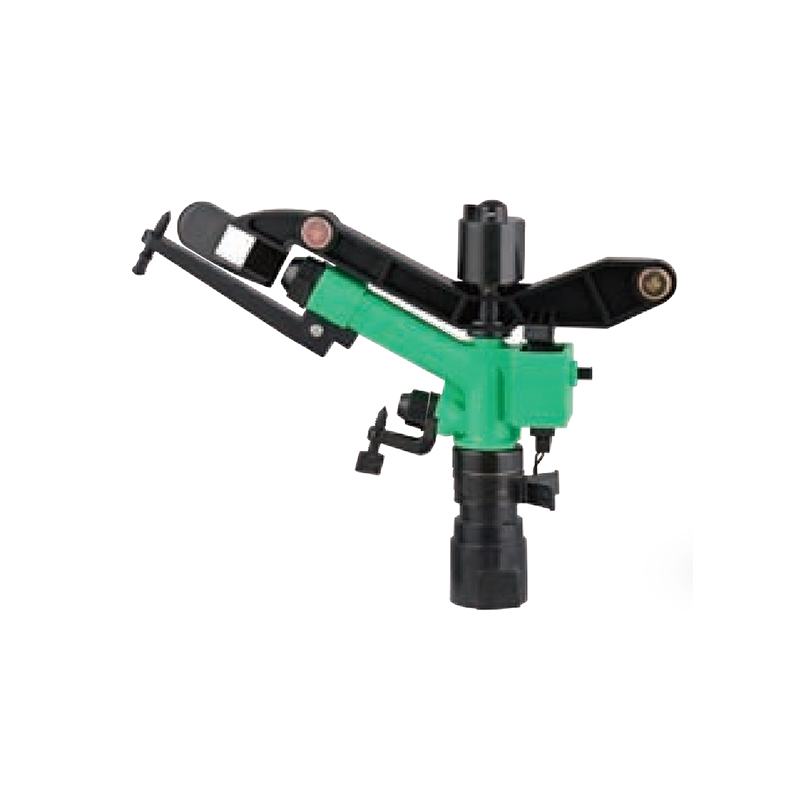 DC-S50 Agricultural Impact Sprinkler for Large-Area IrrigationThis rain gun impact sprinkler suits field crops and orchards. Its rotary stream and adjustable range fit demanding outdoor jobs where durable metal construction and simple mechanics matter.View Product →
Types of Sprinkler Heads and How Each One Works
Impact and impulse sprinkler heads
Impact heads are the classic full-circle and part-circle agricultural sprinklers. A spring-loaded hammer arm is pushed backward by the water jet, then snaps forward and strikes the stream, deflecting it and nudging the head a few degrees around its bearing. The cycle repeats dozens of times per minute, producing a characteristic oscillating pattern. Because the mechanism is simple and tolerant of slightly dirty water, impact heads are widely used for field crops, orchards, dust control, and other demanding outdoor jobs.
A small tab or break ring on the body lets you set a full-circle pattern or any part-circle arc from about 20 to 340 degrees. This is useful for irrigating rectangular field corners or keeping water off a driveway. If you want a deeper look at why so many growers still prefer this approach, read about the advantages impact sprinklers offer over traditional irrigation methods.
Gear-driven rotor heads
Gear-driven rotors contain a small turbine that spins whenever water flows through the head. The turbine turns a series of reduction gears, which rotate the turret slowly and steadily. Rotors are quieter than impact heads, produce larger water droplets that resist wind drift, and typically throw water 20–50 feet (6–15 m). They are the dominant choice for large lawns, sports fields, parks, and golf course roughs where uniform coverage over a long radius is more important than low cost.
Fixed and adjustable spray heads
Fixed spray heads do not rotate. A shaped deflector breaks the water stream into a stationary fan, usually covering a quarter, half, three-quarter, or full circle. Their radius is much shorter, typically 4–15 feet (1.2–4.6 m), and their precipitation rate is high, so they suit small lawns, narrow strips, flower beds, and shrub areas. Many modern spray heads accept screw-in pressure-regulated nozzles that keep output consistent even when the zone pressure fluctuates.
Rotary multi-stream nozzles
Rotary multi-stream nozzles combine the low precipitation rate of a rotor with the small body of a spray head. They emit several thin streams that rotate slowly across the watered area, covering a radius of about 15–30 feet (4.5–9 m). The lower application rate reduces runoff on slopes and clay soils, which makes them especially valuable for narrow lawns and irregular planting beds.
Mist heads, micro-sprinklers, and drip heads
Mist heads produce very fine droplets for greenhouses, propagation benches, and humidity-sensitive crops. Micro-sprinklers cover small orchard or nursery areas with a gentle spray. Drip-type heads and adjustable drippers deliver water directly to the root zone with little or no evaporation. These low-flow options operate at 15–30 psi (1.0–2.1 bar) and use much less water per hour than impact or rotor heads.
Pressure, Flow Rate, and Coverage: The Numbers That Matter
The relationship between pressure and flow is not linear. Double the pressure, and flow through a fixed nozzle rises by roughly 40 percent, while radius increases much more slowly. That is why every serious selection process starts with measuring the available water pressure and flow at the point of connection.
| Head type | Working pressure | Flow per head | Typical radius |
|---|---|---|---|
| Fixed spray head | 20–30 psi (1.4–2.1 bar) | 1–4 GPM (3.8–15 L/min) | 4–15 ft (1.2–4.6 m) |
| Gear-driven rotor | 30–50 psi (2.1–3.5 bar) | 2–12 GPM (7.6–45 L/min) | 20–50 ft (6–15 m) |
| Impact sprinkler | 40–80 psi (2.8–5.5 bar) | 3–20 GPM (11–76 L/min) | 30–100 ft (9–30 m) |
| Mist / micro head | 15–30 psi (1.0–2.1 bar) | 0.1–1 GPM (0.4–3.8 L/min) | 2–10 ft (0.6–3 m) |
To compare a head with the soil’s ability to absorb water, irrigation designers use the precipitation rate formula: PR (in/hr) = 96.25 x Q (GPM) / A (sq ft), where Q is the total flow of all heads in the zone and A is the area they cover. As an example, a zone with one spray head discharging 3 GPM over a 300 sq ft area applies water at 0.96 inches per hour. If the local soil infiltrates water at only 0.6 inches per hour, part of the water will run off, so you would split the zone into two cycles or switch to a lower-rate rotor.
How to Choose the Right Sprinkler Head for Your Application
Choosing a sprinkler head is not about picking the most expensive model; it is about matching the head’s radius, precipitation rate, and droplet size to the shape of the area, the type of vegetation, and the pressure available on site. The table below summarizes common scenarios.
| Application | Recommended head | Why it fits |
|---|---|---|
| Small home lawn (under 15 ft radius) | Fixed spray or multi-stream nozzle | Short throw, easy to match wall-to-wall coverage, simple adjustments. |
| Large lawn or sports turf | Gear-driven rotor | Long range, uniform application, large water droplets resist wind drift. |
| Orchard and field crops | Impact sprinkler | Long throw, tolerates debris, adjustable full or partial circle. |
| Greenhouse / seedling misting | Fogger / mist head | Very fine droplets, gentle moisture without disturbing seeds. |
| Vegetable rows / individual plants | Adjustable dripper | Root-zone watering, minimal evaporation, precise flow control. |
For a neatly manicured lawn where heads must disappear when not running, a pop-up rotor or pop-up spray body keeps the soil surface clean and safe for foot traffic. 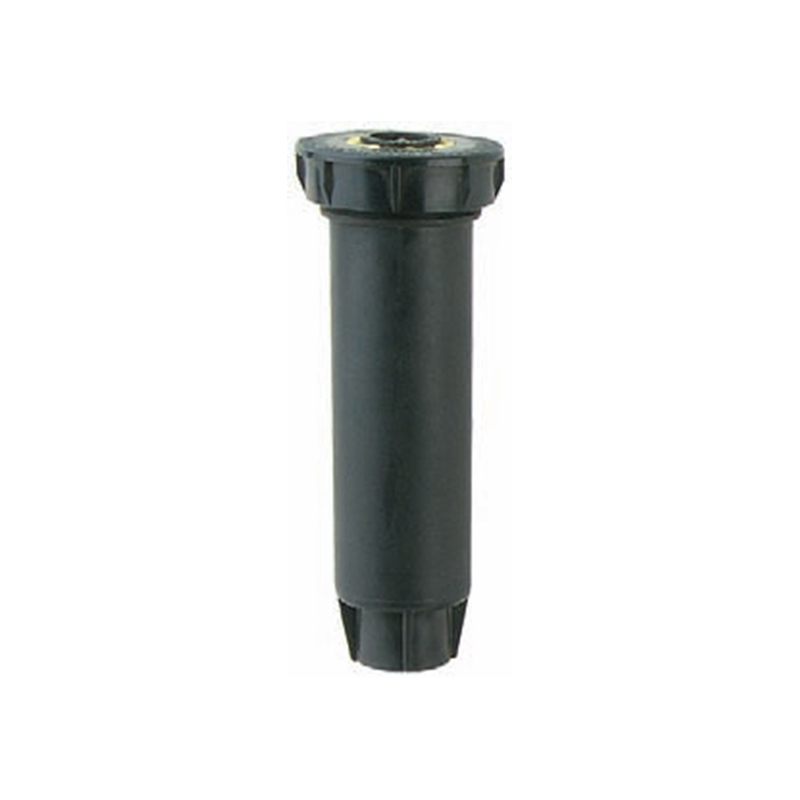 POP-UP Sprinkler for Lawns and Garden LandscapesA concealed sprinkler that rises only during irrigation, keeping lawns tidy and safe. Suitable for small to medium areas, it offers even coverage and easy installation for residential or landscape use.View Product →
For vegetable rows, herbs, or widely spaced ornamental plants, an adjustable dripper with a stake places water right at the root zone, which can cut outdoor water use by as much as 30 to 50 percent compared with overhead spray on hot days. 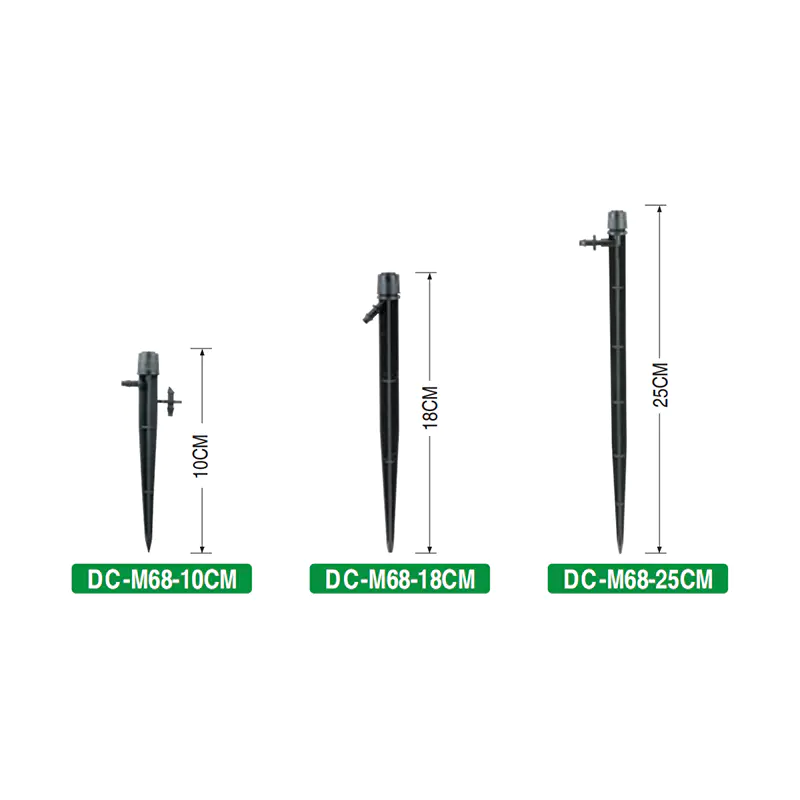 DC-M68 360° Adjustable Flow Diffuser TipA full-circle adjustable flow tip that directs water evenly across planting zones. Its corrosion-resistant build and easy maintenance make it practical for modern horticulture and varied crop layouts.View Product →
If the property contains several different planting zones, check which plants are best matched to each sprinkler type before committing to a zone layout.
Common Sprinkler Head Problems and What Actually Causes Them
Most sprinkler head failures are not mechanical breakdowns; they are system-level issues such as low pressure, debris, or worn seals. The table below lists the six situations we see most often in the field and their realistic fixes.
| Symptom | Most likely cause | Fix |
|---|---|---|
| Head pops up but no water comes out | Clogged filter screen or blocked nozzle | Unscrew the head, flush the line, clean the screen and nozzle. |
| Water jet looks like mist and drifts | Pressure too high for the nozzle size | Install a pressure regulator or use a larger nozzle. |
| Rotor turns slowly or stops | Debris caught in turbine or worn gear train | Disassemble, clean, and replace damaged gears. |
| Impact head never rotates | Broken or misaligned spring on the hammer arm | Replace the spring and check the arm pivot. |
| Water leaks around the head base | Worn O-ring, damaged seal, or cracked riser | Replace seals; inspect the riser thread and pipe. |
| Dry patches inside the spray circle | Low pressure, worn nozzle, or heads spaced too far apart | Measure pressure, replace the nozzle, and check head-to-head spacing. |
A useful troubleshooting habit is to check all heads in one zone at the same time. If every head shows the same symptom, suspect a shared cause such as a failing pump, closed valve, or collapsed supply line. If only one head misbehaves, the problem is almost always inside that head or its connection.
A Maintenance Routine That Keeps Heads Working at Rated Performance
A sprinkler head that receives basic seasonal care will easily reach 5 to 10 years of service, and impact heads with replaceable springs can last even longer. The maintenance routine below takes less than an hour per zone.
- Flush before fitting heads: after any pipe repair or new install, run water through the open risers for 1 to 2 minutes to push out debris, then install heads.
- Clean filter screens monthly: during peak growing season, unscrew each head and rinse the screen even if it looks clean.
- Check arcs and radius: walk the zone after mowing or planting changes; plants grow and can block the spray path.
- Replace worn nozzles and seals: a nozzle worn by sandy water can overwater by 20 to 30 percent without looking damaged.
- Watch for wet spots: soggy areas usually indicate a leaking valve or a cracked seal at the head, not the sprinkler itself.
- Drain or blow out lines before frost: trapped water expands when frozen and cracks heads and pipes.
Keep a few spare springs, O-rings, and nozzles for your most common head model. These small parts cost very little, yet replacing them on site avoids the downtime of waiting for a full head assembly.
Frequently Asked Questions About Sprinkler Heads
Why does my sprinkler head not pop up?
The most common causes are pressure below the head's minimum rating, a clogged riser, or a broken return spring. Measure the pressure at the zone valve while the zone is running; if it is below the head's listed range, the spring cannot overcome the friction of the riser.
Can I run spray heads and rotors on the same zone?
Not recommended. Sprays apply water two to four times faster than rotors, so a common zone will either flood the spray area or starve the rotor area. Keep head types with similar precipitation rates on the same zone, or use pressure-regulated nozzles to narrow the difference.
What pressure is too high for a sprinkler head?
Most residential heads work best between 30 and 50 psi (2.1–3.5 bar). Above 60–70 psi (4.1–4.8 bar), water atomizes into fine droplets that drift, increase evaporation, and create uneven distribution. Install a pressure regulator if your system exceeds 70 psi at the point of connection.
Do I need a filter on every sprinkler head?
Most heads include a built-in filter screen, and that is sufficient if your water source is clean well or city water. For pond, canal, or reclaimed water, add a central sand separator or disc filter at the pump, and still inspect the head screens regularly.
How often should sprinkler heads be replaced?
With regular cleaning and seal replacement, a well-built head lasts 5 to 10 years in residential service. Agricultural impact heads can last longer because their bodies are metal and their springs are sold as service parts. Replace a head when the body cracks, the threads strip, or repair parts are no longer available.
Which head is best for an orchard?
For tall trees, a full-circle impact head on a tall riser covers the floor area while the canopy catches some water. For young trees or precision watering, a low-flow dripper or micro-sprinkler placed at the trunk line saves water and keeps the foliage dry. Match the choice to tree spacing and the local wind conditions.
Prev:No previous articleNext:How Much Water Does a Drip Irrigation System Use per Hour? A Complete Guide
Related products
-
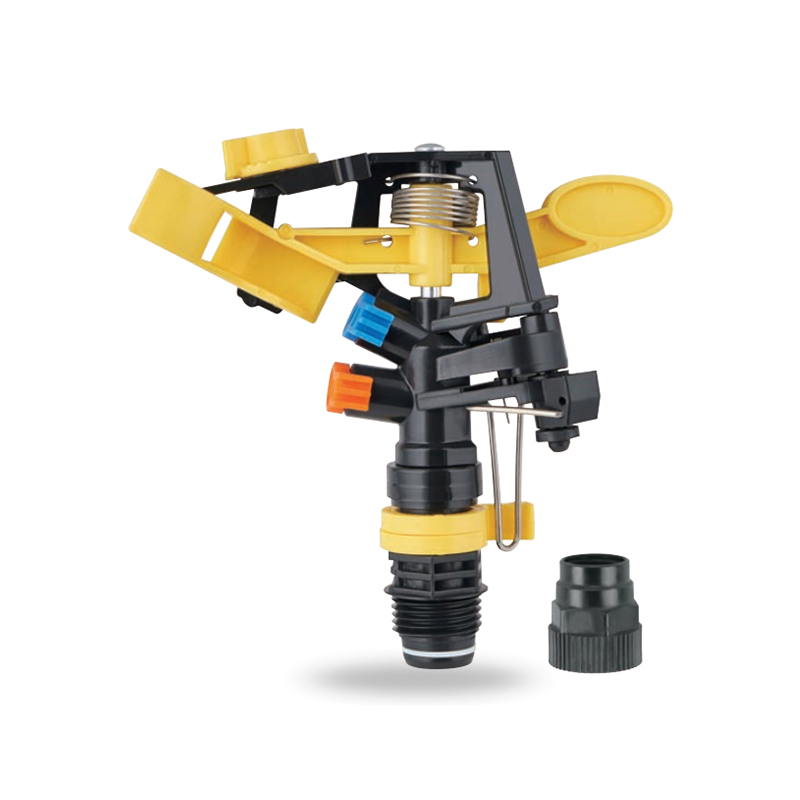
Impact sprinkler for agricultural irrigation is a common and efficient agricultural irrigation tool designed for large areas of farmland. Its unique structure can evenly cover a large area by rotating...
See Details -
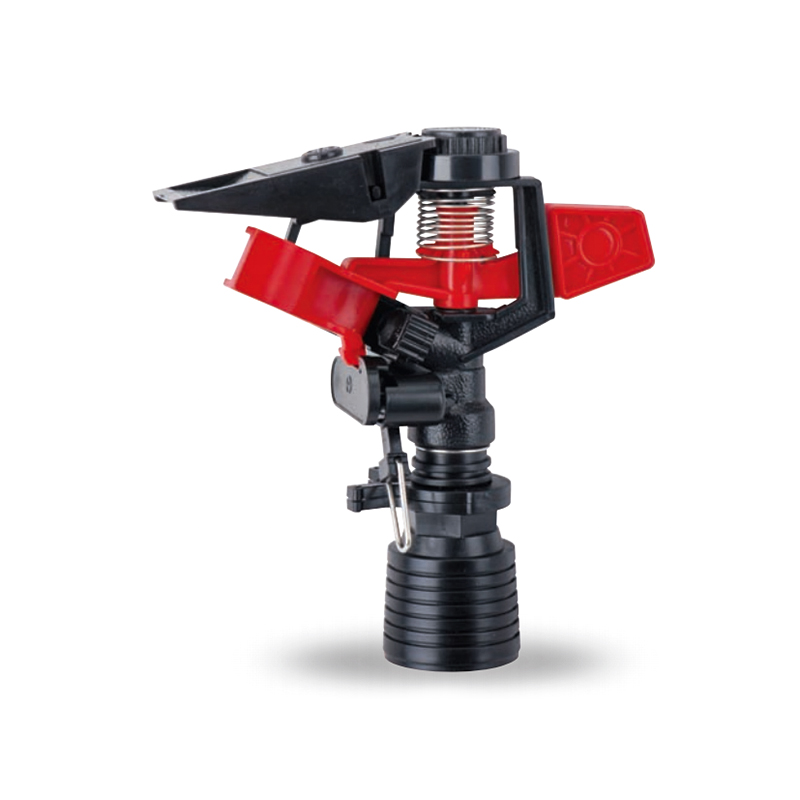
This 360 degree adjustable rocker arm nozzle impact sprinkler is an essential part of an irrigation system designed to meet a wide range of horticultural and agricultural needs. Its flexible adjustmen...
See Details -
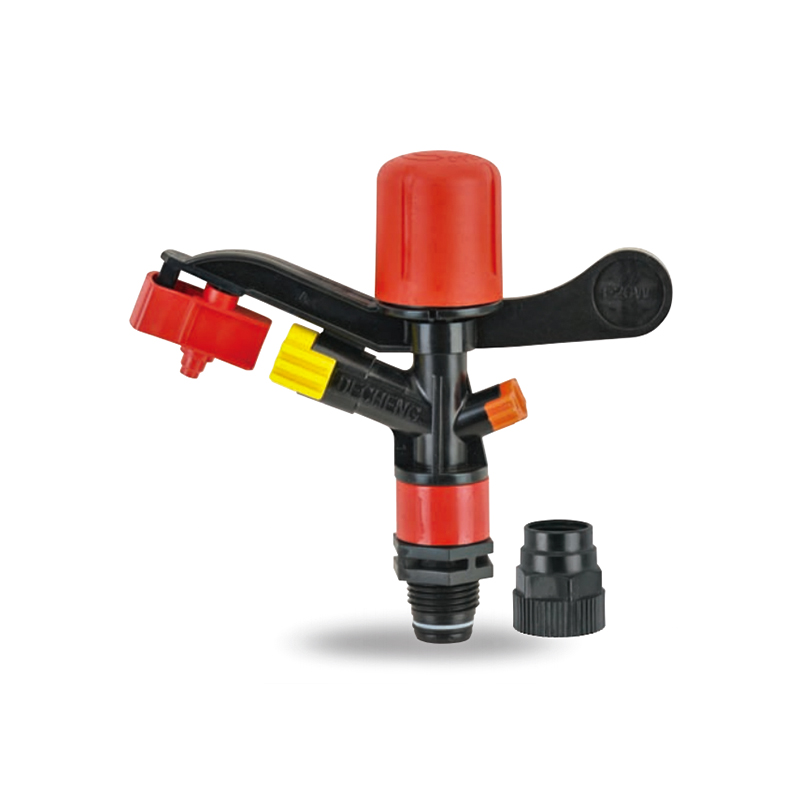
The Plastic Full-Circle Impact Sprinkler Sprayer is a highly efficient full-circle irrigation device designed to provide even moisture coverage. Its lightweight plastic material makes this sprinkler e...
See Details -
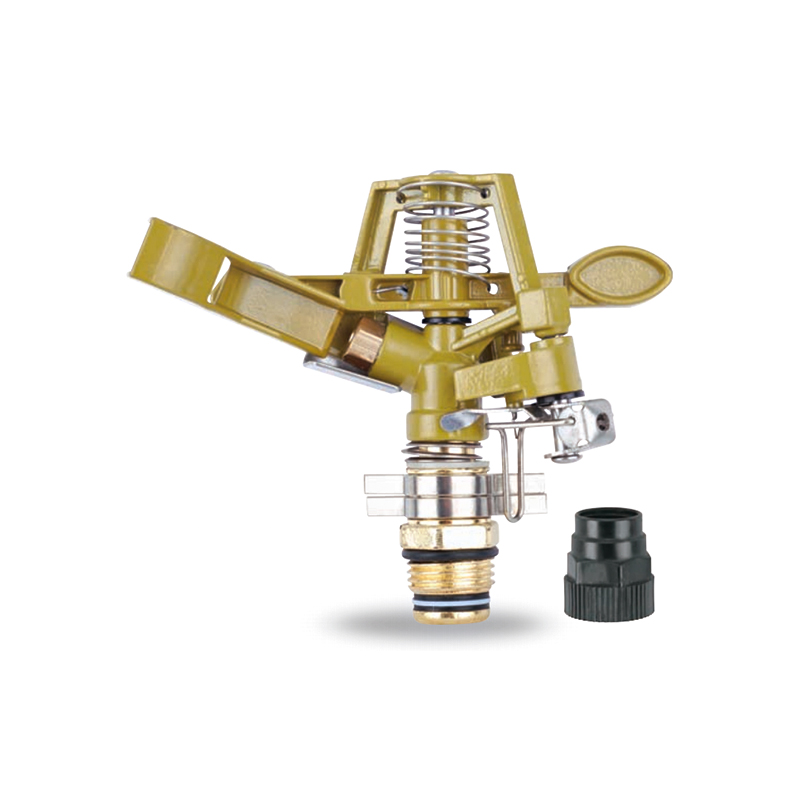
The Irrigation System Adjustable Head Mobile Rotary Zinc Sprinkler is an efficient rotary sprinkler designed for flexible irrigation needs. Its adjustable head allows the user to easily adjust the dir...
See Details -
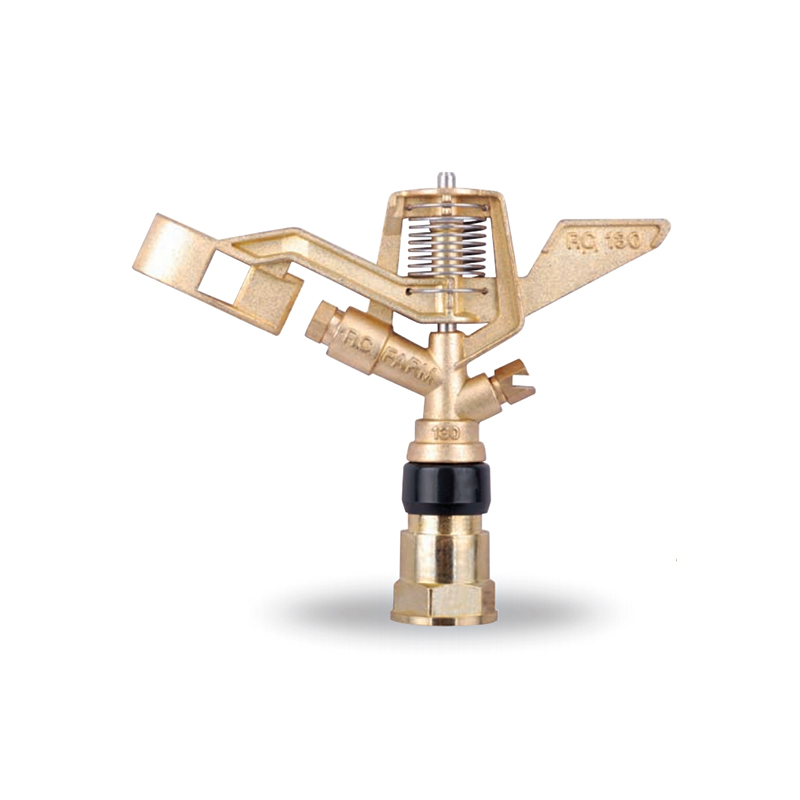
This 3/4” Zinc Alloy Swivel Arm Irrigation Watering System Impact Sprinkler is ideal for agricultural irrigation systems due to its superior durability and corrosion resistance. Its rugged constructio...
See Details -
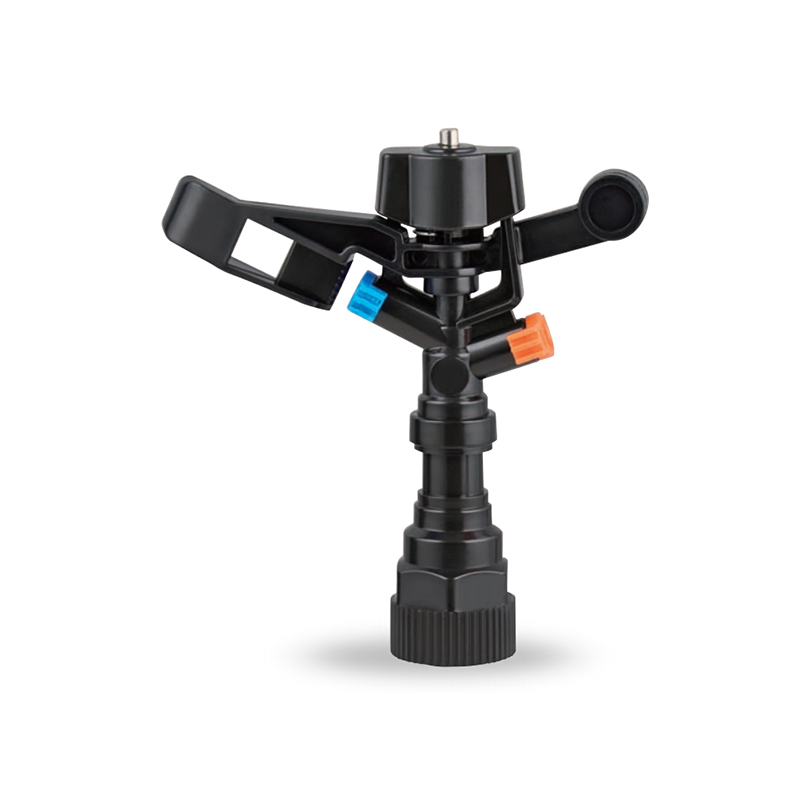
The Double nozzle garden farm impact full-circle sprinkler is well-designed to efficiently and evenly spray water, thus enhancing the quality of crop growth. Whether it's in the home garden or on a la...
See Details -
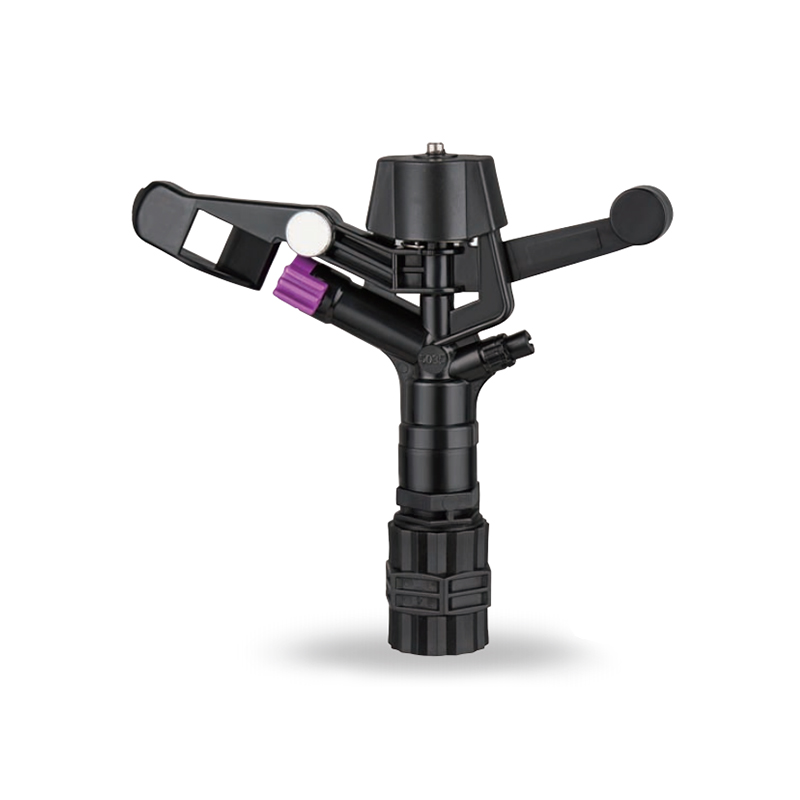
Double nozzle agricultural water plastic impact sprinkler for irrigation sprinkler combines practicality and durability with a dual nozzle system that provides extensive water coverage for a wide rang...
See Details -
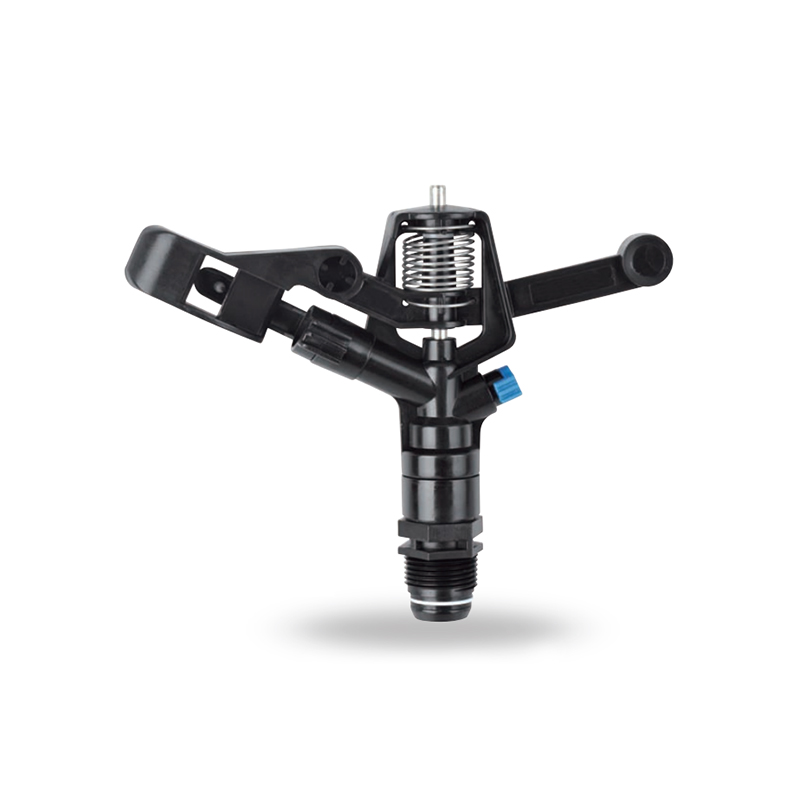
The POM agricultural irrigation sprinkler water impact sprinkler is known for its excellent abrasion resistance and durability, ensuring consistent performance over time. It is designed to increase wa...
See Details -
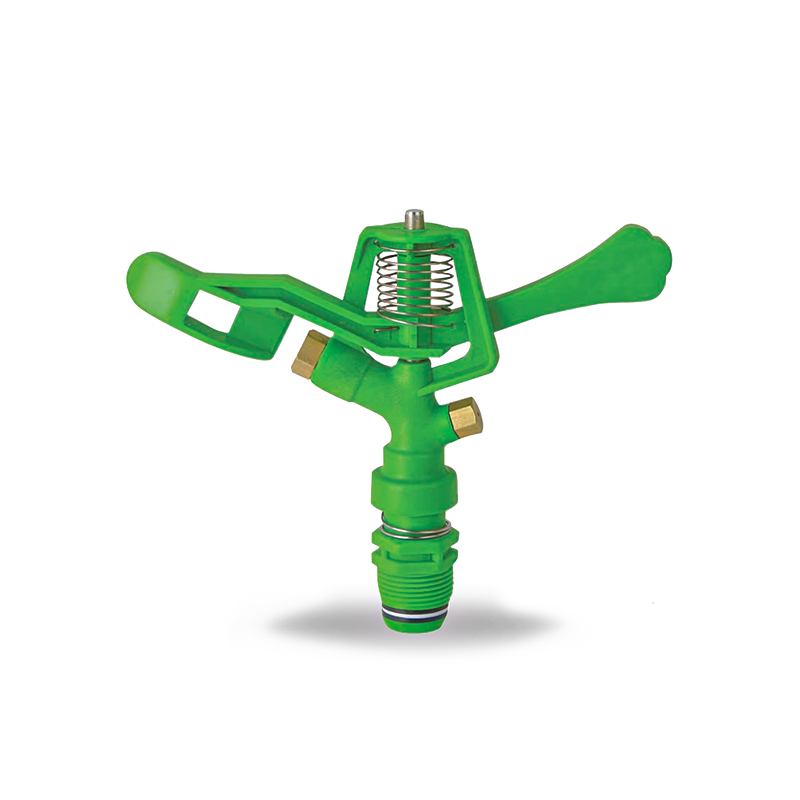
The POM Agricultural Irrigation Sprinkler with Metal Nozzles is a device designed for efficient irrigation, combining premium polyacetal (POM) material with durable metal nozzles to ensure superior sp...
See Details -
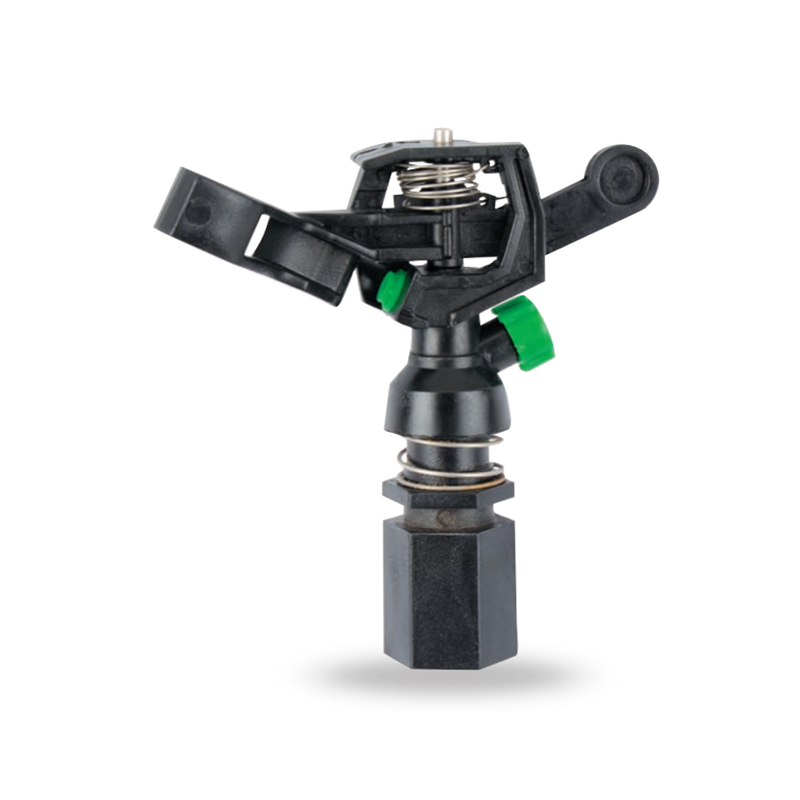
Watering irrigation system 3/4 inch nozzle field Impact Sprinkler is perfect for field irrigation and easily meets the water needs of large crops. Its powerful spray ensures that every nook and cranny...
See Details -
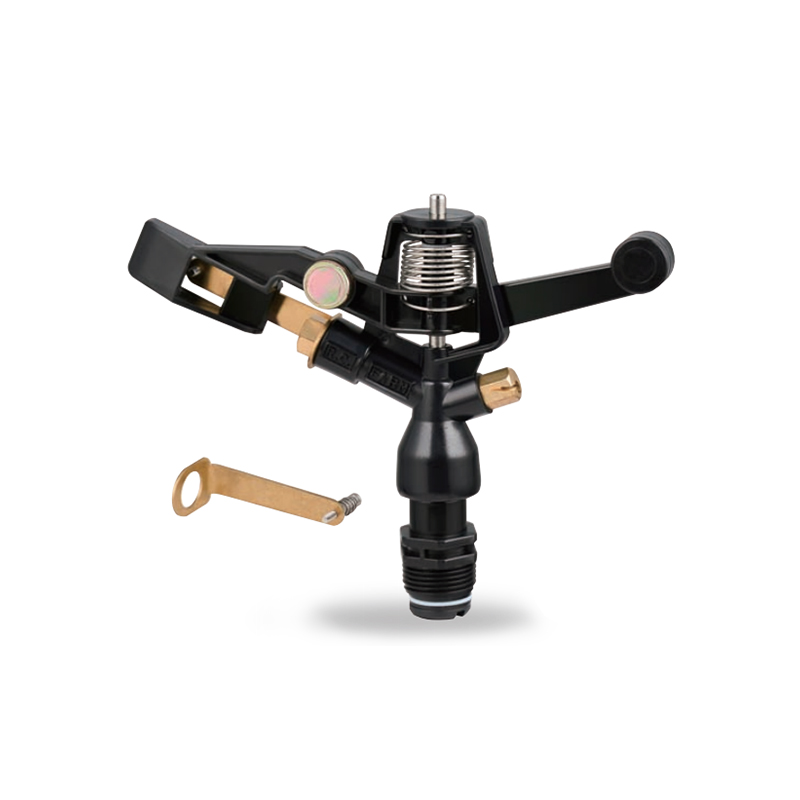
The POM Agricultural Irrigation Sprinkler with Brass Nozzles is an efficient and durable irrigation device designed to meet a wide range of agricultural needs. The sprinkler is made of polyacetal (POM...
See Details -
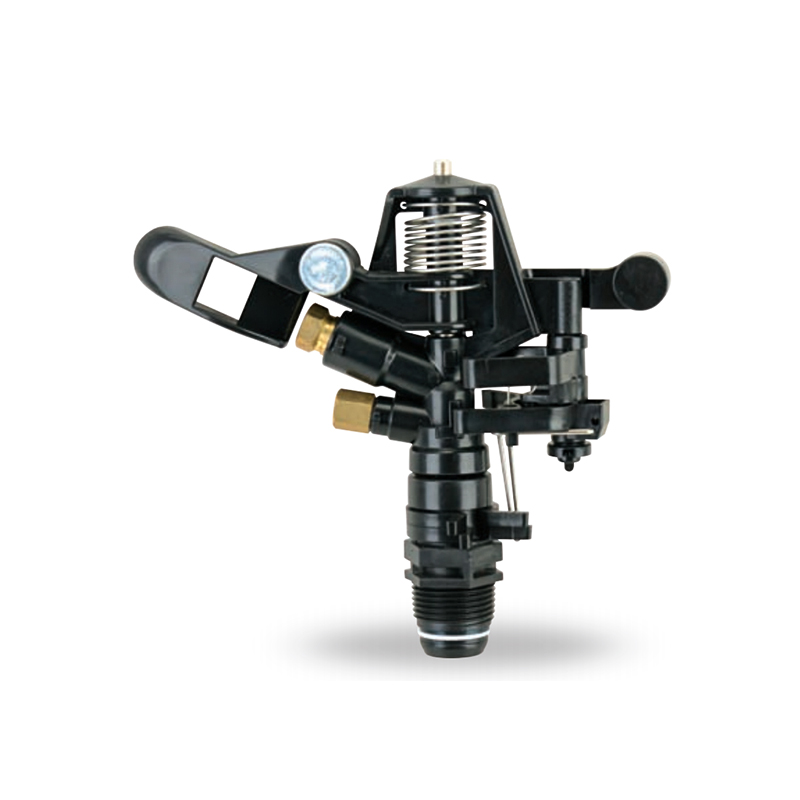
The Double Nozzle Garden Farm Impact Part-Circle Sprinkler is a highly efficient garden irrigation device designed for large planting areas. Its double nozzle design produces a strong, even stream of ...
See Details

PRODUCTS & SERVICES

CONTACT US
 No.518, Ruihao Road, Lizhou Street, Yuyao City, Zhejiang Province, China
 +86-13105554615 / +86-18005843886
 decheng@dcssq.com fredzhu@dcssq.com
 LISA
 Fred Zhu
Copyright © Ningbo Dewo Irrigation Equipment Co., Ltd. All Rights Reserved. China Agricultural Plastic Sprinkler Manufacturers Wholesale Irrigation Plastic Sprinkler Factory
