

 Search for...
 English
 Español
 中文简体
How Much Water Does a Drip Irrigation System Use per Hour? A Complete Guide
Content
- 1 What Determines How Much Water a Drip System Uses?
- 2 Standard Flow Rates for Emitters and Drip Tape
- 3 How to Calculate Your Drip System's Total Water Consumption
- 4 How Long Should You Run Drip Irrigation?
- 5 Real-World Water Consumption Examples
- 6 Drip Irrigation vs. Sprinklers: How Water Consumption Compares
- 7 How to Measure Your Drip System's Actual Flow Rate
- 8 Seasonal Adjustments to Reduce Water Waste
- 9 Frequently Asked Questions about Drip Irrigation Water Use
- 9.1 Q1: How much water does a drip system use per hour?
- 9.2 Q2: How many gallons per minute does drip irrigation use?
- 9.3 Q3: How long should I run drip irrigation for vegetables?
- 9.4 Q4: Can I run drip irrigation every day?
- 9.5 Q5: Does drip irrigation use less water than sprinklers?
- 9.6 Q6: What is the flow rate of drip tape?
- 9.7 Q7: How do I know if I am overwatering with drip?
A drip irrigation system uses 0.5 to 4 gallons of water per hour for each emitter, and a typical residential zone consumes between 20 and 60 gallons per hour of runtime. Drip tape rated at 0.45 gallons per minute per 100 feet delivers roughly 27 gallons per hour over that 100-foot length, while individual 1 GPH flag emitters add up quickly across a 50-emitter bed: 50 gallons per hour. The number you land on depends on emitter ratings, emitter count, spacing, operating pressure, soil texture, and plant water demand.
This guide gives you the direct figures first, then shows you how to calculate your own system's water use using the same formulas irrigation professionals rely on. You will also find runtime tables, comparison data against sprinklers, and a simple method for measuring your actual flow at the tap.
What Determines How Much Water a Drip System Uses?
The big answer: flow ratings. Every emitter, drip tape, and micro sprinkler has a rated discharge, expressed in gallons per hour (GPH) or gallons per minute (GPM). Your system's total consumption is the sum of every emission point operating at the same time. But seven variables shape that total in practice:
- Emitter flow rating: Common ratings are 0.5, 1, 2, and 4 GPH. The rated flow is measured at a reference pressure, usually 15 PSI.
- Number of emission points: More emitters equal more water. One 100-foot row with emitters every 12 inches has 100 emission points.
- Operating pressure: Non-pressure-compensating emitters discharge more water as pressure rises. Run your system outside its recommended pressure range and the flow numbers become unreliable.
- Drip tape vs. drip line vs. individual drippers: Tape flows per 100-foot run; line flows per built-in emitter; individual drippers flow per unit. Choosing one over the other changes your total dramatically.
- Soil type: Sandy soils absorb water fast but hold little, so you water more often. Clay soils take water slowly, so runtimes must be shorter to avoid runoff.
- Plant water demand: A mature tomato plant can need 1 to 2 gallons per day in peak heat, while a succulent in the same garden needs nearly nothing.
- Climate and season: Evapotranspiration rates drive weekly water needs. Coastal summers can demand half the water of inland desert summers.
These factors combine into one practical question: what GPH is your specific layout delivering? The following sections answer that with reference tables and worked examples.
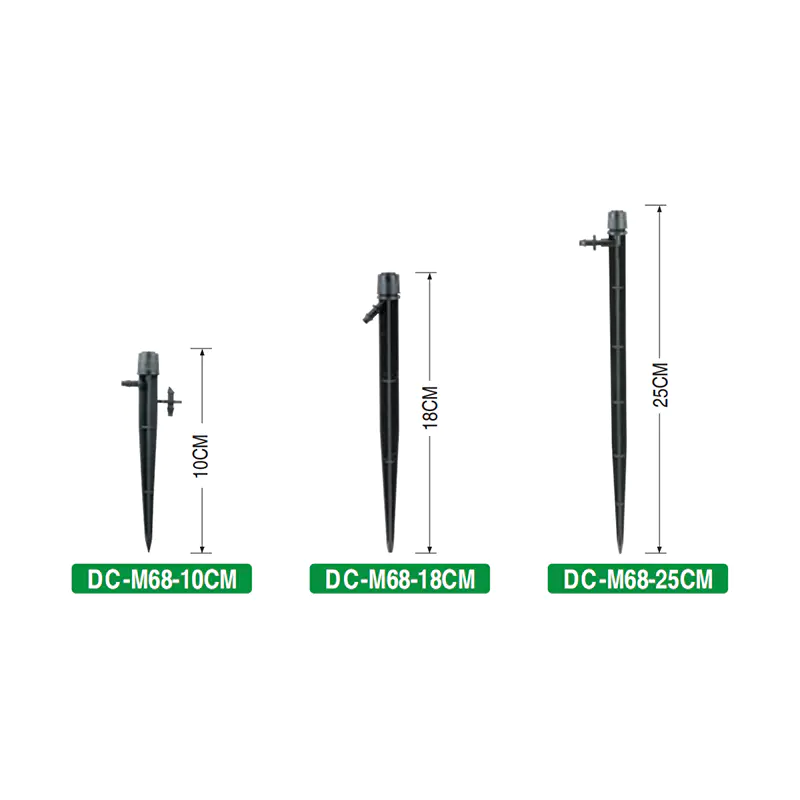 Adjustable 360-Degree Flow Diffusion Drip TipThis corrosion-resistant drip tip lets you adjust flow direction up to 360 degrees, making it easy to match water delivery to plant needs. Its UV-stable build suits varied climates and simplifies layout planning for row-crop or garden irrigation.View Product →
Standard Flow Rates for Emitters and Drip Tape
The table below summarizes flow rates for the most common drip components, based on manufacturer specifications and what extension services publish for row-crop irrigation. These are working numbers you can trust when planning a layout.
| Component | Flow Rate | Common Application |
|---|---|---|
| Individual adjustable dripper | 0 to 2 GPH | Containers, vegetable rows, landscaped beds |
| Pressure-compensating dripper | 0.5 to 4 GPH | Slopes, long laterals, uniform delivery zones |
| Drip tape (thin-walled) | 0.22 to 0.85 GPM per 100 ft | Row crops, annual vegetables, strawberries |
| In-line emitter tubing | 0.4 to 2 GPH per emitter | Permanent plantings, hedges, orchard rows |
| Micro sprinkler | 8 to 25 GPH | Groundcovers, dense planting, nurseries |
Pay attention to the distinction between GPH and GPM. One emitter delivering 1 GPH pours out about one quart every 15 minutes, which sounds slow until you multiply across 100 locations. A pressure-compensating dripper holds its rated output across a range of inlet pressures, which is why it is the preferred choice for hillsides and long runs. For adjustable-flow units like the one profiled above, you can dial down to a trickle for seedlings or open up for mature plants within the same watering session.
How to Calculate Your Drip System's Total Water Consumption
The master formula is simple:
Total system flow (GPH) = (Number of emitters × emitter GPH) + (Tape length in ft ÷ 100 × tape GPM/100 ft × 60)
Work through these three real-world examples:
Example 1: All individual emitters
A raised bed uses 24 adjustable drippers, each set to 1 GPH. Total flow = 24 × 1 = 24 GPH. Running this zone for 45 minutes applies 18 gallons to the bed.
Example 2: Drip tape system
A 250-foot vegetable row uses 0.45 GPM/100 ft tape. Total flow = (250 ÷ 100) × 0.45 × 60 = 67.5 GPH. A two-hour run applies 135 gallons to the entire row.
Example 3: Mixed layout
A backyard system combines 40 emitters at 0.5 GPH, 8 emitters at 2 GPH, and 100 feet of 0.4 GPM/100 ft tape. Total flow = (40 × 0.5) + (8 × 2) + (100 ÷ 100 × 0.4 × 60) = 20 + 16 + 24 = 60 GPH.
Once you know GPH, convert it into monthly consumption:
- Gallons per watering cycle = GPH × hours per run
- Gallons per week = gallons per cycle × cycles per week
- Gallons per month = gallons per week × 4.3
Using the mixed layout above at 1.5 hours per run, 3 runs per week: 60 × 1.5 = 90 gallons per cycle, 270 gallons per week, and about 1,161 gallons per month during the growing season. That number drops to near zero in wet months because you stop the timer.
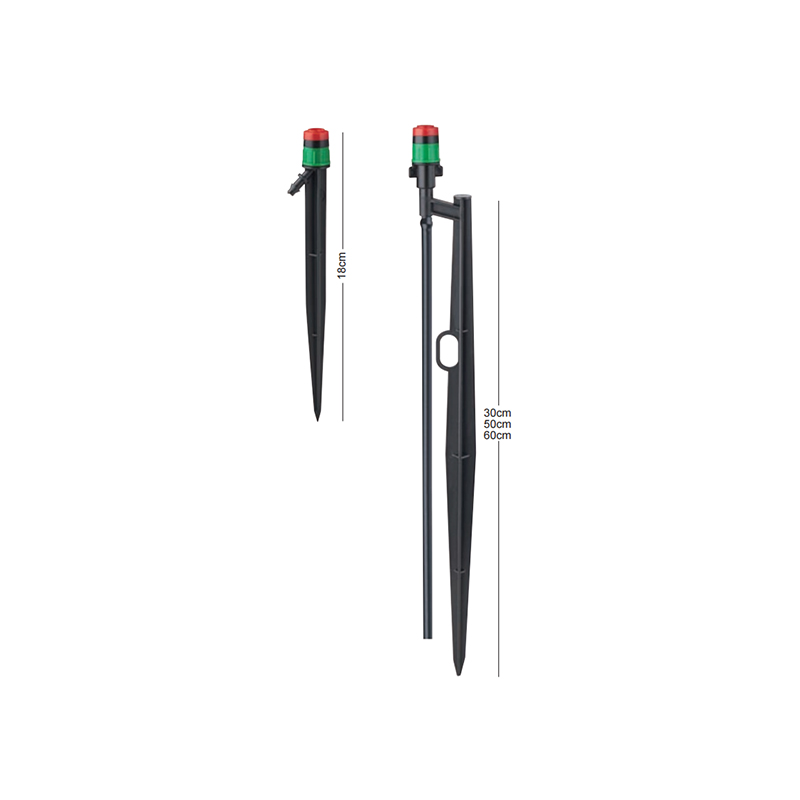 Pressure-Compensating 360-Degree Fountain Sprinkler DripperEngineered to maintain steady discharge across changing water pressures, this dripper helps keep runtime tables accurate on sloped terrain. Its 360-degree spray offers even coverage while the durable, UV-resistant construction supports long-term outdoor use.View Product →
How Long Should You Run Drip Irrigation?
The target is to apply about 1 inch of water per week to most vegetables and annuals. Penn State Extension's vegetable irrigation guidelines show that drip tape at 0.45 GPM per 100 feet takes roughly 5.8 hours to apply 1 inch of water to a 30-inch bed. That reference point is widely used by growers and landscapers because it accounts for emitter spacing and bed width.
To find your own runtime, use this equation:
Runtime (hours) = (Area in square feet × Water depth in inches × 0.623) ÷ Total system flow in GPH
The factor 0.623 converts one inch of water over one square foot into gallons. So a 500-square-foot vegetable area needing 1 inch per week with a system flowing 60 GPH requires (500 × 1 × 0.623) ÷ 60 = 5.19 hours per week. Split that into three waterings of about 1 hour 44 minutes each, or four waterings of 78 minutes if your soil is sandy.
| Area watering | Area (sq ft) | Water need (gal/week) | System flow (GPH) | Runtime per week |
|---|---|---|---|---|
| Raised bed vegetables | 100 | 62 | 25 | 2.5 hours |
| Mixed garden | 500 | 312 | 60 | 5.2 hours |
| Orchard block | 2,000 | 1,246 | 140 | 8.9 hours |
Pressure-compensating drippers keep these runtime calculations reliable even when your property has elevation changes. A non-compensating emitter at the bottom of a slope can discharge 20 to 30 percent more water than the same emitter at the top, which directly inflates your total consumption and causes uneven growth. Uniform flow means your runtime table stays valid end to end.
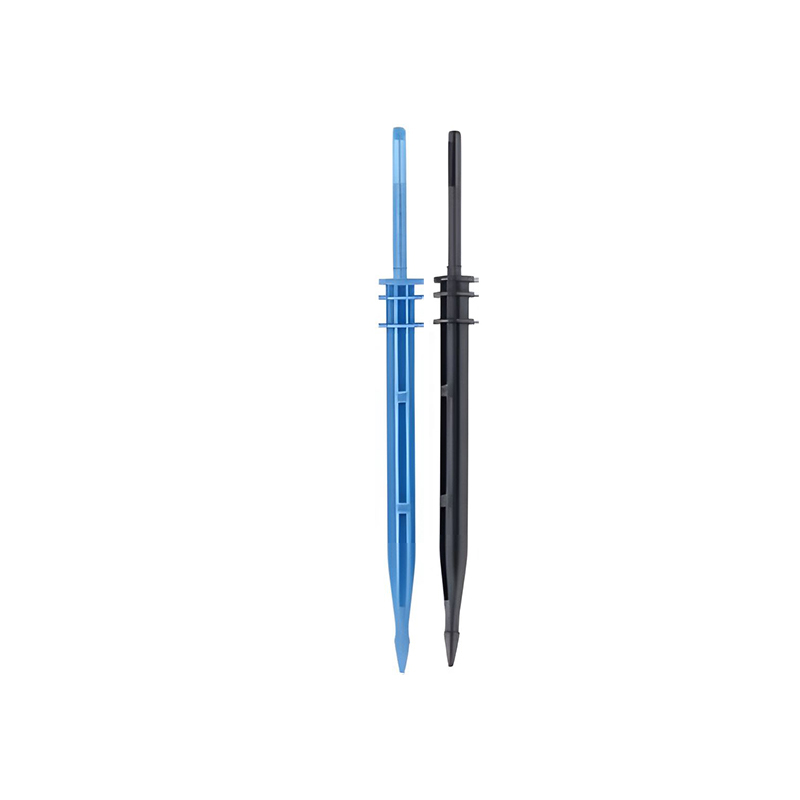 Arrow-Shaped Drippers for Precise Root-Level IrrigationThese arrow-shaped emitters insert directly into the soil to deliver water straight to plant roots, improving water efficiency. Built from corrosion-resistant, UV-stable materials, they support accurate water management and come in multiple configurations for flexible layout designs.View Product →
Real-World Water Consumption Examples
Concrete numbers help you sanity-check your own system. The three scenarios below reflect layouts commonly installed by homeowners and small growers.
Scenario 1: Backyard raised beds (32 sq ft)
Two 4×8-foot beds with 24 adjustable drippers at 1 GPH deliver 24 GPH. Weekly water need at 1 inch: 32 × 0.623 = roughly 20 gallons. Runtime per week: 20 ÷ 24 = 50 minutes, ideally split into two 25-minute runs. Monthly consumption during active growth: about 86 gallons. That is less than one flush of a standard toilet per day.
Scenario 2: 100-foot row crop with drip tape
One hundred feet of 0.45 GPM/100 ft tape on 2-foot-wide beds covers 200 square feet. Total flow: 27 GPH. Weekly need: 200 × 0.623 = 125 gallons. Runtime: 4.6 hours per week, usually delivered as three 90-minute waterings. That equals 536 gallons per month for roughly 40 tomato or pepper plants.
Scenario 3: Ten-tree orchard
Ten mature trees each get two 2 GPH arrow drippers placed at the drip line. System flow: 10 × 2 × 2 = 40 GPH. Mature fruit trees in a moderate climate need roughly 15 gallons per tree per week in summer, so 150 gallons total. Runtime: 3.75 hours per week, best split into two or three deeper waterings. Monthly use: approximately 645 gallons during peak season.
Notice the pattern: small zones consume less than 100 gallons per month, while medium permanent plantings run into the hundreds. If your monthly usage is well outside these ranges, check for leaks, mismatched emitter ratings, or runtimes that are longer than the soil actually needs.
Drip Irrigation vs. Sprinklers: How Water Consumption Compares
Drip irrigation is 85 to 92 percent efficient at delivering water to the root zone, while sprinklers typically achieve only 60 to 75 percent efficiency. That 20-to-30-point gap translates directly into water savings. DripWorks, a well-known irrigation supplier, reports that drip systems use about 90 percent less water than some traditional flood methods and reduce consumption by roughly 30 to 50 percent compared with sprinklers on the same crop or landscape area. The U.S. Environmental Protection Agency's WaterSense program similarly documents that drip irrigation can save 30 to 40 percent of water compared with conventional spray systems.
| Factor | Drip Irrigation | Sprinkler Irrigation |
|---|---|---|
| Typical water efficiency | 85-92% | 60-75% |
| Flow per emission point | 0.5-4 GPH per emitter | 1.5-3 GPM per head |
| Evaporation loss | Very low | 20-30% on hot, windy days |
| Overspray and runoff risk | Minimal | Moderate to high |
| Gallons needed for 100 sq ft at 1 inch | 62 (after losses ~70) | 62 (after losses ~90) |
The practical consequence: a 500-square-foot lawn or garden that needs 312 gallons of water per week at the root zone will consume about 340 gallons with drip and roughly 420 gallons with a well-adjusted sprinkler. On an annual basis across a five-month watering season, that difference adds up to 1,600 to 2,000 gallons saved per 500 square feet. For larger properties, the gap grows into tens of thousands of gallons. That is why drip is the default recommendation for row crops, permanent plantings, and any landscape where water cost matters.
If you are still deciding between watering technologies, think about the plants first. Certain species respond better to overhead spray (e.g., lawn grasses, dense groundcovers) while others thrive with targeted root-zone delivery (e.g., tomatoes, peppers, fruit trees, shrubs). A useful reference on plant suitability for different irrigation methods is available in this guide to plant-appropriate irrigation selection. The watering bill difference usually pushes growers toward drip for high-value crops and permanent plantings.
How to Measure Your Drip System's Actual Flow Rate
Relying on printed emitter ratings is fine, but measuring your own system catches pressure problems, clogged emitters, and manufacturing variations. The bucket method takes less than ten minutes and requires no special tools.
- Select a test emitter in the middle of a zone, away from the start and far end, so the measurement reflects average conditions.
- Disconnect the emitter from its stake or lift the line so the outlet is free to discharge into a bucket.
- Place a known-volume container (a 1-gallon jug or 5-gallon bucket) under the outlet and start a timer.
- Run the system for exactly 60 seconds at the normal operating pressure, then stop and measure the collected water.
- Multiply the volume by 60 to get the emitter's GPH. Repeat for five to ten emitters across the zone and average the results.
If the measured flow is more than 15 percent off from the rated value, check the pressure with a gauge installed at the manifold. Low pressure can be caused by undersized supply lines, clogged filters, or too many zones running at once. High pressure often points to a missing pressure regulator. Fix the pressure problem before redesigning your schedule, because the runtime calculations in this guide only hold true when flow rates are accurate.
For an entire-zone measurement, run the zone into a large container or watch your main water meter while the zone is active. Read the meter dial, run for five minutes, and subtract the baseline. That gives you the total zone discharge, which is the most reliable number for setting schedules.
Seasonal Adjustments to Reduce Water Waste
Most drip systems waste water not by leaking, but by running on the same schedule from May through September. Plant water demand swings by 50 percent between spring and summer, and soil moisture changes constantly. Adjusting your timer corresponds to real savings.
| Season | Adjustment vs. peak summer | Practical change |
|---|---|---|
| Early spring | Reduce by 40-50% | Drop from 3 to 2 waterings per week |
| Late spring | Reduce by 20-30% | Keep frequency, shorten each run by 20% |
| Peak summer | Full schedule | Standard runtimes from your calculation |
| Early fall | Reduce by 25-35% | Return to late-spring schedule |
| Late fall / winter | Reduce by 80-100% | Drain and winterize in freezing climates |
Beyond seasonality, three practices cut water use without stressing plants:
- Rain sensors or soil moisture sensors: A simple rain shutoff switch saves 10 to 20 percent of seasonal water by skipping runs after precipitation.
- Group plants with similar water needs: Separate thirsty vegetables from drought-tolerant ornamentals so you are not overwatering the latter to satisfy the former.
- Mulch over drip lines: A 2-to-3-inch layer of organic mulch over the tubing reduces evaporative loss from the soil surface and keeps the root zone cooler, cutting total demand by an estimated 15 to 20 percent.
Frequently Asked Questions about Drip Irrigation Water Use
Q1: How much water does a drip system use per hour?
A single emitter delivers 0.5 to 4 gallons per hour, depending on its rating. A complete zone uses the sum of all its emitters: for example, 50 emitters at 1 GPH equals 50 gallons per hour. Drip tape adds 22 to 85 gallons per hour per 100-foot run depending on the tape grade and pressure.
Q2: How many gallons per minute does drip irrigation use?
Divide total gallons per hour by 60. A 60 GPH zone therefore uses 1 gallon per minute. Most residential drip zones stay below 3 GPM, and a drip system rarely needs the 10-to-15 GPM that a full sprinkler system demands.
Q3: How long should I run drip irrigation for vegetables?
Vegetables generally need 1 inch of water per week from all sources. With 1 GPH emitters spaced every 12 inches in a 4-foot bed, that equals roughly 45 to 60 minutes per watering, two to three times per week. In sandy soil, run 25 to 30 minutes every other day; in clay soil, run 60 to 80 minutes twice weekly.
Q4: Can I run drip irrigation every day?
You can, but daily watering is rarely ideal. Frequent shallow runs keep the soil surface wet and encourage shallow root systems. Most plants prefer deeper, less frequent watering that pushes moisture down 6 to 12 inches. Exceptions are sandy soils and potted plants, which may need daily or even twice-daily irrigation during peak heat.
Q5: Does drip irrigation use less water than sprinklers?
Yes, between 30 and 50 percent less under typical conditions. The efficiency gap comes from eliminating wind drift, overspray, and much of the evaporation that affects sprinkler systems.
Q6: What is the flow rate of drip tape?
Standard drip tape flows range from 0.22 to 0.85 gallons per minute per 100 feet. The most common agricultural grade is 0.45 GPM per 100 feet, which works out to about 27 gallons per hour for a 100-foot row. Lower-flow tape at 0.22 GPM is used on erodible or heavy soils where slower application rates reduce runoff.
Q7: How do I know if I am overwatering with drip?
Check the soil 6 hours after a watering cycle. Push a screwdriver or soil probe 6 to 8 inches down into the root zone. If it comes up wet and muddy at the surface while dry below, shorten the runtime. If water puddles on the surface during a run, reduce frequency or emitter flow. Healthy plants with evenly moist, not soggy, soil indicate your schedule is correct.
Related products
-
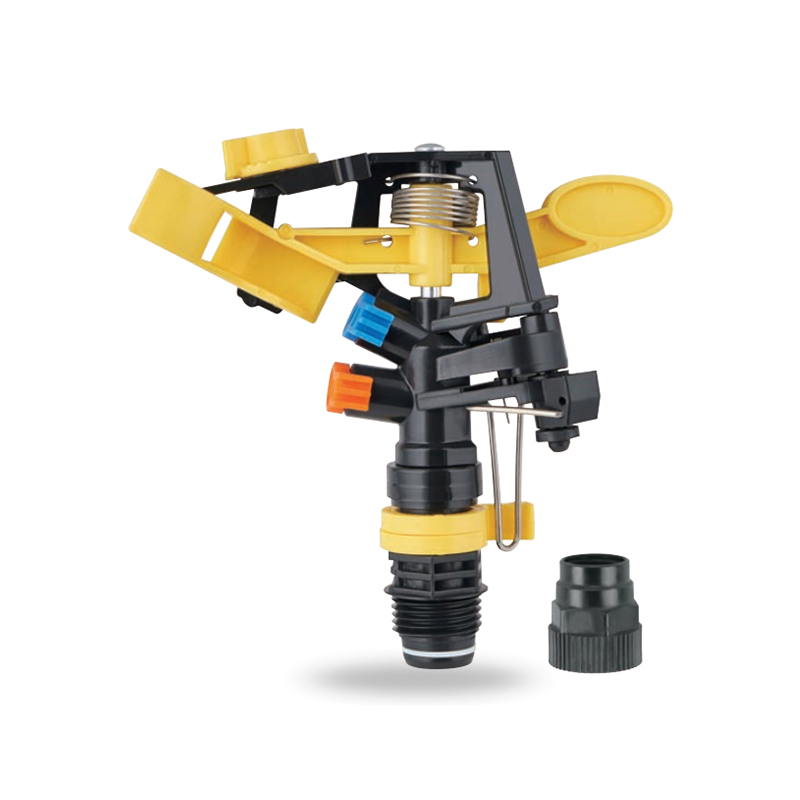
Impact sprinkler for agricultural irrigation is a common and efficient agricultural irrigation tool designed for large areas of farmland. Its unique structure can evenly cover a large area by rotating...
See Details -
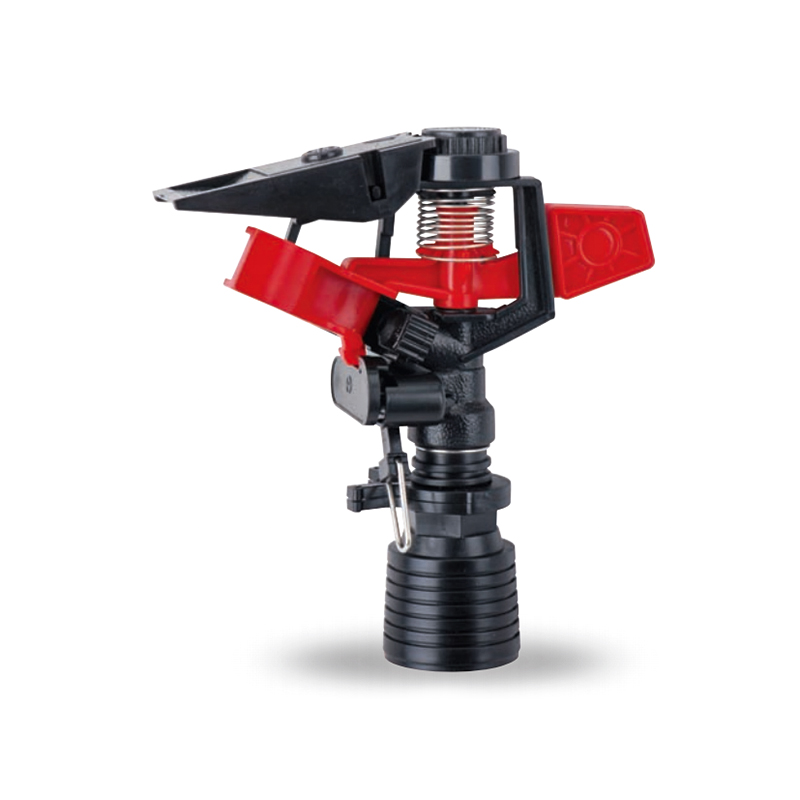
This 360 degree adjustable rocker arm nozzle impact sprinkler is an essential part of an irrigation system designed to meet a wide range of horticultural and agricultural needs. Its flexible adjustmen...
See Details -
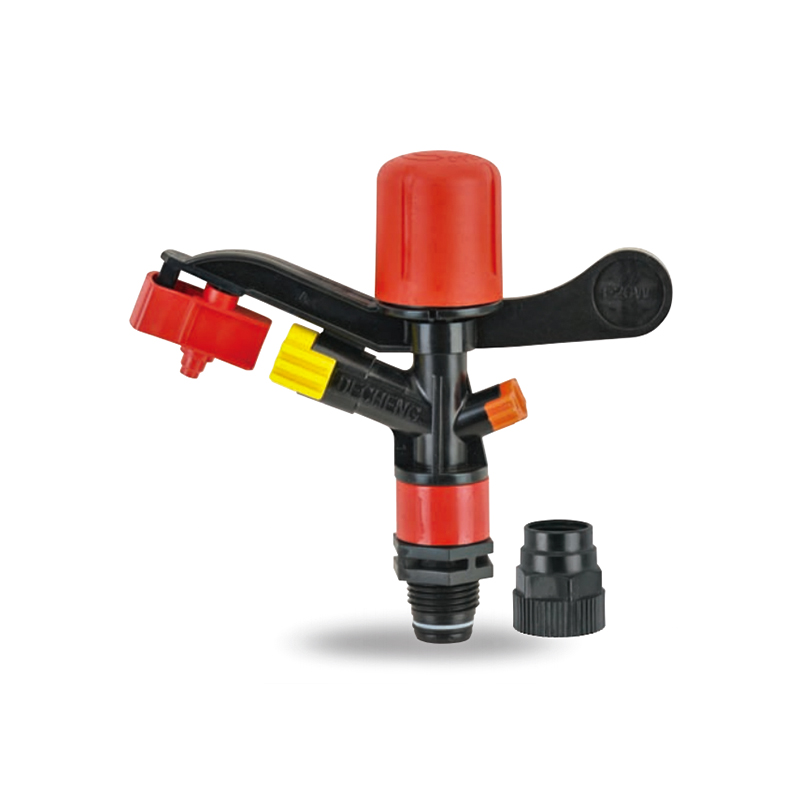
The Plastic Full-Circle Impact Sprinkler Sprayer is a highly efficient full-circle irrigation device designed to provide even moisture coverage. Its lightweight plastic material makes this sprinkler e...
See Details -
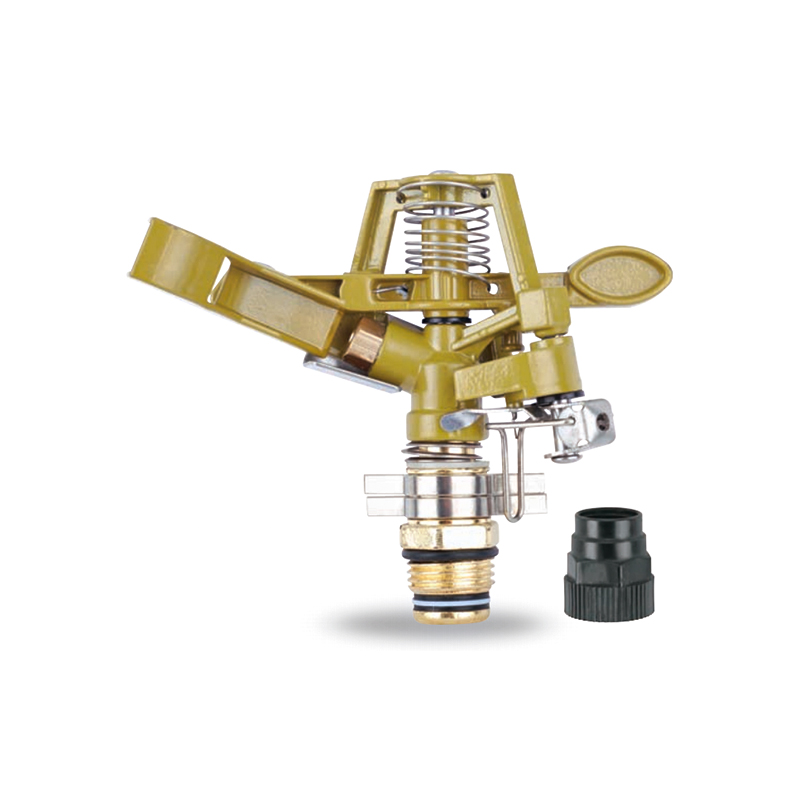
The Irrigation System Adjustable Head Mobile Rotary Zinc Sprinkler is an efficient rotary sprinkler designed for flexible irrigation needs. Its adjustable head allows the user to easily adjust the dir...
See Details -
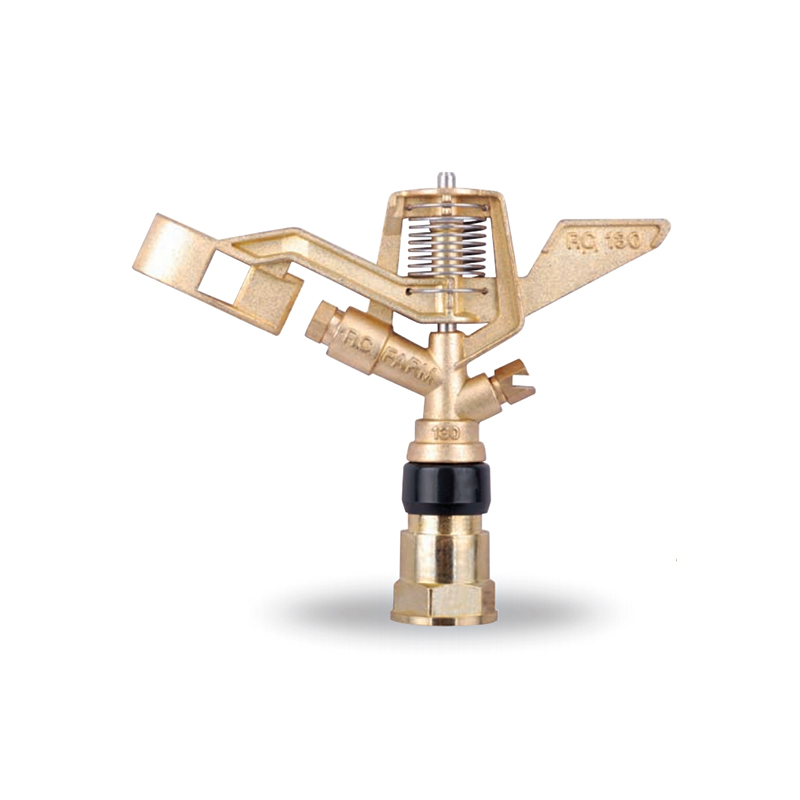
This 3/4” Zinc Alloy Swivel Arm Irrigation Watering System Impact Sprinkler is ideal for agricultural irrigation systems due to its superior durability and corrosion resistance. Its rugged constructio...
See Details -
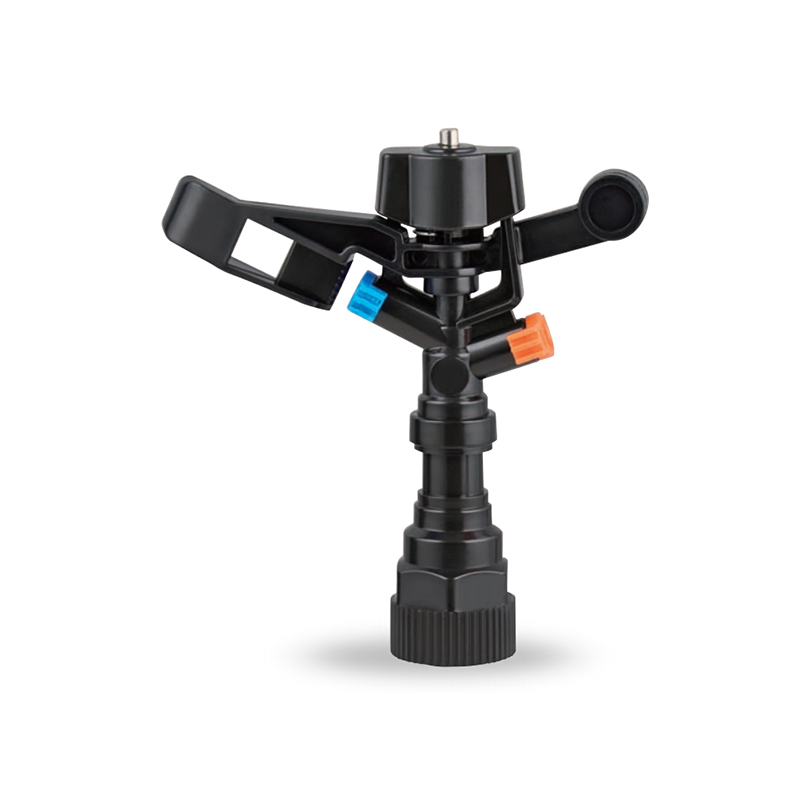
The Double nozzle garden farm impact full-circle sprinkler is well-designed to efficiently and evenly spray water, thus enhancing the quality of crop growth. Whether it's in the home garden or on a la...
See Details -
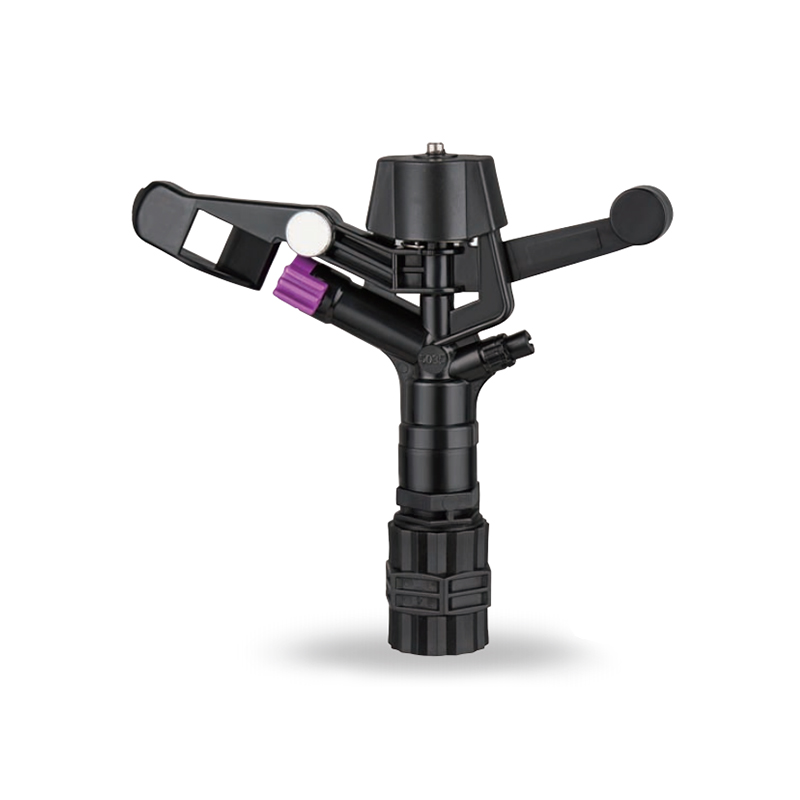
Double nozzle agricultural water plastic impact sprinkler for irrigation sprinkler combines practicality and durability with a dual nozzle system that provides extensive water coverage for a wide rang...
See Details -
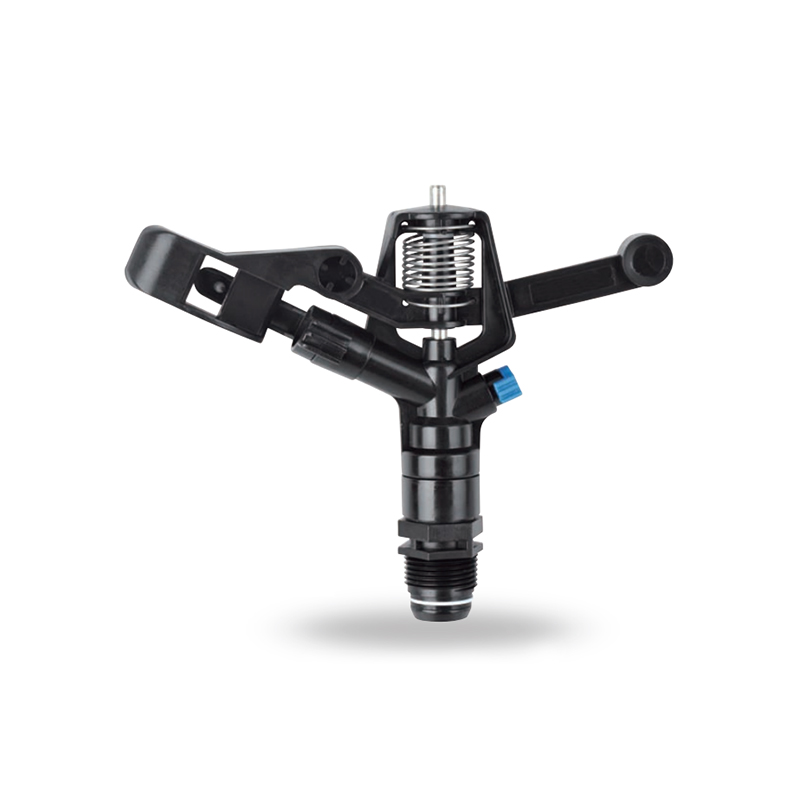
The POM agricultural irrigation sprinkler water impact sprinkler is known for its excellent abrasion resistance and durability, ensuring consistent performance over time. It is designed to increase wa...
See Details -
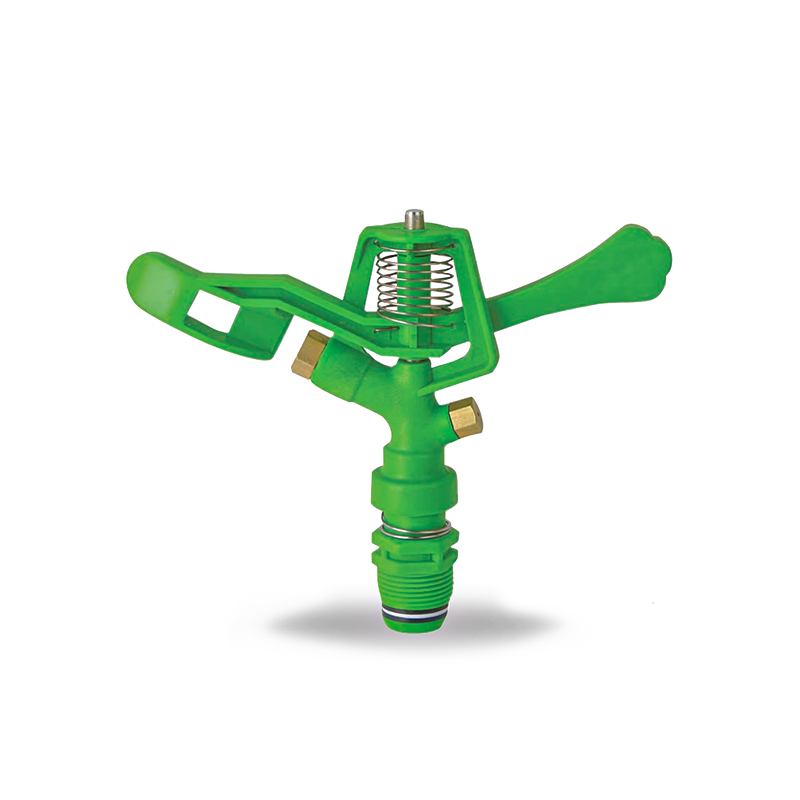
The POM Agricultural Irrigation Sprinkler with Metal Nozzles is a device designed for efficient irrigation, combining premium polyacetal (POM) material with durable metal nozzles to ensure superior sp...
See Details -
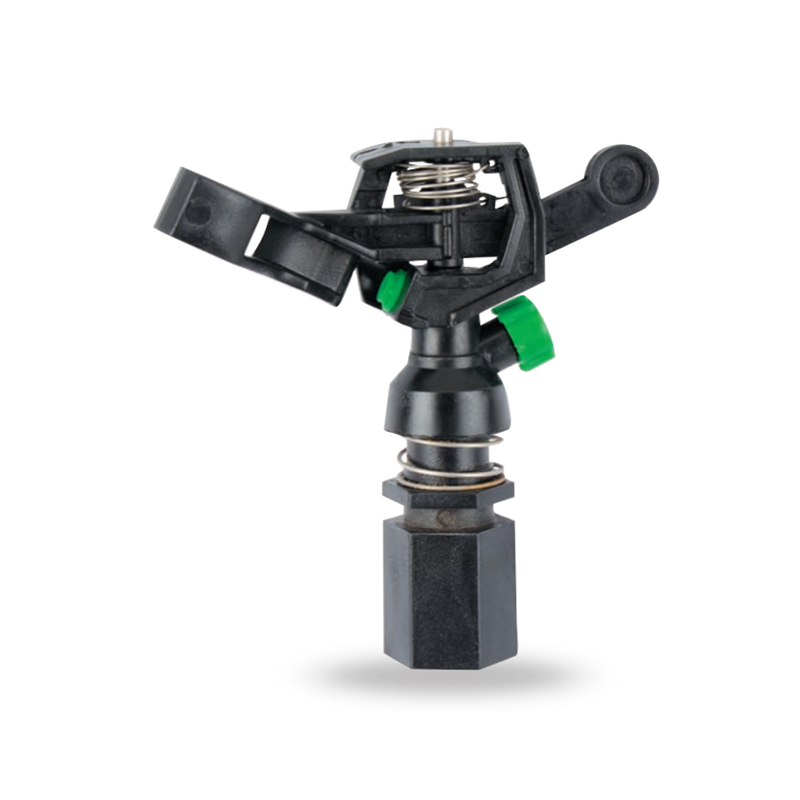
Watering irrigation system 3/4 inch nozzle field Impact Sprinkler is perfect for field irrigation and easily meets the water needs of large crops. Its powerful spray ensures that every nook and cranny...
See Details -
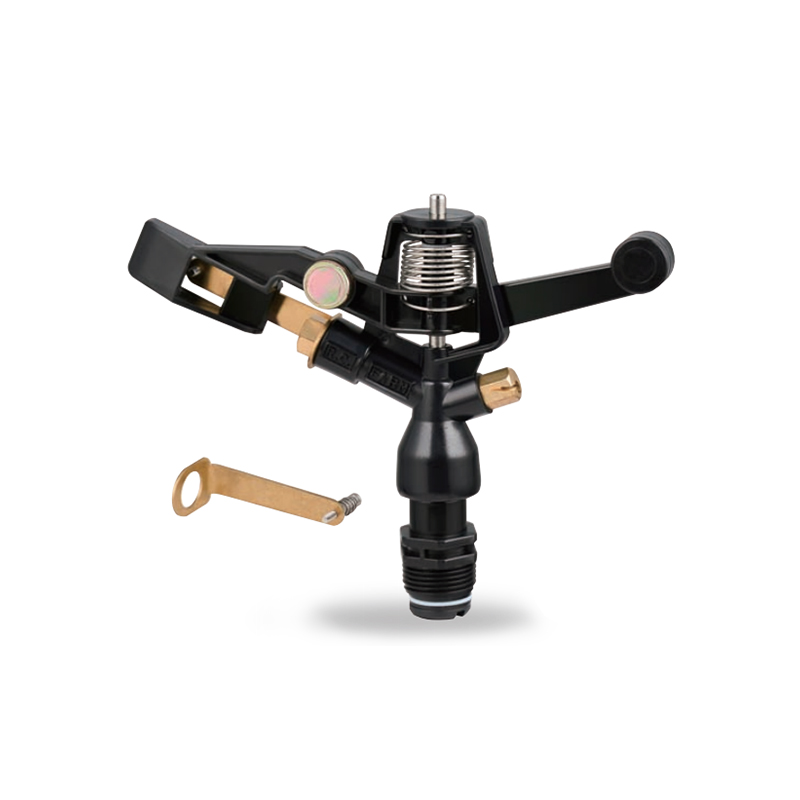
The POM Agricultural Irrigation Sprinkler with Brass Nozzles is an efficient and durable irrigation device designed to meet a wide range of agricultural needs. The sprinkler is made of polyacetal (POM...
See Details -
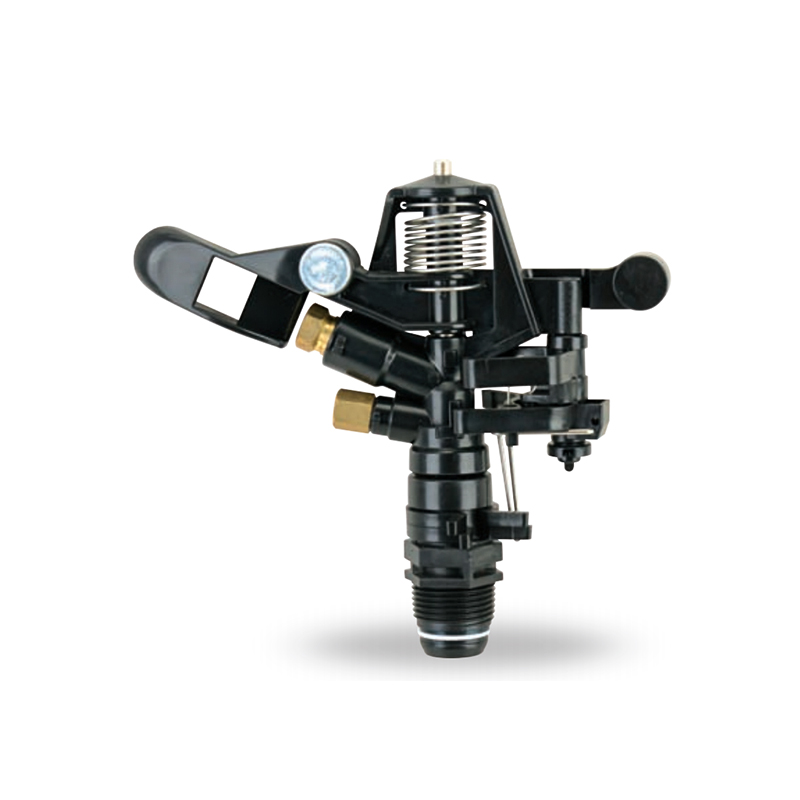
The Double Nozzle Garden Farm Impact Part-Circle Sprinkler is a highly efficient garden irrigation device designed for large planting areas. Its double nozzle design produces a strong, even stream of ...
See Details

PRODUCTS & SERVICES

CONTACT US
 No.518, Ruihao Road, Lizhou Street, Yuyao City, Zhejiang Province, China
 +86-13105554615 / +86-18005843886
 decheng@dcssq.com fredzhu@dcssq.com
 LISA
 Fred Zhu
Copyright © Ningbo Dewo Irrigation Equipment Co., Ltd. All Rights Reserved. China Agricultural Plastic Sprinkler Manufacturers Wholesale Irrigation Plastic Sprinkler Factory
