

 Search for...
 English
 Español
 中文简体
How Often to Run Drip Irrigation: The Complete Watering Schedule Guide
Content
- 1 The Baseline Drip Irrigation Schedule Most Gardens Should Start With
- 2 Key Factors That Change How Often You Should Run Drip Irrigation
- 3 How Long vs. How Often: Calculating the Right Runtime
- 4 Seasonal Drip Irrigation Watering Calendar
- 5 Common Drip Irrigation Scheduling Mistakes and How to Fix Them
- 6 Frequently Asked Questions About Drip Irrigation Frequency
- 6.1 How many minutes should drip irrigation run?
- 6.2 How many days a week should drip irrigation run in summer?
- 6.3 Is it better to run drip irrigation longer or more often?
- 6.4 Can I run drip irrigation every day?
- 6.5 How do I know if I am overwatering or underwatering?
- 6.6 Should I let drip irrigation run during or after rain?
Ask a dozen gardeners how often they run drip irrigation, and you will get a dozen different answers. Some will say five minutes every day; others will say once a week for an hour. Most of those answers are based on habit rather than research. The practical starting point for most established garden beds is 20 to 60 minutes per watering event, one to three times per week in summer, and 10 to 30 minutes, one to two times per week in spring and fall. Use that as your baseline, then fine-tune with a simple soil check.
Drip irrigation is meant to apply water slowly enough to soak the root zone without runoff or deep percolation. When gardeners run drip lines for only a few minutes each day, the water stays in the top inch of soil, evaporates quickly, and encourages shallow roots. Longer, less frequent events are the core of a sound drip schedule. The two numbers that matter—frequency, meaning days per week, and duration, meaning minutes per event—must be adjusted separately because they respond to different conditions.
Schedule settings also depend on hardware quality. Emitters with inconsistent output, blocked tubing, or pressure losses at the far end of a line will break any schedule. Starting with uniform, precision-made emitters, such as the drip products from Dewo Irrigation, gives you a predictable delivery rate, so the minutes you set actually correspond to the water that reaches your plants.
The Baseline Drip Irrigation Schedule Most Gardens Should Start With
The goal of drip irrigation is deep watering. When the root zone is wetted deeply, roots grow downward and plants tolerate dry spells much better. Horticulture guidelines commonly recommend supplying about 1 inch of water per week to actively growing garden plants during the main season, and drip systems are the most efficient way to deliver that inch.
Published run-time recommendations agree on the same general range. A widely used home-garden baseline is 20 to 60 minutes per event, one to three times per week in summer, and 10 to 30 minutes, one to two times per week in cooler months. At the higher end, Penn State Extension's vegetable drip irrigation tables show events approaching 110 minutes per 24-hour period for mature crops on certain soils, which reflects conditions where a large root zone must be refilled from a dry state.
| Planting area | Summer frequency | Summer runtime | Spring/fall frequency | Spring/fall runtime |
|---|---|---|---|---|
| Established flower & shrub beds | 2-3 days/week | 30-45 min | 1-2 days/week | 15-30 min |
| Vegetable beds (mature) | 2-3 days/week | 40-60 min | 1-2 days/week | 20-40 min |
| Containers & raised beds | Every 1-2 days | 15-30 min | Every 2-3 days | 10-20 min |
| New plantings & transplants | 3-4 days/week | 45-60 min | 2-3 days/week | 30-45 min |
| Drought-tolerant & native plants | 1-2 days/week | 20-40 min | Every 10-14 days | 15-30 min |
The table assumes 1 GPH emitters, loose loam soil, and daytime temperatures between 75°F and 85°F. If your system uses 0.5 GPH emitters, roughly double the runtime; if it uses 2 GPH emitters, cut the runtime by about half. For vegetable rows, placing an emitter at each plant's root zone is more efficient than wetting the whole bed, which is why pointed arrow drippers are common in vegetable gardens.
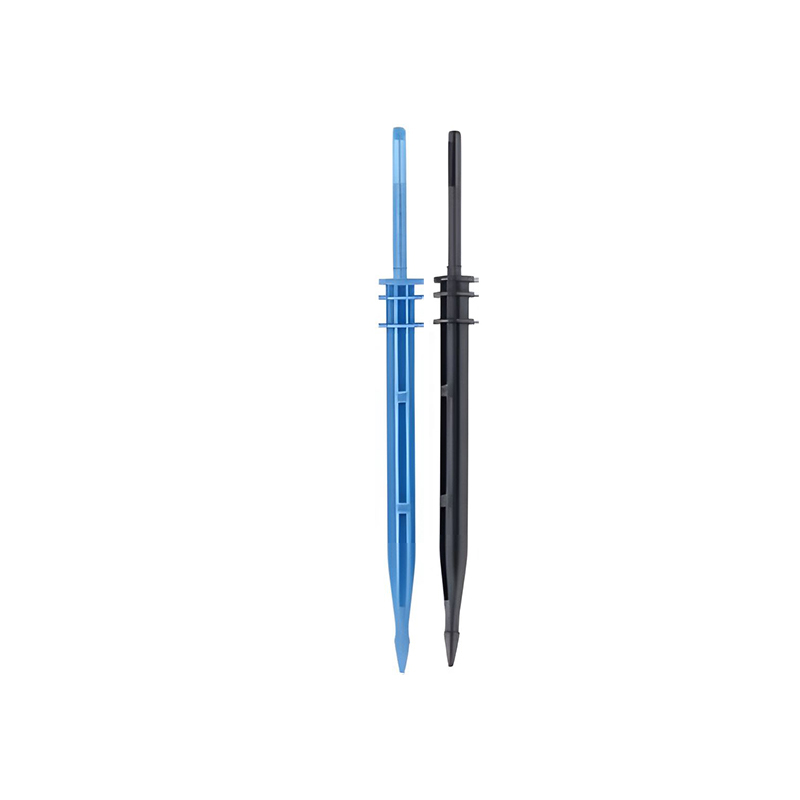 Arrow Dripper for Precise Root-Zone Watering in Vegetable RowsThis arrow-shaped dripper inserts directly into the soil to target water at each plant's roots. Its corrosion-resistant, UV-stable build suits long-term garden use, making it a practical choice for the vegetable-row watering approach discussed above.View Product →
Treat the table as a starting point, not a rule. The next section explains the variables that should cause you to move away from it.
Key Factors That Change How Often You Should Run Drip Irrigation
The baseline works for average conditions, but every garden deviates from average. Adjust your schedule when any of the following factors applies.
Soil Type and Drainage
Soil texture is the largest single variable. Clay soil, with its fine particles and small pores, absorbs water slowly and stores it tenaciously. On clay, reduce the number of events and keep run times moderate, or water will puddle on the surface and run off. Sandy soil, with large pores, drains rapidly, so plants run dry within two or three days; increase frequency and shorten each event. Loam holds moisture evenly and works with the baseline schedule.
Because irrigation interacts with soil structure over time, it helps to understand how irrigation technology affects soil quality before you lock in a long-term weekly schedule.
Emitter Flow Rate and Spacing
Drip emitters are rated in gallons per hour (GPH), and the rating determines how much water your zone delivers in a set time. A zone with 100 one-GPH emitters delivers 100 gallons per hour; a 30-minute run produces 50 gallons. The same zone with 0.5 GPH emitters delivers only 25 gallons in 30 minutes, so the runtime must double to apply the same volume. Always check your emitter flow rate before choosing a duration, and account for the number of emitters in each zone.
Water needs also vary within one zone. In a mixed border, some plants want more water and others less. Adjustable-flow drippers let you dial in the flow at each stake, so you can keep a single zone timer while still matching individual plant needs.
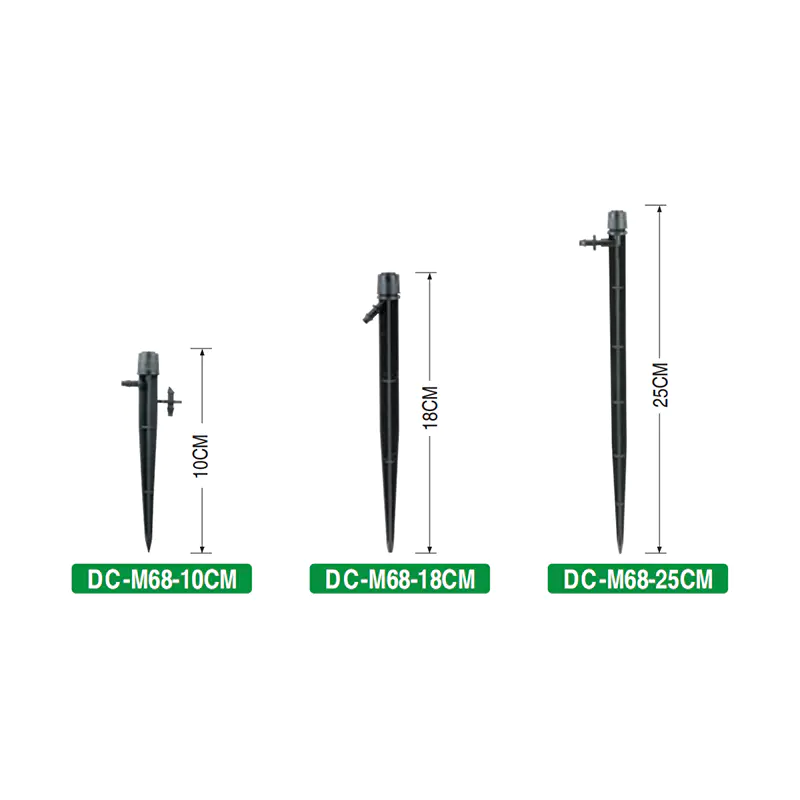 DC-M68 360° Adjustable Flow Dripper for Mixed PlantingsWith full 360-degree adjustable flow, this dripper lets you fine-tune water delivery per stake. That flexibility helps match individual plant needs within a single zone, especially useful in mixed borders where water requirements vary.View Product →
Weather, Temperature, and Rainfall
Temperature is the main driver of plant water use. On hot days, plants transpire more, and soil loses water faster to evaporation. Container watering guides from major irrigation brands recommend increasing the number of watering days when daytime highs stay above 85°F, and even watering daily if the top 1 to 2 inches of potting mix feel dry. Rainfall is the other side of the equation: if a storm delivers half an inch, you only need to add half an inch from irrigation, and if rain saturates the soil, skip the next cycle entirely.
Plant Type and Growth Stage
Vegetables and annuals with shallow, fibrous roots need frequent moisture; established trees and shrubs with deep roots pull water from a much larger soil volume and can wait longer between events. Newly planted material is the exception to every schedule: transplants and seedlings have small root systems and need gentle, frequent watering during their first two weeks, after which you can gradually move them onto the normal cycle. Container plants also belong in the more-frequent group because the limited soil volume in a pot dries out far faster than open ground.
How Long vs. How Often: Calculating the Right Runtime
Frequency answers the question of which days; duration answers how many minutes. For drip irrigation, duration matters more than frequency because deep watering happens only when the system runs long enough to wet the full root zone. A four-step calculation gives you a precise starting runtime.
- Find the flow rate of your emitters. It is usually printed on the emitter: 0.5, 1, 2, or 4 GPH are the most common values.
- Count the emitters in the zone and multiply by the GPH. That gives the zone's total delivery in gallons per hour.
- Estimate your weekly volume need. One inch of water over 100 square feet equals approximately 62 gallons, and most gardens need about 1 inch per week during the growing season.
- Divide the weekly volume by the zone's delivery rate to get hours, then multiply by 60 to convert to minutes. Split that total across your planned irrigation days.
Here is a worked example. A 100-square-foot vegetable bed needs about 62 gallons each week. The zone has two 50-foot drip lines with 1 GPH emitters spaced 12 inches apart, so each line contains 50 emitters and the whole zone delivers 100 GPH. The required run time is 62 divided by 100, or 0.62 hours, which is about 37 minutes per week. Split three ways, each event would be roughly 12 minutes; split two ways, each event would be roughly 18 minutes.
A field check called the 30-minute soil test, promoted by many irrigation retailers and extension services, verifies any calculated schedule. Run the zone for 30 minutes, wait 60 minutes, then dig a small hole near a plant. In loam, the soil should be wet 6 to 8 inches deep. If wetness went deeper, reduce the run time; if it stayed in the top few inches, increase the runtime or check for compacted soil and runoff.
One warning: the flow rate printed on an emitter is accurate only when the system operates at its design pressure. On long lines, steep slopes, or zones with many emitters, the flow at the end of the line may be lower than at the start. Pressure-compensating (PC) emitters maintain a uniform flow rate over a wide pressure range. If your plants at the far end of a line are always drier than the ones near the valve, the problem is likely pressure, not your timer settings.
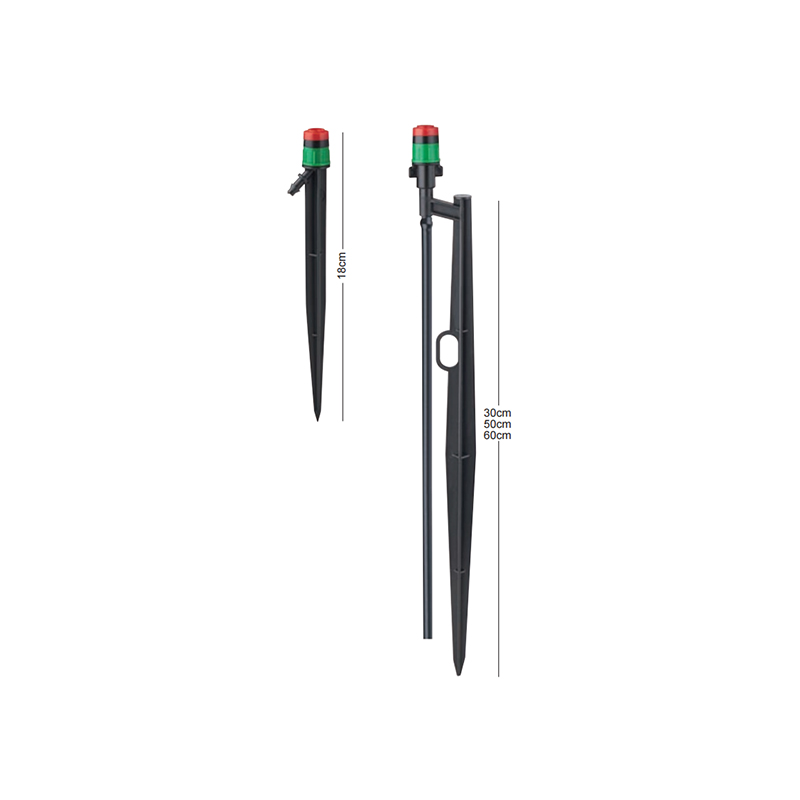 DC-M89 360° Pressure-Compensating Dripper for Even FlowThis pressure-compensating dripper maintains uniform flow across varying pressure conditions, addressing the issue of drier plants at the far end of a line. Its 360-degree spray covers a wide area, supporting consistent irrigation on sloped or long runs.View Product →
Seasonal Drip Irrigation Watering Calendar
A fixed annual schedule will either overwater in spring and fall or underwater during summer heat waves. Set your controller once per season, and let each season's numbers reflect what plants actually need.
| Season | Frequency | Duration per event | Notes |
|---|---|---|---|
| Spring | 1-2 days/week | 15-30 min | Start low, increase as temperatures climb and plants leaf out. |
| Summer | 2-3 days/week | 30-45 min | Check soil weekly; add mulch to slow evaporation. |
| Heat wave (85°F+ / 29°C+) | Up to daily | 15-20 min | Shorter daily pulses keep the root zone moist without overwatering. |
| Fall | 1-2 days/week | 15-30 min | Reduce as daylight shortens and plant growth slows. |
| Winter (dormant) | Every 1-2 weeks | 10-15 min | Water only when soil is dry and air temperature is above freezing. |
In summer, consider running the system in the early morning, between 4 a.m. and 8 a.m., when evaporation is low and plants begin the day fully hydrated. If you notice wilting in the afternoon, increase frequency rather than duration, because plants in high heat often close their stomata and stop taking up water once the soil is too warm.
When the season changes, walk the system as well. Check emitters for clogs, reposition stakes that have moved, and clear mulch or soil away from emitter openings so flow is not blocked.
Common Drip Irrigation Scheduling Mistakes and How to Fix Them
These six mistakes appear repeatedly in gardens that use drip irrigation. Fixing them improves plant health and reduces water waste more than any timer upgrade.
- Running the system for five minutes every day. Garden educator Fred Hoffman observed that almost every gardener who uses drip answers the question "how long?" with "five minutes a day, every day." That routine only wets the top inch of soil, evaporates quickly, and encourages roots to stay shallow. Fix: switch to 30-45 minute events two or three days a week, as the soil test dictates.
- Ignoring soil texture. Clay soils puddle, sandy soils drain, and a schedule that works for one is wrong for the other. Fix: run the 30-minute soil test once per soil type and set frequency from the result.
- Keeping the same settings all year. Plants need less water in spring and fall and much more during summer heat waves. Fix: adjust your controller when the season changes, or move to a weather-based smart controller.
- Applying the right volume at the wrong rate. Even the correct weekly total can harm plants if it is delivered too fast for the soil to absorb. Fix: lower your emitter GPH, add a pressure regulator, or split one long event into two shorter pulses 30 to 60 minutes apart.
- Watering new plants and established plants equally. New transplants need daily moisture for the first two weeks; established plants prefer deep, infrequent water. Fix: run separate zones for new and mature plantings, or hand-water new plants until they establish.
- Never checking what the system actually delivers. Clogged filters, kinked tubing, and pressure loss cause silent under-watering. Fix: run each zone manually every month and look for dry emitter spots, misting leaks, and uneven flow.
Frequently Asked Questions About Drip Irrigation Frequency
How many minutes should drip irrigation run?
For most gardens, 20 to 60 minutes per event covers the typical range. Containers, shallow-rooted annuals, and sandy soil need the shorter end; vegetables, shrubs, clay soil, and large established plants need the longer end. Verify your site with the 30-minute soil dig test, then adjust as needed.
How many days a week should drip irrigation run in summer?
Two to three days per week is enough for most established plants in loam or clay soil. Raise the frequency to every day during 85°F-plus heat waves, or for containers and new plantings, and drop back to twice a week in cooler coastal climates.
Is it better to run drip irrigation longer or more often?
Longer and less often is generally better. Deep, weekly watering develops deep roots and reduces water loss to surface evaporation. The exceptions are sandy soil and containers, where water drains past the root zone quickly; there, run shorter events on more days.
Can I run drip irrigation every day?
Yes, but only in situations that demand it, such as extreme heat, sandy or very porous soil, or plants in small containers. Daily runs of 10 to 20 minutes are a practical middle ground in those conditions, as long as the soil is not staying soggy.
How do I know if I am overwatering or underwatering?
Dig down 3 to 4 inches, or use a moisture meter. Soggy soil, a musty smell, and yellowing lower leaves point to overwatering. Dry, crumbling soil, wilting in the afternoon, and leaf edges that crisp up point to underwatering. Adjust frequency first, then duration.
Should I let drip irrigation run during or after rain?
No. Garden plants generally need about 1 inch of water per week, and rain counts toward that total. If rain has already delivered enough, skip the next scheduled cycle. If the forecast shows a heavy storm, skip preemptively, and a rain sensor or smart controller will handle the decision automatically.
In short, let your soil, your plants, and the season tell you when to water. Start with the baseline schedule of 20 to 60 minutes one to three times per week in summer, verify it with the 30-minute soil test, then adjust once per season. That simple process takes a few minutes per week and saves hundreds of gallons of water each year while keeping your garden healthy.
Prev:No previous articleNext:How to Set Up a Sprinkler System: Complete Step-by-Step Installation Guide
Related products
-
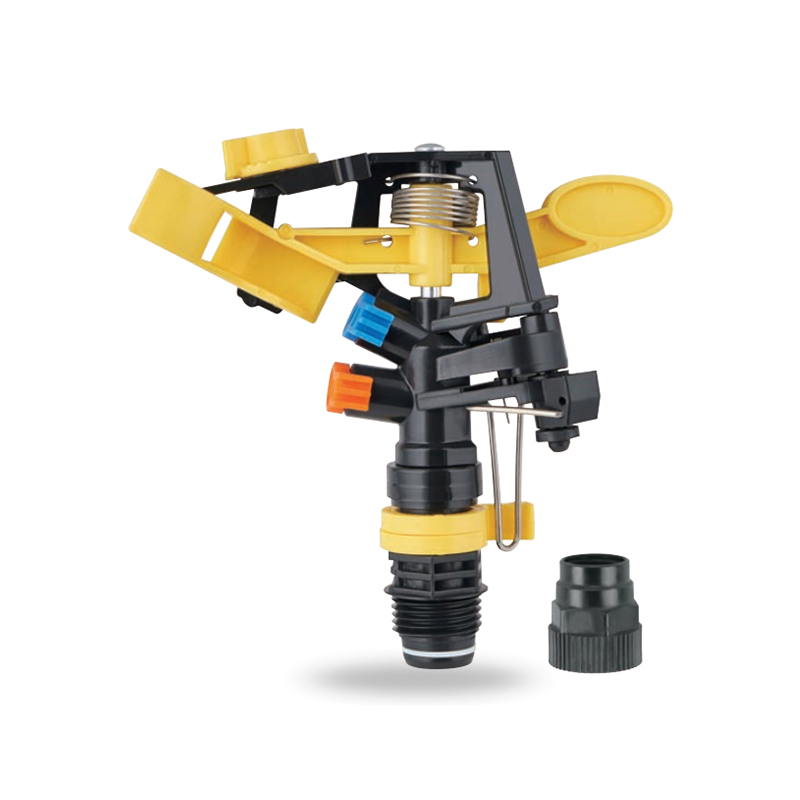
Impact sprinkler for agricultural irrigation is a common and efficient agricultural irrigation tool designed for large areas of farmland. Its unique structure can evenly cover a large area by rotating...
See Details -
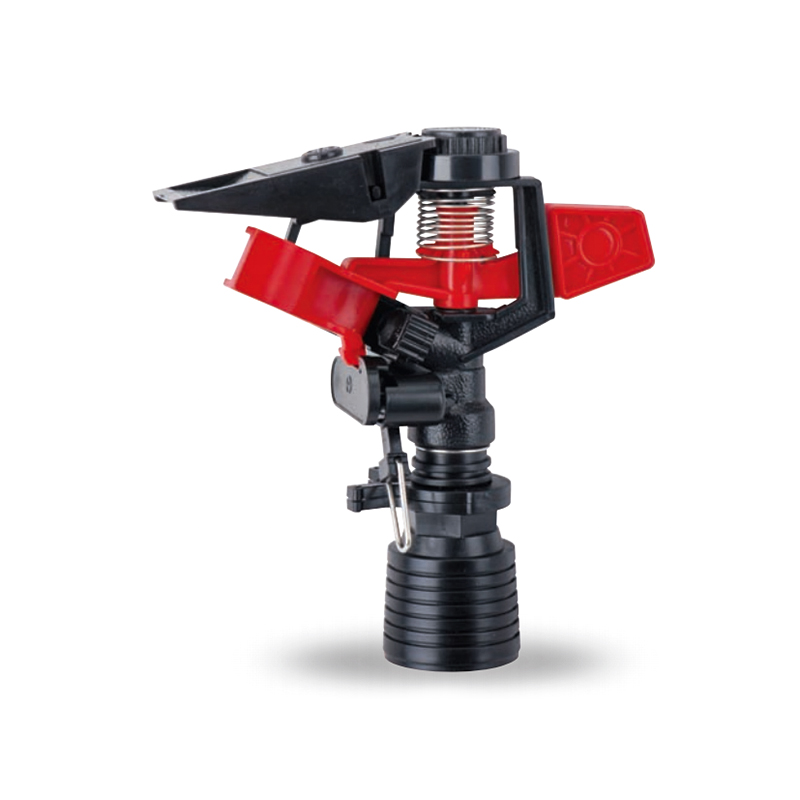
This 360 degree adjustable rocker arm nozzle impact sprinkler is an essential part of an irrigation system designed to meet a wide range of horticultural and agricultural needs. Its flexible adjustmen...
See Details -
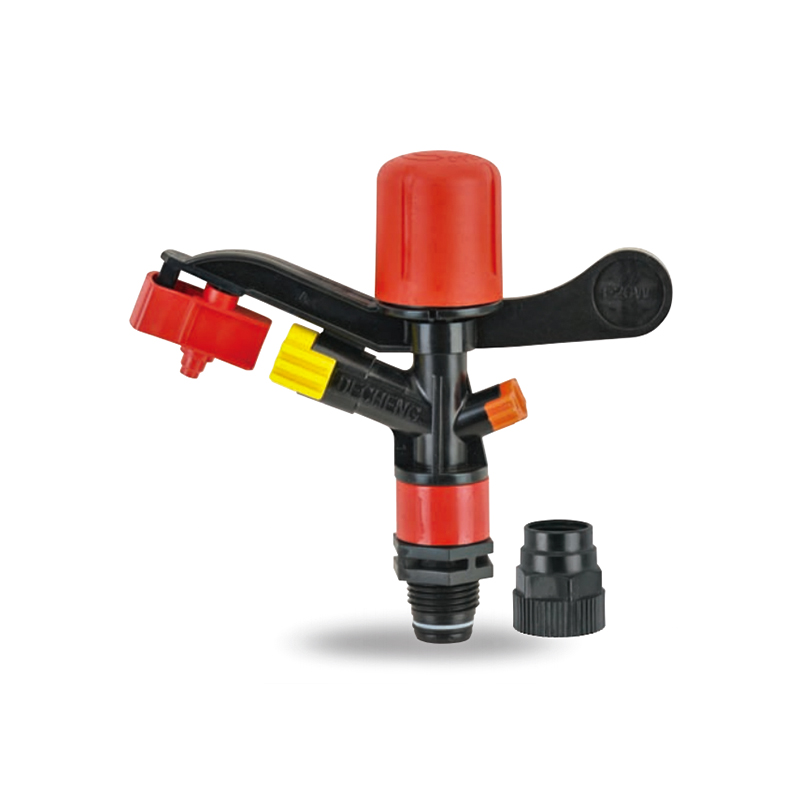
The Plastic Full-Circle Impact Sprinkler Sprayer is a highly efficient full-circle irrigation device designed to provide even moisture coverage. Its lightweight plastic material makes this sprinkler e...
See Details -
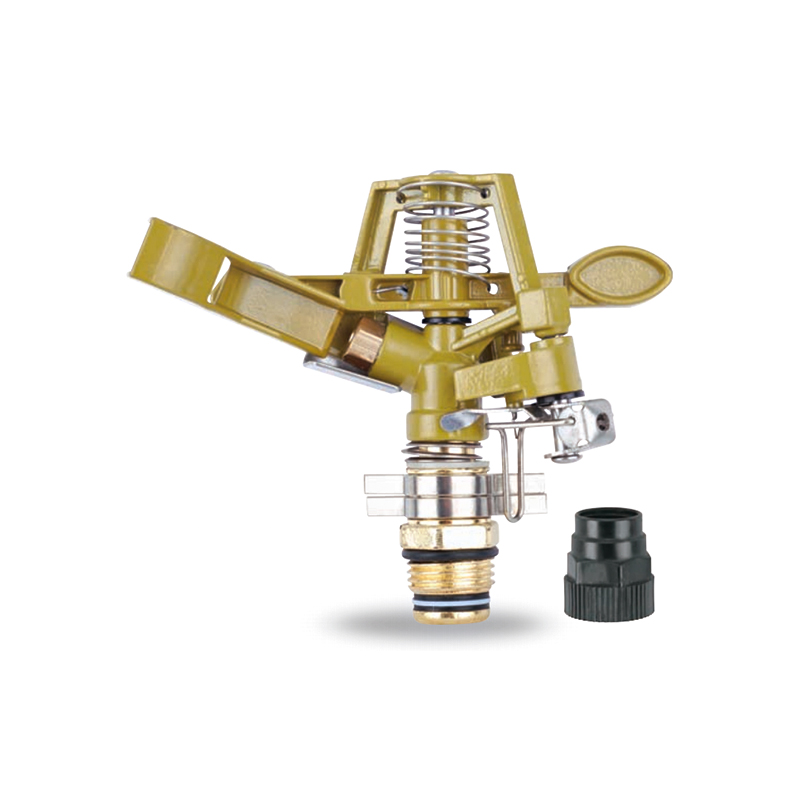
The Irrigation System Adjustable Head Mobile Rotary Zinc Sprinkler is an efficient rotary sprinkler designed for flexible irrigation needs. Its adjustable head allows the user to easily adjust the dir...
See Details -
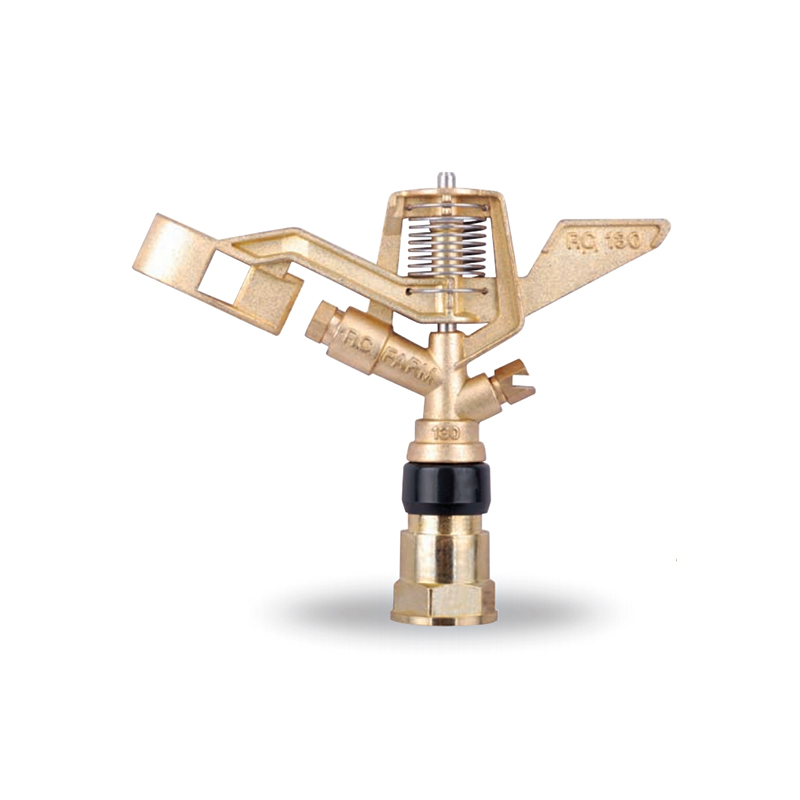
This 3/4” Zinc Alloy Swivel Arm Irrigation Watering System Impact Sprinkler is ideal for agricultural irrigation systems due to its superior durability and corrosion resistance. Its rugged constructio...
See Details -
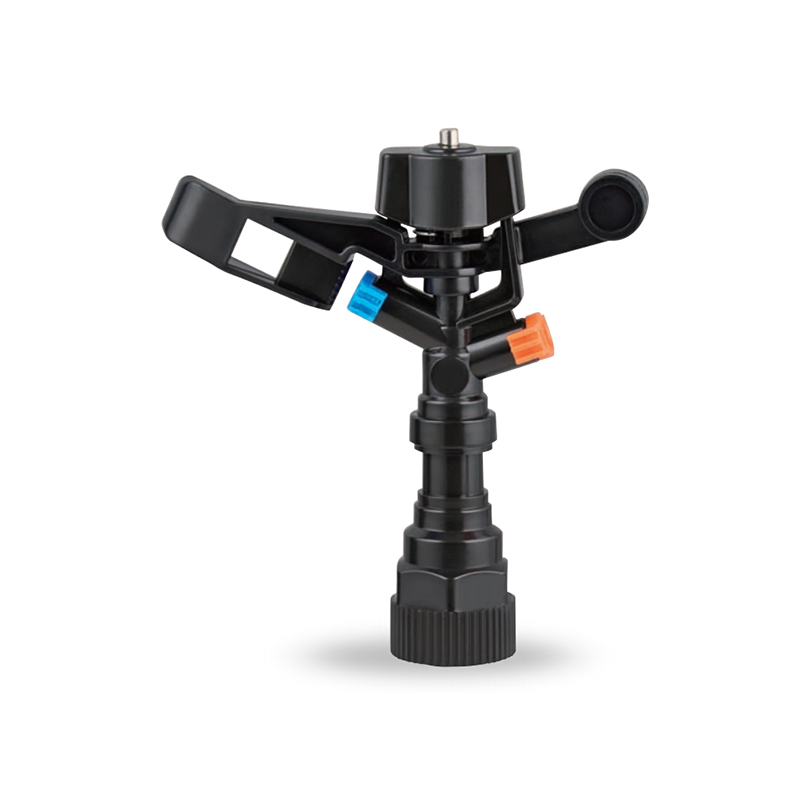
The Double nozzle garden farm impact full-circle sprinkler is well-designed to efficiently and evenly spray water, thus enhancing the quality of crop growth. Whether it's in the home garden or on a la...
See Details -
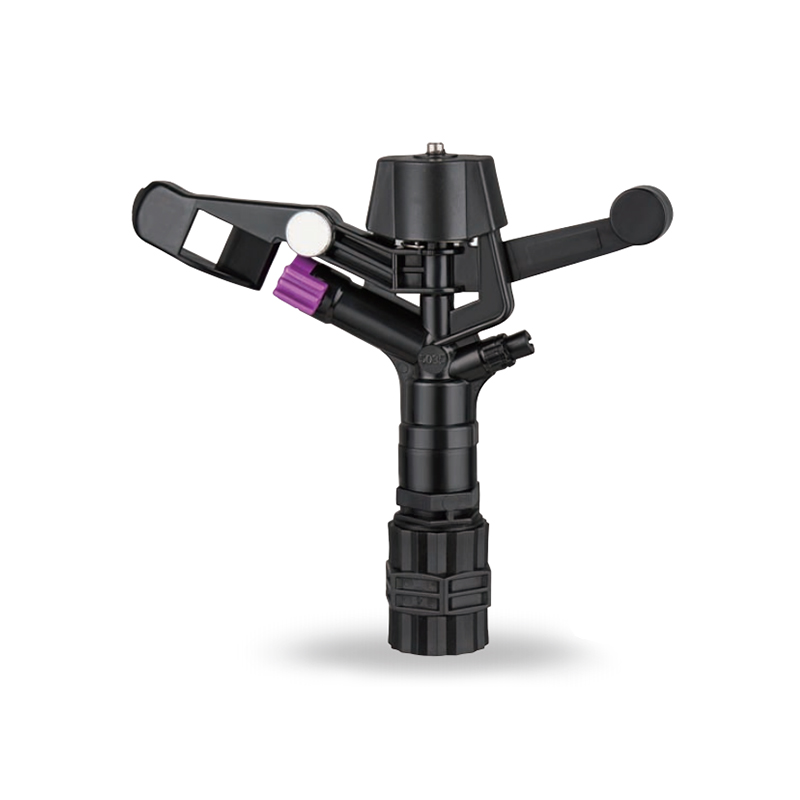
Double nozzle agricultural water plastic impact sprinkler for irrigation sprinkler combines practicality and durability with a dual nozzle system that provides extensive water coverage for a wide rang...
See Details -
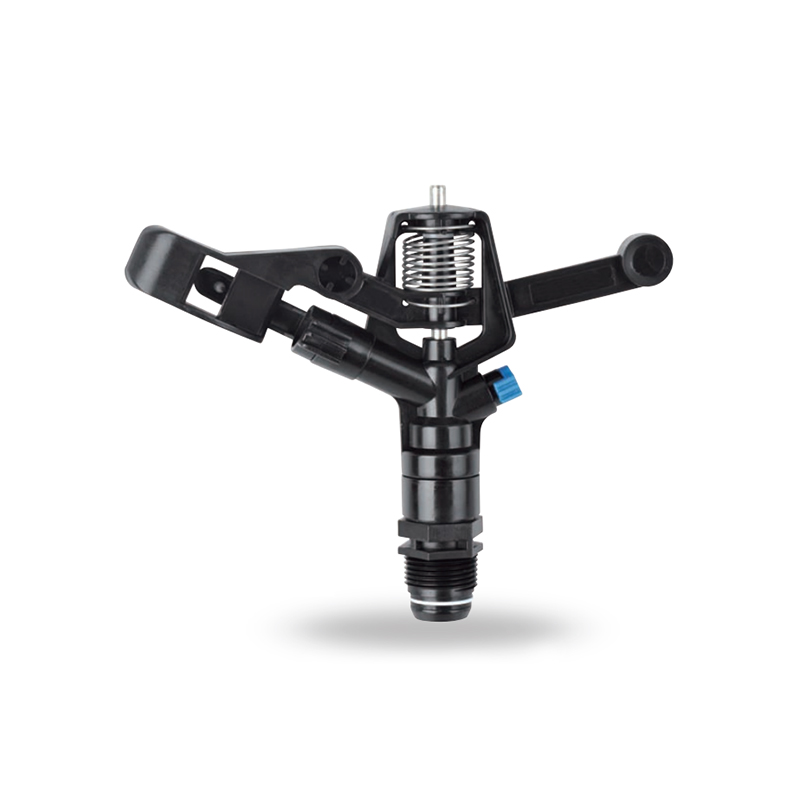
The POM agricultural irrigation sprinkler water impact sprinkler is known for its excellent abrasion resistance and durability, ensuring consistent performance over time. It is designed to increase wa...
See Details -
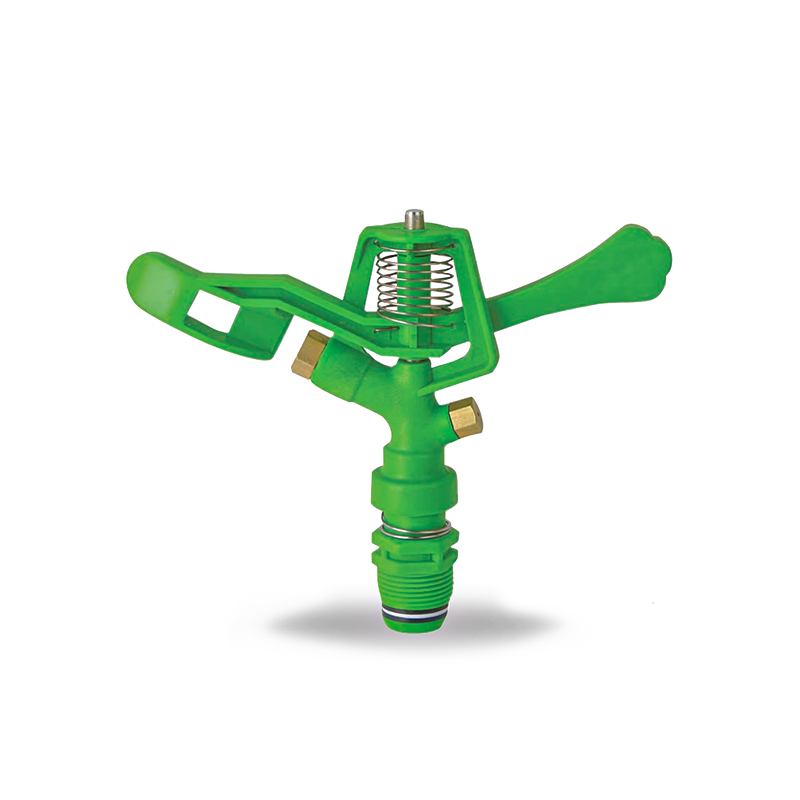
The POM Agricultural Irrigation Sprinkler with Metal Nozzles is a device designed for efficient irrigation, combining premium polyacetal (POM) material with durable metal nozzles to ensure superior sp...
See Details -
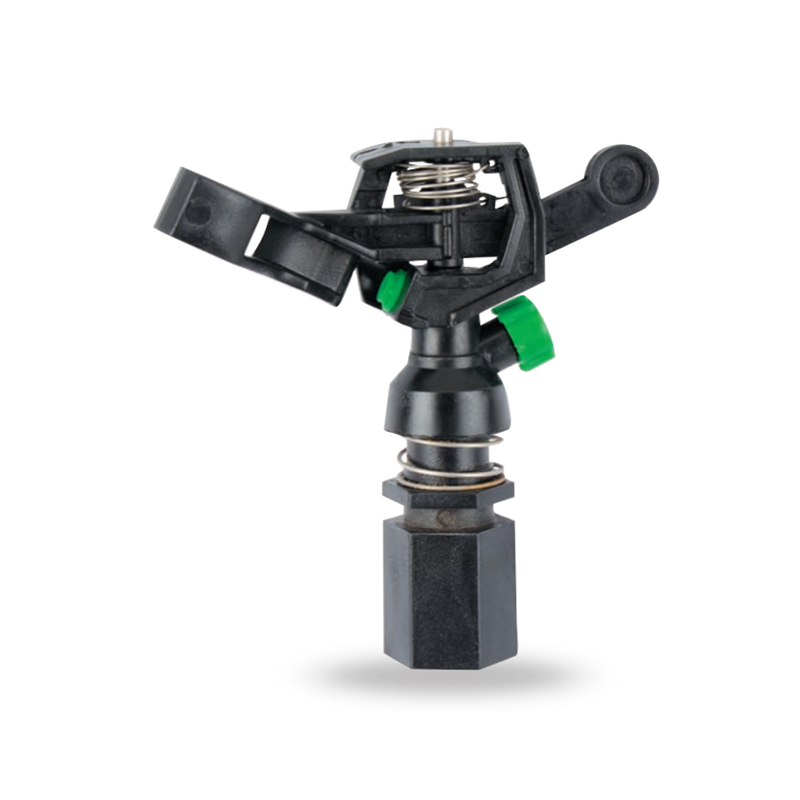
Watering irrigation system 3/4 inch nozzle field Impact Sprinkler is perfect for field irrigation and easily meets the water needs of large crops. Its powerful spray ensures that every nook and cranny...
See Details -
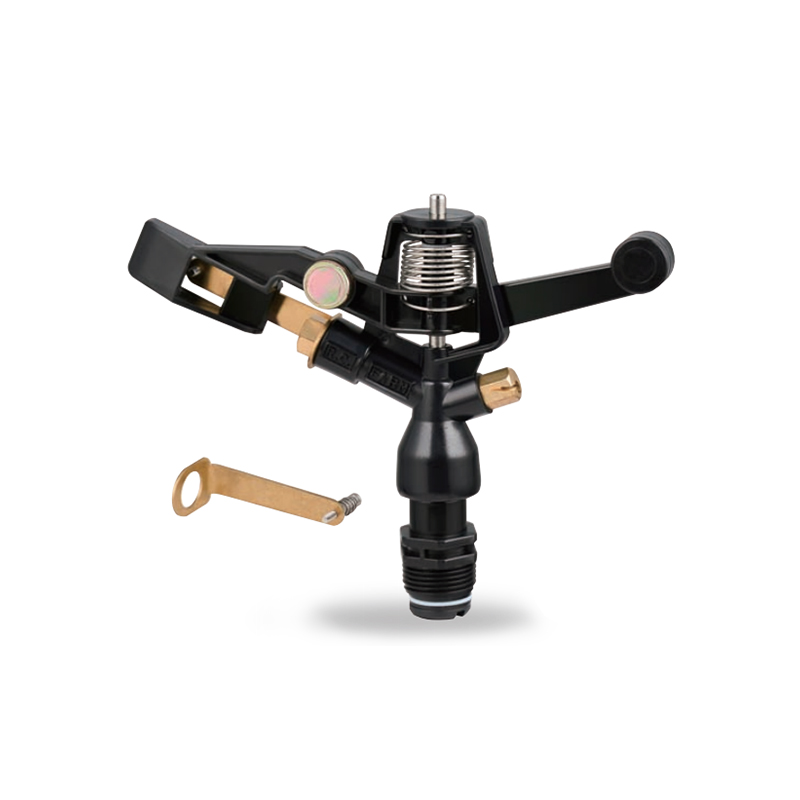
The POM Agricultural Irrigation Sprinkler with Brass Nozzles is an efficient and durable irrigation device designed to meet a wide range of agricultural needs. The sprinkler is made of polyacetal (POM...
See Details -
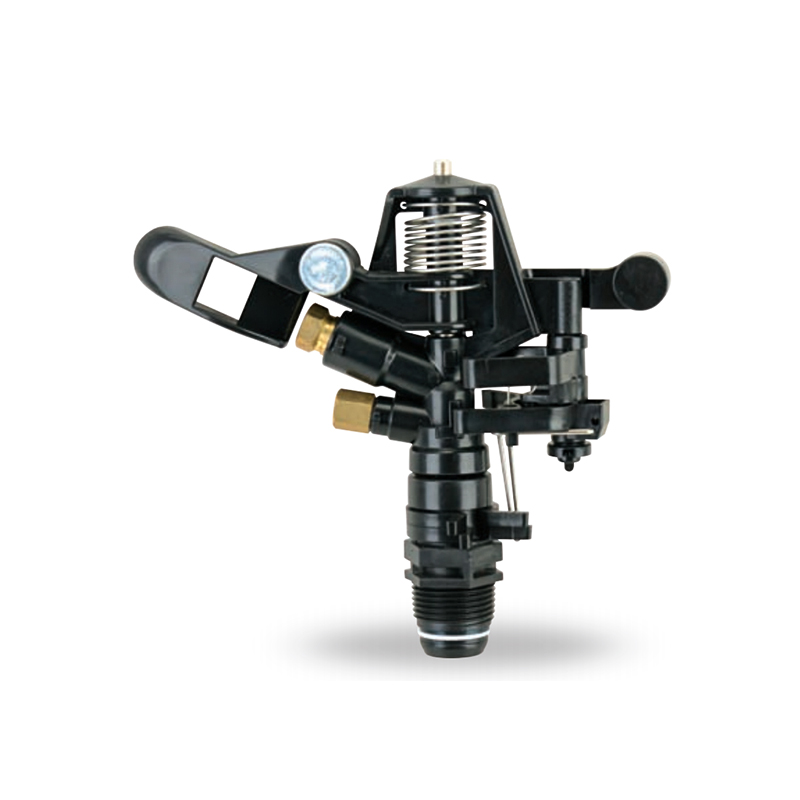
The Double Nozzle Garden Farm Impact Part-Circle Sprinkler is a highly efficient garden irrigation device designed for large planting areas. Its double nozzle design produces a strong, even stream of ...
See Details

PRODUCTS & SERVICES

CONTACT US
 No.518, Ruihao Road, Lizhou Street, Yuyao City, Zhejiang Province, China
 +86-13105554615 / +86-18005843886
 decheng@dcssq.com fredzhu@dcssq.com
 LISA
 Fred Zhu
Copyright © Ningbo Dewo Irrigation Equipment Co., Ltd. All Rights Reserved. China Agricultural Plastic Sprinkler Manufacturers Wholesale Irrigation Plastic Sprinkler Factory
