

 Search for...
 English
 Español
 中文简体
中文简体How to Use a Soaker Hose: Setup, Timing & Pro Tips
Content
- 1 How to Use a Soaker Hose: The Direct Answer
- 2 What a Soaker Hose Actually Does (and Why It Works)
- 3 Choosing the Right Soaker Hose for Your Garden
- 4 Step-by-Step: How to Set Up and Use a Soaker Hose
- 4.1 Step 1 — Plan Your Layout Before You Lay Anything Down
- 4.2 Step 2 — Unroll and Warm the Hose
- 4.3 Step 3 — Lay the Hose Along Plant Rows
- 4.4 Step 4 — Cap the End
- 4.5 Step 5 — Attach a Pressure Regulator
- 4.6 Step 6 — Add a Filter
- 4.7 Step 7 — Run the System and Check for Even Flow
- 4.8 Step 8 — Optionally Cover with Mulch
- 5 How Long to Run a Soaker Hose — Actual Numbers
- 6 Soaker Hose vs. Impact Sprinkler: When to Use Each
- 7 Using a Timer to Automate Your Soaker Hose System
- 8 Maintaining a Soaker Hose System Through the Season
- 9 Common Soaker Hose Mistakes (and How to Fix Them)
- 10 Advanced Soaker Hose Setups for Larger Gardens
- 11 Soaker Hose Applications by Plant Type
- 12 Water Savings: What the Numbers Actually Look Like
How to Use a Soaker Hose: The Direct Answer
A soaker hose works by seeping water slowly and directly into the soil along its entire length, delivering moisture straight to plant roots with minimal evaporation. To use one effectively: lay it flat along the base of your plants or through garden rows, connect it to your outdoor spigot, and run it at low pressure — typically between 8 and 10 PSI — for 30 to 45 minutes several times per week depending on your soil type and climate. That's the core of it. But doing it well — choosing the right layout, pairing it with the right watering schedule, and knowing when a soaker hose is the right tool versus something like an Impact Sprinkler — requires a bit more understanding.
This guide covers all of that in practical, usable detail. Whether you're irrigating a vegetable bed, flower border, or hedge row, the principles here apply directly to your situation.
What a Soaker Hose Actually Does (and Why It Works)
A soaker hose is a porous rubber or recycled material tube, typically made from 65–70% recycled rubber content, that allows water to seep through its walls along the full length of the hose. Unlike traditional sprinklers — including the rotating Impact Sprinkler that throws water in wide arcs — a soaker hose doesn't spray. It bleeds moisture out slowly and consistently, wetting a band of soil roughly 12 to 18 inches wide on either side of the hose depending on your soil composition.
This matters for three reasons:
- Water goes where roots are. Surface-level application at low flow means water percolates downward rather than running off or sitting on leaves.
- Evaporation is minimized. Studies from the University of California Cooperative Extension show drip and soaker-style irrigation can reduce water use by 30–50% compared to overhead sprinkler systems.
- Foliage stays dry. Wet foliage is a primary trigger for fungal diseases like powdery mildew, botrytis, and early blight. Soaker hoses completely eliminate this risk.
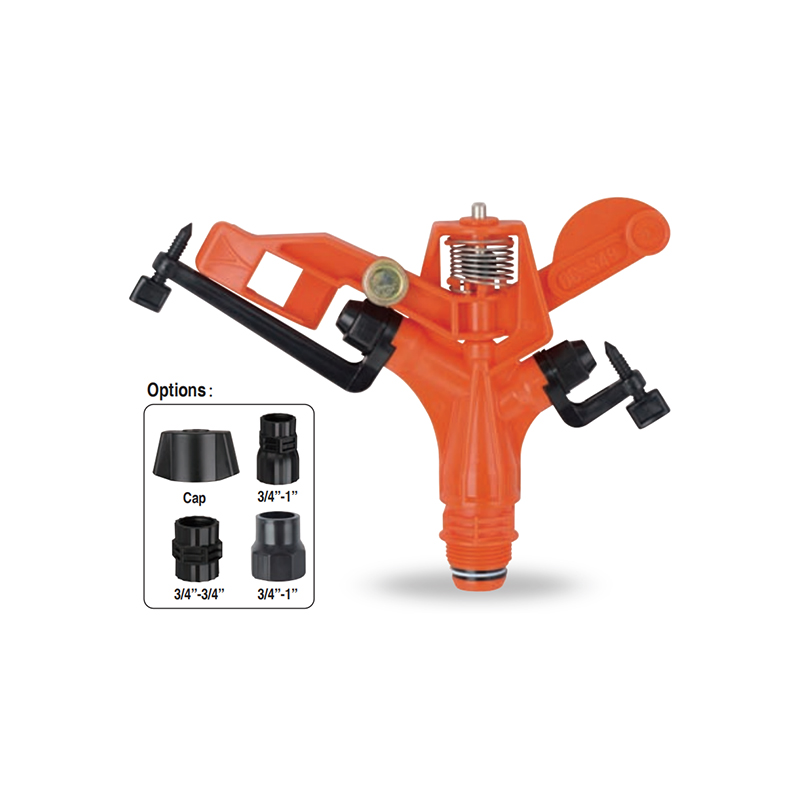
By contrast, an Impact Sprinkler — the kind with a rotating arm that makes that familiar clicking sound — delivers water over a broad area, sometimes covering 30 to 90 feet in diameter. Impact Sprinklers are excellent for lawns, large turf areas, or establishing new grass seed where even coverage across a wide zone matters. For tight garden rows and beds with defined plant locations, the soaker hose is almost always the better tool.
Choosing the Right Soaker Hose for Your Garden
Not all soaker hoses are built the same, and choosing the wrong one for your setup creates headaches — uneven flow, bursts at high pressure, or hoses that clog within a season. Here's what to evaluate before buying.
Material: Rubber vs. Vinyl vs. Fabric
Recycled rubber soaker hoses are the most durable option. They hold up to UV exposure, resist cracking in cold weather, and maintain consistent porosity over several seasons. Vinyl soaker hoses are cheaper but tend to stiffen in cold weather, crack at UV-exposed sections, and often degrade within one to two seasons. Fabric soaker hoses (often called "weeping" hoses) deliver water gently and are flexible to maneuver, but they tend to clog more easily in areas with hard water or high mineral content and may need more frequent flushing.
Diameter: 1/2 Inch vs. 5/8 Inch
Most residential soaker hoses come in 1/2-inch or 5/8-inch diameter. The 1/2-inch hose works well for runs up to 100 feet; beyond that, you'll notice the far end seeping noticeably less than the end nearest the spigot. The 5/8-inch hose handles longer runs with more consistent pressure distribution. If your bed is over 100 feet long, use multiple shorter hose segments connected to a manifold rather than one very long run — this keeps flow more even throughout.
Length Considerations
Most manufacturers recommend keeping individual soaker hose runs to no more than 100 feet. Longer runs suffer from pressure drop, causing the section nearest the water source to oversaturate while the far end barely weeps. If your garden is larger, split it into zones using a Y-connector or multi-outlet timer.
| Hose Type | Durability | Clog Risk | Best For | Avg. Lifespan |
|---|---|---|---|---|
| Recycled Rubber | High | Low | Vegetable beds, perennial borders | 5–10 years |
| Vinyl | Low | Medium | Short-term seasonal use | 1–2 years |
| Fabric / Weeping | Medium | Higher in hard water areas | Container plants, soft soil beds | 2–4 years |
Step-by-Step: How to Set Up and Use a Soaker Hose
Getting a soaker hose system up and running takes about 30 minutes for a basic setup. Here's exactly how to do it from start to finish.
Step 1 — Plan Your Layout Before You Lay Anything Down
Walk your garden and map where each plant row is. A soaker hose moistens soil in a band approximately 12 inches on either side of where it's placed. For single-stem plants like tomatoes or roses, one hose run down the center of a row is sufficient. For wide rows of dense crops like carrots or beets, you may want two parallel hose runs spaced 18 inches apart. Sketch this out before unrolling anything — it saves a lot of rearranging later.
Step 2 — Unroll and Warm the Hose
Soaker hoses — especially rubber ones — are stiff when cold. Leave the coiled hose in the sun for 20 to 30 minutes before laying it out. A warm hose is dramatically easier to position and bend around corners or obstacles without kinking. In cold morning temperatures, a hose that fought you might lie flat and cooperative an hour later.
Step 3 — Lay the Hose Along Plant Rows
Place the hose at the base of your plants, running it along each row. Keep it 2 to 4 inches away from plant stems — direct contact with a wet hose against a stem can encourage crown rot in some plants, particularly tomatoes and squash. Use U-shaped garden staples or landscape pins every 2 to 3 feet to hold the hose in place, especially in beds where you'll be moving around frequently.
If you need to turn corners, make gradual curves rather than sharp 90-degree bends. Most soaker hoses can handle a radius of about 12 inches before they kink and restrict flow. For tighter corners, use elbow connectors available at any hardware store.
Step 4 — Cap the End
The far end of the soaker hose must be capped. Most hoses come with a plastic end cap — thread it on firmly. Without a cap, all your water pressure exits at the open end rather than seeping along the full hose length. This is one of the most common beginner mistakes, and it results in a dry garden bed and a puddle at the end of the row.
Step 5 — Attach a Pressure Regulator
Standard household water pressure runs between 40 and 80 PSI. Soaker hoses are designed to operate at 8 to 12 PSI. Running full household pressure through a soaker hose causes it to balloon, burst at weak points, or wear out dramatically faster. A pressure regulator — a small, inexpensive device that threads between your spigot and the hose — brings pressure down to the right range. They typically cost $8 to $15 and extend hose life significantly. This is not optional; it's essential.
Step 6 — Add a Filter
If your water supply has any sediment — common in wells, older municipal systems, or areas with high mineral content — install a mesh filter between the spigot and pressure regulator. Sediment clogs soaker hose pores quickly and unevenly, causing dead zones along the hose where water stops seeping. A simple 150-mesh inline filter solves this entirely.
Step 7 — Run the System and Check for Even Flow
Turn on the water and walk the full length of the hose. You should see consistent, gentle moisture along the entire surface — not gushing, not bone dry. If one section seeps heavily and another is nearly dry, you may have a pressure issue, a clog, or a hose run that's too long. After 5 to 10 minutes of running, press your finger about an inch into the soil beside the hose — it should feel moist but not waterlogged.
Step 8 — Optionally Cover with Mulch
Covering your soaker hose with 2 to 3 inches of organic mulch — straw, wood chips, or shredded leaves — dramatically improves performance. Mulch slows evaporation from the soil surface, keeps the hose shaded (reducing UV degradation), and helps distribute moisture more evenly by reducing surface crust formation. Gardens with mulched soaker hoses can reduce water use by an additional 25% compared to unmulched setups.
How Long to Run a Soaker Hose — Actual Numbers
This is where most guides get vague. Here are concrete run times based on soil type, because soil type determines how fast water moves laterally and how long it takes to reach root depth.
| Soil Type | Water Movement | Run Time Per Session | Sessions Per Week (Warm Weather) |
|---|---|---|---|
| Sandy | Fast drainage, drains quickly | 20–30 minutes | 4–5 |
| Loam | Balanced absorption | 30–45 minutes | 2–3 |
| Clay | Slow absorption, holds moisture | 45–60 minutes | 1–2 |
The best way to calibrate your specific garden is to run the hose for 30 minutes, then use a soil probe or a long screwdriver to check moisture depth. The screwdriver should push easily into moist soil and meet resistance where it's dry. Aim to wet soil to a depth of 6 to 8 inches for most vegetables and perennials. Shallow-rooted annuals may only need 4 to 6 inches of moist soil.
In peak summer heat — temperatures above 90°F with low humidity — increase watering frequency rather than extending individual session length. More frequent short sessions keep soil moisture more consistent than infrequent long ones.
Soaker Hose vs. Impact Sprinkler: When to Use Each
Both soaker hoses and Impact Sprinklers are legitimate irrigation tools — but they solve different problems, and using the wrong one for your situation wastes water and effort. Understanding the distinction helps you make smart choices about your whole yard, not just your garden beds.
When the Soaker Hose Wins
- Vegetable garden rows and raised beds where plants have defined locations
- Flower borders, hedgerows, and shrub beds where overhead wetting would promote fungal disease
- Areas where water conservation is the primary goal
- Gardens with plants susceptible to leaf diseases — tomatoes, roses, squash, cucumbers
- Sloped beds where spray irrigation causes runoff before water can soak in
When the Impact Sprinkler Wins
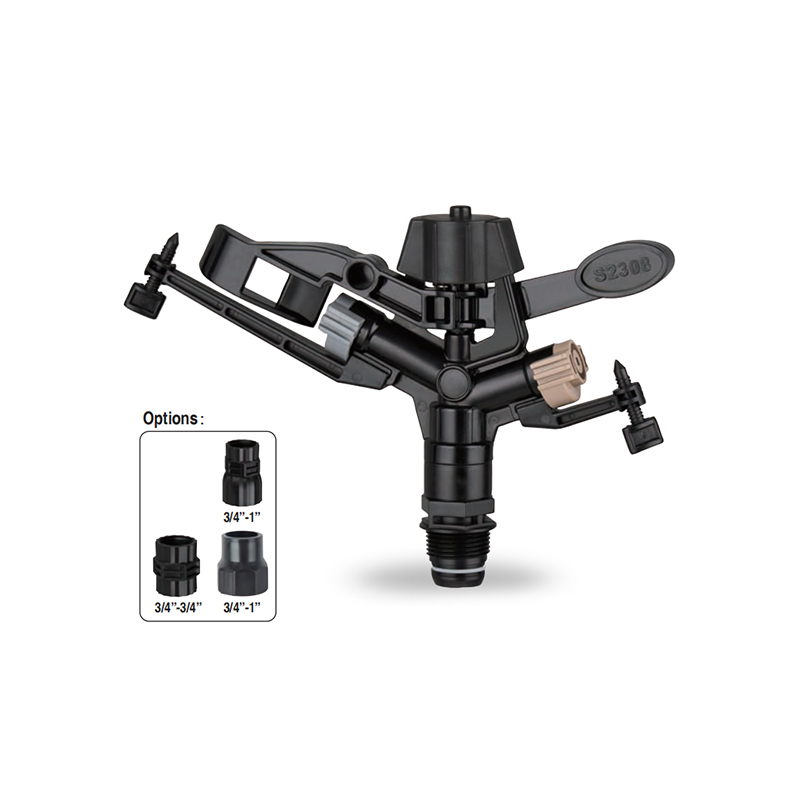
An Impact Sprinkler — particularly the heavy-duty brass or reinforced polymer models — is the right choice when you need to cover large, open areas uniformly. A quality Impact Sprinkler can throw water in a radius of 20 to 45 feet, making it far more efficient for lawns, new seeding projects, or large-scale groundcover establishment than trying to snake multiple soaker hoses across an acre. Impact Sprinklers also excel at cooling foliar temperature during extreme heat events for established, disease-resistant plants.
- Lawn and turf areas where uniform surface coverage is the goal
- New grass seeding that requires consistent surface moisture to germinate
- Large open flower meadows or wildflower plantings where exact water placement isn't critical
- Ground-level dust suppression for paths and outdoor spaces
Many gardeners run both systems simultaneously — an Impact Sprinkler on the lawn and soaker hoses through the vegetable and flower beds. This zone-based approach is how professional landscape irrigation is typically designed, and it's completely practical at the home scale using a simple multi-outlet timer.
Using a Timer to Automate Your Soaker Hose System
The most effective soaker hose systems run on a timer. Manual watering — even with the best intentions — is inconsistent. You'll overwater after rain, underwater during a busy week, and miss the optimal morning window for watering (which is between 6:00 AM and 10:00 AM, when evaporation rates are lowest).
A basic mechanical timer costs $15 to $25 and threads directly onto your spigot, with your soaker hose connecting to its outlet. You set it to run for a fixed duration, and it shuts off automatically. Digital timers in the $30 to $60 range allow multiple daily schedules, different programs for different days of the week, and some even include soil moisture bypass sensors that skip scheduled watering cycles if rain has fallen.
For multi-zone setups — perhaps soaker hoses in two separate garden beds plus an Impact Sprinkler zone on the lawn — a manifold timer with 2 to 4 independent outlets lets you run each zone on its own schedule. This is the upgrade that makes home irrigation genuinely low-maintenance.
What Time of Day to Water
Schedule your soaker hose to run in the early morning. This gives foliage time to dry if any splashing occurs, the soil absorbs water before afternoon heat drives evaporation, and plant roots benefit from moisture throughout the warmest part of the day. Avoid watering at night — while soaker hoses don't wet leaves, nighttime moisture at the soil level in warm weather creates conditions that favor soil-borne fungal pathogens like pythium and fusarium root rot.
Maintaining a Soaker Hose System Through the Season
A soaker hose that was working well at the start of the season can degrade in performance by midsummer if not given occasional attention. Maintenance is minimal but specific.
Monthly Flushing
Once a month, remove the end cap from your soaker hose, turn on the water to full pressure briefly (10 to 15 seconds), and let it flush. This clears mineral buildup and any sediment that may have accumulated in the hose. After flushing, replace the cap and return to low-pressure operation. If you have a filter installed at the spigot, check and clean it at the same time — simply unscrew it and rinse the mesh screen under running water.
Checking for Clogged Zones
Walk the hose while it's running every few weeks and look for sections where the soil around the hose is noticeably drier than the rest. A consistently dry section often indicates a clog. You can try to clear it by briefly increasing pressure (with the cap still on, so pressure builds inside the hose) — this sometimes forces mineral plugs through the pores. If the zone remains dry, that section of hose may need replacement with a coupler and a new segment.
End-of-Season Winterizing
In climates where temperatures drop below freezing, draining and storing soaker hoses before the first hard frost extends their life significantly. Remove the hose from the garden, flush it, coil it loosely (not tightly wound), and store it in a garage or shed where temperatures stay above freezing. Water left in a rubber hose during a freeze can crack the inner structure of the pores, causing the hose to leak excessively from day one the following spring. This is especially important for vinyl hoses, which are more vulnerable to freeze damage than rubber.
Common Soaker Hose Mistakes (and How to Fix Them)
Most problems people encounter with soaker hoses trace back to a handful of consistent errors. Here are the most frequent ones with direct solutions.
Running the Hose at Full Spigot Pressure
Already mentioned above, but worth repeating: full household pressure (40–80 PSI) destroys soaker hoses. Install a pressure regulator. This alone solves the majority of soaker hose problems people report — ballooning, bursting, uneven flow, and premature hose failure.
Hose Runs That Are Too Long
A 200-foot soaker hose run results in the first 50 feet of garden being heavily watered while the last 50 feet barely receive moisture. Break long gardens into multiple parallel zones, each no longer than 100 feet, fed from a central manifold.
Forgetting the End Cap
Water exits the path of least resistance. Without an end cap, that's the open end — not the pores along the hose. Result: your garden gets no water and you have a geyser at the far end of the row. Cap every soaker hose end that isn't connected to a water source.
Placing the Hose Too Close to Plant Stems
Chronic wet contact between a soaker hose and the base of a plant stem promotes rot. Keep 2 to 4 inches of clearance. Water moves laterally through soil; being a few inches away from the stem still delivers water to the root zone efficiently.
Not Accounting for Soil Type
Running a soaker hose for 30 minutes in sandy soil that drains in 20 minutes means most of your water has moved below the root zone. In clay soil, 30 minutes may only wet the top inch. Check your soil type and calibrate run times accordingly — use the table in an earlier section as your starting point, then adjust based on what you observe with a soil probe.
Advanced Soaker Hose Setups for Larger Gardens
Once you move beyond a single raised bed, a more structured approach to soaker hose layout pays dividends in coverage, efficiency, and ease of management.
Zone-Based Irrigation with a Manifold
A multi-port manifold connects to your spigot and distributes water to 2, 3, or 4 separate soaker hose runs simultaneously or in sequence. Each port has its own shutoff, allowing you to irrigate specific beds while others remain off. This is particularly useful in gardens where different areas have different plants with different water needs — drought-tolerant herbs need far less water than thirsty squash or cucumbers.
Buried vs. Surface Soaker Hose Installations
Soaker hoses can be buried 2 to 6 inches below the soil surface for a more permanent installation. Buried hoses deliver water even more efficiently — direct to root level with zero surface evaporation — and won't be disturbed by garden maintenance. However, buried hoses are harder to check for clogs, harder to flush, and if they fail, require digging to replace. They also shouldn't be buried under paths or areas you'll till. If you're creating permanent raised beds with consistent plantings, buried soaker hoses are worth considering. For annual vegetable gardens that are tilled and replanted each year, surface installation is more practical.
Pairing Soaker Hoses with Rain Sensors
A rain sensor — a small device typically mounted near the garden that measures rainfall accumulation — can be wired or wirelessly connected to a digital timer to bypass scheduled watering after significant rain. Most sensors trigger a bypass at 1/4 inch of rainfall, which is generally sufficient to skip one irrigation cycle. This prevents overwatering and the runoff and root oxygen deprivation that come with it. Rain sensors typically cost $15 to $35 and connect to most programmable hose timers.
Soaker Hose Applications by Plant Type
Different plants have different root architectures and moisture preferences. Matching your soaker hose layout to the plant type in each bed improves outcomes noticeably.
Vegetable Gardens
For row vegetables like beans, carrots, beets, and corn, run one soaker hose per row, centered between the plant rows if they're closely spaced. For sprawling plants like squash, pumpkins, and melons, spiral the hose in a rough circle at the planting hole, expanding as the season progresses. Tomatoes benefit enormously from soaker irrigation — consistent soil moisture prevents the calcium uptake issues that cause blossom end rot, a condition directly linked to uneven watering. Inconsistent soil moisture is the leading cause of blossom end rot in tomatoes, and soaker hose irrigation on a timer is the most effective prevention.
Rose Beds
Roses are prime candidates for soaker hose irrigation. They're highly susceptible to black spot and powdery mildew when foliage is regularly wet, and they have deep, established root systems that respond well to deep, slow watering. Run a soaker hose in a loop around each rose bush, roughly 6 inches out from the cane bases. Roses in established beds typically need about 1 inch of water per week — calibrate your timer run times to deliver this amount in 2 to 3 sessions.
Hedges and Shrub Borders
A single soaker hose run down the center of a hedge row is one of the most efficient ways to establish new hedging plants during their first two to three seasons. Newly planted shrubs need consistent moisture while their root systems expand beyond the root ball — a challenge with any overhead watering system because it's easy to overestimate how much water is actually reaching the root zone. Run the hose at 6 inches from the plant bases and water for 45 to 60 minutes twice per week during the establishment period, tapering frequency as the plants mature and root systems deepen.
Fruit Trees
For established fruit trees, soaker hoses should be placed in a ring at the drip line — the outer edge of the canopy — rather than close to the trunk. Tree root systems extend well beyond the trunk, and the most active feeder roots are at the drip line and beyond. A soaker hose loop at the drip line with a radius of 3 to 5 feet for a mature apple, pear, or cherry tree delivers water where the tree can use it most effectively.
Water Savings: What the Numbers Actually Look Like
If you're skeptical about whether soaker hose irrigation makes a meaningful difference in water use, here are some numbers worth examining.
A standard oscillating sprinkler covers approximately 2,000 square feet and applies water at roughly 1 to 1.5 inches per hour. With typical run times of 20 minutes per cycle and three cycles per week, that's about 1 to 1.5 inches of water applied per week across the full coverage area — including the paths between plants, the mulched areas with no plants, and the area around the edges of beds where nothing is growing. Depending on bed layout, 30 to 60% of that water lands somewhere other than a plant's root zone.
A soaker hose system applying the same water volume directs it to a 12 to 18-inch band along each row — essentially all of it within the root zone. The same garden can often be maintained with 40 to 50% less water by volume. For a typical 500-square-foot vegetable garden, this can translate to 2,000 to 4,000 gallons saved over a growing season — a real reduction in water bills and in resource use.
Impact Sprinklers and oscillating sprinklers remain useful tools, particularly for broad lawn areas where the coverage efficiency calculation is reversed — a lawn has plants everywhere, so overhead coverage is highly efficient. But for defined garden beds, the soaker hose wins on water efficiency in almost every comparison.
Prev:How to Adjust an Impact Sprinkler: Arc, Distance & MoreNext:How to Use a Hose Reel: Setup, Winding & Sprinkler Tips
Related products
-
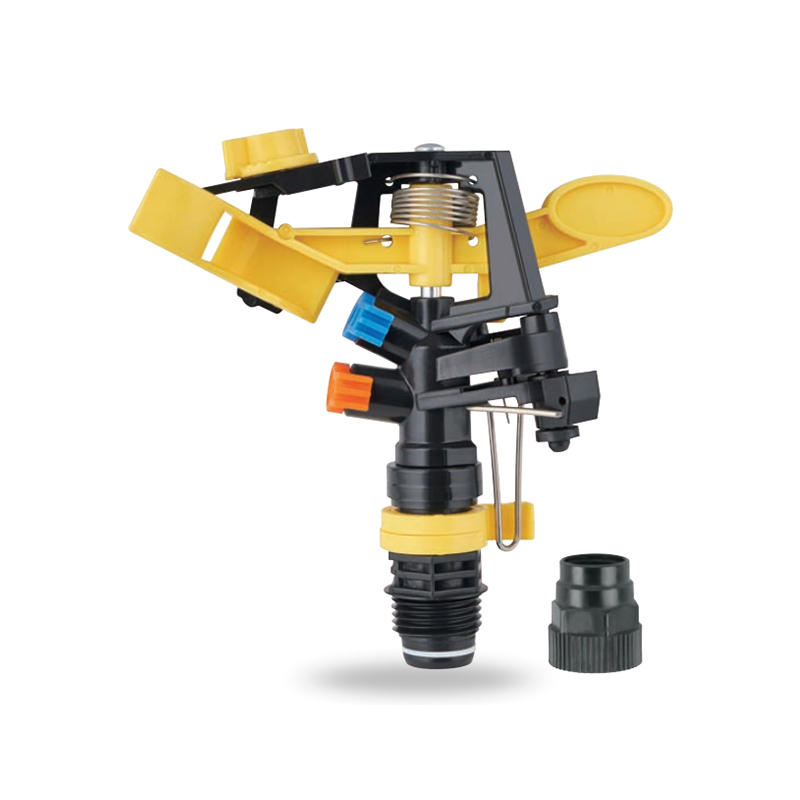
Impact sprinkler for agricultural irrigation is a common and efficient agricultural irrigation tool designed for large areas of farmland. Its unique structure can evenly cover a large area by rotating...
See Details -
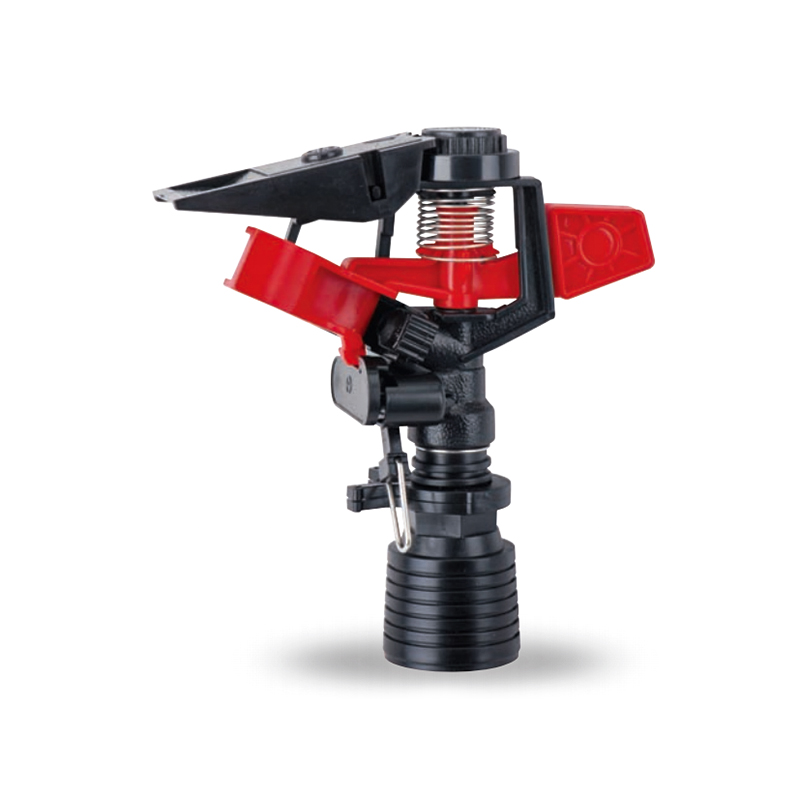
This 360 degree adjustable rocker arm nozzle impact sprinkler is an essential part of an irrigation system designed to meet a wide range of horticultural and agricultural needs. Its flexible adjustmen...
See Details -
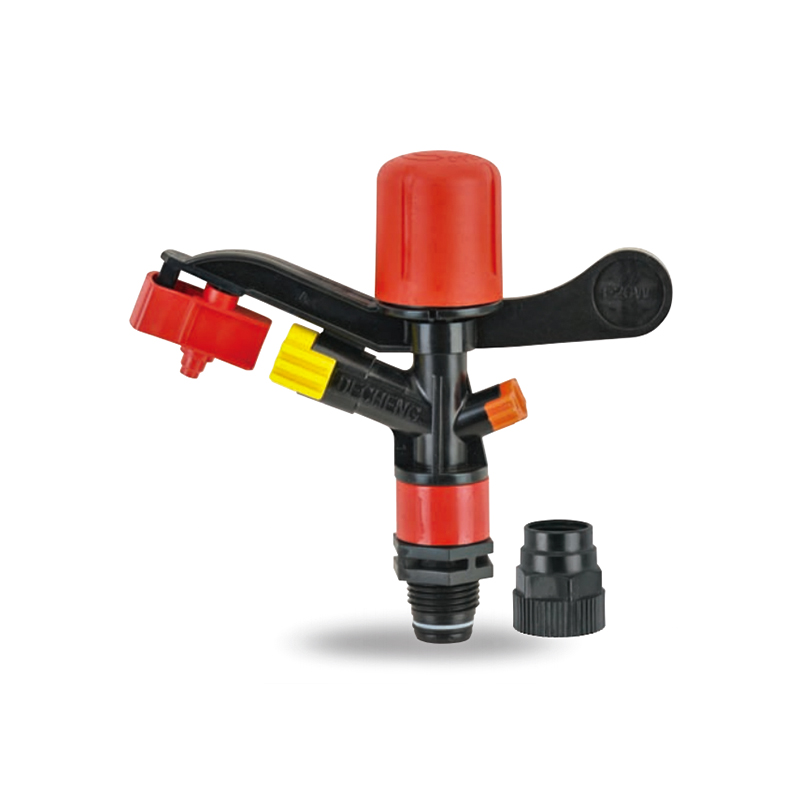
The Plastic Full-Circle Impact Sprinkler Sprayer is a highly efficient full-circle irrigation device designed to provide even moisture coverage. Its lightweight plastic material makes this sprinkler e...
See Details -
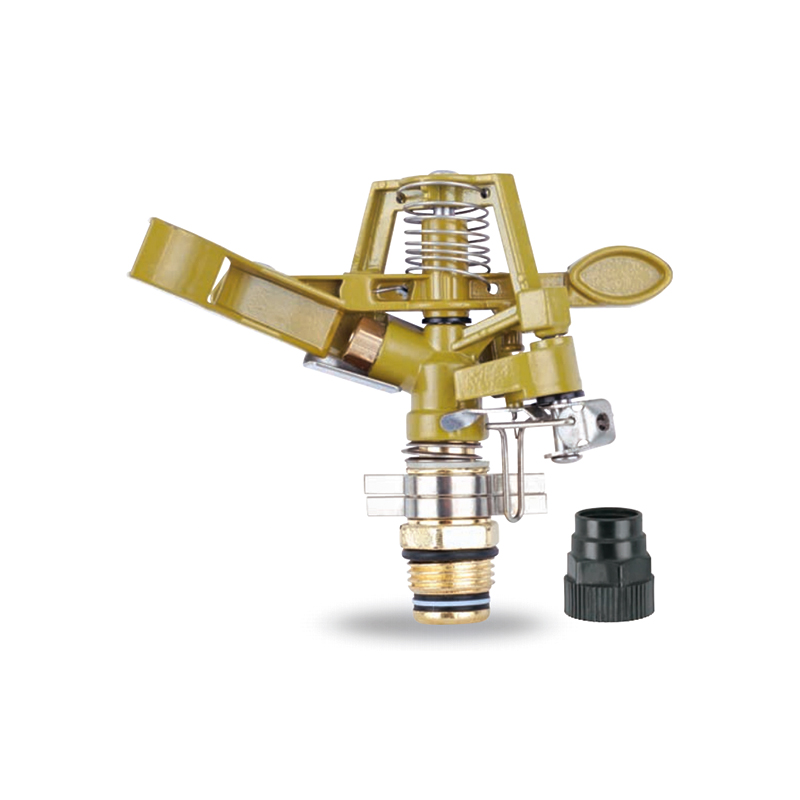
The Irrigation System Adjustable Head Mobile Rotary Zinc Sprinkler is an efficient rotary sprinkler designed for flexible irrigation needs. Its adjustable head allows the user to easily adjust the dir...
See Details -
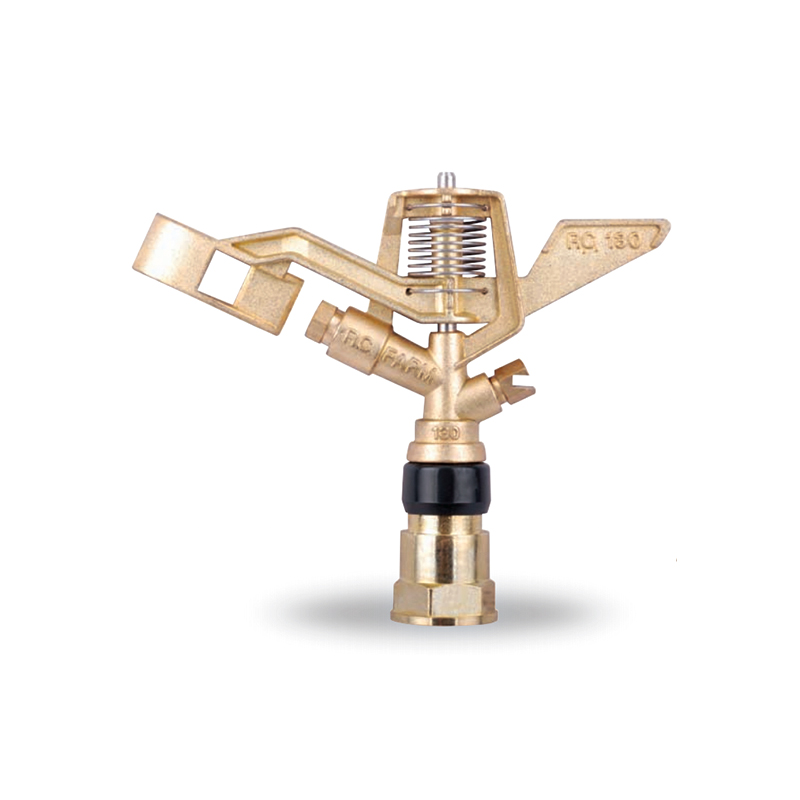
This 3/4” Zinc Alloy Swivel Arm Irrigation Watering System Impact Sprinkler is ideal for agricultural irrigation systems due to its superior durability and corrosion resistance. Its rugged constructio...
See Details -
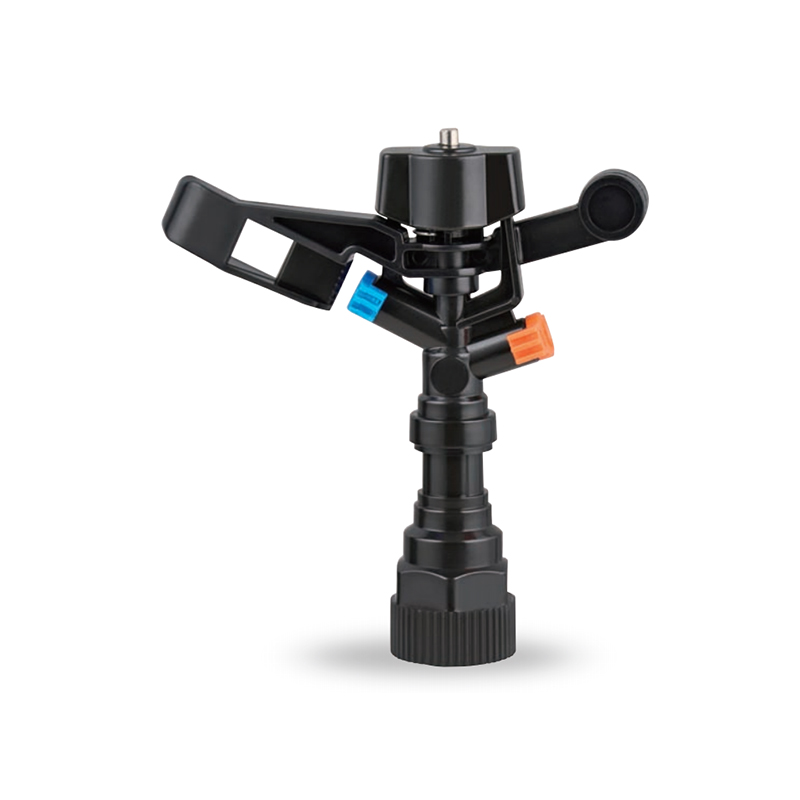
The Double nozzle garden farm impact full-circle sprinkler is well-designed to efficiently and evenly spray water, thus enhancing the quality of crop growth. Whether it's in the home garden or on a la...
See Details -
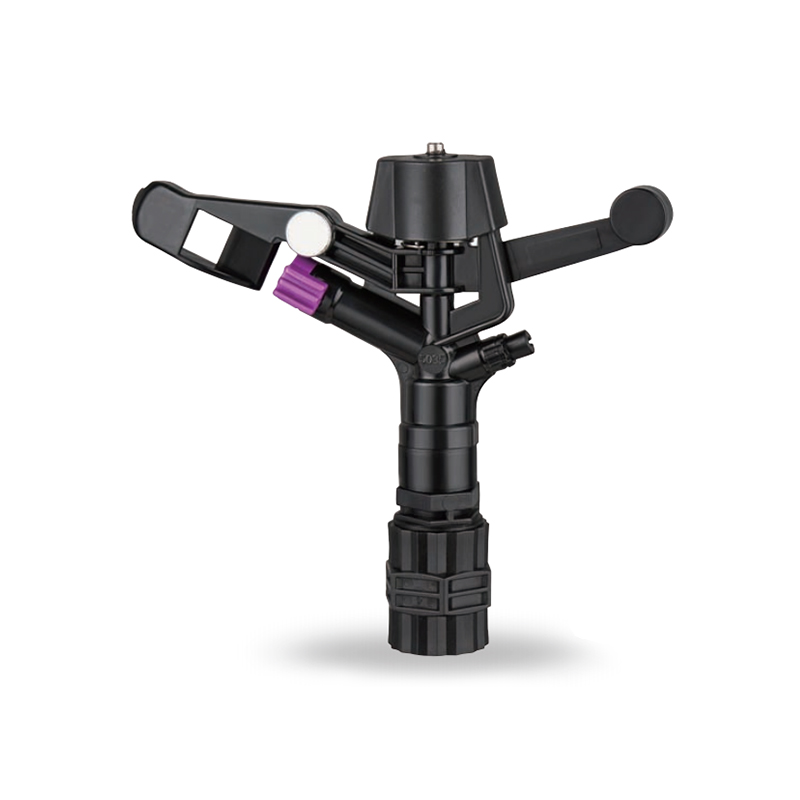
Double nozzle agricultural water plastic impact sprinkler for irrigation sprinkler combines practicality and durability with a dual nozzle system that provides extensive water coverage for a wide rang...
See Details -
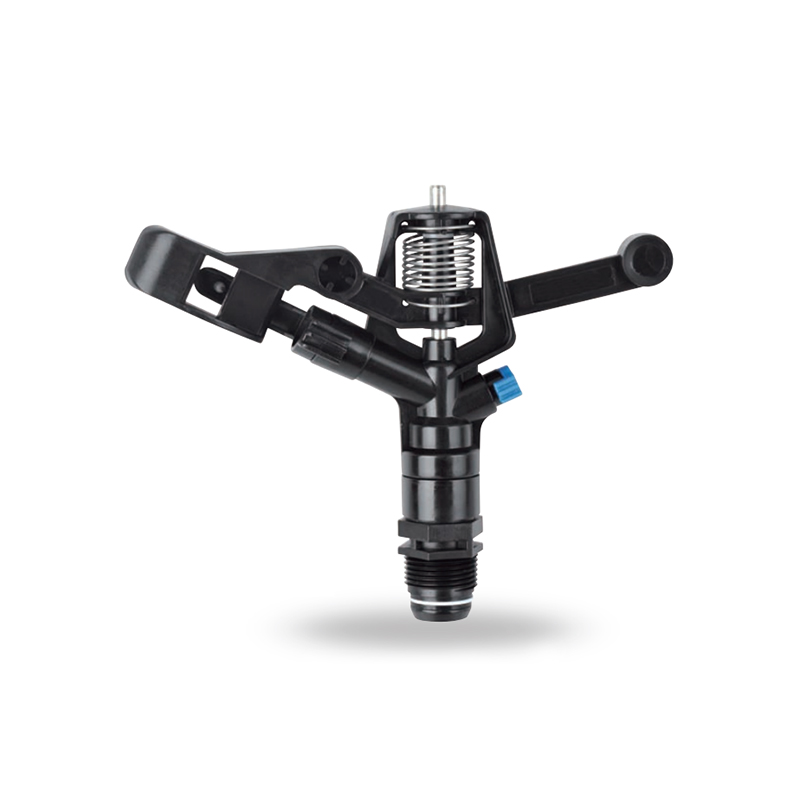
The POM agricultural irrigation sprinkler water impact sprinkler is known for its excellent abrasion resistance and durability, ensuring consistent performance over time. It is designed to increase wa...
See Details -
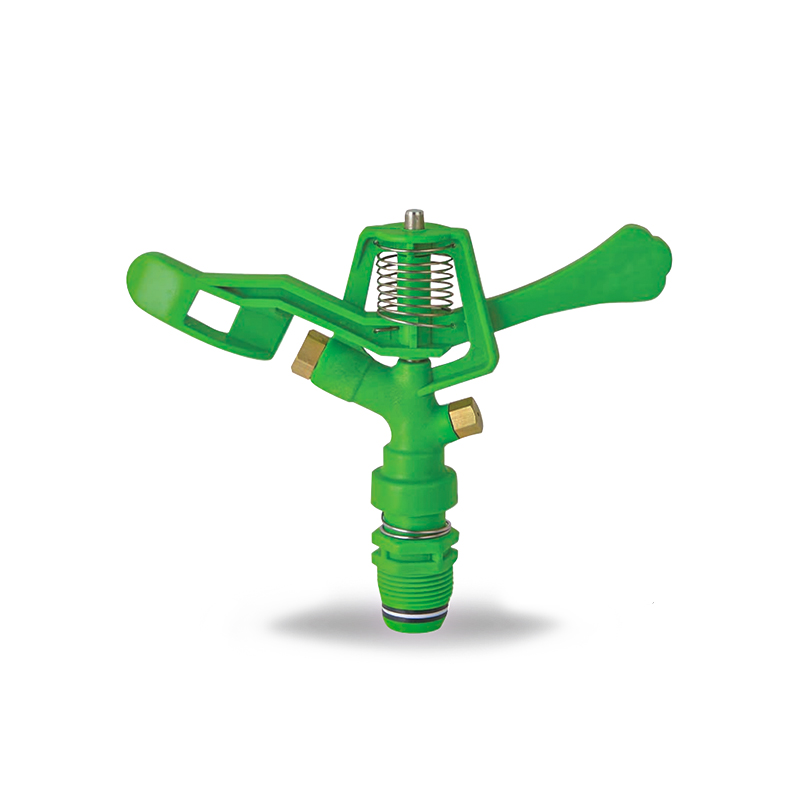
The POM Agricultural Irrigation Sprinkler with Metal Nozzles is a device designed for efficient irrigation, combining premium polyacetal (POM) material with durable metal nozzles to ensure superior sp...
See Details -
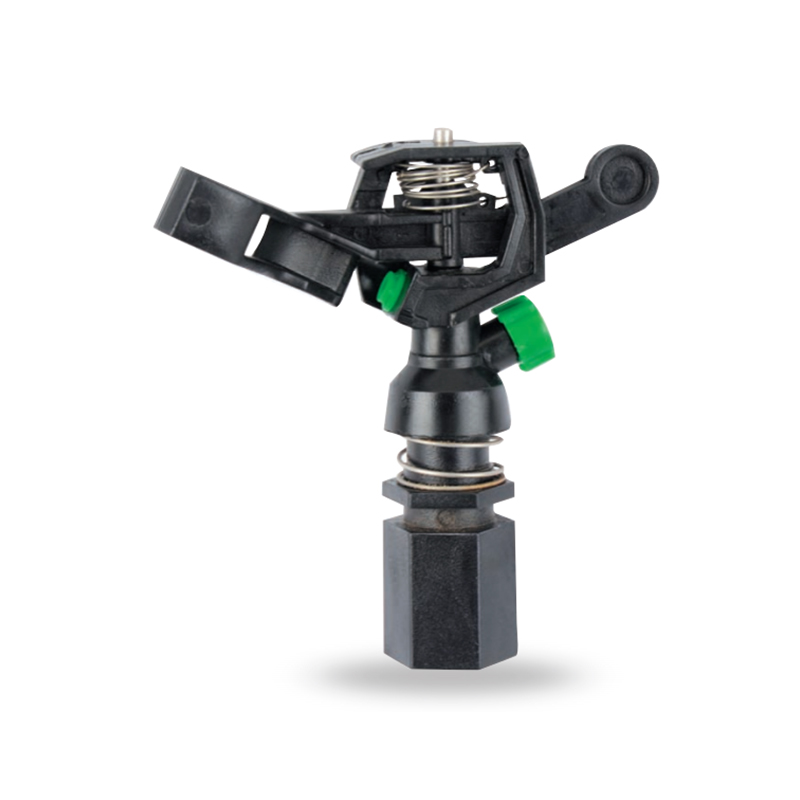
Watering irrigation system 3/4 inch nozzle field Impact Sprinkler is perfect for field irrigation and easily meets the water needs of large crops. Its powerful spray ensures that every nook and cranny...
See Details -
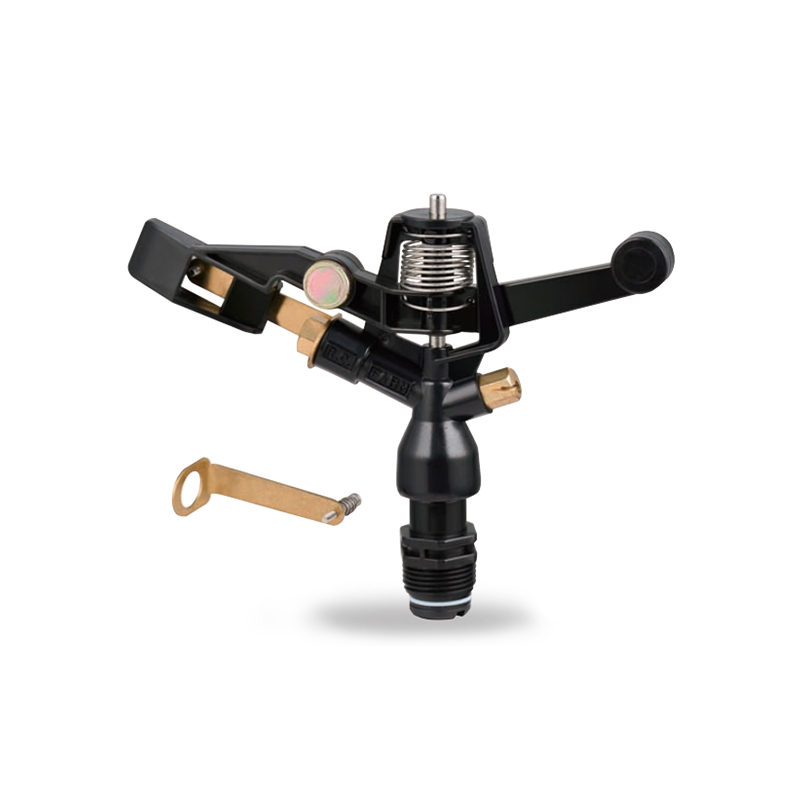
The POM Agricultural Irrigation Sprinkler with Brass Nozzles is an efficient and durable irrigation device designed to meet a wide range of agricultural needs. The sprinkler is made of polyacetal (POM...
See Details -
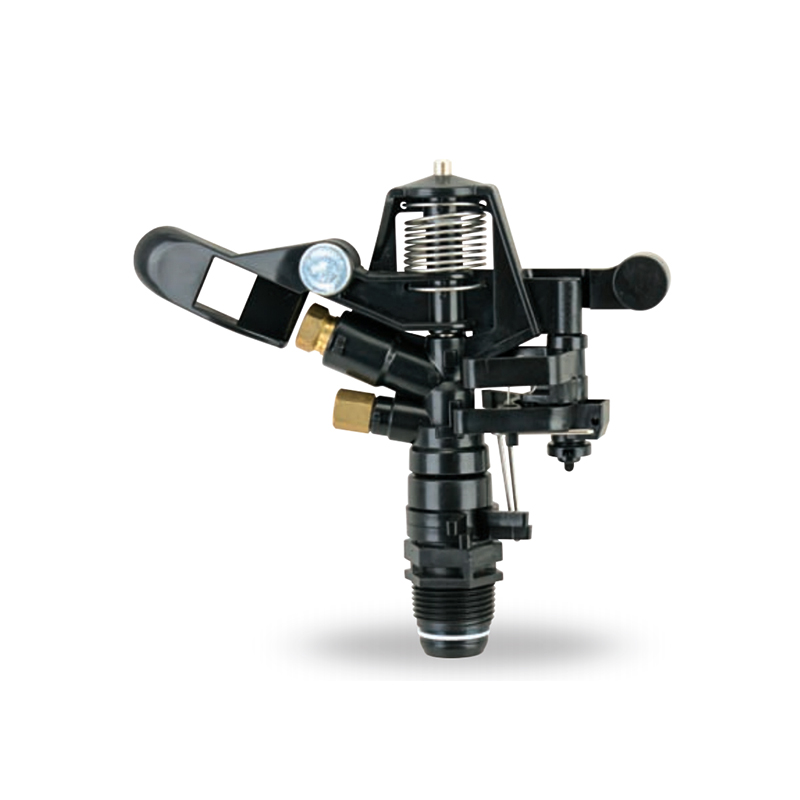
The Double Nozzle Garden Farm Impact Part-Circle Sprinkler is a highly efficient garden irrigation device designed for large planting areas. Its double nozzle design produces a strong, even stream of ...
See Details

PRODUCTS & SERVICES

CONTACT US
 No.518, Ruihao Road, Lizhou Street, Yuyao City, Zhejiang Province, China
 +86-13105554615 / +86-18005843886
 decheng@dcssq.com fredzhu@dcssq.com
 LISA
LISA
 Fred Zhu
Copyright © Ningbo Dewo Irrigation Equipment Co., Ltd. All Rights Reserved. China Agricultural Plastic Sprinkler Manufacturers Wholesale Irrigation Plastic Sprinkler Factory
