

 Search for...
 English
 Español
 中文简体
中文简体Are Impact Sprinklers Good? Honest Pros, Cons & Use Cases
Content
- 1 The Short Answer: Yes, Impact Sprinklers Are Good — But Not for Everyone
- 2 How Impact Sprinklers Actually Work
- 3 Where Impact Sprinklers Genuinely Excel
- 4 The Real Drawbacks of Impact Sprinklers
- 5 Impact Sprinklers vs. Other Common Sprinkler Types
- 6 Brass vs. Plastic Impact Sprinklers: Which Should You Choose?
- 7 How to Set Up Impact Sprinklers for Maximum Effectiveness
- 8 Common Problems with Impact Sprinklers and How to Fix Them
- 9 Impact Sprinklers for Specific Use Cases: A Practical Guide
- 10 Water Efficiency: How Do Impact Sprinklers Compare?
- 11 Top Impact Sprinkler Models Worth Considering
- 12 Final Verdict: When to Use Impact Sprinklers and When to Look Elsewhere
The Short Answer: Yes, Impact Sprinklers Are Good — But Not for Everyone
Impact sprinklers are genuinely effective irrigation tools, particularly for large open areas, agricultural fields, and situations where water pressure is inconsistent. They have been used reliably for over 80 years and remain a top choice for farmers, ranchers, and homeowners with expansive lawns. That said, they are not the optimal solution for small residential gardens, densely planted beds, or areas with lots of obstacles. Whether they are "good" depends heavily on your specific watering needs, property size, soil type, and available water pressure.
This article breaks down exactly how impact sprinklers work, what they do well, where they fall short, and how they compare to modern alternatives so you can make a genuinely informed decision.
How Impact Sprinklers Actually Work
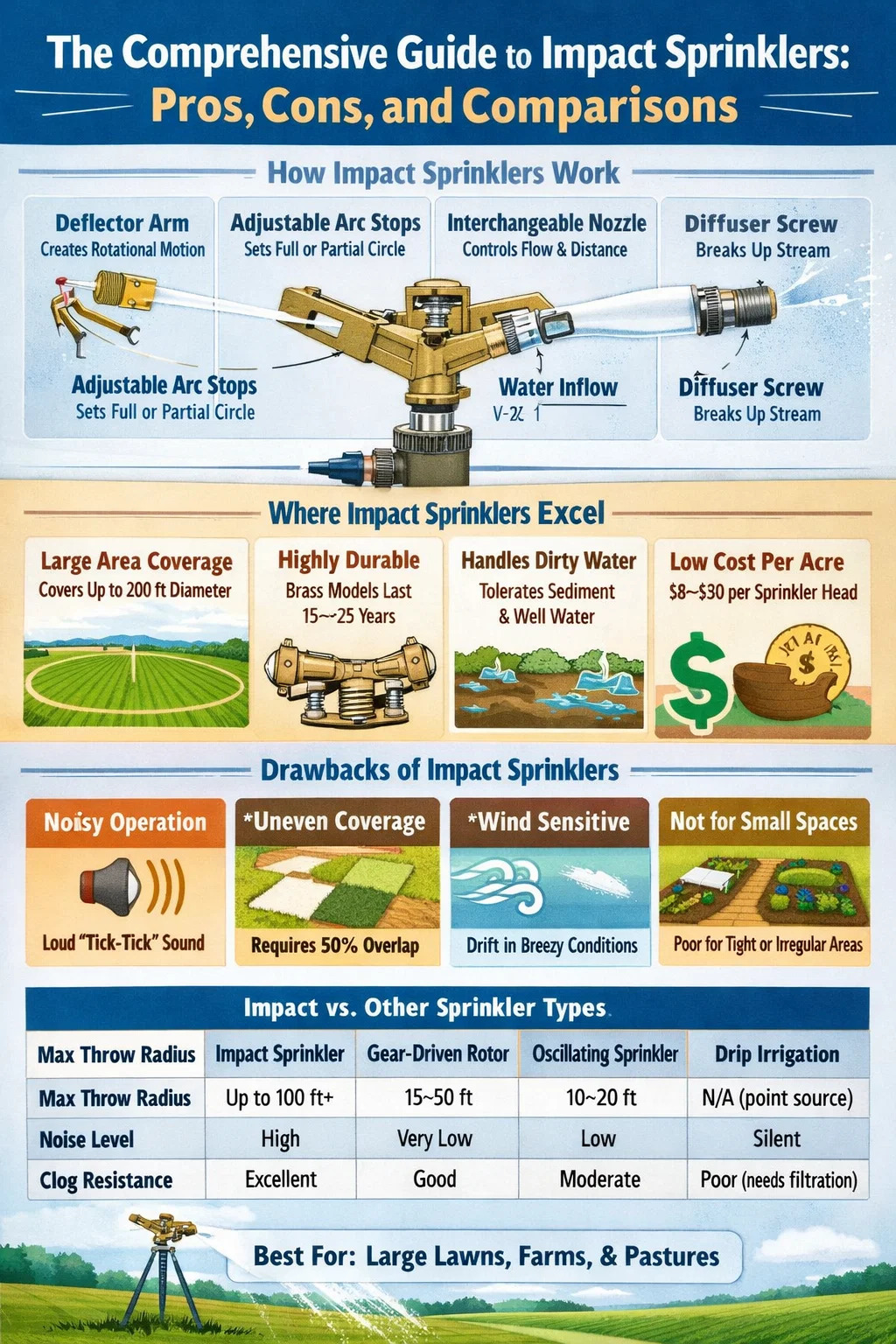
An impact sprinkler — sometimes called a impulse sprinkler or rotary impact sprinkler — operates on a deceptively simple mechanical principle. Water enters under pressure through the sprinkler's base and pushes through a nozzle, propelling a weighted deflector arm. That arm swings through the water stream, deflects some water sideways, and then springs back to hit the body of the sprinkler again. This repeated "impact" slowly rotates the head in a full or partial circle.
The key components include:
- A brass or plastic body that houses the bearing and rotation mechanism
- A deflector arm (also called a trip arm or slapper arm) that creates the rotational motion
- A nozzle (often interchangeable) that controls flow rate and throw distance
- Adjustable arc stops that let you set full-circle or partial-circle rotation
- A diffuser screw at the nozzle tip that can break up the stream to reduce throw distance or soften application
Most impact sprinkler heads operate effectively at water pressures between 25 and 65 PSI, though some heavy-duty agricultural models can handle pressures up to 100 PSI. The throw radius — how far the water reaches — typically ranges from 15 feet on small residential models to over 100 feet on large agricultural units.
Where Impact Sprinklers Genuinely Excel
Impact sprinklers have earned their longevity by performing extremely well in specific conditions. Understanding these scenarios helps you quickly assess whether they suit your situation.
Large Open Lawn and Pasture Coverage
For covering large, unobstructed areas, few sprinkler types beat the impact design. A single heavy-duty impact sprinkler on a tripod stand can cover a circle with a diameter of up to 200 feet, depending on the nozzle size and water pressure. That means a single head can effectively irrigate areas approaching 30,000 square feet. For farmers irrigating pasture, hay fields, or large vegetable plots, this wide coverage dramatically reduces the number of sprinkler heads needed, simplifying setup and cutting costs.
Durability in Harsh Conditions
Brass impact sprinklers — particularly models from manufacturers like Rain Bird, Nelson, or Orbit — are famous for their lifespan. A quality brass impact head used in agricultural applications routinely lasts 15 to 25 years with minimal maintenance. Their mechanical simplicity means there are very few parts to fail. Compare this to gear-driven or multi-stream rotary sprinklers, which have more complex internal gearing that wears out faster, especially when run with sandy or sediment-carrying water.
Plastic impact sprinklers are less durable but remain robust compared to many alternatives. Even entry-level plastic models often last 5 to 10 years under regular use.
Tolerance for Sediment and Dirty Water
Many irrigation scenarios — particularly on farms drawing water from ponds, rivers, or wells — involve water with some level of sediment, sand, or organic debris. Fine-spray sprinklers and drip systems clog almost immediately under these conditions. Impact sprinklers, with their larger nozzle openings (commonly 3/32 inch to 5/16 inch in diameter), handle dirty water far more reliably. This makes them a practical default choice for agricultural irrigation without a sophisticated filtration system.
Variable Water Pressure Performance
Unlike some pressure-sensitive sprinkler designs, impact heads continue to function — though with reduced range — even when pressure drops. On gravity-fed systems or well pumps with fluctuating output, impact sprinklers maintain more consistent operation than gear-driven rotors, which can stall completely below their minimum operating pressure.
Low Cost Per Acre Covered
When calculating irrigation cost per square foot covered, impact sprinklers are hard to beat. A quality brass impact head costs between $8 and $30, and a basic tripod stand adds another $20 to $50. Given the coverage area a single unit provides, the cost-per-square-foot is extremely low. For budget-conscious large-area irrigation, this economics argument is compelling.
The Real Drawbacks of Impact Sprinklers
No irrigation tool is perfect, and impact sprinklers have genuine limitations that matter depending on your setup.
They Are Loud
The characteristic "tick-tick-tick" sound of an impact sprinkler head is iconic — but it is also genuinely noisy. Running impact sprinklers near bedroom windows early in the morning or late at night is a real nuisance. In quiet suburban neighborhoods, the noise can generate complaints. Gear-driven rotors or oscillating sprinklers operate near-silently by comparison. If noise is a concern, impact sprinklers may not be the right choice regardless of their other merits.
Uneven Water Distribution in Some Configurations
Impact sprinklers distribute water in a characteristic pattern: the area closest to the head receives more water per unit area than the outer edges of the coverage circle. This is called a triangular distribution pattern, and it means that if you space impact sprinklers too far apart, you get dry strips between them. Proper irrigation design requires overlapping coverage zones by at least 50%, which means spacing multiple impact heads at no more than half their throw radius apart. Ignoring this principle leads to visibly uneven turf or crop growth.
Not Ideal for Small or Irregularly Shaped Areas
Because impact sprinklers throw water in large arcs, they are poor choices for narrow strips, L-shaped lawns, or garden beds bordered by paths, fences, or structures. Even with partial-arc adjustment, it is difficult to confine the coverage area precisely. You end up watering driveways, sidewalks, or neighboring property — wasting water and potentially causing slip hazards or property boundary issues.
Wind Vulnerability
The long, arcing trajectory of water from an impact sprinkler makes it significantly susceptible to wind interference. On a calm day, a sprinkler rated for a 40-foot throw radius performs as expected. With a 10 mph crosswind, the effective coverage area can shift dramatically, creating wet spots downwind and dry spots upwind. Drip irrigation or pop-up sprinklers with shorter throw distances are far less affected by wind. For areas with consistent afternoon winds, impact sprinklers require careful scheduling (morning watering) or switching to an alternative system.
Higher Water Application Rate
Large impact sprinklers can apply water at rates of 1 to 2 inches per hour, which exceeds the infiltration rate of many soil types, especially clay-heavy soils that absorb water slowly. Running impact sprinklers too long on tight soils causes runoff and ponding rather than deep soil penetration. Drip irrigation, by contrast, applies water slowly enough that even clay soils absorb it without runoff.
Impact Sprinklers vs. Other Common Sprinkler Types
To understand where impact sprinklers sit in the overall landscape of irrigation options, the table below compares them directly against the most common alternatives across key performance criteria.
| Feature | Impact Sprinkler | Gear-Driven Rotor | Oscillating Sprinkler | Drip Irrigation |
|---|---|---|---|---|
| Max throw radius | Up to 100 ft+ | 15–50 ft | 10–20 ft | N/A (point source) |
| Noise level | High | Very low | Low | Silent |
| Clog resistance | Excellent | Good | Moderate | Poor (needs filtration) |
| Durability (brass) | 15–25 years | 5–15 years | 3–8 years | 5–15 years |
| Wind sensitivity | High | Moderate | High | Very low |
| Water efficiency | Moderate | Moderate–Good | Moderate | Excellent |
| Best for | Large open areas, farming | Residential lawns | Small to medium lawns | Garden beds, trees |
| Typical cost per head | $8–$30 | $5–$25 | $10–$40 | $0.20–$2 per emitter |
Brass vs. Plastic Impact Sprinklers: Which Should You Choose?
When shopping for impact sprinklers, the first choice you face is the body material: brass or plastic. Each has a clear use case.
Brass Impact Sprinklers
Brass impact sprinkler heads are the professional standard for good reason. The metal construction tolerates UV exposure, temperature extremes, and high-pressure operation without degrading. Brass heads like the Rain Bird 25PJDAC or Nelson F33 are commonly specified in agricultural irrigation design because they can run continuously for years. Their heavier weight also makes them more stable on tripods in windy conditions.
The tradeoff is cost and weight. Brass heads typically run $15 to $30 per unit, and they are considerably heavier than plastic equivalents — relevant if you are regularly moving them across a field.
Plastic Impact Sprinklers
Plastic impact heads, like the widely available Orbit 56667N or Rainbird 25PJDAC-P, cost significantly less — typically $5 to $15. For a homeowner watering a large lawn seasonally, plastic models are entirely adequate and will easily last through multiple growing seasons. They are lighter, easier to carry, and still provide respectable coverage.
The weakness of plastic is UV degradation over many years and lower tolerance for very high water pressure. Running plastic heads at pressures above 60–65 PSI consistently can crack the body or damage the arm spring.
How to Set Up Impact Sprinklers for Maximum Effectiveness
Getting good results from impact sprinklers requires more than just screwing one onto a hose and turning on the tap. Several setup factors significantly affect performance.
Check and Regulate Your Water Pressure
Most residential homes supply water at 40 to 80 PSI. Most impact sprinklers perform optimally between 30 and 55 PSI. Running at excessively high pressure causes water to atomize into a fine mist that is lost to evaporation and wind drift rather than penetrating the soil. Use an inexpensive pressure gauge (available at any hardware store for under $10) to measure your actual tap pressure, and install a pressure regulator if needed.
Space Multiple Heads at 50% Overlap
As mentioned earlier, impact sprinklers apply more water near the head than at the perimeter of their coverage circle. To compensate for this triangular distribution pattern and achieve reasonably uniform coverage, space heads so that each one's spray reaches the adjacent head's position. If your sprinkler has a throw radius of 30 feet, space heads 30 feet apart, not 60. This "head-to-head coverage" principle is standard practice in professional irrigation design.
Adjust the Diffuser Screw for Shorter Throws
All impact sprinklers have a small screw at the tip of the nozzle called a diffuser or break-up screw. Turning it inward breaks up the solid stream into a more diffuse spray, reducing throw distance. This is useful when watering areas smaller than the head's maximum range. However, diffusing the stream also increases evaporation losses and wind susceptibility, so use this feature judiciously.
Use a Tripod Stand for Agricultural Applications
Mounting an impact sprinkler higher off the ground — typically 3 to 5 feet on a tripod — substantially increases its effective throw radius because the water has more arc before hitting the ground. Agricultural impact sprinkler tripods are available from most farm supply stores. The height advantage can increase throw radius by 15 to 25% compared to ground-mounted operation, which meaningfully increases coverage area per head.
Water in the Early Morning
Impact sprinklers throw water through the air over long distances, making evaporation losses worse during the hottest part of the day. Studies from the University of California Cooperative Extension estimate that sprinkler irrigation during midday in warm, dry climates can lose 20 to 30% of applied water to evaporation before it reaches the soil. Scheduling irrigation between 4 AM and 9 AM reduces evaporation losses significantly and also reduces the risk of foliar diseases that thrive when leaves remain wet through warm afternoons.
Common Problems with Impact Sprinklers and How to Fix Them
Even well-designed tools fail sometimes. Here are the most frequently reported issues with impact sprinklers and their practical solutions.
Sprinkler Stops Rotating
The most common cause is debris lodged in the nozzle or bearing. Remove the head, flush it with clean water, and check for small stones or sand. If the bearing itself has corroded or worn out, replacement heads are inexpensive enough that replacing rather than repairing is often the practical choice. On brass heads, the bearing can sometimes be cleaned and lightly lubricated with a silicone-based lubricant (never petroleum-based lubricant, which degrades rubber seals).
Uneven Rotation Speed
If the head rotates faster in one direction than the other, or jerks inconsistently, the deflector arm spring tension may need adjustment. Most impact heads have a spring adjustment screw or tensioning mechanism. Check the manufacturer's instructions for your specific model. This issue is also sometimes caused by insufficient water pressure — below about 20 PSI, many impact heads rotate erratically.
Water Spraying in Only One Direction
The arc adjustment stop collar may have slipped or been accidentally moved. Reset it to cover the desired arc range. On some budget plastic models, the stop collar wears and no longer holds its position reliably — at that point, replacement is the practical fix.
Water Leaking from the Base
Leaks at the threaded connection between the sprinkler and the riser pipe are usually resolved with fresh PTFE thread tape (plumber's tape). Leaks from the body of the head itself indicate a cracked housing, which requires replacement. Plastic heads are more prone to this from UV degradation or freezing damage.
Impact Sprinklers for Specific Use Cases: A Practical Guide
The answer to "are impact sprinklers good?" really depends on what you are irrigating. Here is a direct assessment by use case.
Large Residential Lawns (Over 5,000 sq ft)
Verdict: Good choice. A few impact heads on tripod stands or on a temporary hose connection can cover large lawn areas efficiently. The noise may be a drawback in dense neighborhoods, but for rural or suburban properties with space, impact sprinklers are cost-effective and durable.
Small Residential Lawns (Under 2,000 sq ft)
Verdict: Probably not the best fit. Oscillating sprinklers or gear-driven pop-up rotors handle small, irregularly shaped lawns with more precision, less noise, and less overspray onto non-lawn surfaces.
Vegetable Gardens and Raised Beds
Verdict: Not recommended. Gardens need controlled, gentle watering. Impact sprinklers apply water too fast, can damage seedlings or tender plants with their impact force, and waste significant water on paths and non-planting areas. Drip irrigation or soaker hoses are far superior here.
Pasture and Hay Field Irrigation
Verdict: Excellent choice. This is the core application for large impact sprinklers. The wide throw radius, clog resistance, and durability make them the dominant choice for pasture irrigation globally. Agricultural impact heads connected to a traveling gun or set on a fixed grid pattern are workhorses in this context.
Sports Fields and Parks
Verdict: Good for large open fields, less ideal for precision edging. Many sports complexes use large-throw impact sprinklers for center-field coverage and supplement with smaller pop-up heads around edges. The combination approach provides the cost-efficiency of impact coverage with the precision of pop-ups near boundaries.
Dust Suppression and Construction Sites
Verdict: Very good. Impact sprinklers are widely used on construction sites for dust control because of their ability to handle sediment-laden water, their durability in rough environments, and their wide coverage with minimal setup complexity.
Water Efficiency: How Do Impact Sprinklers Compare?
Water efficiency is increasingly important as water costs rise and drought restrictions become more common. Impact sprinklers occupy a middle position in the efficiency spectrum.
Properly installed and operated impact sprinklers typically achieve distribution uniformity (DU) values of 75 to 85% when set up with correct head spacing and operating pressure. Drip irrigation systems achieve DU values of 90% or higher. Overhead spray sprinklers with poor coverage overlap can fall as low as 50 to 60% DU.
The practical implication: for every 100 gallons of water you run through a properly set up impact sprinkler system, approximately 75 to 85 gallons end up where plants can use it. The remaining 15 to 25% is lost to evaporation, wind drift, and runoff. This is acceptable for most agricultural and large-lawn applications but is not as efficient as drip systems for high-value crops or water-restricted environments.
One often-overlooked efficiency advantage: impact sprinklers apply water to large areas quickly, reducing the total run time needed to deliver a given depth of water. This can actually reduce total evaporation compared to systems that run for much longer periods at lower application rates, depending on the climate and time of day.
Top Impact Sprinkler Models Worth Considering
Not all impact sprinklers are made equally. Here are some consistently well-regarded options across different budgets and use cases.
- Rain Bird 25PJDAC — A professional-grade brass impact head widely used in agriculture and golf course irrigation. Operates at 25 to 45 PSI with a throw radius of 20 to 41 feet depending on nozzle selection. Available with a range of nozzle sizes for different flow rates.
- Nelson F33 Brass Impact Sprinkler — Another long-lasting brass option popular in livestock and crop irrigation. Known for reliability in demanding field conditions and straightforward maintenance.
- Orbit 56667N — A plastic residential impact sprinkler that delivers good performance at a budget-friendly price. Suitable for lawns and light agricultural use. Not rated for continuous high-pressure operation.
- Melnor XT Turbo Oscillating Sprinkler — Not an impact sprinkler, but included here as the comparison alternative for homeowners with smaller lawns who want quieter operation.
- Rain Bird Big Buddy Agricultural Sprinkler — A large-throw impact head designed for farming applications, capable of throw radii exceeding 85 feet at higher pressures. Used on tripod systems for pasture and field crop irrigation.
Final Verdict: When to Use Impact Sprinklers and When to Look Elsewhere
Impact sprinklers are genuinely good tools that have stood the test of time in irrigation for very good reasons. Their mechanical simplicity, long service life, wide coverage radius, and ability to handle challenging water quality conditions make them the clear best choice for large open-area irrigation — particularly agriculture, ranching, and large residential or commercial properties.
They are not the right choice when precision matters more than coverage area, when noise is a concern in residential settings, or when you are irrigating irregular shapes, dense gardens, or small lawns. In those cases, gear-driven pop-up rotors, oscillating sprinklers, or drip systems will serve you better.
The key insight is this: impact sprinklers are optimized for coverage efficiency, not precision. If your priority is watering as many square feet as possible, as cheaply as possible, with a system that will still be working 20 years from now — impact sprinklers are hard to beat. If your priority is targeted, efficient watering of specific plants in a structured garden, look at drip systems instead.
For most people reading this who have a question about their lawn or small farm, the most practical advice is: if your area is over a quarter-acre of open turf or crop land and you need an affordable, durable solution, buy a quality brass impact head and set it up correctly. You will very likely still be using it a decade from now.
Prev:Can You Adjust an Impact Sprinkler? Complete GuideNext:Why Does My Impact Sprinkler Stop Rotating? Causes & Fixes
Related products
-
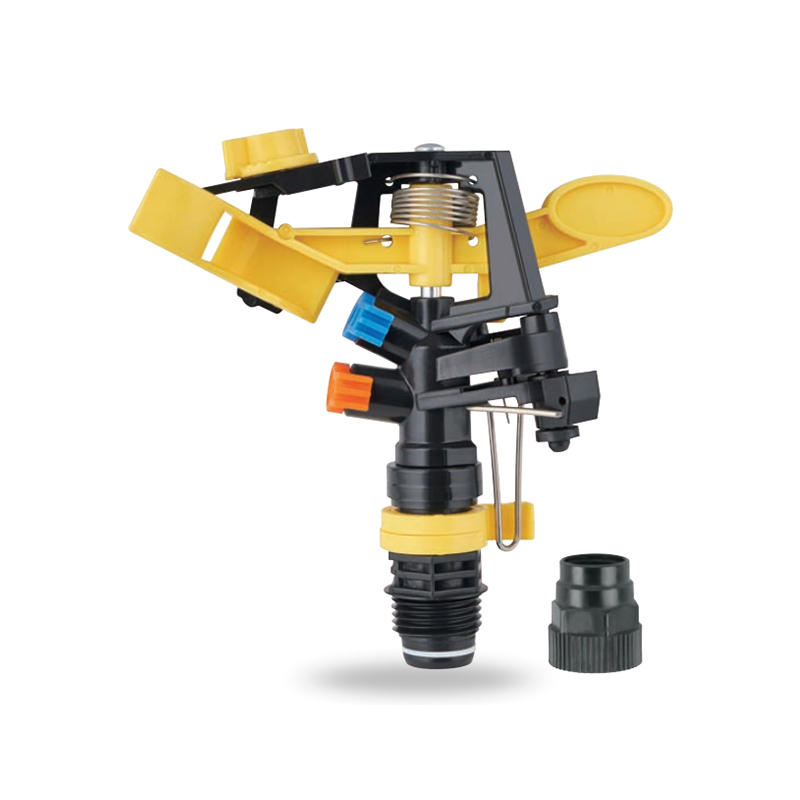
Impact sprinkler for agricultural irrigation is a common and efficient agricultural irrigation tool designed for large areas of farmland. Its unique structure can evenly cover a large area by rotating...
See Details -
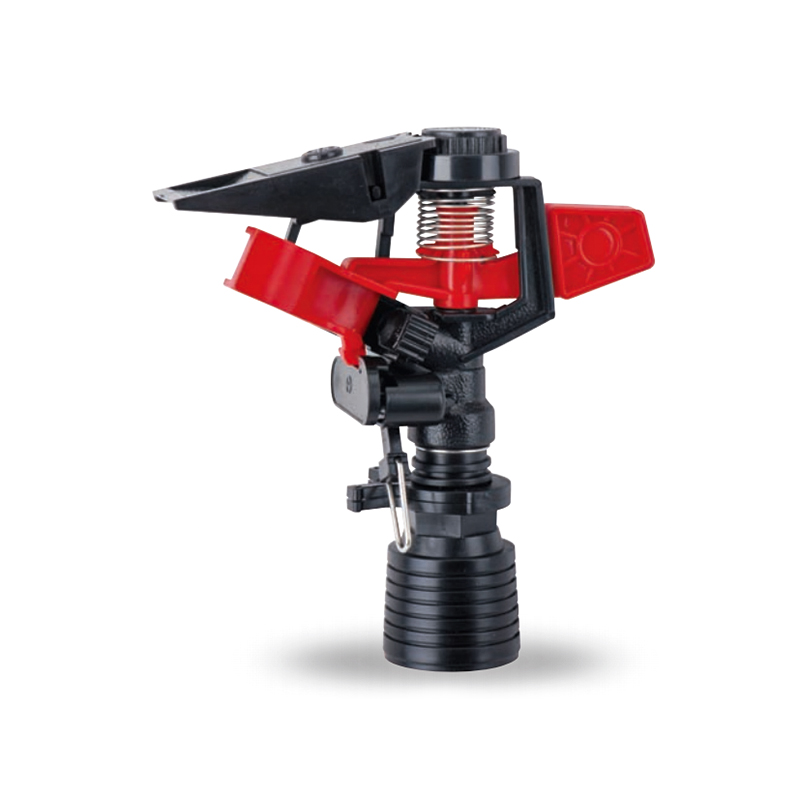
This 360 degree adjustable rocker arm nozzle impact sprinkler is an essential part of an irrigation system designed to meet a wide range of horticultural and agricultural needs. Its flexible adjustmen...
See Details -
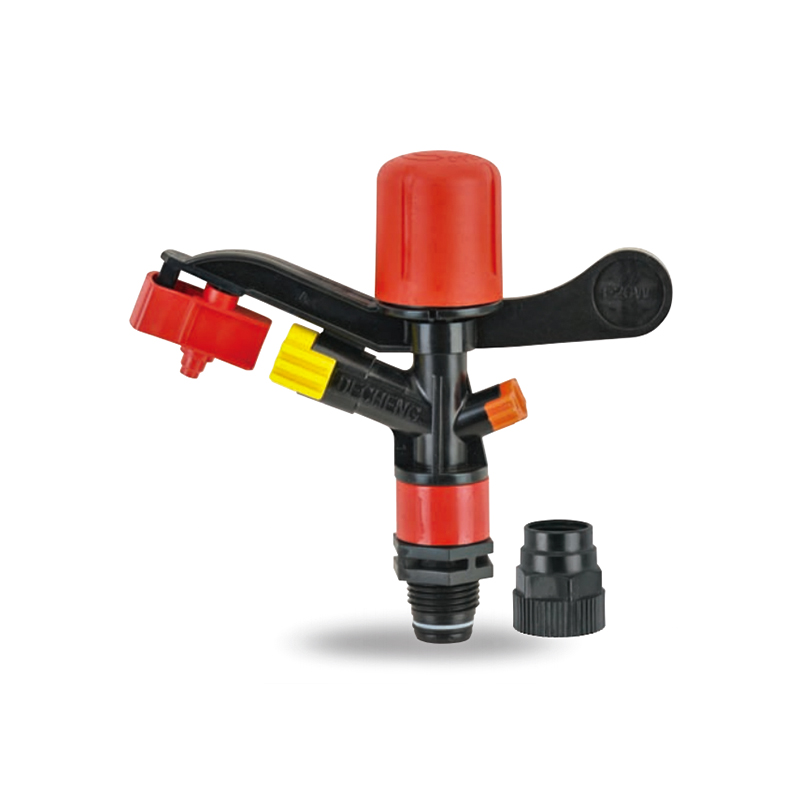
The Plastic Full-Circle Impact Sprinkler Sprayer is a highly efficient full-circle irrigation device designed to provide even moisture coverage. Its lightweight plastic material makes this sprinkler e...
See Details -
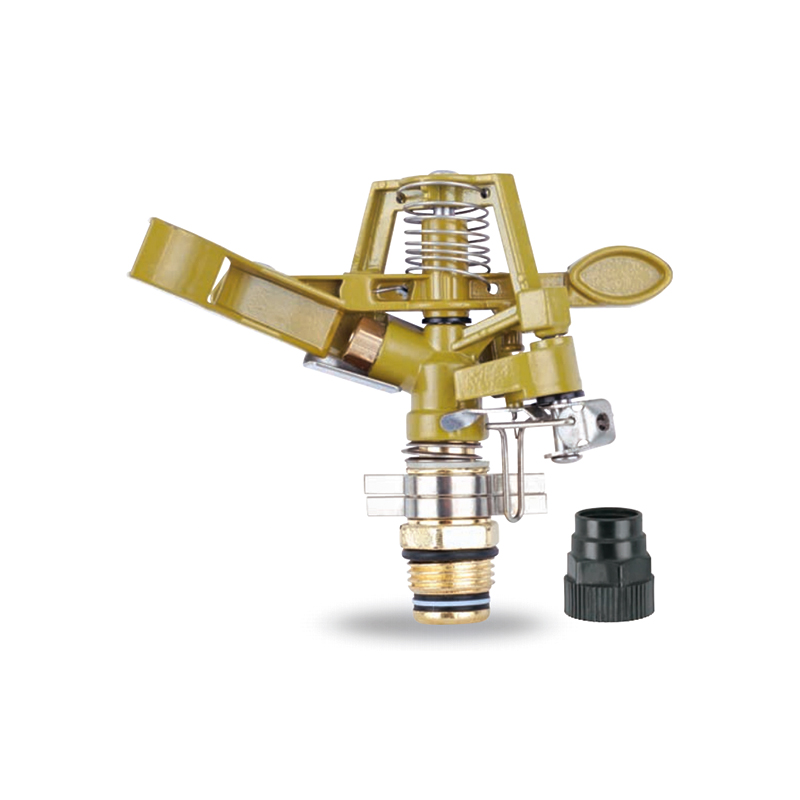
The Irrigation System Adjustable Head Mobile Rotary Zinc Sprinkler is an efficient rotary sprinkler designed for flexible irrigation needs. Its adjustable head allows the user to easily adjust the dir...
See Details -
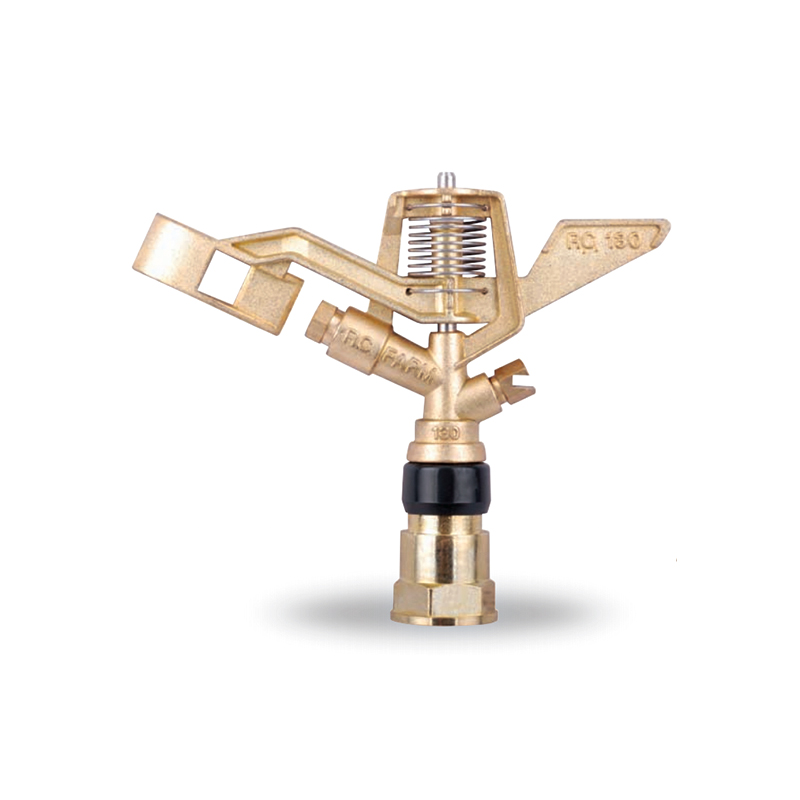
This 3/4” Zinc Alloy Swivel Arm Irrigation Watering System Impact Sprinkler is ideal for agricultural irrigation systems due to its superior durability and corrosion resistance. Its rugged constructio...
See Details -
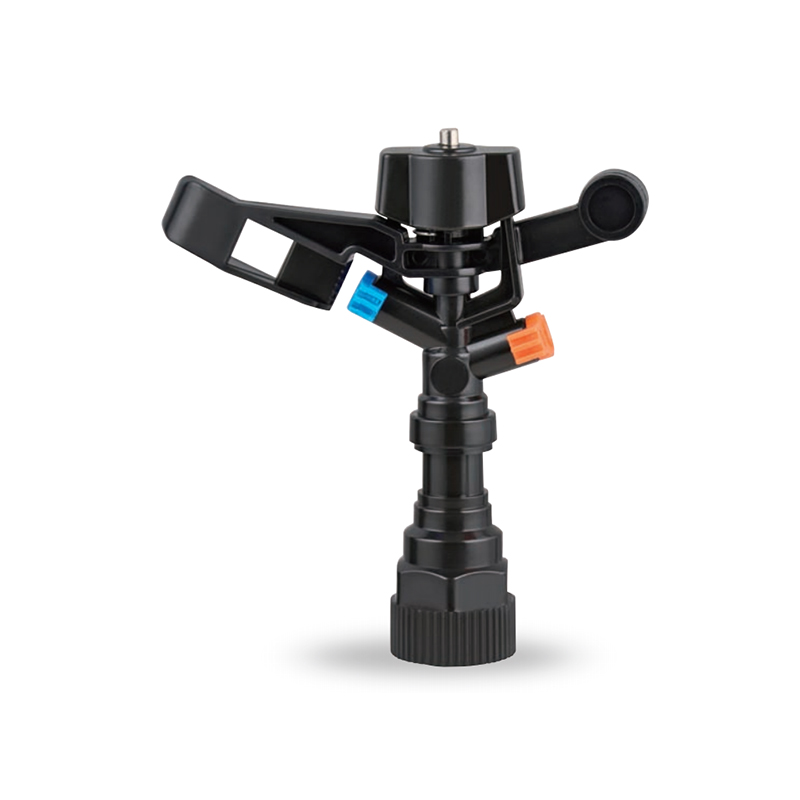
The Double nozzle garden farm impact full-circle sprinkler is well-designed to efficiently and evenly spray water, thus enhancing the quality of crop growth. Whether it's in the home garden or on a la...
See Details -
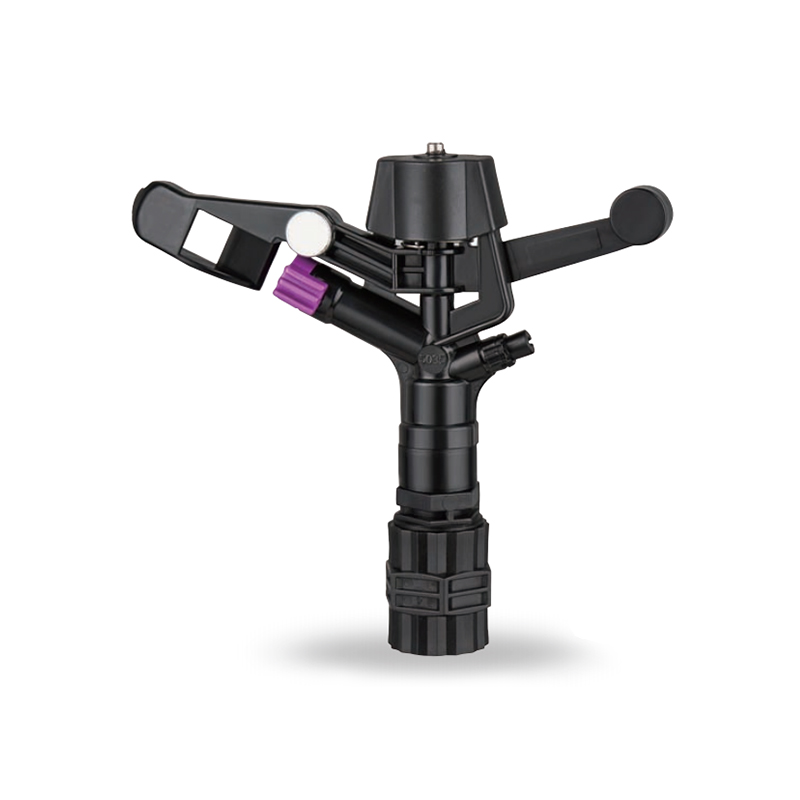
Double nozzle agricultural water plastic impact sprinkler for irrigation sprinkler combines practicality and durability with a dual nozzle system that provides extensive water coverage for a wide rang...
See Details -
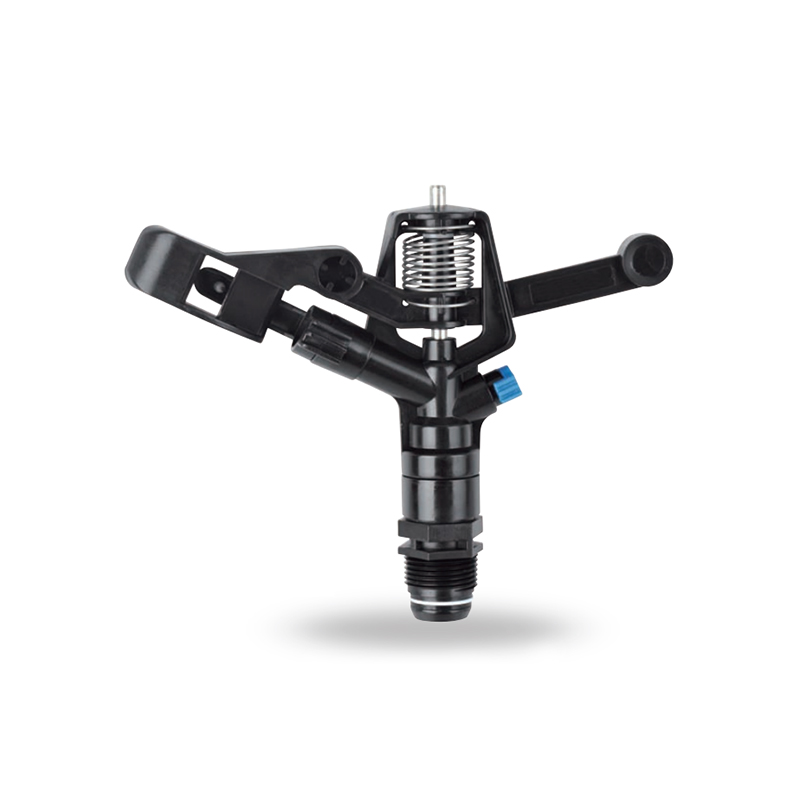
The POM agricultural irrigation sprinkler water impact sprinkler is known for its excellent abrasion resistance and durability, ensuring consistent performance over time. It is designed to increase wa...
See Details -
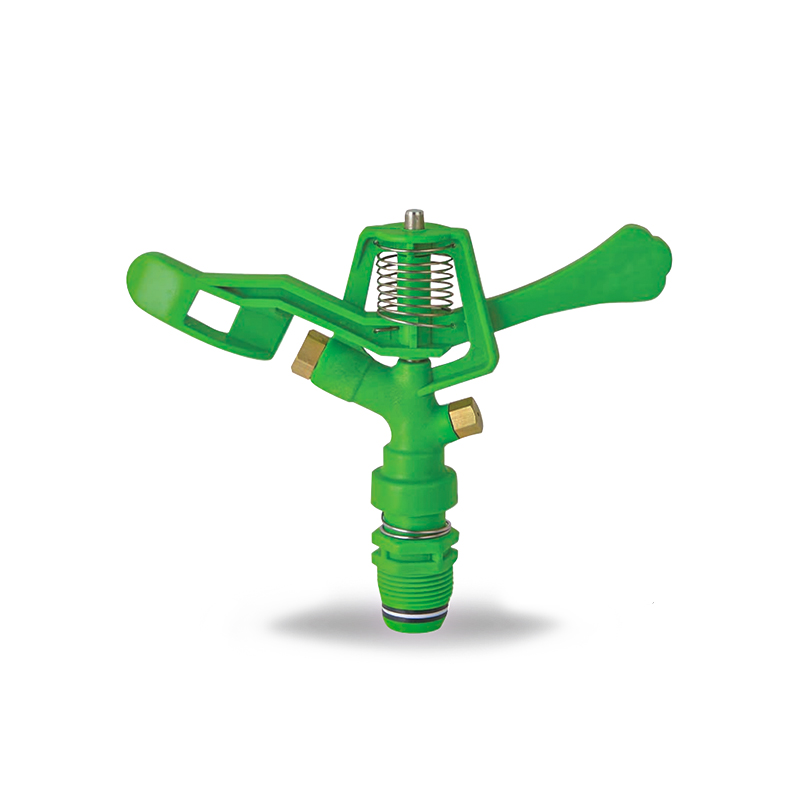
The POM Agricultural Irrigation Sprinkler with Metal Nozzles is a device designed for efficient irrigation, combining premium polyacetal (POM) material with durable metal nozzles to ensure superior sp...
See Details -
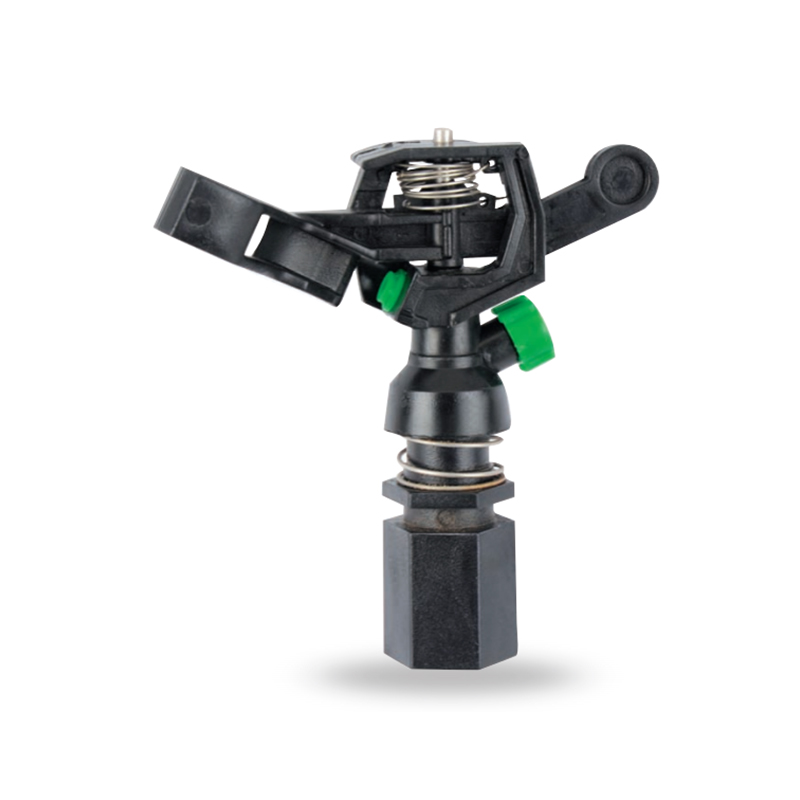
Watering irrigation system 3/4 inch nozzle field Impact Sprinkler is perfect for field irrigation and easily meets the water needs of large crops. Its powerful spray ensures that every nook and cranny...
See Details -
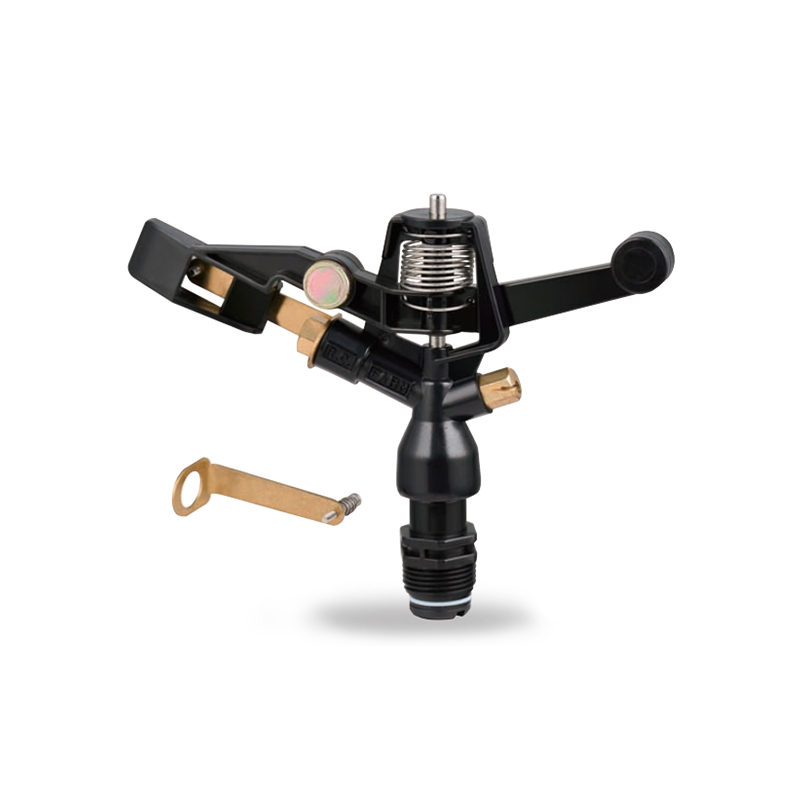
The POM Agricultural Irrigation Sprinkler with Brass Nozzles is an efficient and durable irrigation device designed to meet a wide range of agricultural needs. The sprinkler is made of polyacetal (POM...
See Details -
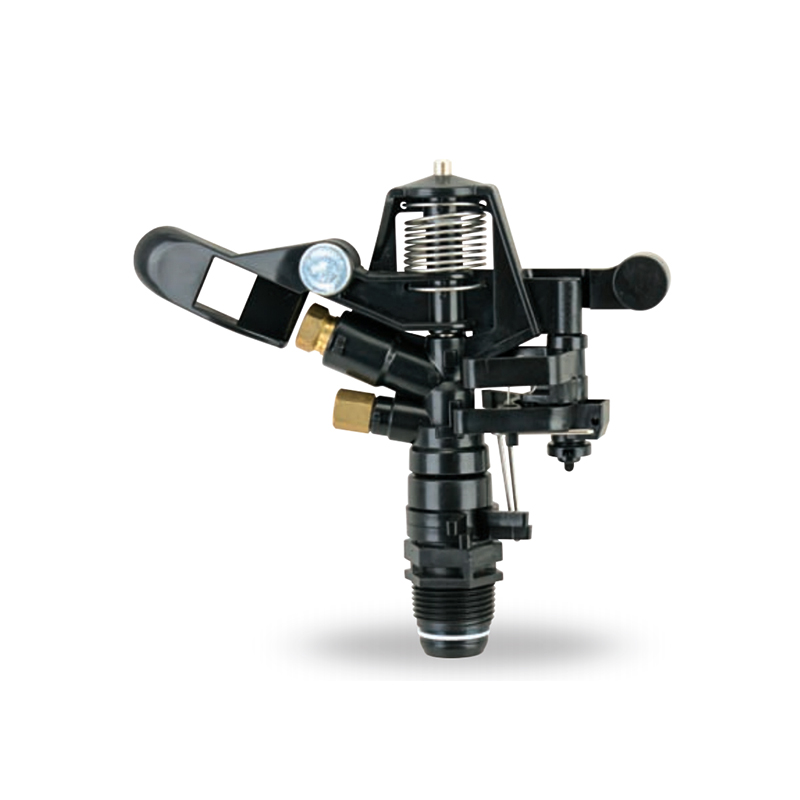
The Double Nozzle Garden Farm Impact Part-Circle Sprinkler is a highly efficient garden irrigation device designed for large planting areas. Its double nozzle design produces a strong, even stream of ...
See Details

PRODUCTS & SERVICES

CONTACT US
 No.518, Ruihao Road, Lizhou Street, Yuyao City, Zhejiang Province, China
 +86-13105554615 / +86-18005843886
 decheng@dcssq.com fredzhu@dcssq.com
 LISA
LISA
 Fred Zhu
Copyright © Ningbo Dewo Irrigation Equipment Co., Ltd. All Rights Reserved. China Agricultural Plastic Sprinkler Manufacturers Wholesale Irrigation Plastic Sprinkler Factory
