

 Search for...
 English
 Español
 中文简体
中文简体Can You Adjust an Impact Sprinkler? Complete Guide
Content
- 1 Yes, You Can Adjust an Impact Sprinkler — Here's What That Actually Means
- 2 Understanding the Parts Before You Touch Anything
- 3 How to Adjust the Spray Arc on an Impact Sprinkler
- 4 Adjusting the Water Distance on an Impact Sprinkler Head
- 5 How to Adjust the Spray Pattern from Jet to Mist
- 6 Adjusting Impact Sprinklers on Different Base Types
- 7 Common Adjustment Problems and How to Fix Them
- 8 Tips for Getting the Most Out of Your Impact Sprinkler Adjustment
- 9 When an Impact Sprinkler Cannot Be Adjusted Further
Yes, You Can Adjust an Impact Sprinkler — Here's What That Actually Means
The short answer is yes — impact sprinklers are among the most adjustable irrigation tools available. You can change the spray arc, water distance, stream pattern, and rotation direction without special tools in most cases. Whether you're dealing with a basic hose-end impact sprinkler head or a more complex pop-up impact system, nearly every functional aspect can be tuned to match the shape and size of your watering zone. The key is knowing which part controls which behavior, because each component does a specific job.
Impact sprinklers work on a simple mechanical principle: water pressure pushes a stream through the nozzle, which strikes a weighted arm (the impact arm or deflector arm), spinning the sprinkler head. A spring resets the arm repeatedly, creating that familiar rhythmic clicking. This self-driving rotation mechanism is what makes them so reliable — but also what makes each adjustment point meaningful. Change one variable, and you change the entire watering behavior.
Most residential and agricultural impact sprinklers can be adjusted to cover a rotation pattern anywhere from 15 degrees up to a full 360-degree circle. Spray distance typically ranges from around 10 feet to over 60 feet depending on the model and operating pressure.
Understanding the Parts Before You Touch Anything
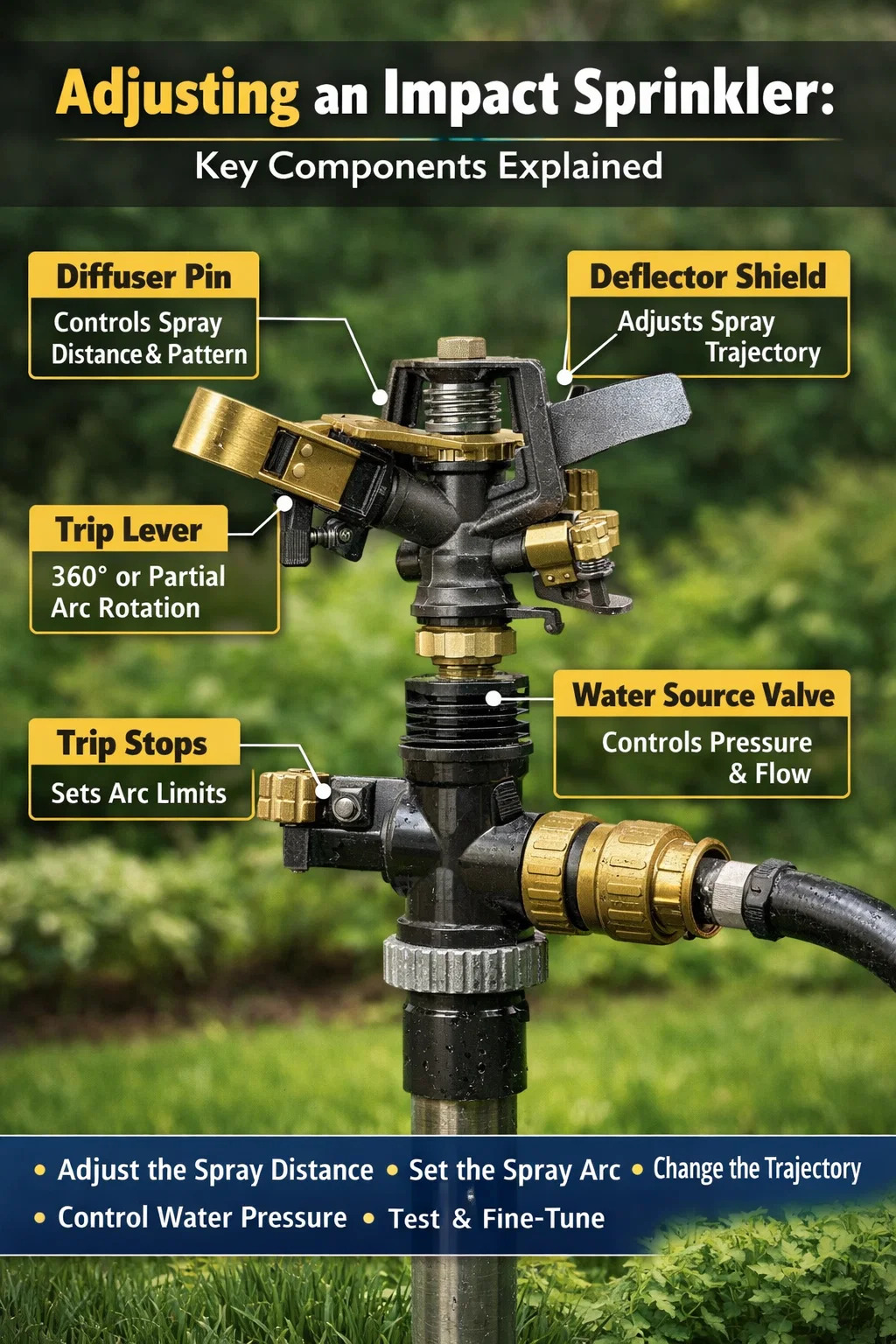
Before making any adjustment to an impact sprinkler, it helps to understand what each component does. Reaching for the wrong part leads to overwatering one corner of the yard while leaving another bone dry. Here's a breakdown of the main adjustable parts found on most standard impact sprinkler heads:
| Component | Location | What It Controls |
|---|---|---|
| Diffuser Pin | Front of nozzle, large screw | Spray width and distance — screwing in reduces distance, unscrewing increases it |
| Deflector Shield | Top of sprinkler head, flat metal piece | Spray trajectory — lowered for nearby watering, raised for long-distance coverage |
| Trip Lever | Side of sprinkler head | Full circle vs. partial arc rotation — flip up for 360°, push down to restrict |
| Trip Stops (Movement Collars) | Base of sprinkler head, plastic clamps | Arc boundaries — slide to define the exact start and stop points of rotation |
| Water Source Valve | Faucet or hose connection | Overall pressure and flow — affects both distance and rotation speed |
Note that not every impact sprinkler model includes all of these components. Some basic full-circle brass impact heads — particularly those designed for agricultural use — are fixed-pattern only, meaning the rotation is set and only minor misting adjustments can be made through a deflector screw. Always check the product specs before assuming all adjustments are available.
How to Adjust the Spray Arc on an Impact Sprinkler
The spray arc is how much of a circle the impact sprinkler covers as it rotates. For a sprinkler placed in the center of a round lawn, full 360-degree coverage makes sense. For a corner placement or a garden bed against a fence, you'll want a partial arc — say 90 or 180 degrees — to avoid watering the driveway or the side of your house.
Setting a Full 360-Degree Rotation
To switch your impact sprinkler to full circle coverage, locate the trip lever on the side of the sprinkler head and flip it into the upright position. When the trip lever is raised, it no longer catches on the trip stops, so the head spins continuously in a complete circle. This is the default mode for most center-placed sprinklers and the simplest configuration to achieve.
Setting a Partial Arc for Targeted Watering
For partial arc coverage, push the trip lever down so it engages with the trip stops. Then slide the two trip stops — the plastic clamps around the base of the sprinkler head — to define the left and right boundaries of your watering zone. As the head rotates, the trip lever hits each stop, reversing the direction. The closer together the stops are, the narrower the arc. Always make sure the trip lever sits on the outside of both trip stops, or the reversing action won't work correctly.
A practical example: if you're watering a garden bed that runs along the north side of your yard, position one stop at roughly the far-left edge of the bed and the other at the far-right edge. The sprinkler will oscillate back and forth across that zone only, leaving the rest of the yard untouched.
Adjusting the Water Distance on an Impact Sprinkler Head
Distance control is one of the most frequently needed adjustments, especially when your impact sprinkler is hitting a fence, a path, or a neighbor's yard. There are three main ways to reduce or increase spray distance.
Using the Diffuser Pin to Shorten Spray Distance
The diffuser pin is the large screw on the front of the sprinkler head, positioned directly over the nozzle opening. Turning it clockwise threads the pin further into the water stream, which breaks up the jet into a wider, shorter spray. The more the pin protrudes over the nozzle, the more the water disperses — meaning it fans out rather than projecting forward. This is ideal when you need to water a large area close to the sprinkler rather than hitting a distant point.
To maximize distance, unscrew the diffuser pin counterclockwise until it's fully retracted or removed entirely. Without the pin interrupting the stream, the water exits as a concentrated jet that can travel significantly farther — in some models, removing the diffuser pin increases reach by 20 to 40 percent compared to a fully screwed-in position.
Using the Deflector Shield to Change Trajectory
The deflector shield is the flat metal piece on top of the sprinkler head, usually adjustable by rotating it clockwise or counterclockwise. When the shield is angled downward into the stream path, it redirects the water into a lower, shorter arc — perfect for watering plants and grass in close proximity to the sprinkler. When the shield is angled away from the stream or kept in a more upright position, the water travels in a higher arc and covers greater distances.
The deflector shield adjustment is particularly useful for impact sprinklers mounted on tripods or sled bases that are positioned at the edge of a field or large lawn. By tilting the stream trajectory, you can reach distant corners without repositioning the entire unit.
Adjusting Distance Through Water Pressure
The simplest distance adjustment requires no tool at all: turn the faucet or hose valve. Increasing water flow raises pressure, which increases both the distance and the rotational speed of the sprinkler head. Reducing flow brings the spray closer and slows down the head's rotation. This method is especially useful for hose-connected portable impact sprinklers where you don't want to physically touch the head settings.
One important caveat: impact sprinklers generally require a minimum operating pressure to function properly. Most standard models need at least 15 PSI to rotate correctly. Below that threshold, the head may stop spinning or water may dribble rather than project. If you're working with a low-pressure water supply, impact sprinklers may not be the right tool for the job.
How to Adjust the Spray Pattern from Jet to Mist
Beyond distance and arc, impact sprinklers also allow you to change the character of the spray itself — from a heavy concentrated jet to a fine, gentle mist. This matters more than most people realize. Seedlings, freshly laid sod, and delicate flower beds benefit from a soft, dispersed spray that doesn't dislodge soil or damage fragile plants. Established turf and large agricultural plots are better served by a powerful direct stream that penetrates the soil deeply.
The diffuser pin, again, is the primary control here. A fully retracted pin produces the heaviest direct jet. As you screw it in progressively, the spray becomes wider and softer. At maximum insertion, the stream breaks into a broad mist or fan pattern that covers nearby areas gently. Some models also include a range nozzle alongside the drive nozzle — plugging or unplugging this secondary nozzle changes the total flow volume, which indirectly affects spray character as well.
For newly seeded lawns, a mid-position diffuser pin setting works well: the spray is dispersed enough not to wash seeds out of place, but still has enough force to penetrate the soil surface rather than just wetting the top layer.
Adjusting Impact Sprinklers on Different Base Types
The type of base your impact sprinkler uses affects how you position and reposition it, which is part of the broader adjustment picture. The three most common base configurations are tripod, sled, and spike, each suited to different applications.
- Tripod base: Offers height adjustment, making it ideal for watering over tall plants or dense garden beds. The height can be set between roughly 18 inches and 4 feet on most models. Higher mounting increases the effective spray radius since the arc begins from a greater elevation.
- Sled base: Sits flat on the ground and is easy to drag from one area to another. Less stable in soft or uneven ground, but well-suited for flat lawns and field irrigation where repositioning happens frequently.
- Spike base: Pushes directly into the soil for a stable, fixed position. Harder to reposition mid-session but stays put in windy conditions. Some spike models attach to a riser fitting in an in-ground irrigation system.
When using a tripod-mounted impact sprinkler for large-area coverage, raising the head to the maximum height while keeping the deflector shield in a neutral position allows the stream to travel in a high arc and cover a wide diameter. Some tripod-based sprinklers can cover areas up to 20 meters (roughly 65 feet) in diameter when conditions are right.
Common Adjustment Problems and How to Fix Them
Even with proper adjustment, impact sprinklers occasionally behave unexpectedly. Most problems come down to one of a few common causes.
Sprinkler Head Won't Rotate
If the impact arm is moving but the head isn't spinning, check whether the bearing at the base of the head is clogged with debris. Impact sprinklers rely on a rotating bearing to allow the head to turn freely. Over time, mineral deposits, dirt, and grit accumulate inside the bearing housing and cause friction. Disassemble the head, rinse all components under clean water, and reassemble. In hard water areas, soaking the parts in a mild vinegar solution for 15 to 20 minutes dissolves mineral buildup effectively.
Also verify that water pressure is above the 15 PSI minimum. A head that twitches slightly but won't complete a full rotation is almost always a pressure issue.
Uneven Spray or Puddling in One Spot
Puddling near the sprinkler base is a well-documented behavior with impact heads. Because the rotational mechanism involves a brief pause and reversal at each trip stop, the sprinkler spends slightly more time facing those two boundary positions, depositing more water at those spots. One practical solution is to slightly widen the arc beyond the intended watering zone on each side, so the reversal points land just outside the target area. Some operators use two overlapping impact sprinklers to eliminate the puddling effect entirely through even cross-coverage.
Sprinkler Overshooting the Target Area
If the stream keeps reaching the fence, driveway, or neighbor's yard despite adjustments, first try screwing the diffuser pin in by a quarter turn at a time while the sprinkler is running. Observe how the stream shortens with each increment. If that isn't enough, lower the deflector shield to redirect the arc downward. As a last resort, reduce water pressure at the source. The combination of a partially inserted diffuser pin, a lower deflector angle, and reduced water pressure gives you three layers of distance reduction to work with.
Trip Lever Not Reversing Direction
If the sprinkler head keeps rotating past the intended arc boundaries, the trip lever may be inside the trip stops rather than outside them. The trip lever must be positioned on the outer edge of both trip stops to engage properly. Slide the trip stops inward until they bracket the trip lever, not the other way around. This is one of the most common setup errors with partial-arc configurations, and fixing it takes about ten seconds once you understand the correct geometry.
Tips for Getting the Most Out of Your Impact Sprinkler Adjustment
A few practical habits make the adjustment process faster and more repeatable over time.
- Always run the sprinkler for a full cycle after making any adjustment before committing to the settings. What looks right while you're crouched next to the head may look very different when you step back and watch from the edge of the watering zone.
- Take a photo of your final adjustment settings once you're satisfied. This is especially useful for seasonal irrigation setups where the sprinkler gets stored for months and reset each spring.
- Adjust impact sprinklers during calm conditions. Wind significantly affects where the water actually lands, making it nearly impossible to fine-tune coverage accurately during gusty weather.
- If your model has a separate distance control dial (some higher-end residential and agricultural models do), use that as your primary distance control and treat the diffuser pin and deflector shield as fine-tuning tools. Distance dials are usually labeled with approximate coverage radii, making them more precise for initial setup.
- Replace any cracked or misaligned components promptly. A broken trip stop or a stripped diffuser pin thread won't affect rotation immediately, but it will cause the adjustment to drift over time as water pressure fluctuates throughout a watering session.
Impact sprinklers are built for durability — properly maintained brass and heavy-duty plastic models routinely last 10 or more years of regular seasonal use. The adjustment mechanisms are intentionally simple and robust, designed to be manipulated by hand without specialized tools in most cases. That simplicity is one of the main reasons impact sprinklers remain a practical choice for lawns, gardens, and agricultural fields decades after more complex rotor systems became available.
When an Impact Sprinkler Cannot Be Adjusted Further
There are genuine limits to what adjustment can accomplish. Some full-circle brass agricultural impact heads are designed as fixed-pattern units — they spin in a continuous 360-degree loop with no partial-arc option. The only modification available on these models is a deflector screw that adds a misting effect. If you need directional control with one of these heads, the only real option is to reposition the entire sprinkler or switch to an adjustable-pattern model.
Similarly, if you're trying to water a rectangular or narrow rectangular area — like a strip of lawn between a driveway and a hedge — the circular spray pattern of an impact sprinkler is inherently inefficient regardless of how you adjust it. Rectangular areas are better served by oscillating sprinklers, which produce a back-and-forth fan pattern that aligns naturally with square and rectangular beds. Trying to approximate rectangular coverage with an impact sprinkler means accepting significant water waste on the hardscaping at either end of the strip.
Impact sprinklers excel in large, roughly circular or fan-shaped zones where their rotation pattern maps cleanly onto the terrain. When the geometry of your watering area matches what impact sprinklers do naturally, adjusting them is quick and effective. When the geometry doesn't match, adjustments can get you partway there, but a different sprinkler type may be the more practical long-term solution.
Prev:How to Clean an Impact Sprinkler: Step-by-Step GuideNext:Are Impact Sprinklers Good? Honest Pros, Cons & Use Cases
Related products
-
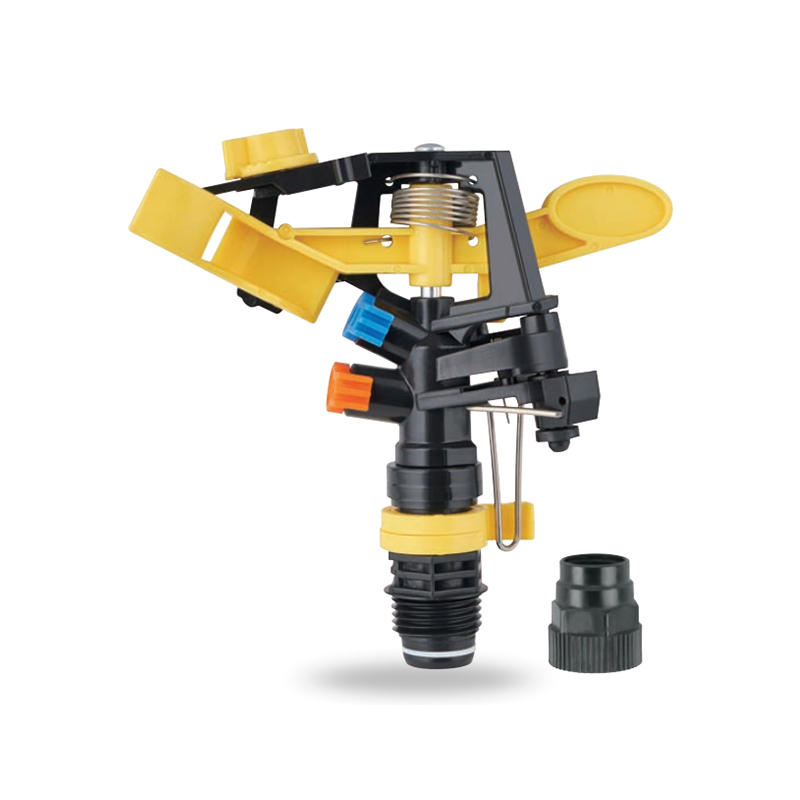
Impact sprinkler for agricultural irrigation is a common and efficient agricultural irrigation tool designed for large areas of farmland. Its unique structure can evenly cover a large area by rotating...
See Details -
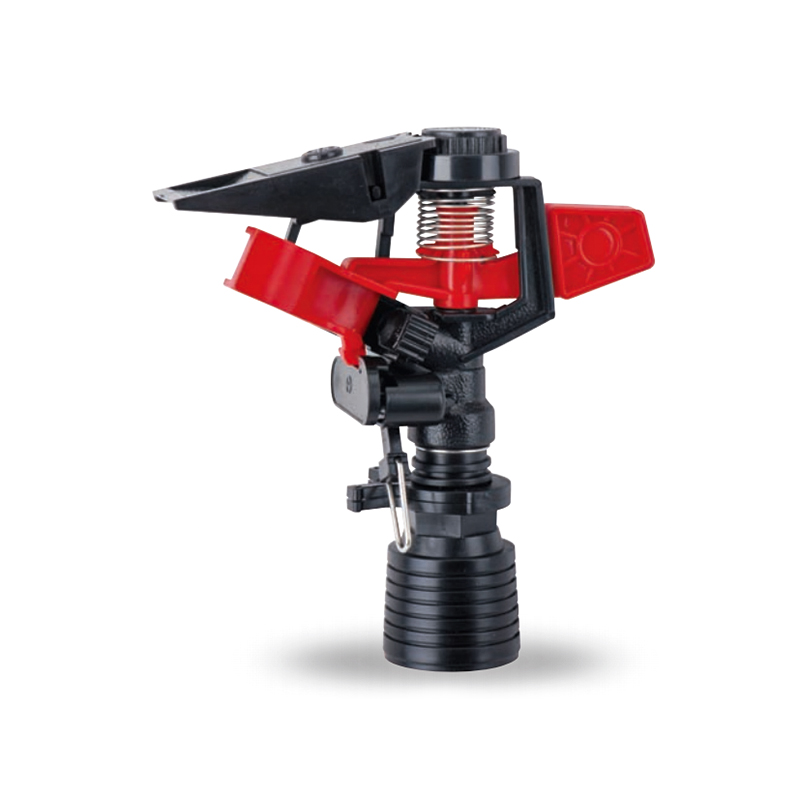
This 360 degree adjustable rocker arm nozzle impact sprinkler is an essential part of an irrigation system designed to meet a wide range of horticultural and agricultural needs. Its flexible adjustmen...
See Details -
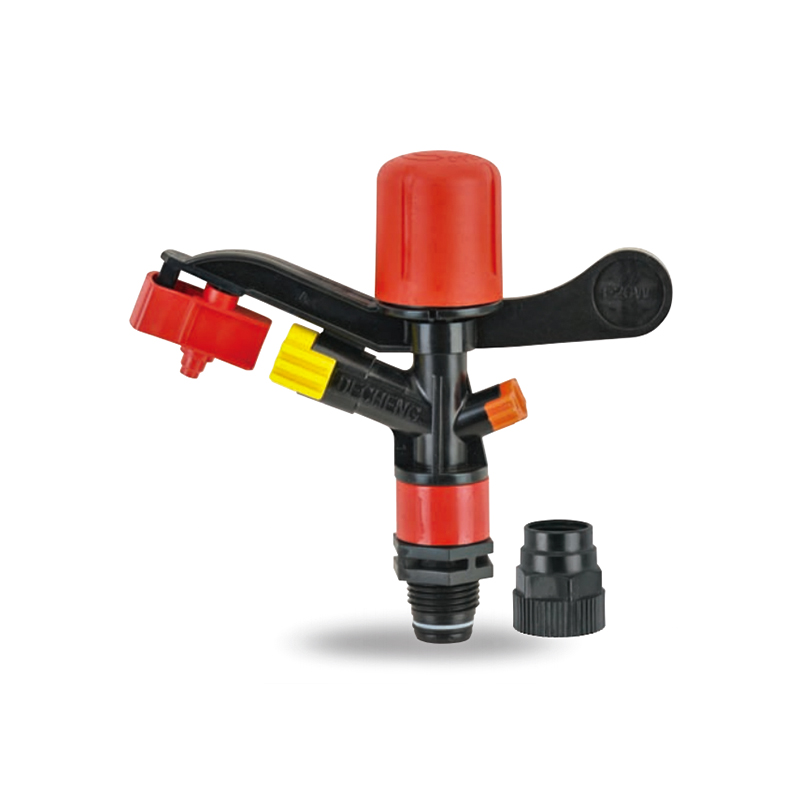
The Plastic Full-Circle Impact Sprinkler Sprayer is a highly efficient full-circle irrigation device designed to provide even moisture coverage. Its lightweight plastic material makes this sprinkler e...
See Details -
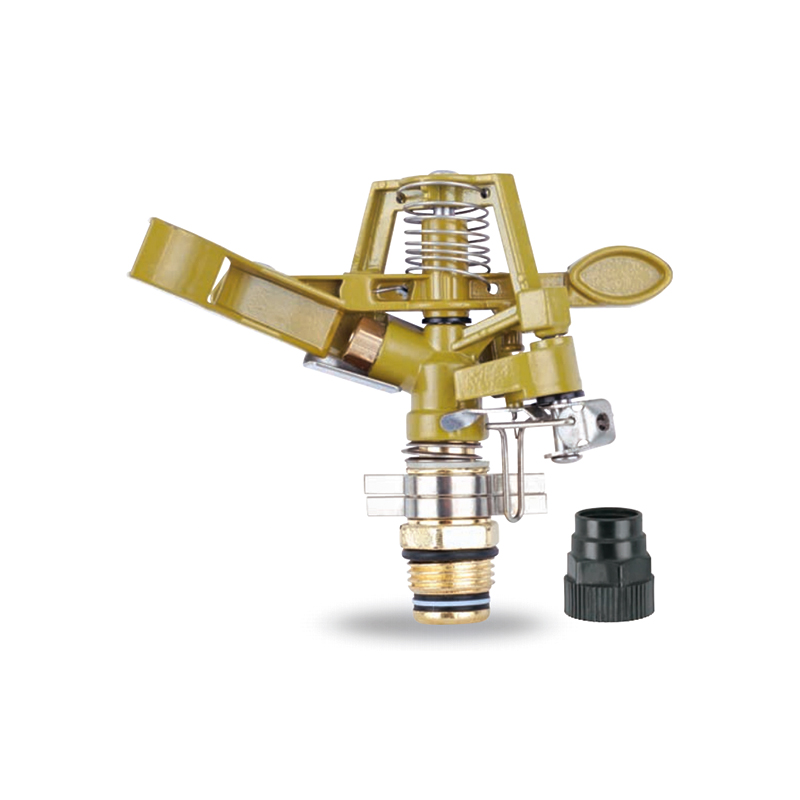
The Irrigation System Adjustable Head Mobile Rotary Zinc Sprinkler is an efficient rotary sprinkler designed for flexible irrigation needs. Its adjustable head allows the user to easily adjust the dir...
See Details -
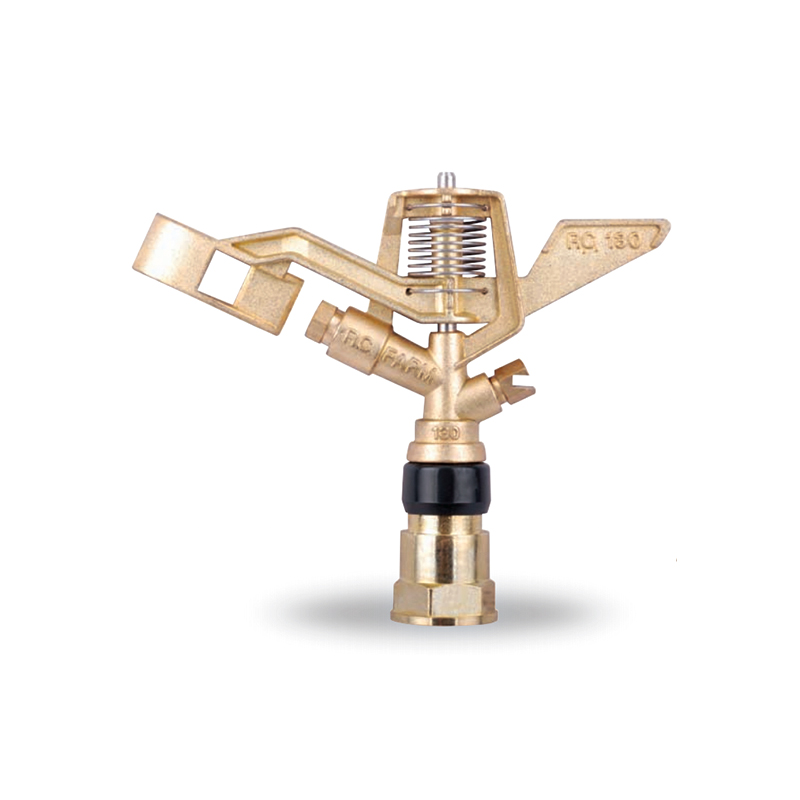
This 3/4” Zinc Alloy Swivel Arm Irrigation Watering System Impact Sprinkler is ideal for agricultural irrigation systems due to its superior durability and corrosion resistance. Its rugged constructio...
See Details -
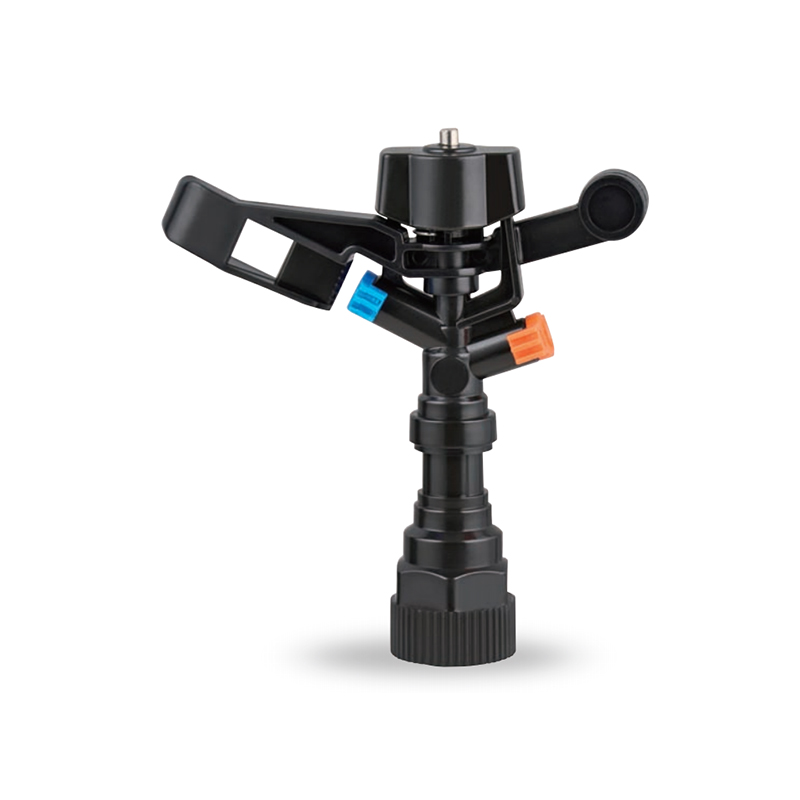
The Double nozzle garden farm impact full-circle sprinkler is well-designed to efficiently and evenly spray water, thus enhancing the quality of crop growth. Whether it's in the home garden or on a la...
See Details -
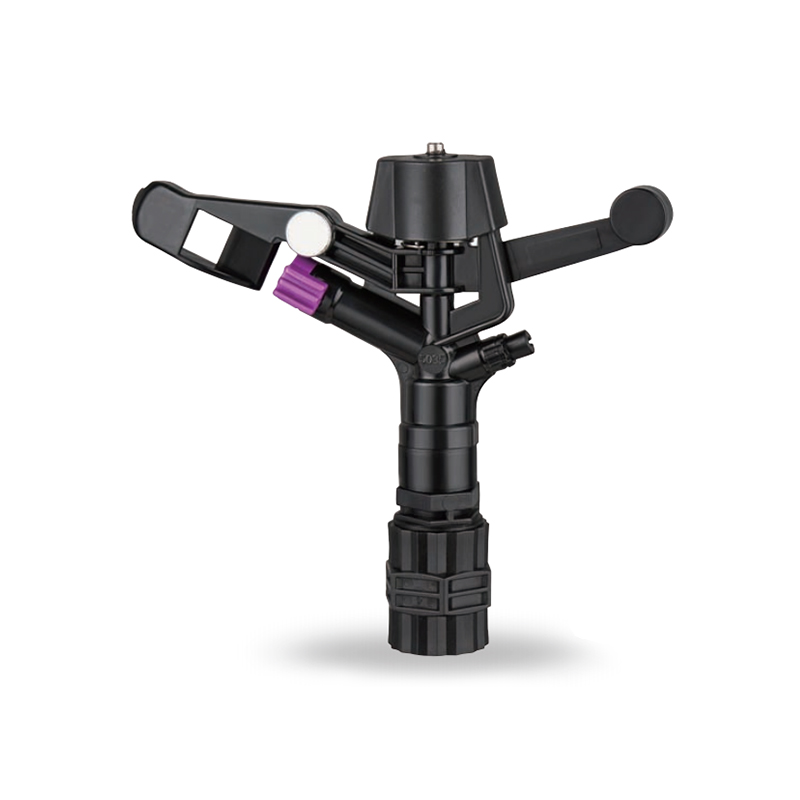
Double nozzle agricultural water plastic impact sprinkler for irrigation sprinkler combines practicality and durability with a dual nozzle system that provides extensive water coverage for a wide rang...
See Details -
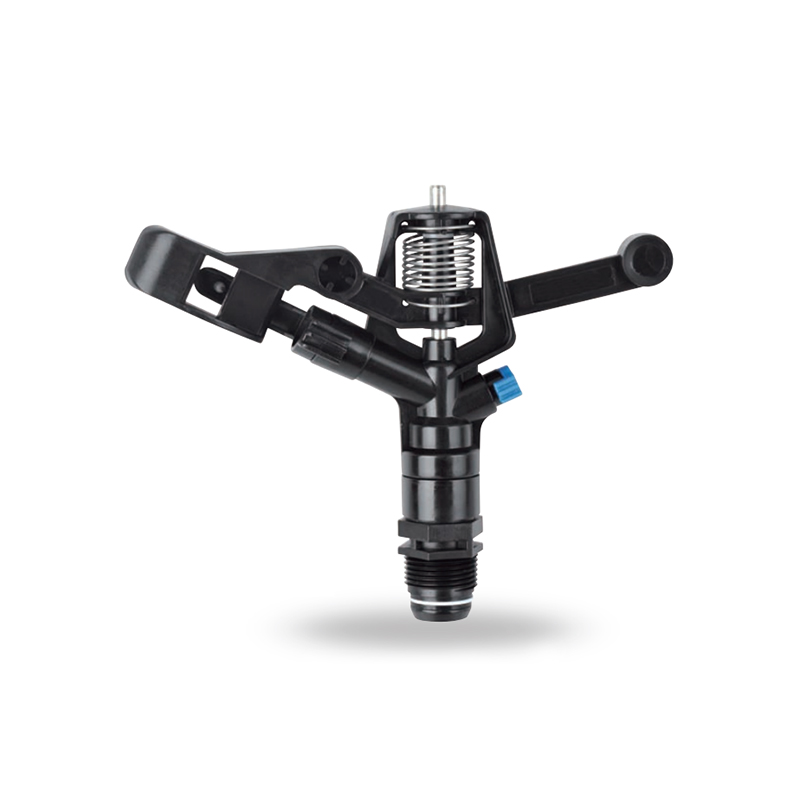
The POM agricultural irrigation sprinkler water impact sprinkler is known for its excellent abrasion resistance and durability, ensuring consistent performance over time. It is designed to increase wa...
See Details -
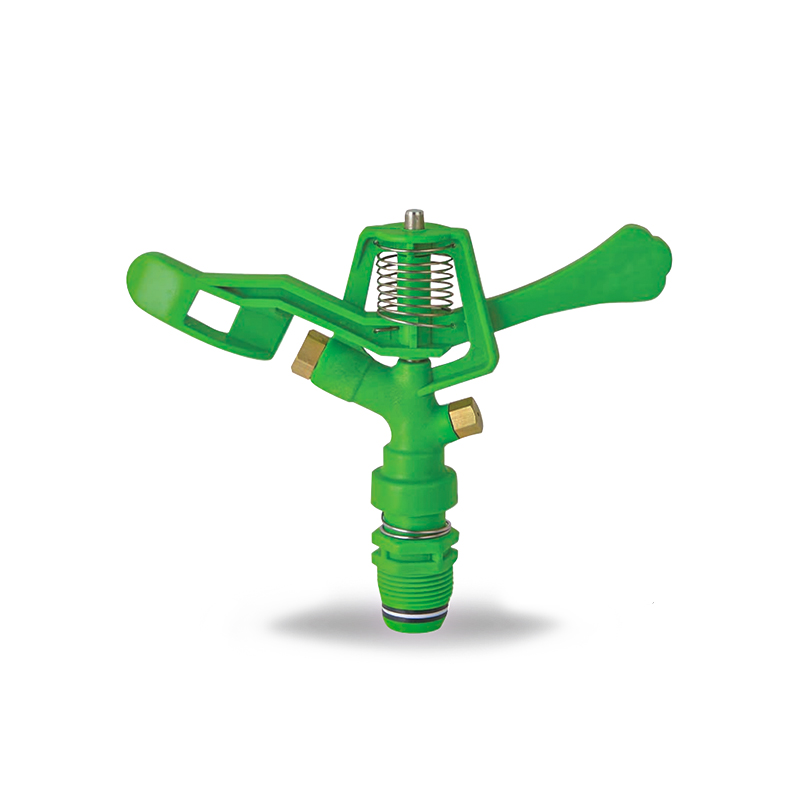
The POM Agricultural Irrigation Sprinkler with Metal Nozzles is a device designed for efficient irrigation, combining premium polyacetal (POM) material with durable metal nozzles to ensure superior sp...
See Details -
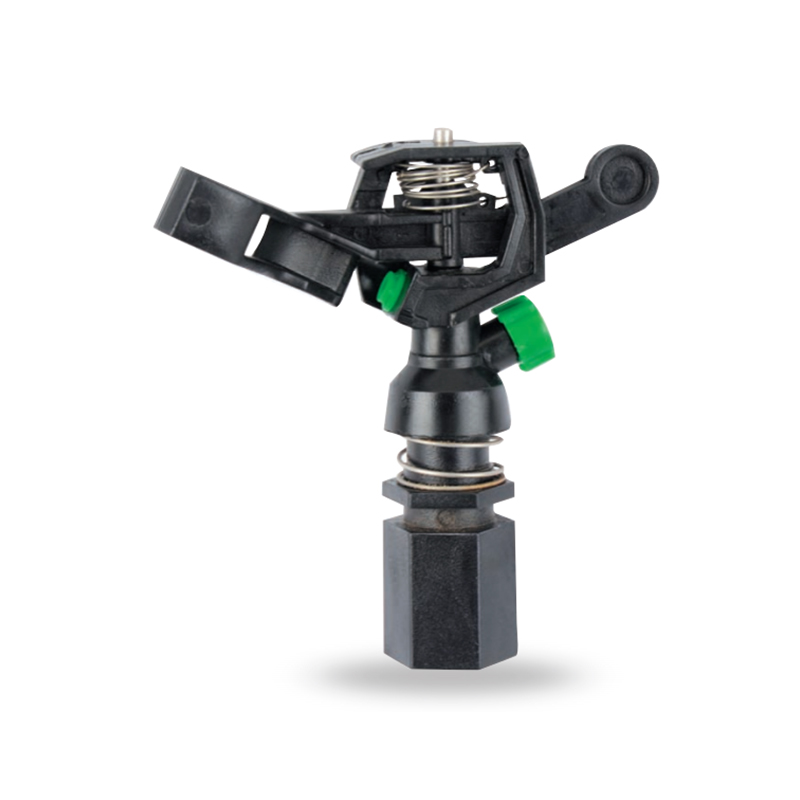
Watering irrigation system 3/4 inch nozzle field Impact Sprinkler is perfect for field irrigation and easily meets the water needs of large crops. Its powerful spray ensures that every nook and cranny...
See Details -
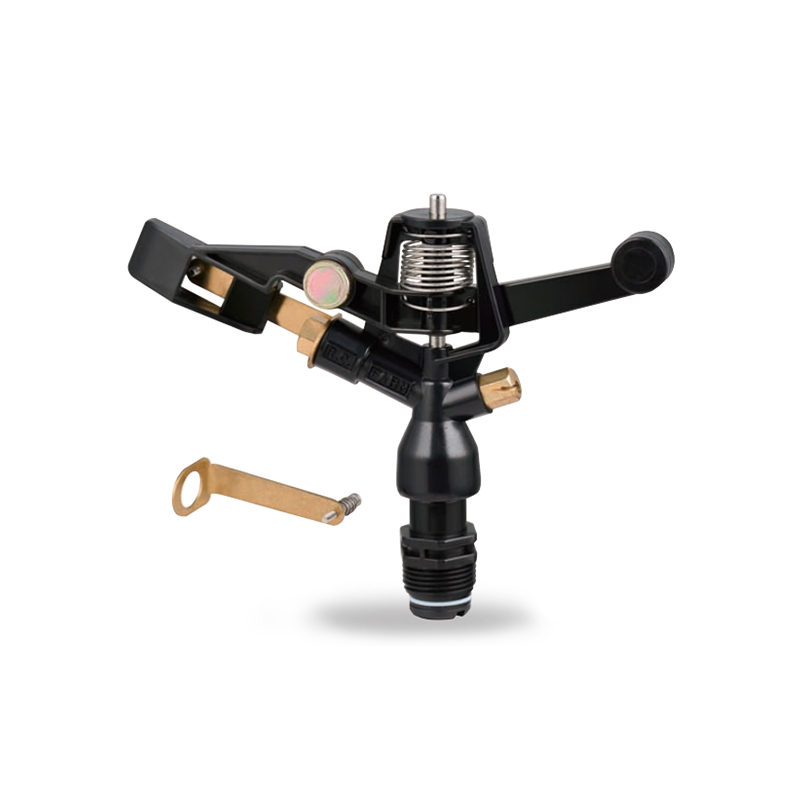
The POM Agricultural Irrigation Sprinkler with Brass Nozzles is an efficient and durable irrigation device designed to meet a wide range of agricultural needs. The sprinkler is made of polyacetal (POM...
See Details -
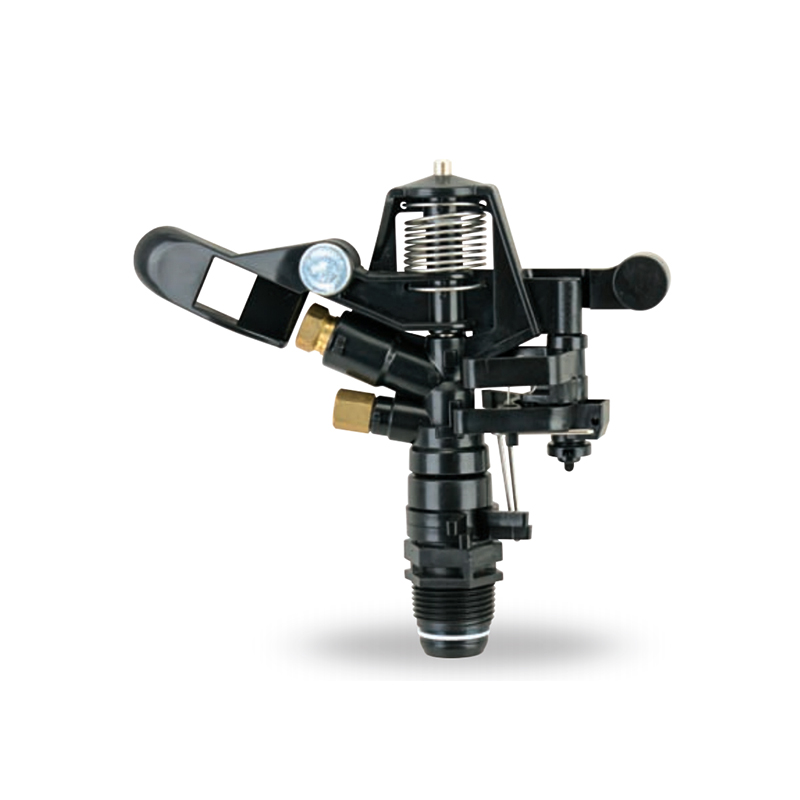
The Double Nozzle Garden Farm Impact Part-Circle Sprinkler is a highly efficient garden irrigation device designed for large planting areas. Its double nozzle design produces a strong, even stream of ...
See Details


PRODUCTS & SERVICES

CONTACT US
 No.518, Ruihao Road, Lizhou Street, Yuyao City, Zhejiang Province, China
 +86-13105554615 / +86-18005843886
 decheng@dcssq.com fredzhu@dcssq.com
 LISA
LISA
 Fred Zhu
Copyright © Ningbo Dewo Irrigation Equipment Co., Ltd. All Rights Reserved. China Agricultural Plastic Sprinkler Manufacturers Wholesale Irrigation Plastic Sprinkler Factory
