

 Search for...
 English
 Español
 中文简体
中文简体How does an impact sprinkler work? A technical guide.
Content
Here's how an impact sprinkler works, broken down step-by-step:
Water Pressure Starts Things Off:
When you turn on the water, it flows under pressure into the sprinkler body.
This pressurised water is forced out through a single, relatively small opening called the nozzle. This creates a strong, focused jet of water.
The Water Jet Hits the Arm:
Sticking out in front of the nozzle is a weighted arm (often called the impact arm or hammer).
The powerful jet of water shooting out of the nozzle hits the underside of this arm.
The Impact Force Swings the Arm:
Getting hit by the fast-moving water jet gives the impact arm a sharp knock or "impact."
This force pushes the weighted arm rapidly backwards and upwards, away from the nozzle.
A Spring Pulls the Arm Back:
Attached to the impact arm is a spring.
As soon as the water jet knocks the arm back, this spring stretches.
Once the arm reaches its furthest point, the spring's tension takes over. It pulls the weighted arm back down forcefully towards its starting position.
The Arm "Clicks" Back and Rotates the Sprinkler:
The spring snaps the impact arm back down into the path of the water jet.
As it slams back into place, it makes the familiar "clicking" or "ticking" sound associated with impact sprinklers.
Crucially, when the arm snaps back into the water stream with force, this action gives a tiny nudge to the entire sprinkler body.
Because the sprinkler is mounted on a pivot point, this nudge causes the whole sprinkler head to rotate a very small amount.
The Cycle Repeats:
The water jet immediately hits the arm again, knocking it back.
The spring pulls it back down, causing another "click" and another small rotation.
This continuous cycle – water hits arm, arm flies back, spring pulls it down, arm clicks back and nudges the sprinkler – happens very rapidly.
Gradual Rotation Creates Coverage:
Each time the impact arm snaps back, it rotates the sprinkler head just a tiny bit.
Because this cycle repeats constantly, the sprinkler slowly but steadily rotates in a circle.
As it rotates, the strong jet of water spraying from the nozzle is directed in all directions around the sprinkler over time, watering a large circular area.
Prev:What is the purpose of an impact sprinkler? Let me explain!Next:Do you know about impact sprinklers? An introductory guide.
Related products
-
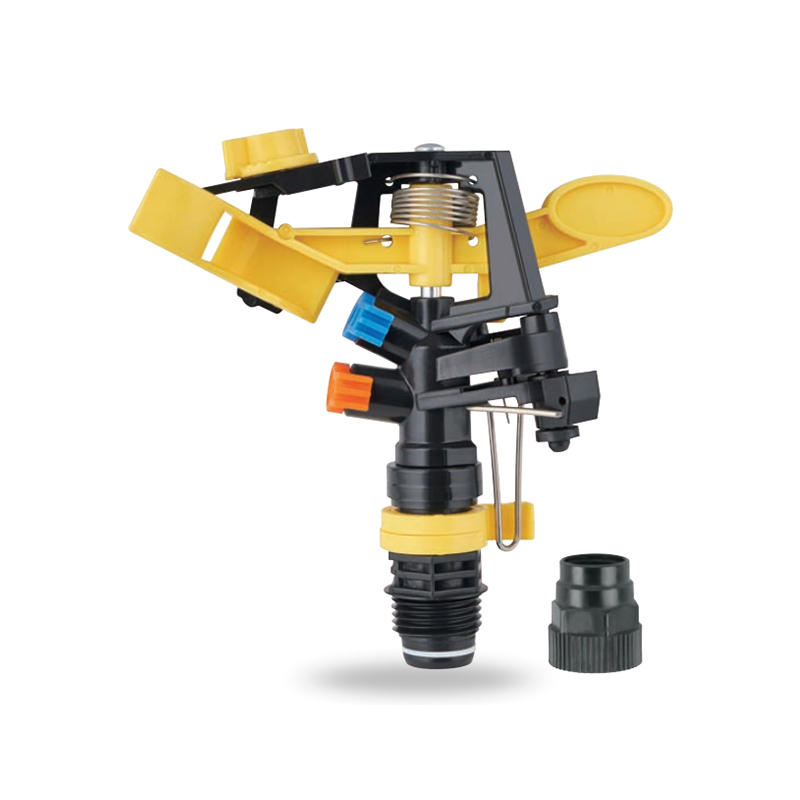
Impact sprinkler for agricultural irrigation is a common and efficient agricultural irrigation tool designed for large areas of farmland. Its unique structure can evenly cover a large area by rotating...
See Details -
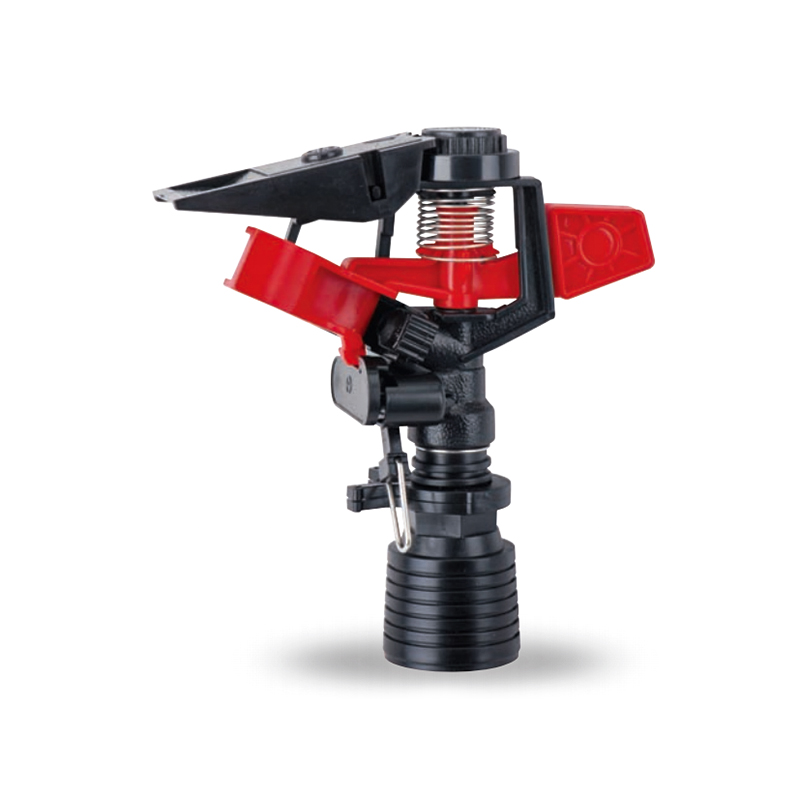
This 360 degree adjustable rocker arm nozzle impact sprinkler is an essential part of an irrigation system designed to meet a wide range of horticultural and agricultural needs. Its flexible adjustmen...
See Details -
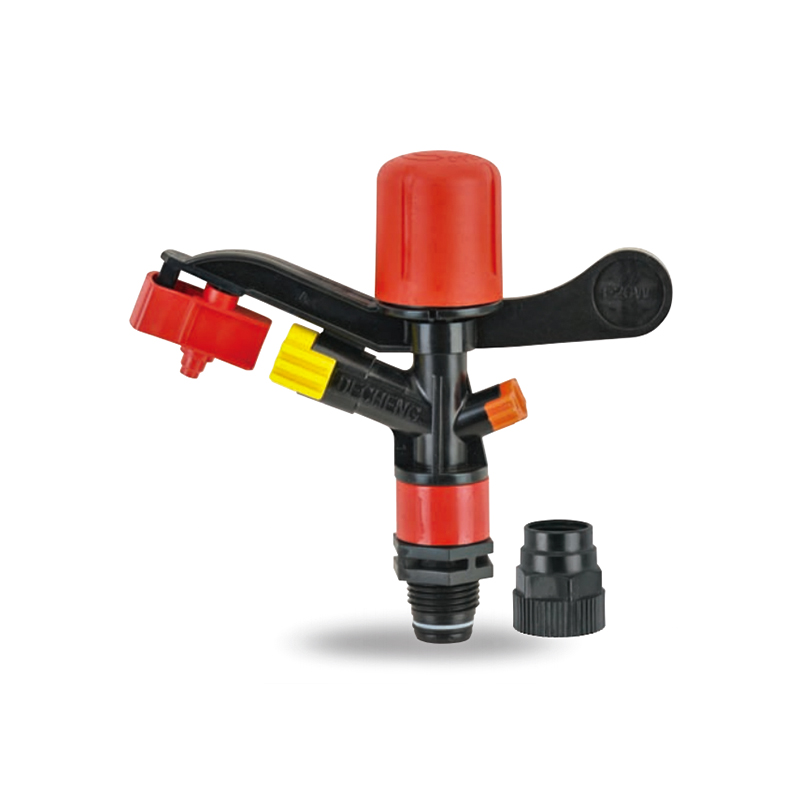
The Plastic Full-Circle Impact Sprinkler Sprayer is a highly efficient full-circle irrigation device designed to provide even moisture coverage. Its lightweight plastic material makes this sprinkler e...
See Details -
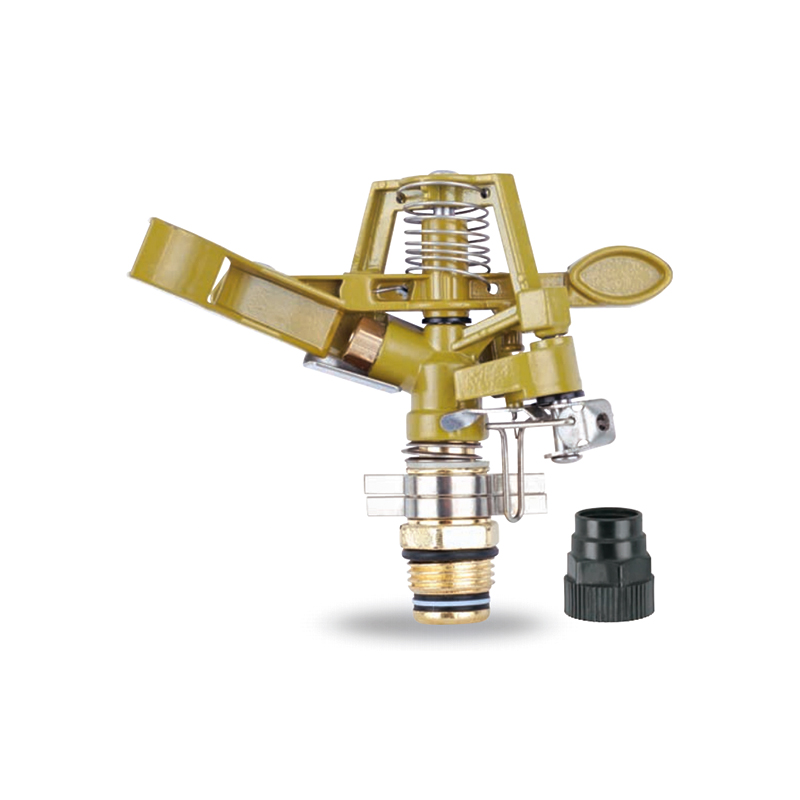
The Irrigation System Adjustable Head Mobile Rotary Zinc Sprinkler is an efficient rotary sprinkler designed for flexible irrigation needs. Its adjustable head allows the user to easily adjust the dir...
See Details -
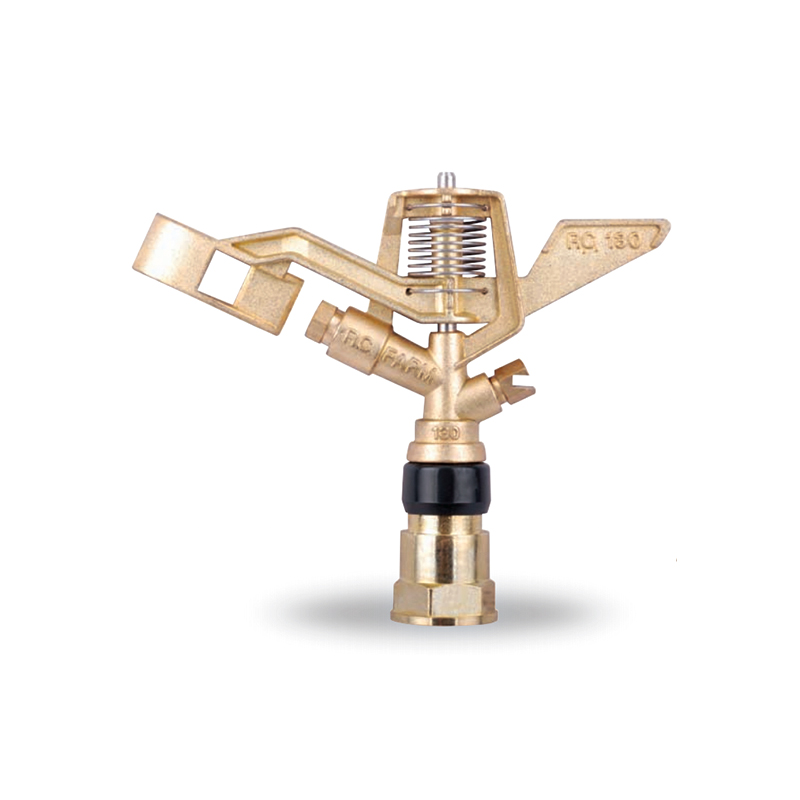
This 3/4” Zinc Alloy Swivel Arm Irrigation Watering System Impact Sprinkler is ideal for agricultural irrigation systems due to its superior durability and corrosion resistance. Its rugged constructio...
See Details -
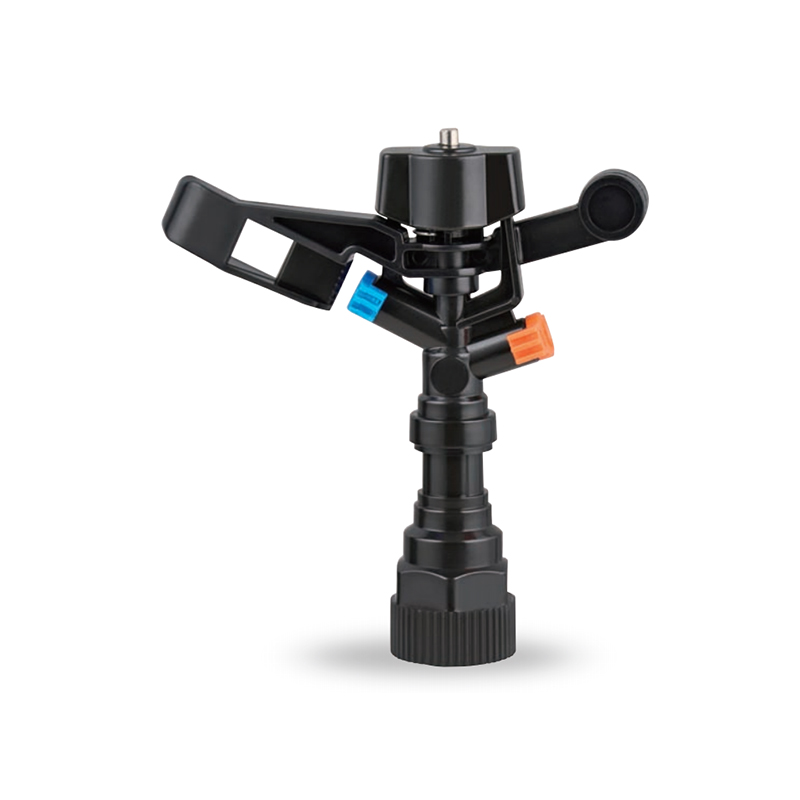
The Double nozzle garden farm impact full-circle sprinkler is well-designed to efficiently and evenly spray water, thus enhancing the quality of crop growth. Whether it's in the home garden or on a la...
See Details -
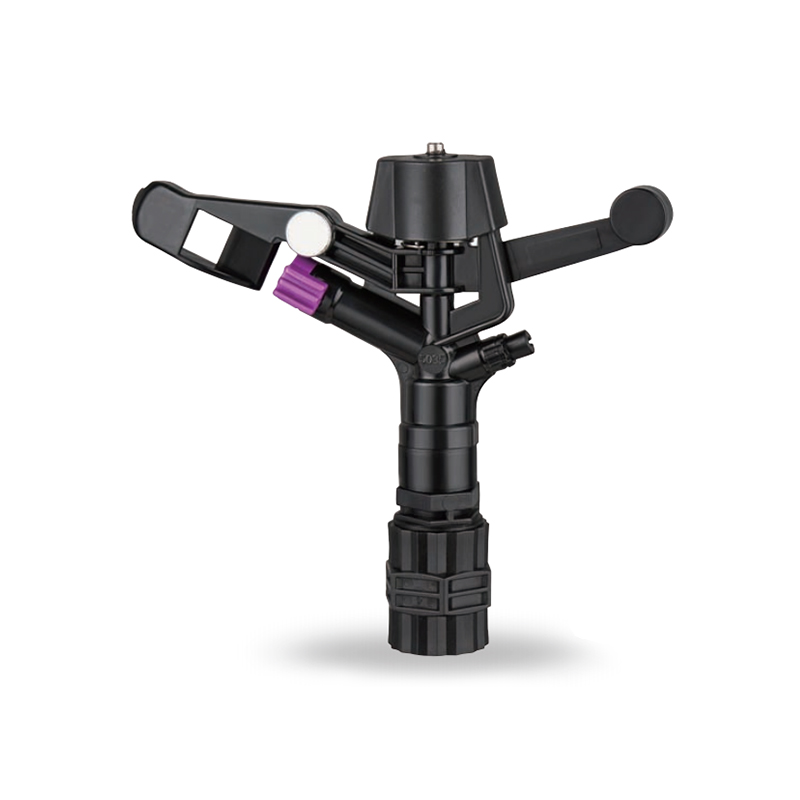
Double nozzle agricultural water plastic impact sprinkler for irrigation sprinkler combines practicality and durability with a dual nozzle system that provides extensive water coverage for a wide rang...
See Details -
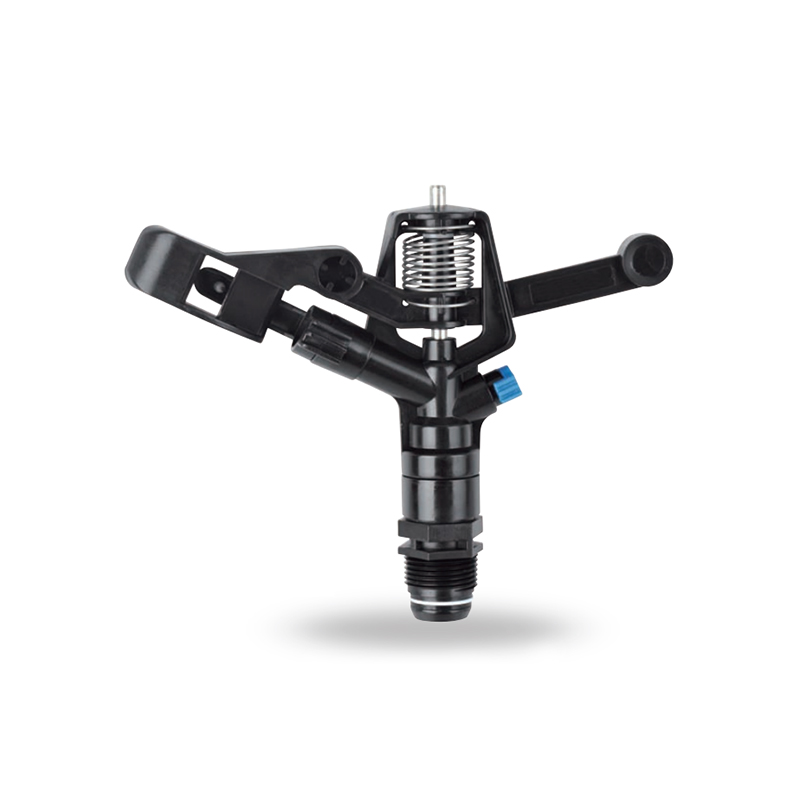
The POM agricultural irrigation sprinkler water impact sprinkler is known for its excellent abrasion resistance and durability, ensuring consistent performance over time. It is designed to increase wa...
See Details -
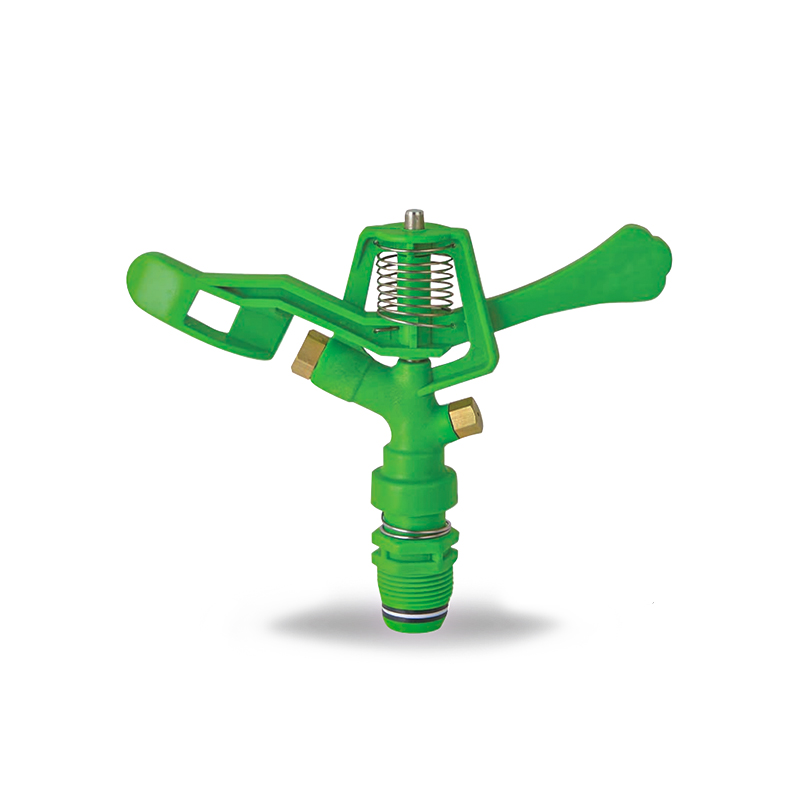
The POM Agricultural Irrigation Sprinkler with Metal Nozzles is a device designed for efficient irrigation, combining premium polyacetal (POM) material with durable metal nozzles to ensure superior sp...
See Details -
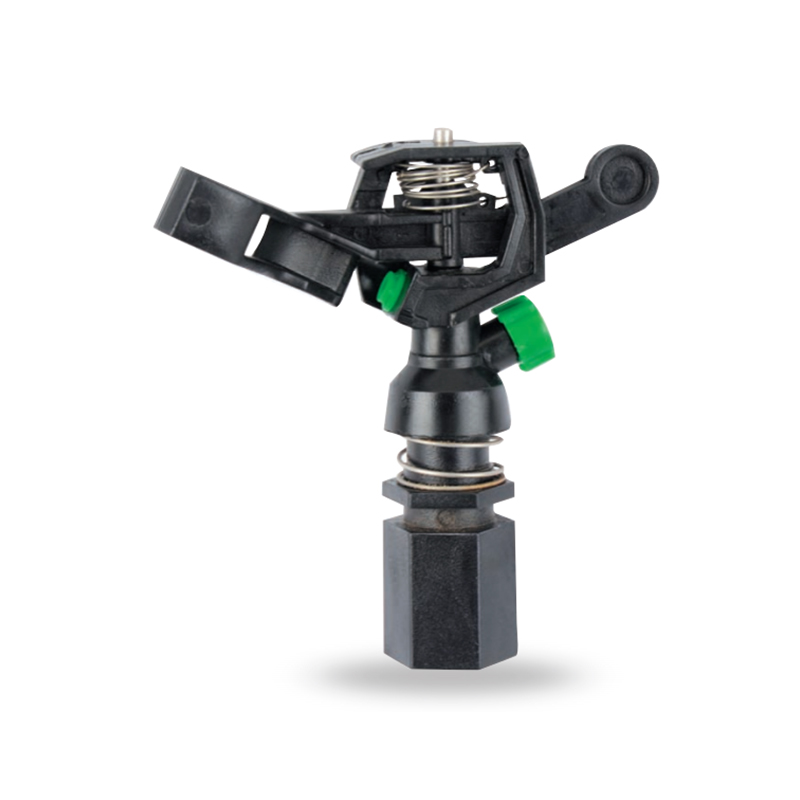
Watering irrigation system 3/4 inch nozzle field Impact Sprinkler is perfect for field irrigation and easily meets the water needs of large crops. Its powerful spray ensures that every nook and cranny...
See Details -
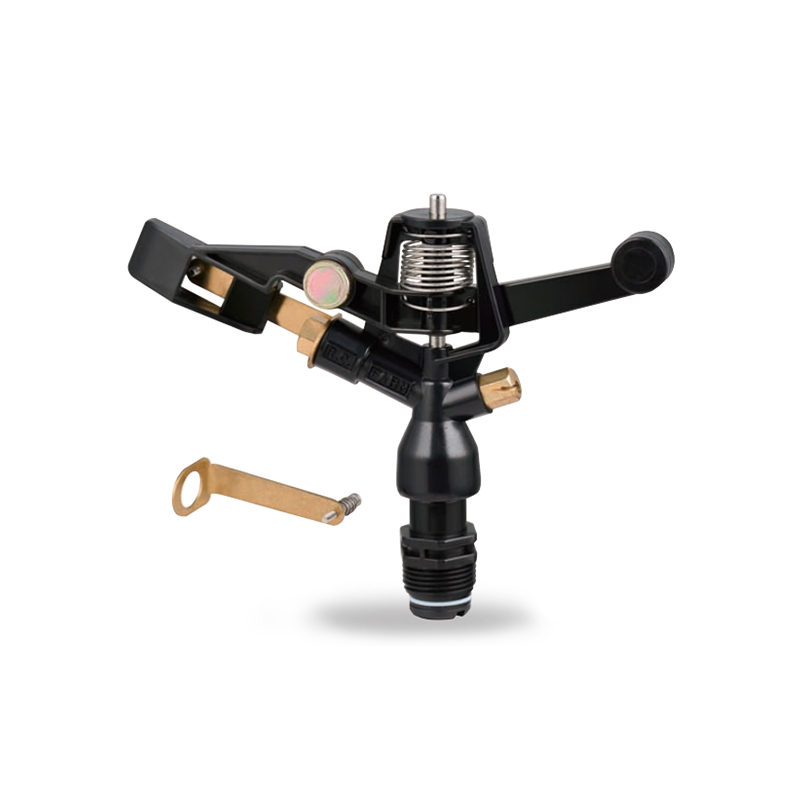
The POM Agricultural Irrigation Sprinkler with Brass Nozzles is an efficient and durable irrigation device designed to meet a wide range of agricultural needs. The sprinkler is made of polyacetal (POM...
See Details -
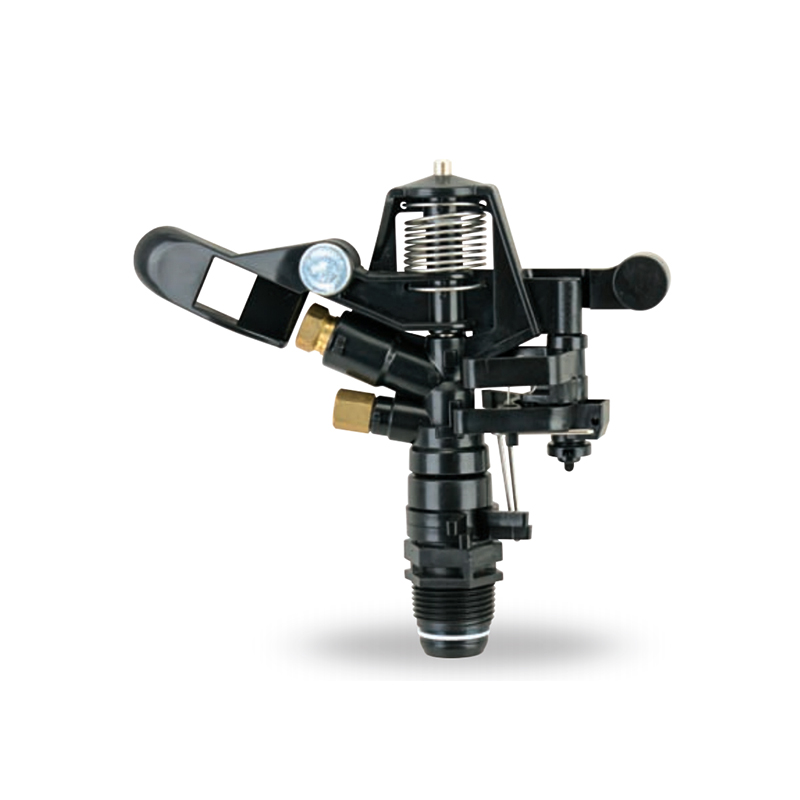
The Double Nozzle Garden Farm Impact Part-Circle Sprinkler is a highly efficient garden irrigation device designed for large planting areas. Its double nozzle design produces a strong, even stream of ...
See Details

PRODUCTS & SERVICES

CONTACT US
 No.518, Ruihao Road, Lizhou Street, Yuyao City, Zhejiang Province, China
 +86-13105554615 / +86-18005843886
 decheng@dcssq.com fredzhu@dcssq.com
 LISA
LISA
 Fred Zhu
Copyright © Ningbo Dewo Irrigation Equipment Co., Ltd. All Rights Reserved. China Agricultural Plastic Sprinkler Manufacturers Wholesale Irrigation Plastic Sprinkler Factory
