

 Search for...
 English
 Español
 中文简体
中文简体How Long Should Drip Irrigation Run? Complete Timing Guide, Charts & FAQ
Content
- 1 The Core Answer: How Long Should Drip Irrigation Run?
- 2 Soil Type Is the First Variable That Changes Run Time
- 3 Emitter Flow Rate Determines How Fast Water Is Delivered
- 4 Recommended Run Times for Common Plants
- 5 Season and Climate Change Your Schedule
- 6 Common Mistakes That Ruin Drip Irrigation Timing
- 7 A Quick Field Test to Verify Your Schedule
- 8 Frequently Asked Questions
- 8.1 1. How long should drip irrigation run on clay soil?
- 8.2 2. Should drip irrigation run every day?
- 8.3 3. How long should drip irrigation run for tomatoes?
- 8.4 4. How long should drip irrigation run for fruit trees?
- 8.5 5. Can I run drip irrigation for 8 hours?
- 8.6 6. How do I know when to stop drip irrigation?
- 8.7 7. Should I run drip irrigation in winter?
Most drip irrigation systems should run for 1 to 4 hours per watering cycle, but the exact time is not a fixed number. The reliable way is to calculate how much water the plant actually needs and divide it by the discharge rate of your emitters. For example, a mature tomato plant in hot summer requires about 4 liters of water per day. If your dripper delivers 2 liters per hour, the system must run for 2 hours to meet that need. The schedule becomes even more precise when you factor in soil texture, plant species, and seasonal evapotranspiration.
The Core Answer: How Long Should Drip Irrigation Run?
A practical starting point is to water every 2 to 3 days in the growing season, running the system for 1 to 2 hours for shallow-rooted vegetables, 3 to 5 hours for fruit trees, and 1.5 to 3 hours for ornamental shrubs. Yet these ranges only work when you verify them against your own soil and emitter setup.
A simple formula removes the guesswork:
Daily water requirement (L) = Crop evapotranspiration (mm/day) × Planting area (m²) × 0.001
Running time (h) = Daily water requirement ÷ Total emitter flow rate (L/h)
Example: Bell pepper plants in July may need 4 mm/day of evapotranspiration. If the row spacing is 0.7 m and dripper spacing is 0.3 m, each plant occupies 0.21 m². The daily requirement is 4 × 0.21 × 0.001 = 0.00084 m³ = 0.84 liters. With a 2 L/h emitter, the running time is 0.84 ÷ 2 = 0.42 hours, or roughly 25 minutes per day. If you prefer to water every other day, run the system for about 50 minutes.
This calculation gives you a target. From there, adjust according to actual soil moisture observations.
Soil Type Is the First Variable That Changes Run Time
Soils absorb water at very different rates. If you ignore soil texture, you will either under-water the root zone or send water past the roots into deep drainage. Here are practical benchmarks based on a common emitter flow of 2 L/h and 30 cm dripper spacing:
| Soil Type | Time to Wet 30 cm | Recommended Frequency |
|---|---|---|
| Sandy soil | 30-60 minutes | Daily or every 2 days in short cycles |
| Loam soil | 1-2 hours | Every 2-3 days |
| Clay soil | 3-6 hours | Every 3-5 days with long, slow cycles |
The reason behind these recommendations is simple: water moves quickly through sand and slowly through clay. Sandy soil needs frequent, short irrigations to avoid drying out the root zone, while clay soil should receive long, low-intensity cycles that allow water to move evenly through the profile. If you set a fixed timer for 2 hours on all zones, the sandy area will be too dry and the clay area will be waterlogged.
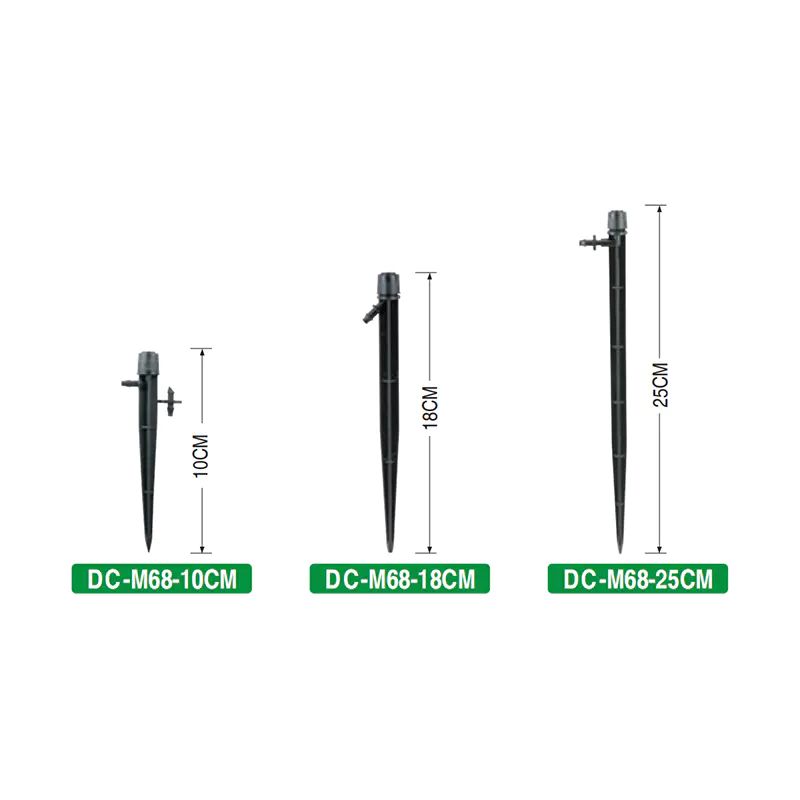 360-Degree Adjustable Flow Drip Irrigation EmitterThis emitter lets you adjust flow for different soil types and plant needs, helping you match watering to sandy or clay conditions for more efficient irrigation.View Product →
Emitter Flow Rate Determines How Fast Water Is Delivered
The flow rate printed on each emitter is the most direct factor in setting run time. A lower-flow emitter needs more time to deliver the same volume, while a higher-flow emitter finishes the job faster. The table below shows how long each flow rate takes to apply 2 liters of water, which is a useful benchmark for many garden plants.
| Emitter Flow (L/h) | Run Time for 2 L (minutes) | Best Use Case |
|---|---|---|
| 0.5 | 240 | Slow, deep watering for clay or pots |
| 1 | 120 | Balanced option for raised beds |
| 2 | 60 | Most common for vegetables |
| 4 | 30 | Fast application for trees and shrubs |
| 8 | 15 | High-output drippers for large root zones |
If you have an adjustable dripper, you can change the flow to match the plant stage without changing the entire system. Adjustable emitters are especially useful when the same irrigation line supplies plants with different water needs. For example, a young seedling only needs a low flow for a few minutes, while a mature shrub needs a higher flow for a longer period. By testing different flow settings, you can build a schedule that is efficient and waste-free.
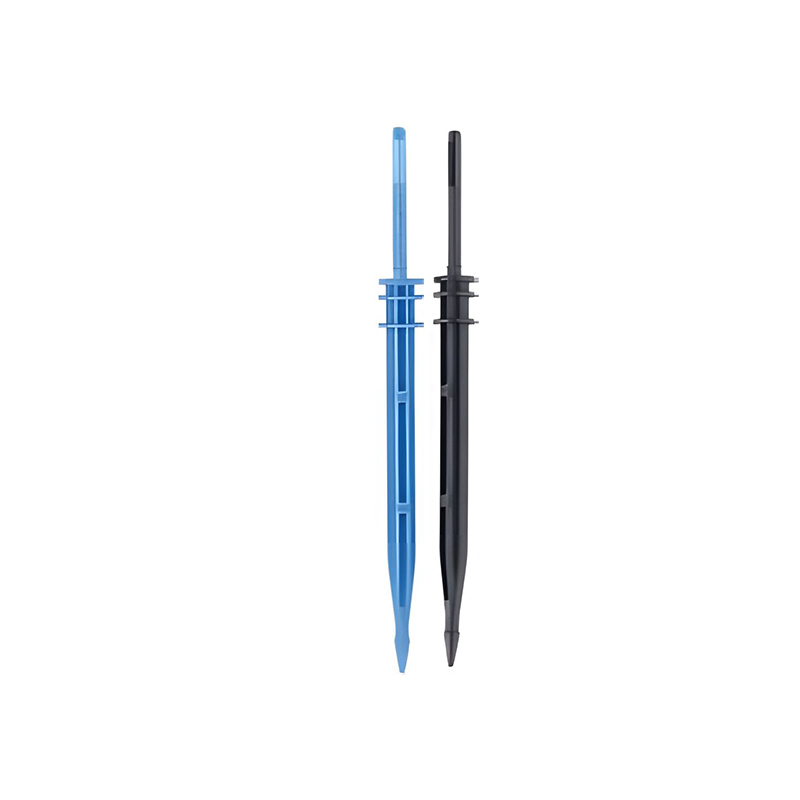 Arrow Dripper for Precise Root-Zone WateringWith its arrow-shaped design, this dripper delivers water directly to plant roots, making it suitable for adjusting flow rates to meet varying plant requirements.View Product →
Recommended Run Times for Common Plants
Different plants have different root depths and water needs. A shallow-rooted lettuce plant needs short, frequent irrigation, while a deep-rooted fruit tree needs long, less frequent watering. The following table provides a starting reference based on a typical 2 L/h emitter system.
| Plant Type | Run Time (per cycle) | Frequency |
|---|---|---|
| Tomato | 1-2 hours | Every 2-3 days in summer |
| Cucumber | 45-90 minutes | Every 2 days |
| Leafy greens | 30-60 minutes | Daily or every day in heat |
| Fruit trees | 3-5 hours | Every 5-7 days |
| Shrubs | 1.5-2.5 hours | Every 3-4 days |
| Lawn / turf | 40-80 minutes per zone | Every 2-3 days |
For orchard rows, using a stake-mounted arrow dripper per tree is a reliable approach because it delivers water directly to the root ball. This helps avoid wasting water on the surface and reduces weed growth between rows.
Season and Climate Change Your Schedule
Do not lock your timer to one setting for the whole season. In early spring, evapotranspiration is low, and a 30-minute run may be enough for leafy greens. By midsummer, the same crop may need 90 minutes or more. In hot, dry climates, you may need to run the system every day, while in humid coastal regions you can water less frequently.
The most practical way to adapt is to split your irrigation system into separate zones with different run times. A mini valve lets you control water flow to each zone independently, so you can keep the fruit tree zone on a 4-hour schedule while the vegetable zone runs for only 1 hour. This prevents overwatering and keeps the whole system efficient.
A soil moisture meter is a smart tool to remove guesswork. If the reading at 30 cm depth is still wet, skip the next scheduled cycle. If it is dry, increase the run time by 20-30%. This simple practice avoids the common mistake of watering on a rigid calendar.
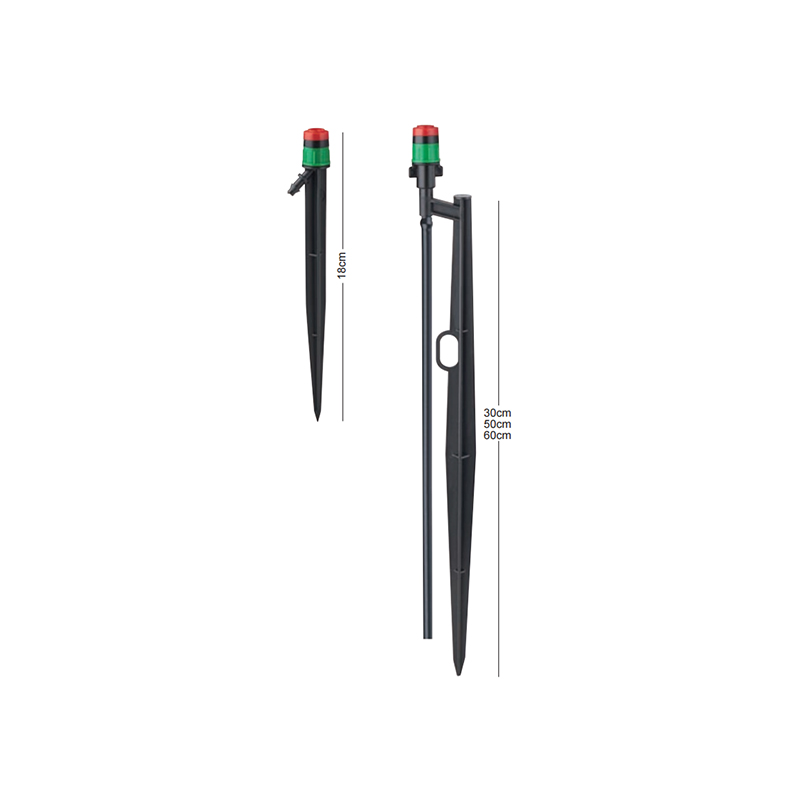 Pressure-Compensating 360-Degree Dripper for Consistent FlowThis pressure-compensating dripper maintains a steady flow rate regardless of pressure changes, preventing uneven watering and helping avoid the common issue of over- or under-irrigation in long lines.View Product →
Common Mistakes That Ruin Drip Irrigation Timing
- Watering too long on sandy soil. This pushes water below the root zone. The result is wasted water and shallow roots that dry out quickly.
- Using the same timer for all zones. A large lawn and a small vegetable bed need completely different run times. A fixed cycle either drowns the vegetables or barely moistens the lawn.
- Ignoring pressure loss. If the line is long or the terrain is sloped, water pressure drops and the emitters at the end deliver less water. A pressure-compensating dripper keeps flow uniform, allowing you to calculate a single run time for an entire zone.
- Running at night in humid conditions. Prolonged leaf wetness can promote fungal disease. Morning and early afternoon are safer for most crops, especially in humid climates.
Pressure variation is one of the most overlooked problems in drip irrigation. On a long row, the first dripper may put out 3 L/h while the last one only gives 1.5 L/h. If you calculate run time based on the first dripper, the last plant gets half the intended water. This is exactly why pressure-compensating emitters are preferred in commercial and residential systems. They are also useful in systems that rely on water-saving irrigation practice, since they keep the flow stable over time.
A Quick Field Test to Verify Your Schedule
Do not let the schedule become guesswork. Run the system for your calculated time, then walk to the field and verify the result:
- Dig with a trowel: After irrigation, insert a trowel or knife 30 cm from the emitter. The soil should be moist to full depth. If it is dry below 15 cm, you need more time. If water is visible on the surface after 30 minutes, you have too much pressure for the soil.
- Use catch cans: Place small cans under several emitters for the same run time. Compare the volumes. If the last can has only one-third of the first can, your pressure compensation or line size needs attention.
- Watch the leaves: Wilting at midday can be normal, but consistent wilting after irrigation means the roots are not receiving enough water. Leaf color and growth rate are useful indicators of whether the schedule needs adjustment.
These field checks take less than ten minutes but save you from the two most common irrigation problems: overwatering and underwatering.
Frequently Asked Questions
1. How long should drip irrigation run on clay soil?
Clay soil needs slow, long cycles. Start with 3 hours and check with a trowel after the next day. If the root zone is still dry deeper than 20 cm, increase to 4-5 hours. Water only when the soil is dry, which is usually every 3-5 days.
2. Should drip irrigation run every day?
Not necessarily. For sandy soil or high summer heat, daily or every-day irrigation is common. For loam and clay, every 2-4 days works better because the soil can hold water longer. The goal is to keep the root zone moist, not constantly saturated.
3. How long should drip irrigation run for tomatoes?
For a mature tomato plant with a 2 L/h dripper, run 1.5 to 2 hours every 2-3 days in summer. Increase the time if the leaves wilt and the soil is dry below 20 cm.
4. How long should drip irrigation run for fruit trees?
Fruit trees need deep, infrequent watering. With a 4 L/h emitter, run 3 to 5 hours every 5-7 days during fruit development. For young trees, reduce to 2 hours per cycle and increase frequency.
5. Can I run drip irrigation for 8 hours?
Only if you have deep-rooted plants and very heavy soil. Even then, the run time should be broken into two or three shorter cycles with rest periods, so the soil can absorb water without surface runoff. For most gardens, 8 hours is far too long and will waste water.
6. How do I know when to stop drip irrigation?
Stop when the soil is moist to the desired root depth. Dig a small hole after the first test cycle and feel the soil. If the moisture reaches 30 cm for most plants, the cycle is complete. After that, use a moisture meter or a simple trowel check to decide whether the next cycle is needed.
7. Should I run drip irrigation in winter?
When the ground is frozen or dormant, drip irrigation is usually unnecessary. In mild winter regions, reduce frequency to once every 2-4 weeks, and only water during dry spells with no rain. Always make sure there is no water left in the lines when temperatures drop below freezing.
Prev:No previous articleNext:How to Set Up Drip Irrigation for Your Garden: A Step-by-Step Guide for Beginners
Related products
-
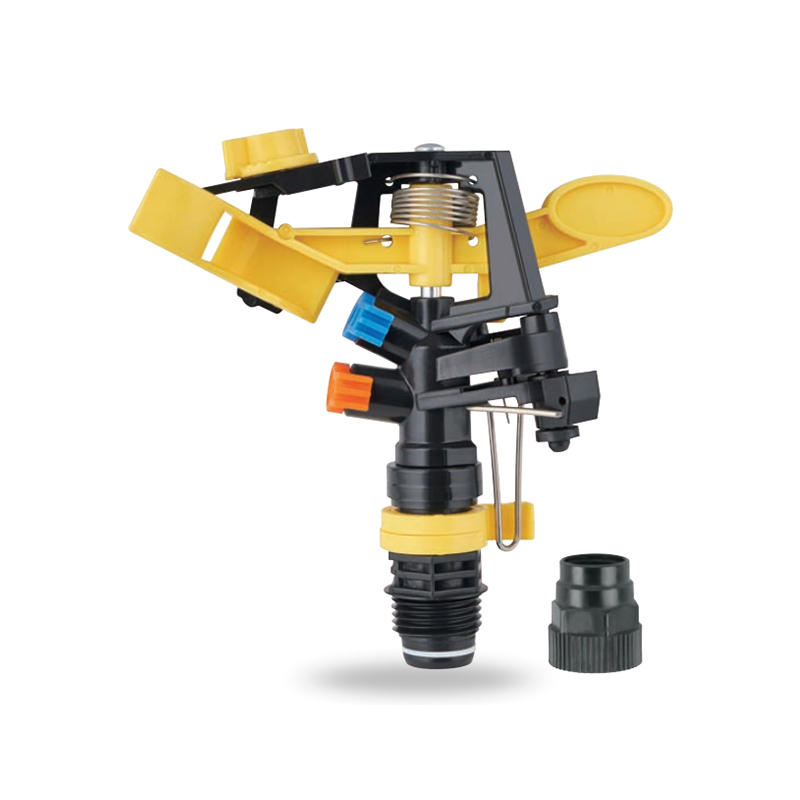
Impact sprinkler for agricultural irrigation is a common and efficient agricultural irrigation tool designed for large areas of farmland. Its unique structure can evenly cover a large area by rotating...
See Details -
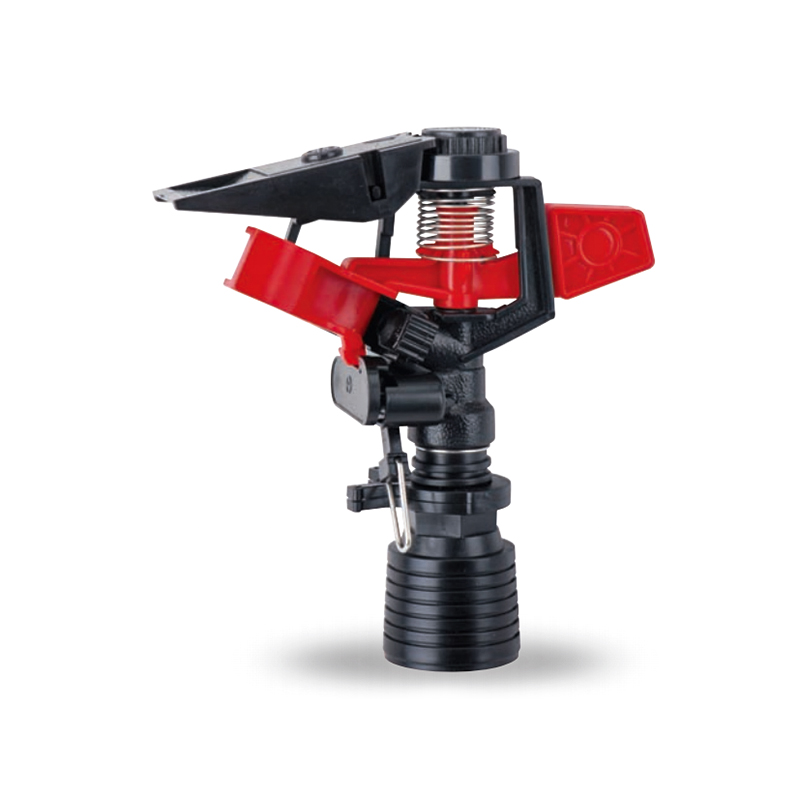
This 360 degree adjustable rocker arm nozzle impact sprinkler is an essential part of an irrigation system designed to meet a wide range of horticultural and agricultural needs. Its flexible adjustmen...
See Details -
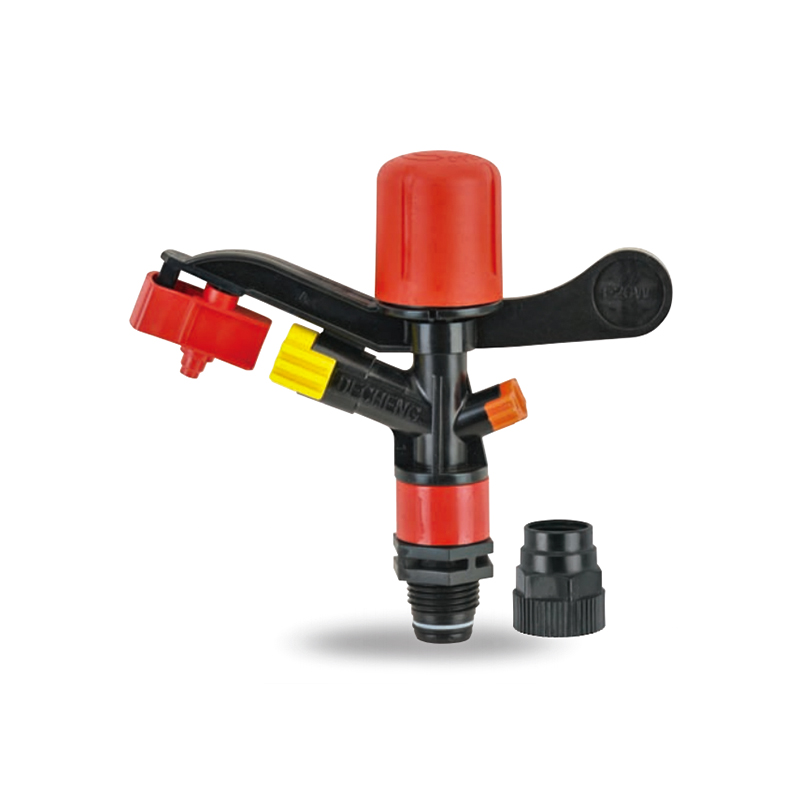
The Plastic Full-Circle Impact Sprinkler Sprayer is a highly efficient full-circle irrigation device designed to provide even moisture coverage. Its lightweight plastic material makes this sprinkler e...
See Details -
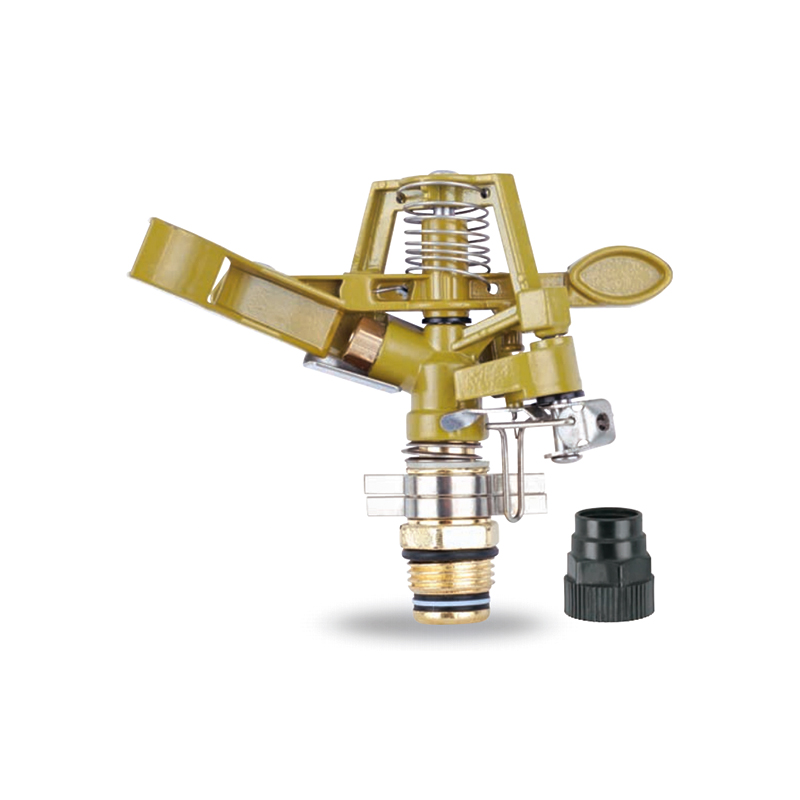
The Irrigation System Adjustable Head Mobile Rotary Zinc Sprinkler is an efficient rotary sprinkler designed for flexible irrigation needs. Its adjustable head allows the user to easily adjust the dir...
See Details -
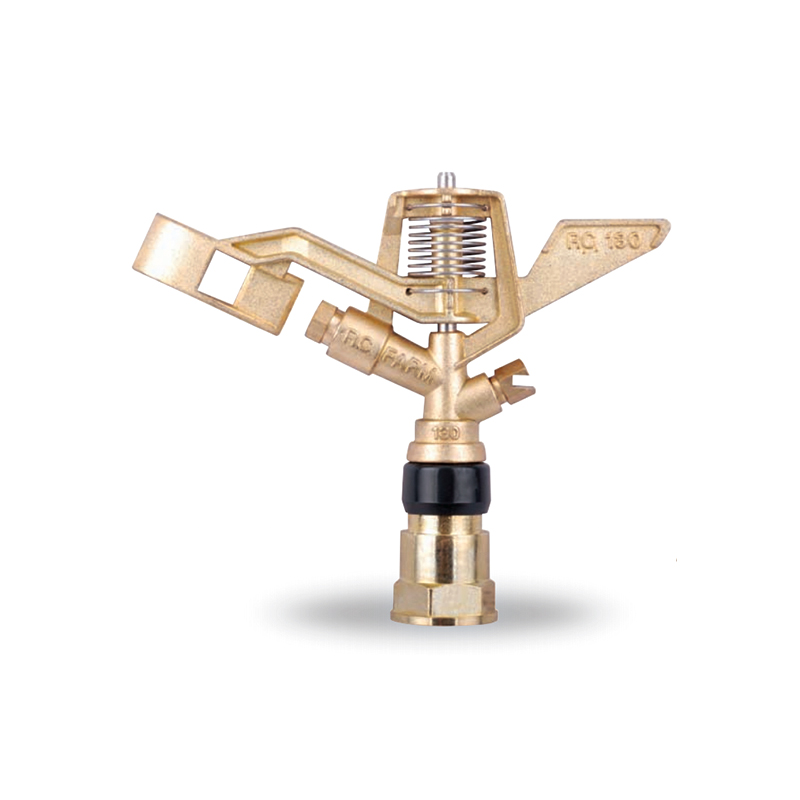
This 3/4” Zinc Alloy Swivel Arm Irrigation Watering System Impact Sprinkler is ideal for agricultural irrigation systems due to its superior durability and corrosion resistance. Its rugged constructio...
See Details -
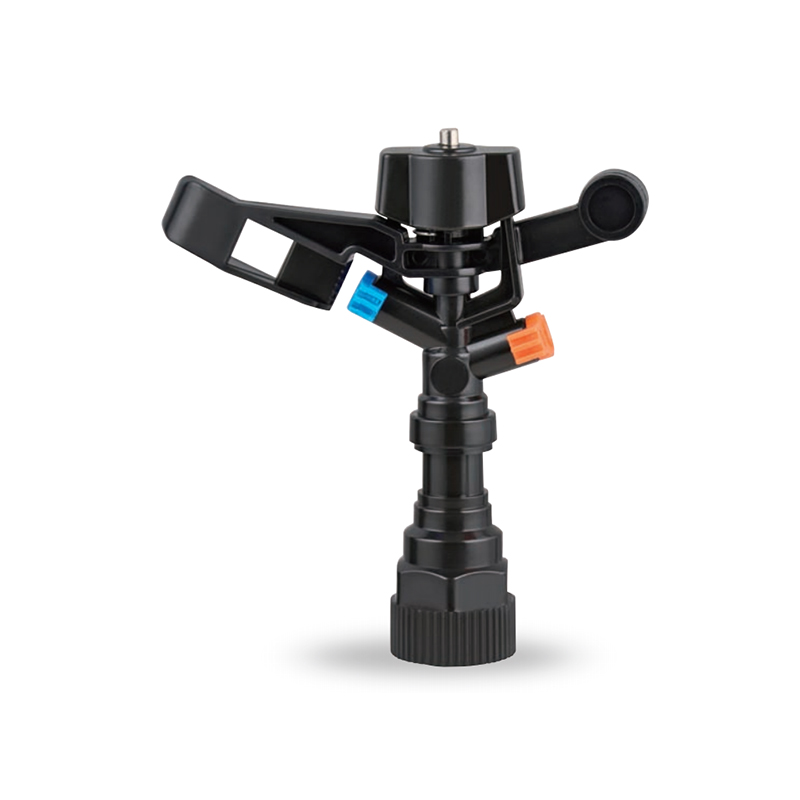
The Double nozzle garden farm impact full-circle sprinkler is well-designed to efficiently and evenly spray water, thus enhancing the quality of crop growth. Whether it's in the home garden or on a la...
See Details -
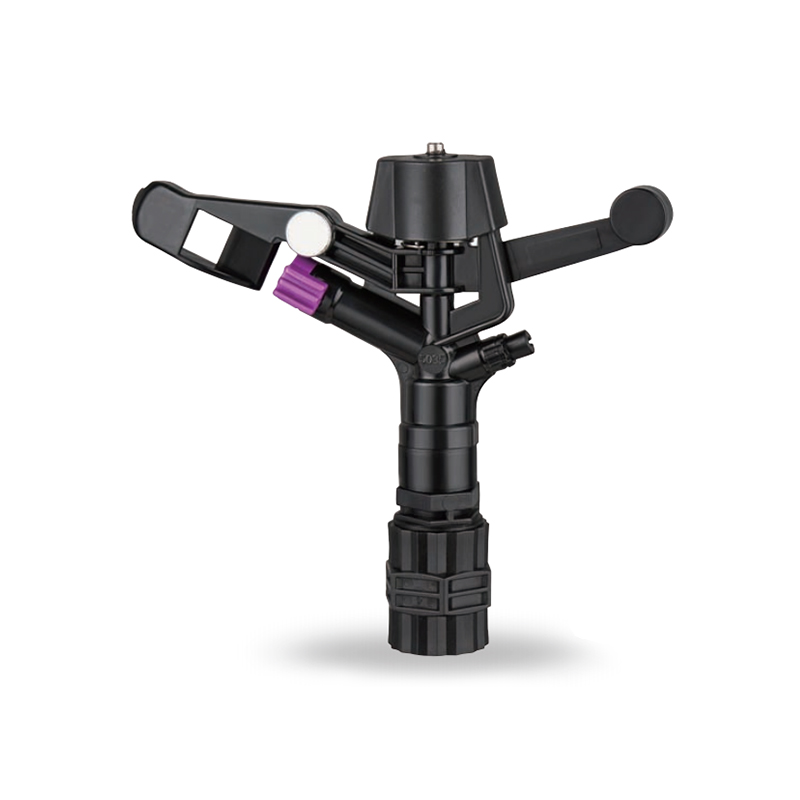
Double nozzle agricultural water plastic impact sprinkler for irrigation sprinkler combines practicality and durability with a dual nozzle system that provides extensive water coverage for a wide rang...
See Details -
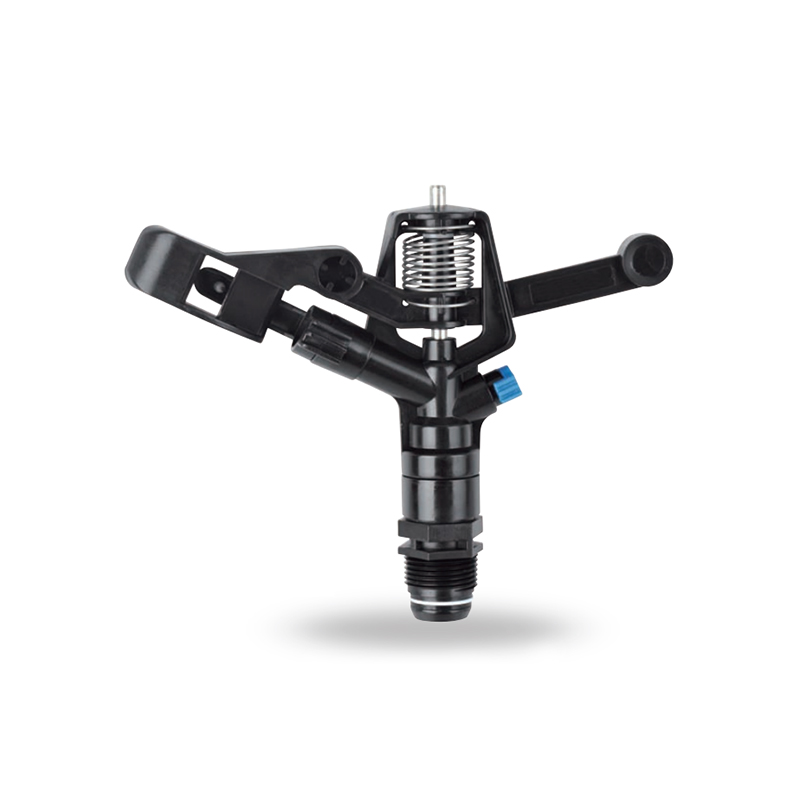
The POM agricultural irrigation sprinkler water impact sprinkler is known for its excellent abrasion resistance and durability, ensuring consistent performance over time. It is designed to increase wa...
See Details -
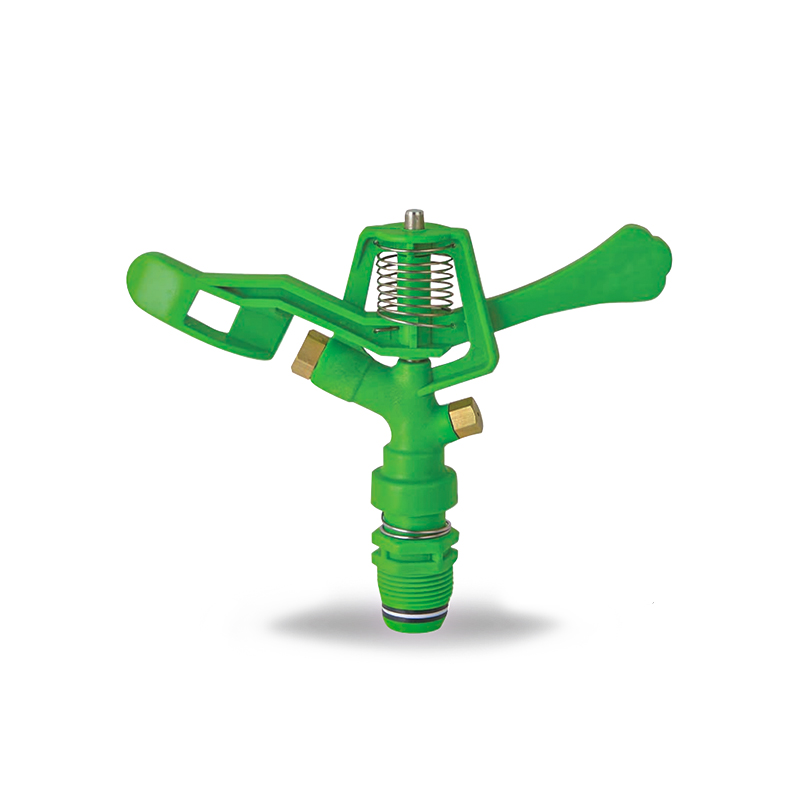
The POM Agricultural Irrigation Sprinkler with Metal Nozzles is a device designed for efficient irrigation, combining premium polyacetal (POM) material with durable metal nozzles to ensure superior sp...
See Details -
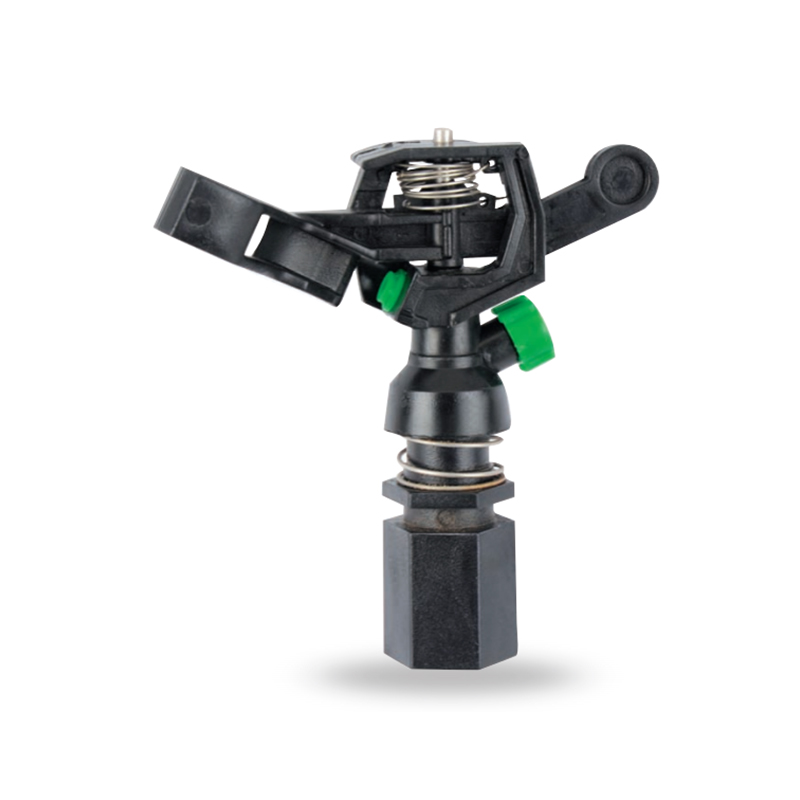
Watering irrigation system 3/4 inch nozzle field Impact Sprinkler is perfect for field irrigation and easily meets the water needs of large crops. Its powerful spray ensures that every nook and cranny...
See Details -
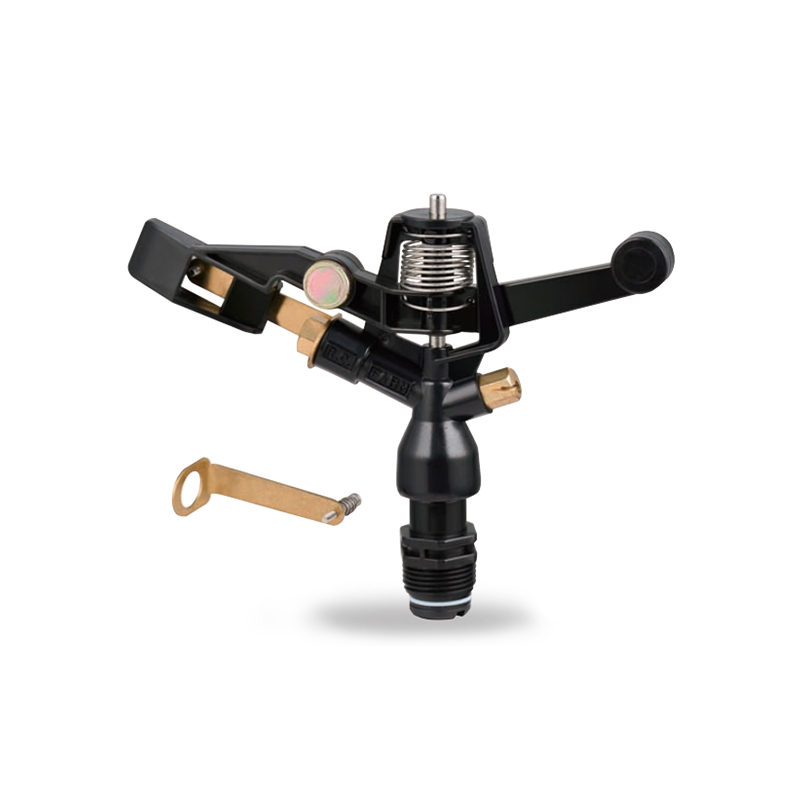
The POM Agricultural Irrigation Sprinkler with Brass Nozzles is an efficient and durable irrigation device designed to meet a wide range of agricultural needs. The sprinkler is made of polyacetal (POM...
See Details -
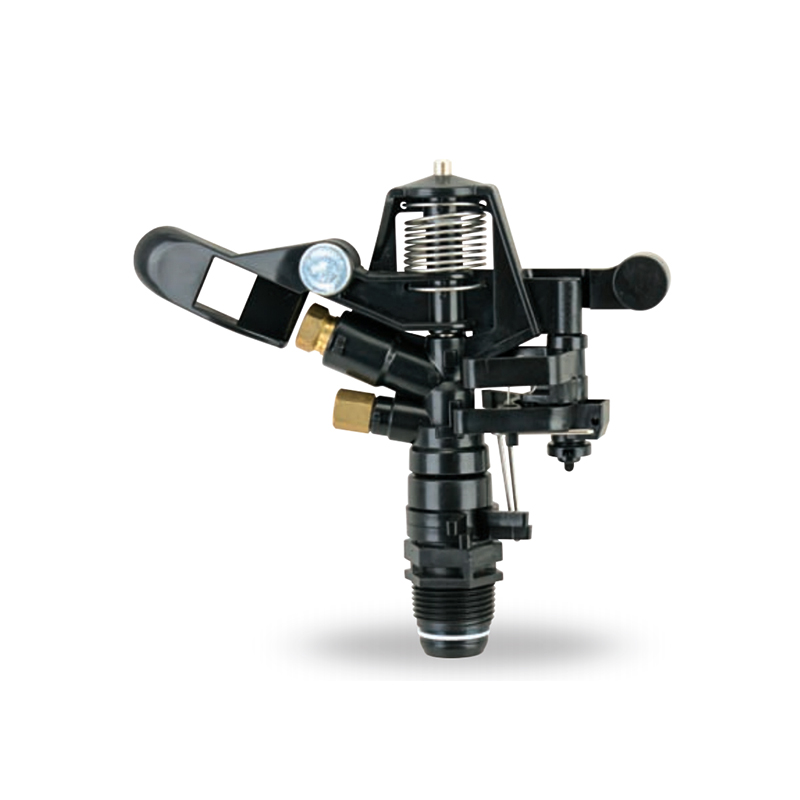
The Double Nozzle Garden Farm Impact Part-Circle Sprinkler is a highly efficient garden irrigation device designed for large planting areas. Its double nozzle design produces a strong, even stream of ...
See Details

PRODUCTS & SERVICES

CONTACT US
 No.518, Ruihao Road, Lizhou Street, Yuyao City, Zhejiang Province, China
 +86-13105554615 / +86-18005843886
 decheng@dcssq.com fredzhu@dcssq.com
 LISA
LISA
 Fred Zhu
Copyright © Ningbo Dewo Irrigation Equipment Co., Ltd. All Rights Reserved. China Agricultural Plastic Sprinkler Manufacturers Wholesale Irrigation Plastic Sprinkler Factory
