

 Search for...
 English
 Español
 中文简体
中文简体How long to run an impact sprinkler for 1 inch of water?
Content
- 1 Why Run Time Varies So Much Between Impact Sprinklers
- 2 The Precipitation Rate Formula Explained
- 3 Typical Run Times by Sprinkler Type and Setup
- 4 How to Measure Your Impact Sprinkler's Actual Precipitation Rate
- 5 How Much Water Does Lawn and Garden Actually Need
- 6 Cycle and Soak: Running Impact Sprinklers Effectively on Problem Soils
- 7 Adjusting Run Time for Evapotranspiration and Weather
- 8 Practical Run Time Examples for Common Scenarios
- 9 Factors That Reduce Actual Water Delivery Efficiency
- 10 Best Time of Day to Run Impact Sprinklers
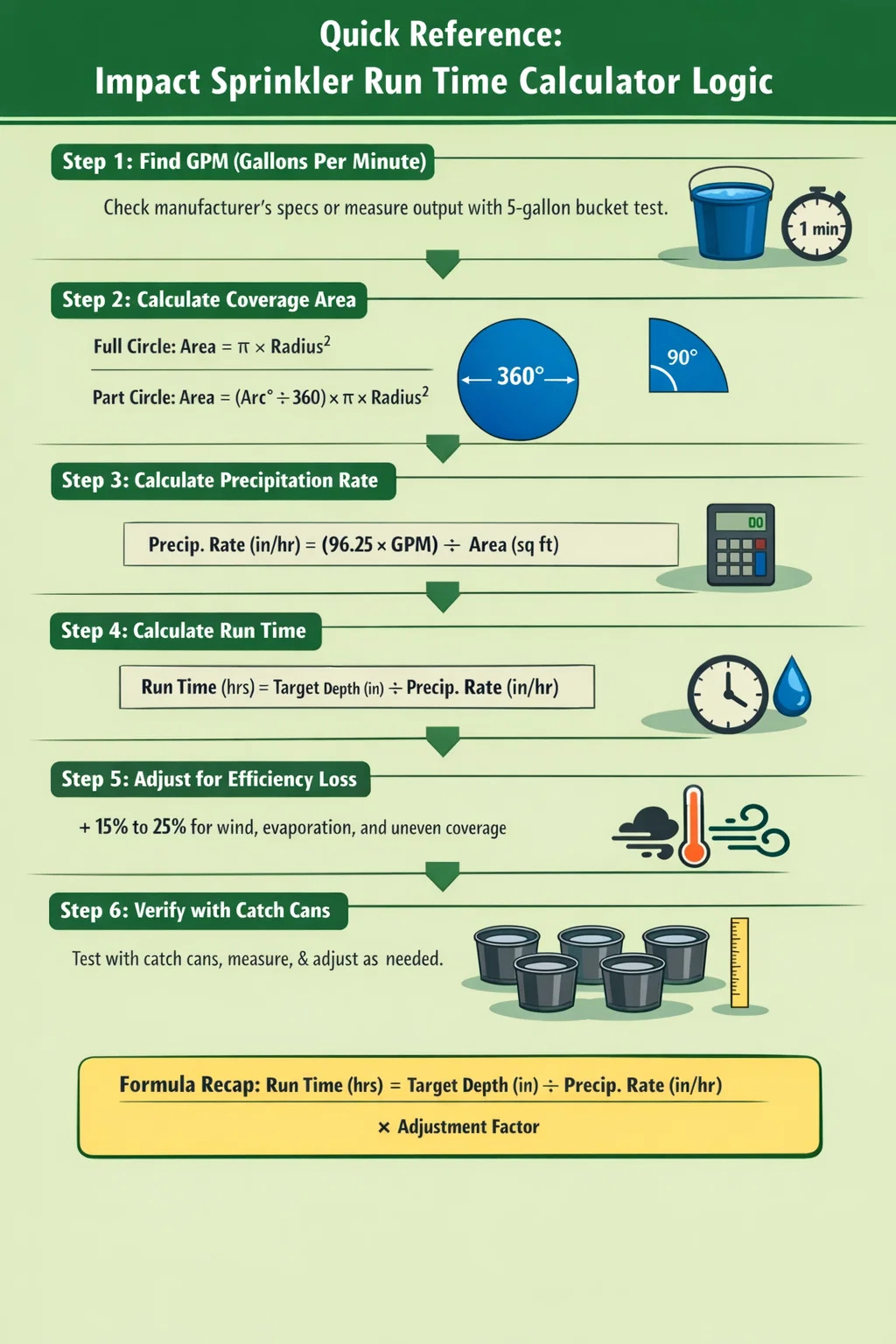
- 11 Quick Reference: Run Time Calculator Logic
For most impact sprinklers, you need to run them for approximately 1.5 to 4 hours to deliver 1 inch of water, depending on the nozzle size, operating pressure, and the area each head covers. A standard residential impact sprinkler with a 5/32-inch nozzle operating at 30 PSI covering a 30-foot radius typically takes around 2 to 2.5 hours to apply 1 inch uniformly across its coverage zone. That said, the only reliable way to know your exact run time is to measure your sprinkler's actual precipitation rate with catch cans — because nozzle size, pressure, arc setting, and head spacing all push that number significantly in either direction.
Why Run Time Varies So Much Between Impact Sprinklers
People expect a single clean answer here, but impact sprinklers cover an enormous range of nozzle sizes, pressure ratings, and coverage areas. A small plastic impact sprinkler on a garden hose at 20 PSI and a large brass agricultural impact sprinkler at 60 PSI are both "impact sprinklers" — but their precipitation rates differ by a factor of 10 or more. Understanding which variables control your run time puts you in a position to calculate it accurately rather than guessing.
Nozzle Size and Flow Rate
The nozzle diameter is the single biggest factor controlling how fast water is delivered. Common residential impact sprinkler nozzles range from 3/32 inch to 7/32 inch in diameter. A 3/32-inch nozzle at 30 PSI flows roughly 1.0 to 1.3 gallons per minute (GPM), while a 7/32-inch nozzle at the same pressure pushes 3.5 to 4.5 GPM. More flow doesn't automatically mean faster coverage — it depends entirely on how large an area that water is spread over.
Agricultural impact sprinklers designed for field irrigation can have nozzle diameters of 1/4 inch or larger, with flow rates exceeding 10 GPM at higher pressures. These heads throw water 50 to 80 feet or more, covering enormous areas — so despite the high flow, precipitation rates per square foot remain modest.
Operating Pressure
Higher pressure increases both flow rate and throw distance. If pressure climbs significantly above a nozzle's rated operating range, the stream breaks into fine mist rather than a coherent arc — which means water is carried away by wind rather than deposited where you intend it. Most residential impact sprinklers perform best between 25 and 50 PSI. Running outside this range changes the effective precipitation rate even if the same nozzle is installed.
Coverage Area and Arc Setting
A sprinkler set to cover a full 360-degree circle distributes its flow across a much larger area than one set to cover a 90-degree arc. The same nozzle and pressure delivering 3 GPM over a full circle at 30 feet radius covers roughly 2,827 square feet — set to a quarter-circle, it covers only about 707 square feet. The precipitation rate on the quarter-circle is therefore four times higher for the same run time. Ignoring arc settings when calculating run time causes serious over- or under-watering.
Head Spacing and Overlap
In a multi-head system, heads are positioned to overlap each other's coverage areas — a design principle called head-to-head spacing. Overlap is intentional because no single impact sprinkler distributes water perfectly evenly; precipitation is always heavier near the sprinkler and lighter at the perimeter. When heads overlap correctly, the combined precipitation rate per square foot is higher than a single head alone would suggest. This is why multi-head zone run times are often shorter than single-head calculations predict.
The Precipitation Rate Formula Explained
Precipitation rate is expressed in inches per hour (in/hr) and tells you how fast water is accumulating on the ground. Once you know the precipitation rate, calculating run time is straightforward:
Run Time (hours) = Target Depth (inches) ÷ Precipitation Rate (inches/hour)
To reach 1 inch of water, a sprinkler with a precipitation rate of 0.5 in/hr needs 2 hours. One with a rate of 0.33 in/hr needs 3 hours. One running at 0.25 in/hr needs 4 hours.
The standard formula for calculating precipitation rate from sprinkler specifications is:
Precipitation Rate (in/hr) = (96.25 × GPM) ÷ Area (sq ft)
The constant 96.25 converts gallons per minute into inches per hour over the given square footage. For example: a single impact sprinkler flowing 2.5 GPM covering a full-circle radius of 30 feet (area = π × 30² ≈ 2,827 sq ft):
Precipitation Rate = (96.25 × 2.5) ÷ 2,827 = 240.6 ÷ 2,827 ≈ 0.085 in/hr
At that rate, reaching 1 inch of water would take nearly 12 hours — which illustrates why large-radius impact sprinklers are typically used in agricultural settings where longer run times are normal, or why multiple heads are zoned together to build up acceptable precipitation rates across a field.
Typical Run Times by Sprinkler Type and Setup
The following table covers the most common impact sprinkler configurations with realistic estimated precipitation rates and corresponding run times to deliver 1 inch of water. These figures assume stable pressure and full-circle arc unless noted.
| Sprinkler Type | Nozzle Size | Pressure (PSI) | Throw Radius (ft) | Flow Rate (GPM) | Precip. Rate (in/hr) | Run Time for 1 inch |
|---|---|---|---|---|---|---|
| Small plastic (lawn/garden) | 3/32" | 30 | 20 | 1.1 | 0.084 | ~11.9 hrs |
| Residential brass (full circle) | 5/32" | 30 | 30 | 2.5 | 0.085 | ~11.8 hrs |
| Residential brass (quarter circle) | 5/32" | 30 | 30 | 2.5 | 0.34 | ~2.9 hrs |
| Medium brass (50 PSI, full circle) | 3/16" | 50 | 40 | 4.2 | 0.080 | ~12.5 hrs |
| Agricultural (60 PSI, full circle) | 1/4" | 60 | 60 | 9.5 | 0.081 | ~12.3 hrs |
| Multi-head zone (4 heads, 30 ft radius, overlapping) | 5/32" | 30 | 30 | 2.5 each | 0.30–0.45 | ~2.2–3.3 hrs |
The table makes clear that single-head full-circle impact sprinklers running at 30 to 60 feet radius are inherently slow at building up water depth — often under 0.1 in/hr. This is expected behavior, not a malfunction. It's why agricultural irrigation schedules routinely call for 12 to 24-hour run cycles rather than the 20 to 45-minute runs typical for pop-up spray head zones.
How to Measure Your Impact Sprinkler's Actual Precipitation Rate
Calculated estimates are useful starting points, but direct measurement is always more accurate. Water pressure at your hose bib may differ from what you think, nozzles wear over time, and wind conditions affect actual distribution. The catch can test takes about 30 minutes and gives you a real-world number to plan around.
What You Need
- 6 to 12 straight-sided containers with uniform openings — tuna cans, cat food cans, or commercial catch cans all work. The opening diameter must be consistent across all cans.
- A ruler or rain gauge marked in 1/8-inch increments.
- A timer.
The Test Procedure
- Place the cans in a grid pattern across the sprinkler's coverage zone — include spots close to the sprinkler, at mid-range, and near the perimeter.
- Run the sprinkler for exactly 30 minutes.
- Measure the depth of water in each can using the ruler. Record every reading.
- Average all the readings.
- Multiply the 30-minute average by 2 to get the precipitation rate in inches per hour.
- Divide 1 inch by that hourly rate to find your run time in hours.
Example: Your cans collected an average of 0.15 inches over 30 minutes. That's 0.30 in/hr. To deliver 1 inch: 1 ÷ 0.30 = 3 hours and 20 minutes.
The catch can test also reveals distribution uniformity — if some cans collected 0.05 inches and others 0.30 inches from the same 30-minute run, your sprinkler coverage is uneven and spacing or head position may need adjustment before run time calculations become meaningful.
How Much Water Does Lawn and Garden Actually Need
The "1 inch per week" rule for lawns is widely cited, but it's a starting point rather than a fixed target. Actual water need depends on grass type, soil, climate, and season. Knowing how long to run your impact sprinkler only matters once you know how much water your plants genuinely need.
Lawn Grass Requirements by Type
- Cool-season grasses (Kentucky bluegrass, tall fescue, ryegrass): typically need 1.0 to 1.5 inches per week during peak summer. They go semi-dormant in extreme heat and can tolerate brief dry periods.
- Warm-season grasses (Bermuda, zoysia, St. Augustine, centipede): need 0.5 to 1.25 inches per week, but are more drought-tolerant once established. Bermuda in peak summer heat may need up to 1.5 inches weekly.
- Native and low-water grasses (buffalo grass, blue grama): often need only 0.25 to 0.5 inches per week or less when established.
Vegetable gardens generally need 1 to 2 inches per week, with fruiting crops like tomatoes and peppers at the higher end. Trees and shrubs typically need deep, infrequent watering rather than light frequent applications — 2 to 3 inches every 7 to 14 days suits most established woody plants far better than 1 inch every week.
How Soil Type Affects Watering Frequency
Sandy soils drain fast — water passes through the root zone in hours rather than days. An inch of water on sandy soil may only wet the top 6 inches and drain below root depth within 24 hours, forcing more frequent applications. Clay soils hold water much longer but absorb it slowly, making runoff a problem when irrigation rates exceed infiltration capacity.
Impact sprinklers with their lower precipitation rates (often below 0.5 in/hr for full-circle operation) are actually well-suited to clay soils precisely because they apply water slowly enough for the ground to absorb it. Faster-applying pop-up spray heads on clay soils often produce visible runoff before the zone even finishes its cycle.
Cycle and Soak: Running Impact Sprinklers Effectively on Problem Soils
On slopes or compacted soils where even a low precipitation rate causes runoff, the cycle and soak method distributes the required run time across multiple shorter sessions with rest periods between them. Instead of running the zone for 3 continuous hours, you might run it for 45 minutes, wait 60 to 90 minutes for water to infiltrate, then run it again — repeating until the total target depth is reached.
This approach is less commonly needed with impact sprinklers than with spray heads because impact sprinklers already apply water slowly. However, on highly compacted turf or heavy clay with a slope exceeding 5%, even 0.1 in/hr can outpace infiltration. In those situations, three 45-minute cycles with 60-minute soak periods produce better results than a single 2.25-hour run.
Adjusting Run Time for Evapotranspiration and Weather
Evapotranspiration (ET) is the combined water loss from soil evaporation and plant transpiration. ET rates are published daily or weekly by most state agricultural extension services and weather stations in the United States, and similar resources exist in most countries with active agricultural sectors. Matching your irrigation depth to ET rather than a fixed target prevents both under- and over-watering.
In midsummer in hot, dry climates (Arizona, Nevada, inland California), daily ET for turf grass can reach 0.3 to 0.4 inches per day — meaning a lawn can require 2 to 2.8 inches per week to stay actively growing. In moderate climates during spring and fall, ET drops to 0.05 to 0.15 inches per day, meaning 0.35 to 1.05 inches per week is sufficient.
Subtract any rainfall received during the week from your irrigation target before calculating run time. A 0.5-inch rain event during the week means you only need to apply an additional 0.5 inches (for a 1-inch weekly target), which halves your required run time for that week. Installing a rain sensor that automatically interrupts scheduled irrigation cycles when meaningful rain falls is one of the simplest and most effective upgrades for any impact sprinkler system.
Practical Run Time Examples for Common Scenarios
Translating the math into real-world scheduling helps make this concrete. The following scenarios cover the situations most people encounter.
Scenario 1: Single Impact Sprinkler on a Hose, Small Lawn
You have one plastic impact sprinkler on a garden hose, covering a roughly 25-foot radius circle over your 1,500 sq ft front lawn. At 30 PSI through a 1/8-inch nozzle, it flows about 1.5 GPM. Precipitation rate: (96.25 × 1.5) ÷ (π × 25²) = 144.4 ÷ 1,963 ≈ 0.074 in/hr. To deliver 1 inch: 1 ÷ 0.074 ≈ 13.5 hours. Since that's a single session, most people split this across two or three days — roughly 4.5 hours per session, three times per week — to deliver the weekly 1-inch target.
Scenario 2: Four-Head Residential System Zone
A backyard zone has four brass impact sprinkler heads, each with a 5/32-inch nozzle at 35 PSI throwing 30 feet. They're spaced for head-to-head coverage on a square grid. Each head flows 2.8 GPM. After running a catch can test, you find the average collected depth over 30 minutes is 0.18 inches, giving a precipitation rate of 0.36 in/hr. Run time for 1 inch: 1 ÷ 0.36 ≈ 2 hours 47 minutes. A typical schedule might run this zone for 90 minutes twice per week to deliver 1.08 inches total.
Scenario 3: Agricultural Field with Large-Throw Brass Impact Sprinklers
A 5-acre vegetable field uses large brass impact sprinklers spaced 60 feet apart in a triangular pattern at 55 PSI. Each sprinkler covers a full-circle radius of 55 feet and flows 8 GPM. Catch cans show an average depth of 0.05 inches in 30 minutes — a precipitation rate of 0.10 in/hr. To deliver 1 inch across the field: 1 ÷ 0.10 = 10 hours. This is typical for agricultural irrigation, which is why field systems often run overnight or over multiple days between irrigation events.
Factors That Reduce Actual Water Delivery Efficiency
Even when you calculate run time correctly, several real-world factors mean that not all the water applied actually reaches plant roots at the intended rate.
- Wind: Wind above 10 mph significantly distorts impact sprinkler coverage patterns, carrying fine droplets off-target. Watering during early morning hours — typically the calmest part of the day — reduces wind-related losses. Some estimates suggest wind can reduce distribution efficiency by 15 to 30% in exposed locations.
- Evaporation during application: Watering in peak afternoon heat (between 10 AM and 4 PM) loses 10 to 20% of applied water to evaporation before it enters the soil. Early morning irrigation, when temperatures are lower and humidity higher, minimizes this loss.
- Runoff: On slopes or compact soil, water running off the target area before infiltrating reduces effective application depth below what the precipitation rate suggests.
- Distribution uniformity: Most impact sprinklers have a distribution uniformity (DU) of 60 to 80% under ideal conditions. This means some areas receive significantly more water than the average, and others significantly less. To ensure the driest spot receives its target depth, the average application must exceed the target — which means adjusted run times are often 10 to 25% longer than a simple precipitation rate calculation suggests.
Applying an efficiency correction factor of 0.75 to 0.85 is a practical approach for planning purposes. If your calculation says 3 hours to deliver 1 inch, schedule 3.5 to 4 hours to account for real-world losses and non-uniformity.
Best Time of Day to Run Impact Sprinklers
Early morning — between 4 AM and 9 AM — is consistently the best time to run impact sprinklers. At that hour, wind speeds are typically at their daily minimum, temperatures are lower (reducing evaporation), and watering during daylight hours that follow gives foliage time to dry before nightfall. Wet foliage sitting overnight creates favorable conditions for fungal diseases including powdery mildew, dollar spot, and brown patch in lawn grasses.
For agricultural applications where run times extend to 10 or 12 hours, systems are typically started in the evening, run through the night, and complete their cycle in the early morning. This captures the low-wind, low-evaporation window and avoids any conflict with daytime field operations.
Avoid running impact sprinklers during the middle of the day in summer. Beyond evaporation losses, high-pressure misting from impact sprinklers in direct intense sunlight can cause localized magnification effects on some plant leaves under rare conditions — though this is far less common with impact sprinklers than with fine-mist drip emitters. The practical concern is more about efficiency: water applied at noon in 95°F weather in a dry climate can lose 20 to 30% to evaporation before it even reaches the soil surface.
Quick Reference: Run Time Calculator Logic
If you want to calculate your own run time without a specialized tool, here is the complete process in order:
- Find your sprinkler's GPM from the manufacturer's spec sheet (or measure it by timing how long it takes to fill a 5-gallon bucket from a disassembled head at operating pressure).
- Calculate the area covered: for a full-circle, Area = π × radius²; for a partial arc, Area = (arc degrees ÷ 360) × π × radius².
- Precipitation Rate (in/hr) = (96.25 × GPM) ÷ Area (sq ft).
- Run Time (hrs) = Target depth (inches) ÷ Precipitation Rate (in/hr).
- Add 15 to 25% to account for distribution non-uniformity and evaporation losses.
- Verify with catch cans and adjust your schedule based on real measured results.
Running this calculation once for each zone in your system, and then validating with a catch can test, gives you a reliable irrigation schedule that holds up through an entire season with only minor weather-based adjustments. It takes less than an hour to set up properly and saves water, time, and plant health issues throughout the year.
Related products
-
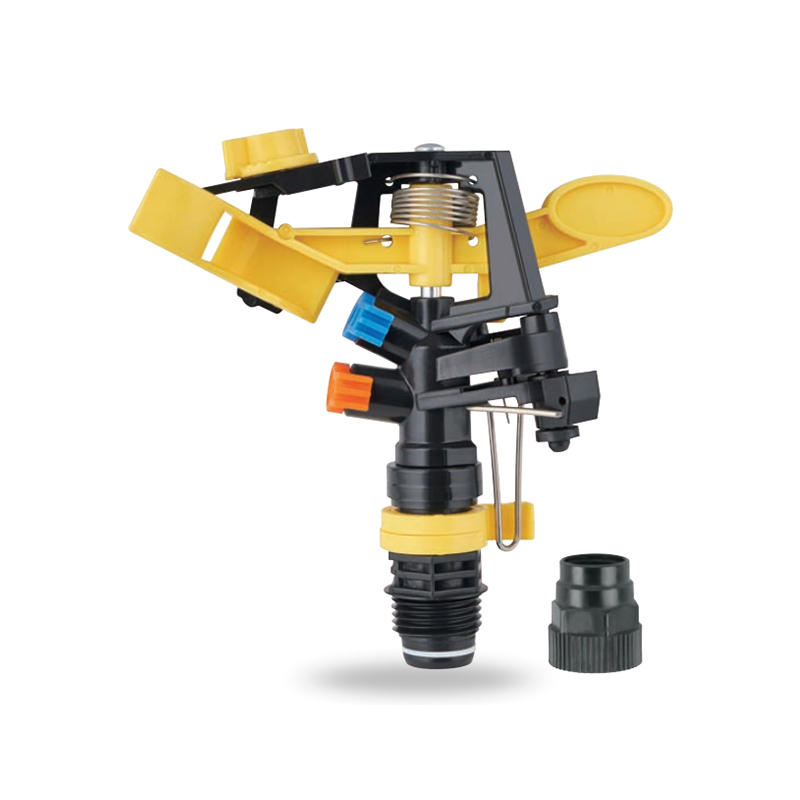
Impact sprinkler for agricultural irrigation is a common and efficient agricultural irrigation tool designed for large areas of farmland. Its unique structure can evenly cover a large area by rotating...
See Details -
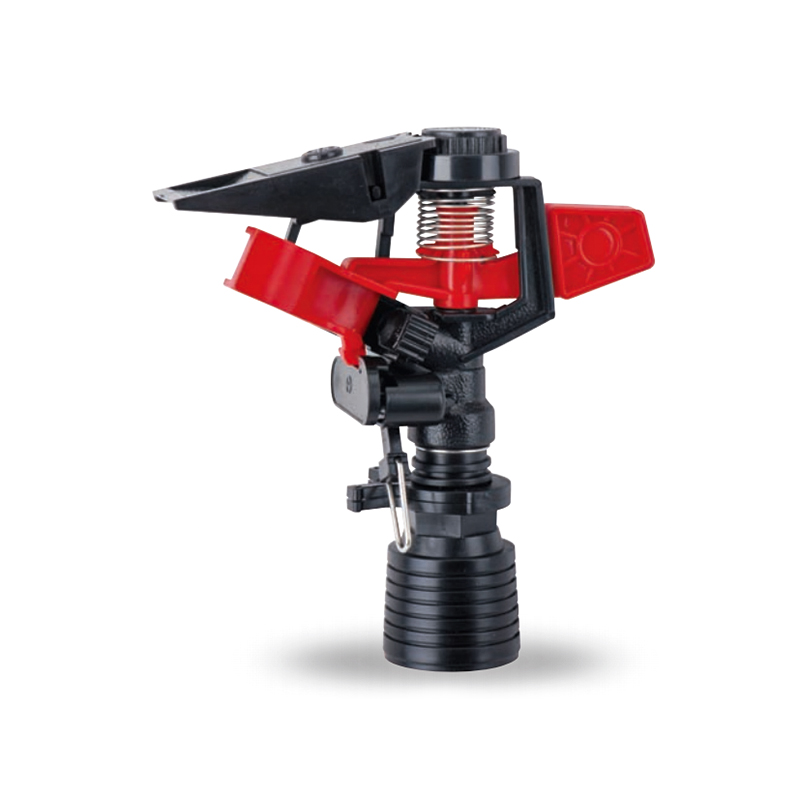
This 360 degree adjustable rocker arm nozzle impact sprinkler is an essential part of an irrigation system designed to meet a wide range of horticultural and agricultural needs. Its flexible adjustmen...
See Details -
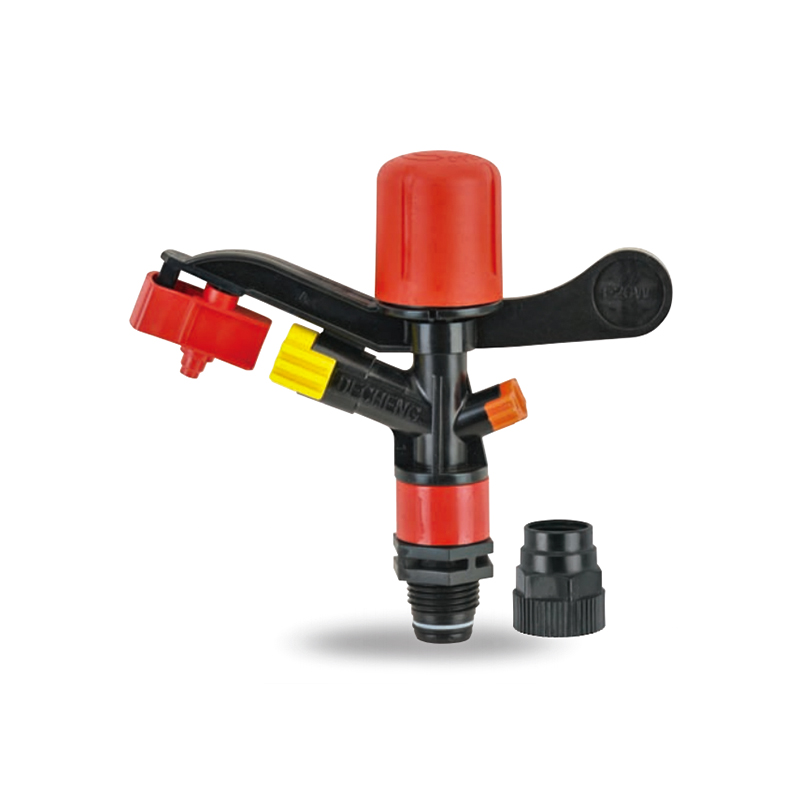
The Plastic Full-Circle Impact Sprinkler Sprayer is a highly efficient full-circle irrigation device designed to provide even moisture coverage. Its lightweight plastic material makes this sprinkler e...
See Details -
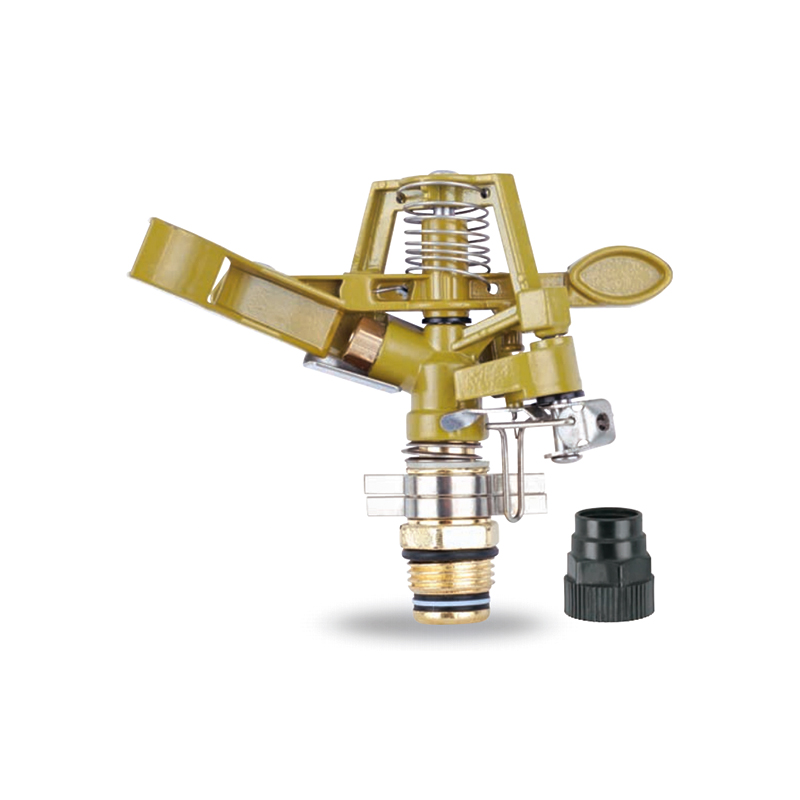
The Irrigation System Adjustable Head Mobile Rotary Zinc Sprinkler is an efficient rotary sprinkler designed for flexible irrigation needs. Its adjustable head allows the user to easily adjust the dir...
See Details -
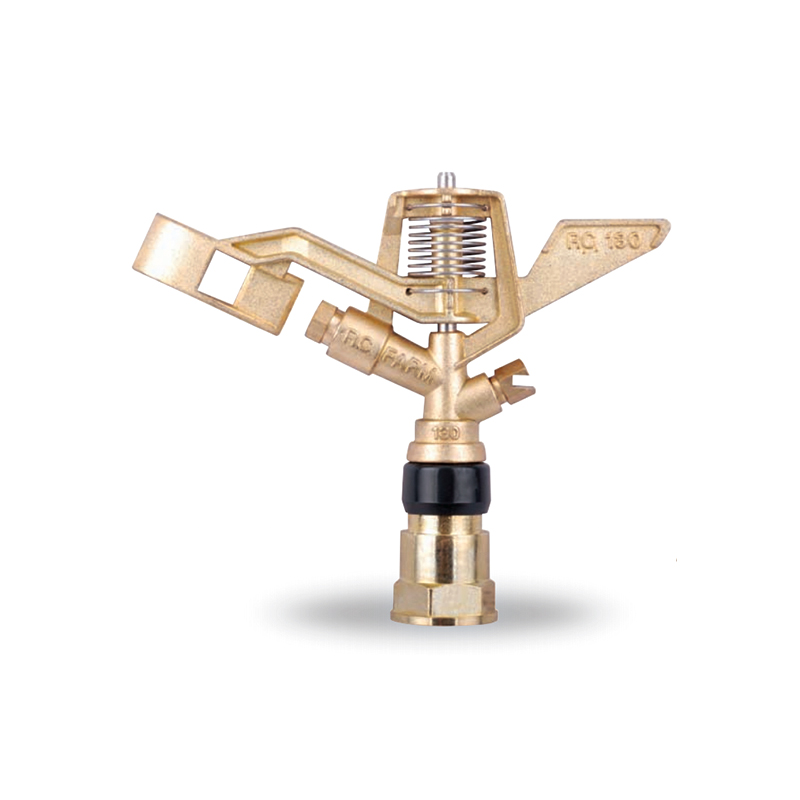
This 3/4” Zinc Alloy Swivel Arm Irrigation Watering System Impact Sprinkler is ideal for agricultural irrigation systems due to its superior durability and corrosion resistance. Its rugged constructio...
See Details -
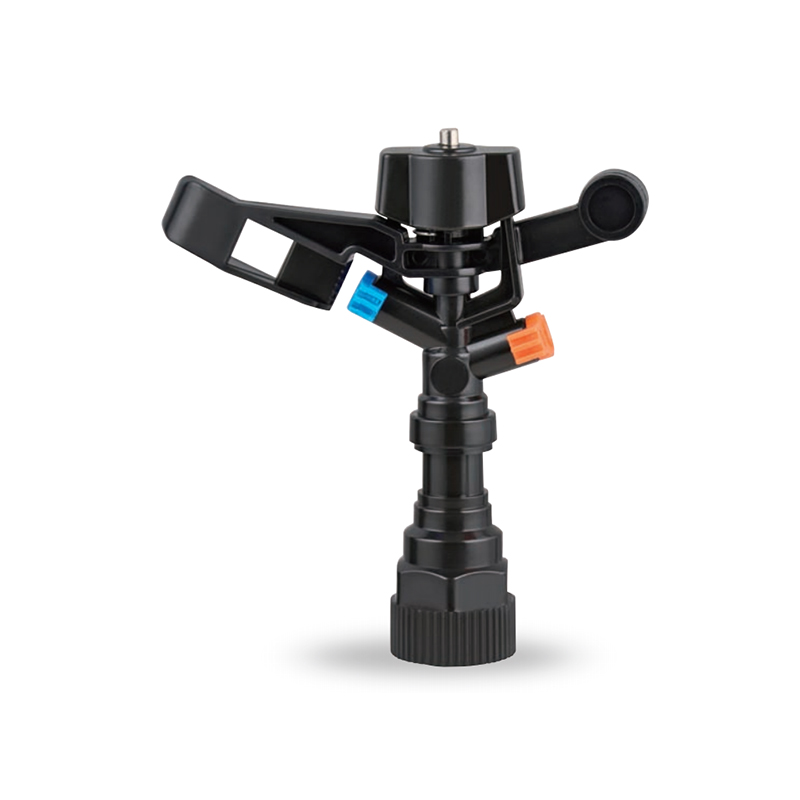
The Double nozzle garden farm impact full-circle sprinkler is well-designed to efficiently and evenly spray water, thus enhancing the quality of crop growth. Whether it's in the home garden or on a la...
See Details -
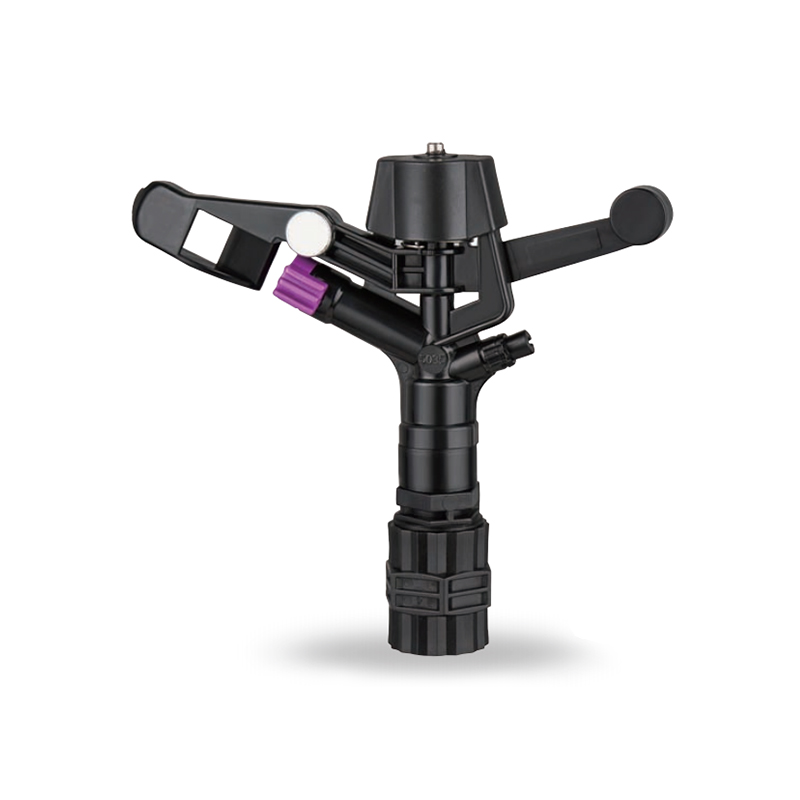
Double nozzle agricultural water plastic impact sprinkler for irrigation sprinkler combines practicality and durability with a dual nozzle system that provides extensive water coverage for a wide rang...
See Details -
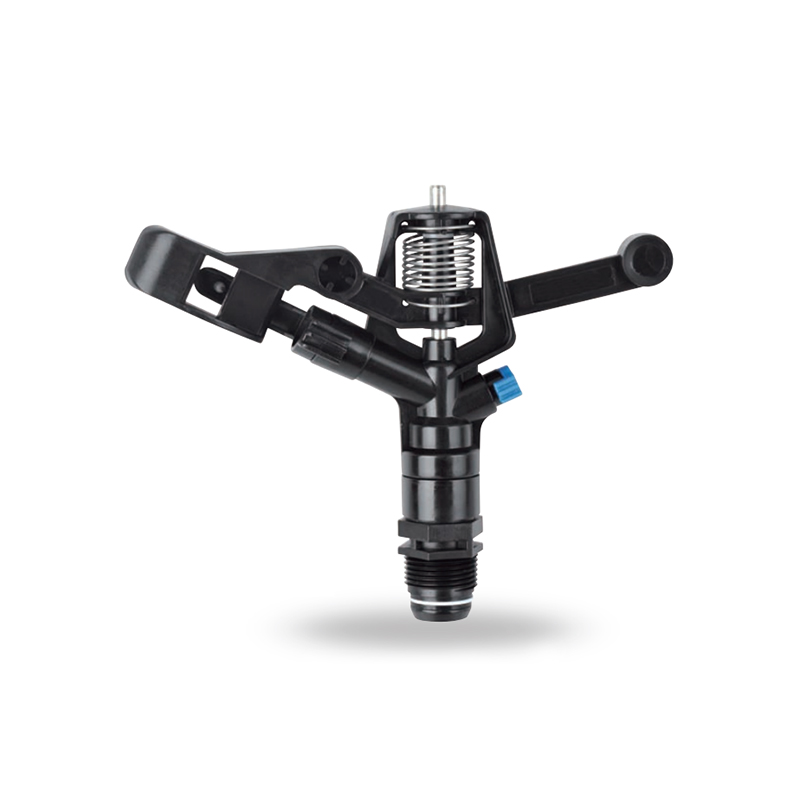
The POM agricultural irrigation sprinkler water impact sprinkler is known for its excellent abrasion resistance and durability, ensuring consistent performance over time. It is designed to increase wa...
See Details -
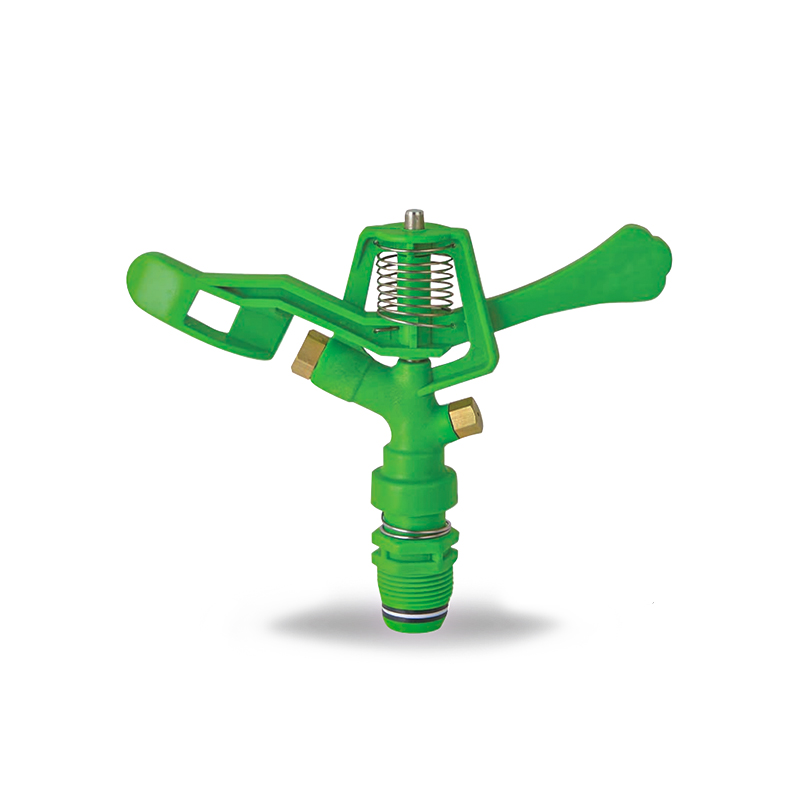
The POM Agricultural Irrigation Sprinkler with Metal Nozzles is a device designed for efficient irrigation, combining premium polyacetal (POM) material with durable metal nozzles to ensure superior sp...
See Details -
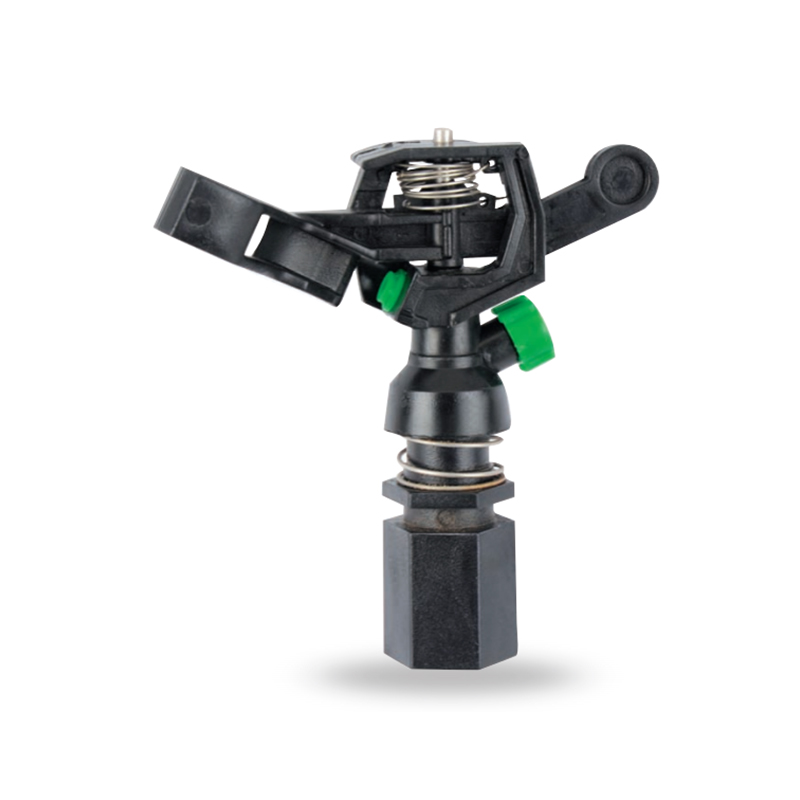
Watering irrigation system 3/4 inch nozzle field Impact Sprinkler is perfect for field irrigation and easily meets the water needs of large crops. Its powerful spray ensures that every nook and cranny...
See Details -
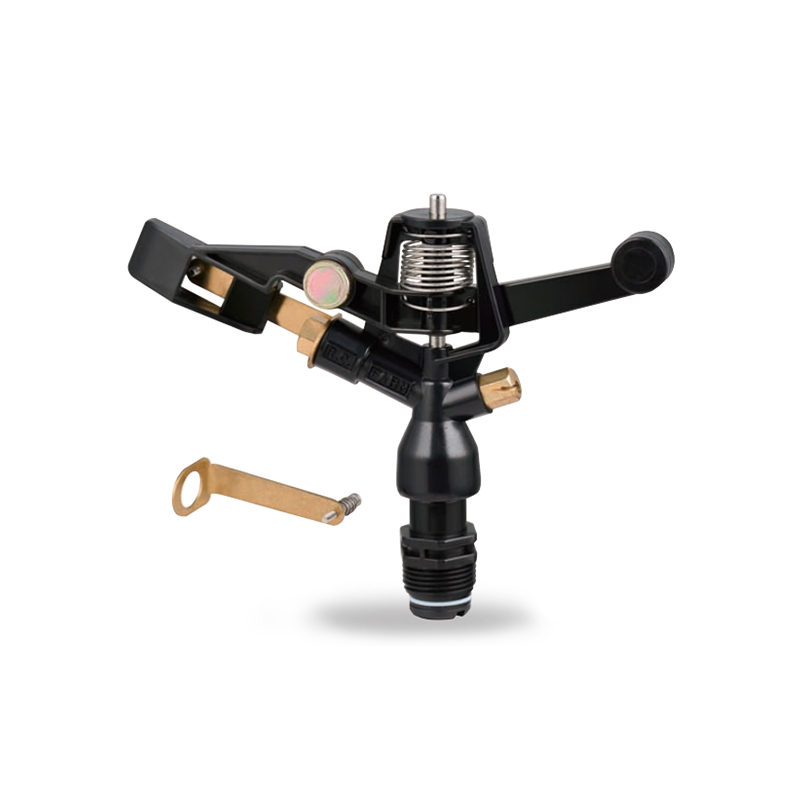
The POM Agricultural Irrigation Sprinkler with Brass Nozzles is an efficient and durable irrigation device designed to meet a wide range of agricultural needs. The sprinkler is made of polyacetal (POM...
See Details -
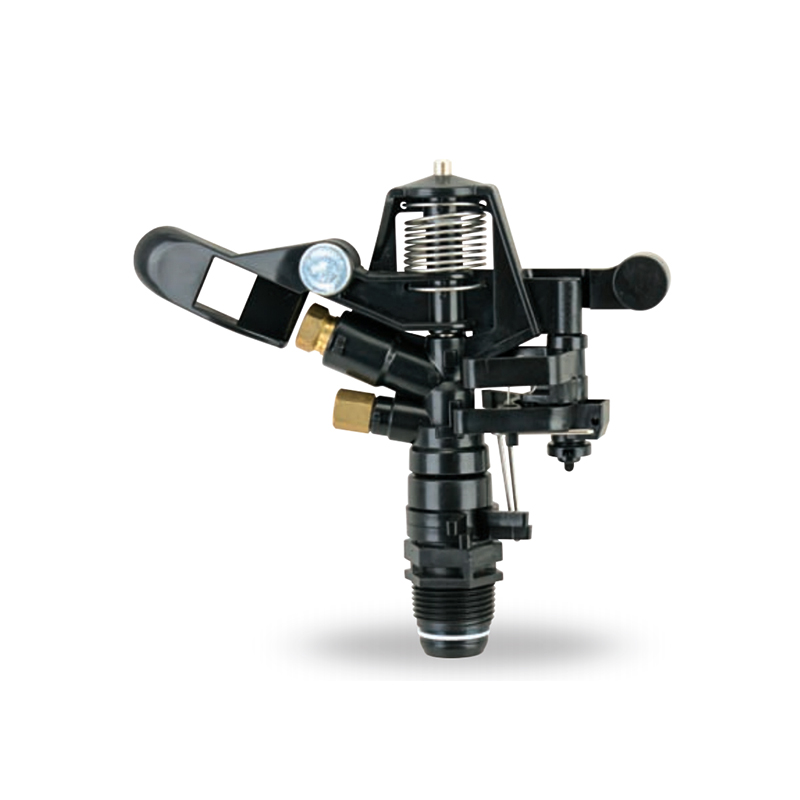
The Double Nozzle Garden Farm Impact Part-Circle Sprinkler is a highly efficient garden irrigation device designed for large planting areas. Its double nozzle design produces a strong, even stream of ...
See Details


PRODUCTS & SERVICES

CONTACT US
 No.518, Ruihao Road, Lizhou Street, Yuyao City, Zhejiang Province, China
 +86-13105554615 / +86-18005843886
 decheng@dcssq.com fredzhu@dcssq.com
 LISA
LISA
 Fred Zhu
Copyright © Ningbo Dewo Irrigation Equipment Co., Ltd. All Rights Reserved. China Agricultural Plastic Sprinkler Manufacturers Wholesale Irrigation Plastic Sprinkler Factory
