

 Search for...
 English
 Español
 中文简体
中文简体How Many GPH Is a Garden Hose? Flow Rate Guide & Chart
Content
- 1 Why Garden Hose Flow Rate Is Usually Measured in GPM, Then Converted to GPH
- 2 Garden Hose Diameter vs. Flow Rate: The Core Numbers
- 3 How to Measure Your Actual Garden Hose GPH at Home
- 4 Matching Garden Hose GPH to a Full Circle Irrigation Sprinkler
- 5 How Hose Material and Construction Affect GPH
- 6 Calculating Weekly and Seasonal Water Use From Hose GPH
- 7 Garden Hose GPH Compared to Drip Irrigation and Soaker Hoses
- 8 Choosing the Right Hose for Your GPH Needs: A Buying Checklist
- 9 Common GPH Problems and How to Fix Them
- 10 Frequently Asked Questions
- 10.1 How many gallons per hour does a standard garden hose put out?
- 10.2 Does a longer hose reduce GPH significantly?
- 10.3 Is a higher GPH always better for watering plants?
- 10.4 How many GPH does a Full Circle Irrigation Sprinkler typically need?
- 10.5 Can I increase my garden hose's GPH without buying a new hose?
- 10.6 What is the difference between GPM and GPH for irrigation planning?
- 10.7 Does hose diameter or water pressure matter more for GPH?
- 10.8 Can two garden hoses connected together maintain the same GPH as one long hose?
- 10.9 How does temperature affect garden hose GPH?
- 10.10 What GPH is needed to run two Full Circle Irrigation Sprinkler heads at once?
- 10.11 Why does my garden hose GPH seem lower than the manufacturer's rated flow?
A standard residential garden hose delivers between 9 and 17 gallons per minute (GPM), which translates to roughly 540 to 1,020 gallons per hour (GPH), when connected to a typical municipal supply running at 40 to 60 PSI. The exact number depends heavily on three variables: hose interior diameter, water pressure at the spigot, and hose length. A common 5/8-inch hose at 50 PSI on a 50-foot length averages close to 17 GPM (about 1,020 GPH), while a narrower 1/2-inch hose under the same conditions drops to around 9 to 10 GPM (540 to 600 GPH). Understanding this number matters because it directly determines how many sprinkler heads, drip lines, or a Full Circle Irrigation Sprinkler unit your hose can reliably power without starving the system of water.
Why Garden Hose Flow Rate Is Usually Measured in GPM, Then Converted to GPH
Manufacturers and irrigation technicians almost always publish flow rate in gallons per minute because that is the unit shown on most residential water meters and pressure gauges. Gallons per hour is simply the GPM figure multiplied by 60, and it becomes the more useful number when you are planning watering schedules, sizing a Full Circle Irrigation Sprinkler zone, or calculating total water use for a billing cycle. A hose flowing at 12 GPM, for example, moves 720 GPH, which is enough to fill a 300-gallon stock tank in under 25 minutes.
Homeowners frequently search for the GPH figure specifically because irrigation timers, smart controllers, and water budgeting tools display consumption in gallons per hour or gallons per cycle rather than gallons per minute. Converting between the two is straightforward, but the underlying flow physics stay the same regardless of which unit is displayed on the label.
Garden Hose Diameter vs. Flow Rate: The Core Numbers
Interior diameter is the single largest factor influencing how many gallons per hour a garden hose can carry. A wider bore reduces friction loss inside the hose wall, allowing significantly more water to pass through in the same amount of time even at identical pressure. The table below summarizes typical output for the three most common consumer hose diameters at a mid-range household pressure of 50 PSI.
| Hose Diameter | Flow Rate (GPM) | Flow Rate (GPH) | Typical Use |
|---|---|---|---|
| 1/2 inch | 9 - 10 GPM | 540 - 600 GPH | Light watering, small pots, patios |
| 5/8 inch | 12 - 17 GPM | 720 - 1,020 GPH | General yard use, most sprinklers |
| 3/4 inch | 20 - 23 GPM | 1,200 - 1,380 GPH | Large gardens, filling tanks, multiple heads |
Notice the jump between 1/2 inch and 3/4 inch hoses: a mere 1/4-inch increase in diameter roughly doubles the flow rate. This happens because water flow through a cylindrical pipe scales with the fourth power of the radius under fixed pressure conditions, a relationship irrigation engineers call the Hagen-Poiseuille effect in laminar flow contexts, though garden hose flow is typically turbulent, which still produces a strong non-linear relationship between diameter and volume.
Water Pressure: The Second Major Variable
Household water pressure in the United States generally ranges from 30 PSI to 80 PSI, with most utilities targeting 50 to 60 PSI at the meter. Every 10 PSI increase in supply pressure adds roughly 1 to 2 GPM to a standard 5/8-inch hose, meaning a home on a 70 PSI municipal line can push notably more GPH through the same hose than a home on a 35 PSI well system.
- Below 30 PSI: sprinklers and Full Circle Irrigation Sprinkler heads often fail to pop up fully or rotate correctly.
- 30 to 50 PSI: acceptable range for most drip systems and low-flow sprinklers.
- 50 to 70 PSI: ideal working range for rotor and impact-style sprinkler heads.
- Above 80 PSI: risk of hose bursting, fitting blowout, and premature washer wear; a pressure regulator is strongly recommended.
A simple bucket test remains the most reliable way to check actual pressure-driven flow at home: time how long it takes to fill a 5-gallon bucket at full spigot flow, then divide 300 by the number of seconds recorded to get GPM, or divide 18,000 by the seconds recorded to get GPH directly.
Hose Length and Friction Loss
Every additional foot of hose introduces friction that slows the water column, which is why a 100-foot hose delivers noticeably less GPH than a 25-foot hose of the identical diameter connected to the same spigot. Industry data compiled by irrigation equipment testing labs shows friction loss accelerates disproportionately once hose length exceeds 75 feet, particularly in 1/2-inch diameter hoses.
| Hose Length | Approximate GPH | Flow Loss vs. 25 ft Hose |
|---|---|---|
| 25 feet | 1,080 GPH | Baseline |
| 50 feet | 1,020 GPH | About 6 percent |
| 75 feet | 930 GPH | About 14 percent |
| 100 feet | 840 GPH | About 22 percent |
Connecting two hoses together compounds this loss further because each coupling joint introduces additional turbulence and a slight internal diameter restriction at the fitting. Using a single continuous hose of the needed length, rather than two shorter hoses joined together, typically preserves 5 to 8 percent more flow.
How to Measure Your Actual Garden Hose GPH at Home
Published averages are useful starting points, but actual household GPH varies with local pressure, hose wear, and fitting condition. The following method takes under five minutes and requires only a bucket and a timer.
- Attach the hose to the spigot and run it out to full length, uncoiled, with no kinks.
- Place a container with a known volume, such as a 5-gallon bucket, at the open end.
- Turn the spigot fully open and start a stopwatch the instant water enters the bucket.
- Stop timing once the bucket reaches the 5-gallon mark and record the seconds elapsed.
- Divide 18,000 by the recorded seconds to calculate GPH, or divide 300 by the seconds to calculate GPM.
Repeat the test twice and average the results, since spigot handles that are not fully open on the first attempt commonly skew the first reading low. Hoses older than five years frequently test 10 to 15 percent below their original rated GPH due to interior mineral scale buildup and rubber degradation at the coupling.
Matching Garden Hose GPH to a Full Circle Irrigation Sprinkler
A Full Circle Irrigation Sprinkler is designed to distribute water across a complete 360-degree pattern rather than the partial arcs used by part-circle rotor heads, which means it generally demands a steadier and slightly higher minimum flow to maintain even coverage across the whole circle without weak spots on one side. Most Full Circle Irrigation Sprinkler models on the market today are rated to operate efficiently between 6 and 12 GPM (360 to 720 GPH) per head, depending on nozzle size and the radius of throw selected.
Because a standard 5/8-inch garden hose supplies up to 1,020 GPH at 50 PSI, it comfortably powers one full circle head at a wide throw setting, or up to two heads running simultaneously at a narrower, lower-flow nozzle configuration. Undersizing the hose relative to the sprinkler's rated demand is one of the most common causes of uneven watering, where the far edge of the circle receives visibly less moisture than the area closest to the riser.
| Sprinkler Demand (GPM) | Sprinkler Demand (GPH) | Minimum Hose Diameter |
|---|---|---|
| Up to 6 GPM | Up to 360 GPH | 1/2 inch acceptable |
| 6 - 9 GPM | 360 - 540 GPH | 5/8 inch recommended |
| 9 - 12 GPM | 540 - 720 GPH | 5/8 inch minimum, 3/4 inch preferred |
| Over 12 GPM | Over 720 GPH | 3/4 inch required |
When running more than one Full Circle Irrigation Sprinkler head from a single hose splitter, add together the GPM ratings of every active head to find total demand, then compare that combined figure against the hose diameter table above rather than sizing the hose to a single head alone.
Full Circle vs. Part Circle vs. Impact Sprinklers: GPH Comparison
Sprinkler type changes flow requirements independently of the hose itself, so it helps to compare a Full Circle Irrigation Sprinkler against the other common residential styles before finalizing a hose and zone layout.
- Full circle rotor heads: 360 - 720 GPH per head, best for open lawns and rectangular beds without corner obstructions.
- Part circle rotor heads (90 to 270 degrees): 180 - 480 GPH per head, suited to corners and borders.
- Impact sprinklers: 300 - 900 GPH depending on nozzle diameter, favored for larger open areas and vegetable gardens.
- Oscillating sprinklers: 180 - 360 GPH, ideal for rectangular lawns under 3,000 square feet.
Because a Full Circle Irrigation Sprinkler covers the widest continuous area per fixed position, it is often the most water-efficient choice per square foot watered, provided the hose supplying it can sustain the higher GPH the full circle pattern needs to keep pressure consistent at every point in the rotation.
How Hose Material and Construction Affect GPH
Diameter and pressure are not the only physical factors at play. The material a hose is made from, the number of internal reinforcement layers, and the smoothness of the interior wall all influence how much friction the water encounters as it travels from spigot to nozzle. Two hoses with identical nominal diameters can still test several percentage points apart in actual GPH once material differences are accounted for.
Vinyl Hoses
Vinyl is the lightest and least expensive common hose material, but its interior wall tends to be slightly rougher than rubber, which introduces marginally more friction loss over long lengths. Vinyl also has the least resistance to kinking, and a single sharp kink can cut GPH by more than half until it is straightened.
Rubber Hoses
Rubber hoses generally hold their internal diameter more consistently under pressure and resist kinking better than vinyl, which helps them sustain closer to their rated GPH even after repeated coiling and uncoiling. This is one reason rubber hoses are favored for connecting directly to a Full Circle Irrigation Sprinkler where consistent, uninterrupted flow across the full rotation matters.
Reinforced and Hybrid Hoses
Hoses with polyester mesh reinforcement between rubber or vinyl layers resist expansion under high pressure, which keeps the effective interior diameter, and therefore the GPH, more stable as pressure rises. Hybrid polymer hoses, a newer category blending rubber-like flexibility with a lighter synthetic shell, typically test within 2 to 4 percent of rated GPH even after several seasons of outdoor UV exposure, outperforming basic vinyl hoses left in similar conditions.
| Material | New Hose GPH | After 1 Season |
|---|---|---|
| Vinyl | 1,020 GPH | Approximately 900 GPH |
| Rubber | 1,020 GPH | Approximately 970 GPH |
| Reinforced Hybrid | 1,020 GPH | Approximately 985 GPH |
Calculating Weekly and Seasonal Water Use From Hose GPH
Once actual GPH is known, translating that figure into a watering budget becomes simple arithmetic that helps avoid both under-watering and wasteful overuse. Most lawns need approximately 1 to 1.5 inches of water per week during the growing season, which for an average 2,000 square foot lawn works out to roughly 1,250 to 1,875 gallons per week when applied evenly.
Using a hose delivering 1,020 GPH connected to a single Full Circle Irrigation Sprinkler head covering that same 2,000 square foot area, reaching 1,500 gallons for the week requires close to 90 minutes of total run time, which is typically split across two or three shorter sessions rather than one long cycle to reduce runoff on sloped or compacted soil.
| Lawn Area | Weekly Target | Approx. Run Time |
|---|---|---|
| 1,000 sq ft | 625 - 935 gallons | 37 - 55 minutes |
| 2,000 sq ft | 1,250 - 1,875 gallons | 74 - 110 minutes |
| 4,000 sq ft | 2,500 - 3,750 gallons | 147 - 220 minutes |
These figures assume constant GPH throughout the session, but real-world flow tends to dip slightly if other fixtures inside the home draw water simultaneously, so it is worth avoiding running a washing machine or dishwasher during a timed irrigation cycle if precise volume matters.
Regional Water Pressure Differences and What They Mean for GPH
Municipal water pressure is not uniform across the country, and homes at different elevations relative to a water tower or pumping station can see meaningfully different baseline PSI, which in turn shifts expected GPH even with identical hose hardware. Homes near the base of a hill, close to a water tower, or on a newer high-pressure municipal loop often report pressures at the higher end of the 60 to 80 PSI range, while homes on private wells or at the far end of a rural distribution line frequently sit closer to 30 to 45 PSI.
- Coastal and low-elevation suburbs: often 55 to 75 PSI, supporting strong GPH with standard hoses.
- Hillside and elevated properties: frequently 35 to 50 PSI due to gravity loss over elevation gain.
- Private well systems: commonly regulated to 40 to 60 PSI by the pressure tank switch, though output can dip during peak simultaneous household use.
- Older cast iron municipal mains: sometimes restrict peak flow due to internal corrosion narrowing the effective pipe diameter over decades of service.
Anyone unsure of their home's baseline pressure can check with a simple screw-on pressure gauge attached directly to an outdoor spigot, available at most hardware stores, which gives a direct PSI reading in seconds and removes the guesswork from GPH planning.
Garden Hose GPH Compared to Drip Irrigation and Soaker Hoses
Not every watering task calls for the highest possible GPH. Drip irrigation emitters, by design, operate at a tiny fraction of standard hose flow, typically between 0.5 and 4 GPH per individual emitter, because the goal is slow, targeted moisture delivery directly at the root zone rather than broad surface coverage. Soaker hoses sit in between, releasing water gradually along their entire length at roughly 60 to 200 GPH per 50-foot section depending on porosity and included pressure regulation.
| Watering Method | Typical GPH | Best Suited For |
|---|---|---|
| Standard garden hose | 540 - 1,380 GPH | Hand watering, filling containers, feeding sprinklers |
| Full Circle Irrigation Sprinkler | 360 - 720 GPH per head | Open lawns, wide beds without obstructions |
| Soaker hose | 60 - 200 GPH per 50 ft | Garden rows, foundation plantings |
| Drip emitter | 0.5 - 4 GPH per emitter | Potted plants, raised beds, individual shrubs |
A practical takeaway is that a single garden hose supplying 1,020 GPH is more than capable of running a Full Circle Irrigation Sprinkler and, through a splitter with individual shutoff valves, simultaneously feeding a drip line for a nearby vegetable bed, since the drip line's total draw rarely exceeds a small fraction of the hose's available capacity.
Common GPH Problems and How to Fix Them
Weak Flow at the Far End of the Hose
This typically signals a hose diameter that is too narrow for the length being used, a partially closed spigot valve, or mineral buildup inside an older hose. Switching to a 3/4-inch hose or shortening the run usually restores expected GPH within a single test.
Sprinkler Head Not Reaching Full Radius
Insufficient GPH reaching the head is the most frequent cause, closely followed by a clogged nozzle screen. Clean the nozzle filter first, since this fixes the issue in a large share of cases before any hose upgrade is needed.
Sudden Drop in Flow After Months of Normal Use
Check for a kink near the spigot connection, a worn rubber washer causing a slow leak at the coupling, or sediment collecting at the hose bib strainer if the home uses well water. Well water systems with iron or calcium content lose GPH capacity faster than municipal-supplied hoses and benefit from an inline filter.
Frequently Asked Questions
How many gallons per hour does a standard garden hose put out?
A standard 5/8-inch garden hose at typical household pressure of 50 PSI puts out approximately 1,020 GPH over a 50-foot length, while a narrower 1/2-inch hose under the same conditions delivers closer to 540 to 600 GPH.
Does a longer hose reduce GPH significantly?
Yes, though moderately. Extending a 5/8-inch hose from 25 feet to 100 feet reduces flow by roughly 22 percent due to accumulated internal friction, so very long runs benefit from a wider diameter to offset the loss.
Is a higher GPH always better for watering plants?
Not necessarily. Many plants and drip systems are designed for slow, controlled application, and excessive GPH can cause runoff or soil erosion rather than deeper root absorption. Matching flow to the specific sprinkler or drip emitter rating produces better results than maximizing raw GPH.
How many GPH does a Full Circle Irrigation Sprinkler typically need?
Most Full Circle Irrigation Sprinkler heads operate efficiently between 360 and 720 GPH, with exact demand depending on the nozzle size and radius setting chosen for the specific zone being watered.
Can I increase my garden hose's GPH without buying a new hose?
Ensuring the spigot valve is fully open, removing any kinks, cleaning mineral deposits from the nozzle and coupling threads, and avoiding unnecessary joined hose sections can each recover several percent of lost flow without replacing the hose itself.
What is the difference between GPM and GPH for irrigation planning?
GPM measures flow per minute and is the figure most pressure gauges and manufacturers display, while GPH is simply that number multiplied by 60. Irrigation controllers and water budgets more commonly use GPH because watering cycles are usually planned in fractions of an hour rather than single minutes.
Does hose diameter or water pressure matter more for GPH?
Both matter, but diameter typically has the larger effect because flow scales sharply with the interior bore size, while pressure changes tend to produce a more modest, roughly linear adjustment to flow within the normal household range of 30 to 80 PSI.
Can two garden hoses connected together maintain the same GPH as one long hose?
No, joining two hoses together generally reduces GPH slightly compared to a single continuous hose of the same total length, because each coupling adds a small amount of turbulence and a minor restriction at the connection point.
How does temperature affect garden hose GPH?
Cold water is marginally denser and slightly more viscous than warm water, which can produce a very small reduction in flow rate in cold conditions, though the effect is minor compared to diameter, pressure, and length and rarely needs to be factored into everyday watering calculations.
What GPH is needed to run two Full Circle Irrigation Sprinkler heads at once?
Add the individual GPM ratings of both heads together and convert to GPH by multiplying by 60. Two heads each rated at 8 GPM require a combined 960 GPH, which calls for at least a 5/8-inch hose and, ideally, a 3/4-inch hose to maintain full pressure at both heads simultaneously.
Why does my garden hose GPH seem lower than the manufacturer's rated flow?
Rated flow figures are usually measured under laboratory conditions at a specific reference pressure, often 60 PSI, with a brand-new hose and no fittings attached. Real-world household pressure, hose age, and any sprinkler or nozzle attachment restricting the outlet will all typically bring actual GPH below the manufacturer's published maximum.
Prev:How to Create an Irrigation System: Planning, Sizing & Setup GuideNext:How to Set an Oscillating Sprinkler: Complete Setup Guide
Related products
-
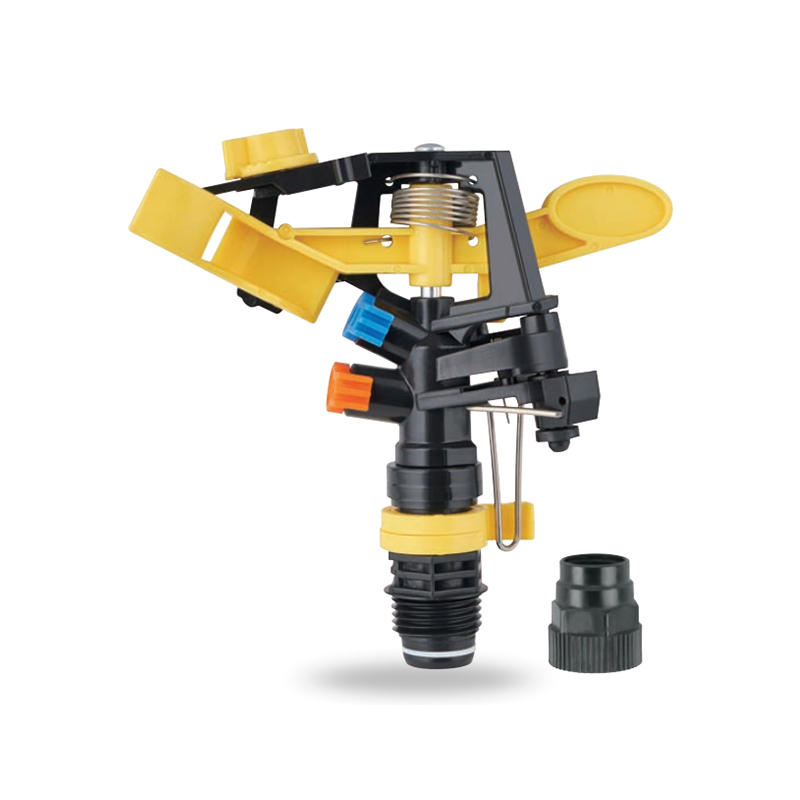
Impact sprinkler for agricultural irrigation is a common and efficient agricultural irrigation tool designed for large areas of farmland. Its unique structure can evenly cover a large area by rotating...
See Details -
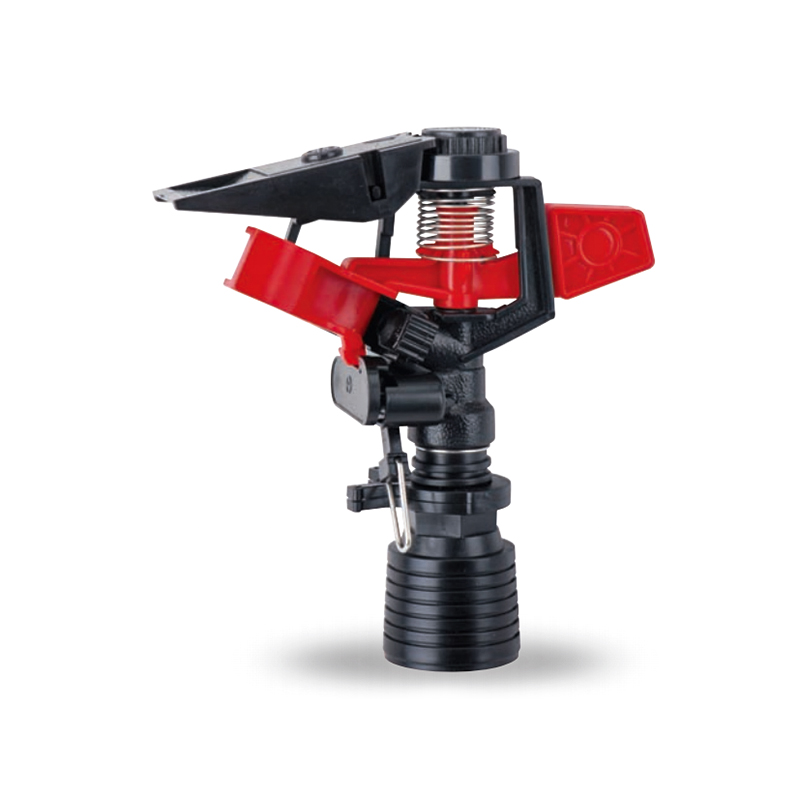
This 360 degree adjustable rocker arm nozzle impact sprinkler is an essential part of an irrigation system designed to meet a wide range of horticultural and agricultural needs. Its flexible adjustmen...
See Details -
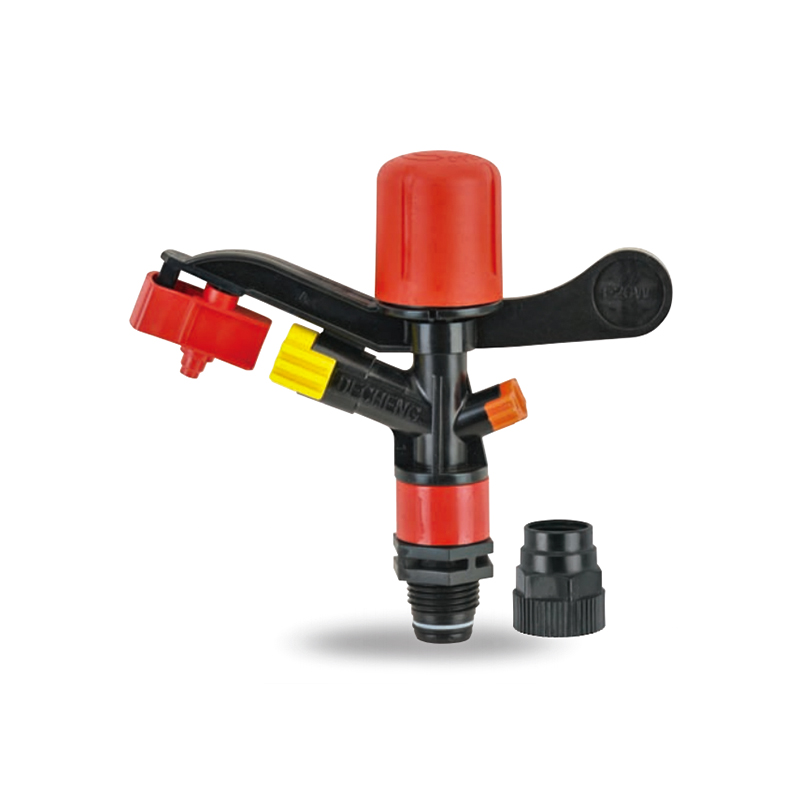
The Plastic Full-Circle Impact Sprinkler Sprayer is a highly efficient full-circle irrigation device designed to provide even moisture coverage. Its lightweight plastic material makes this sprinkler e...
See Details -
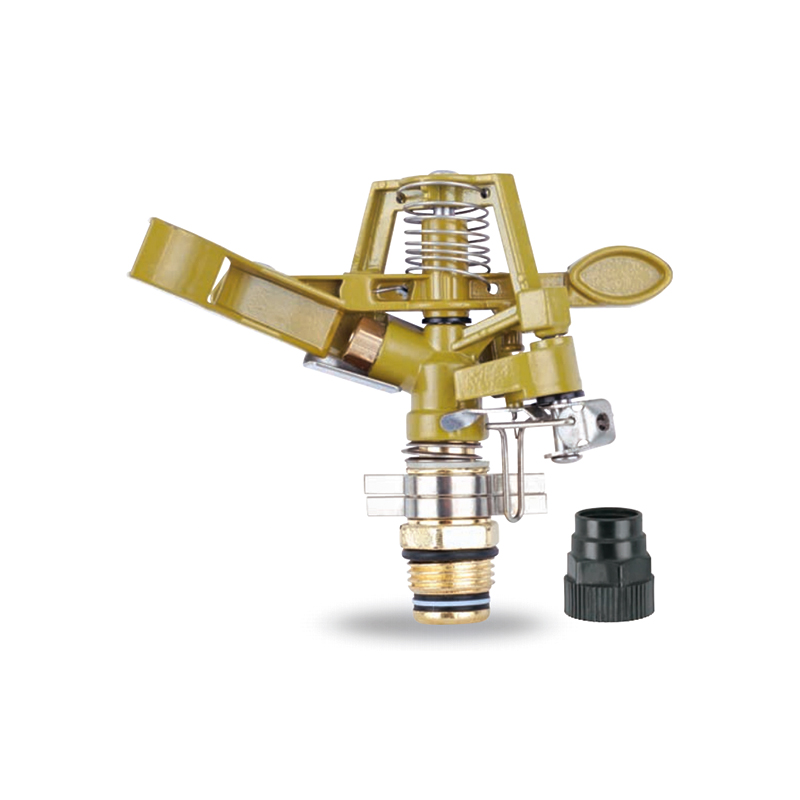
The Irrigation System Adjustable Head Mobile Rotary Zinc Sprinkler is an efficient rotary sprinkler designed for flexible irrigation needs. Its adjustable head allows the user to easily adjust the dir...
See Details -
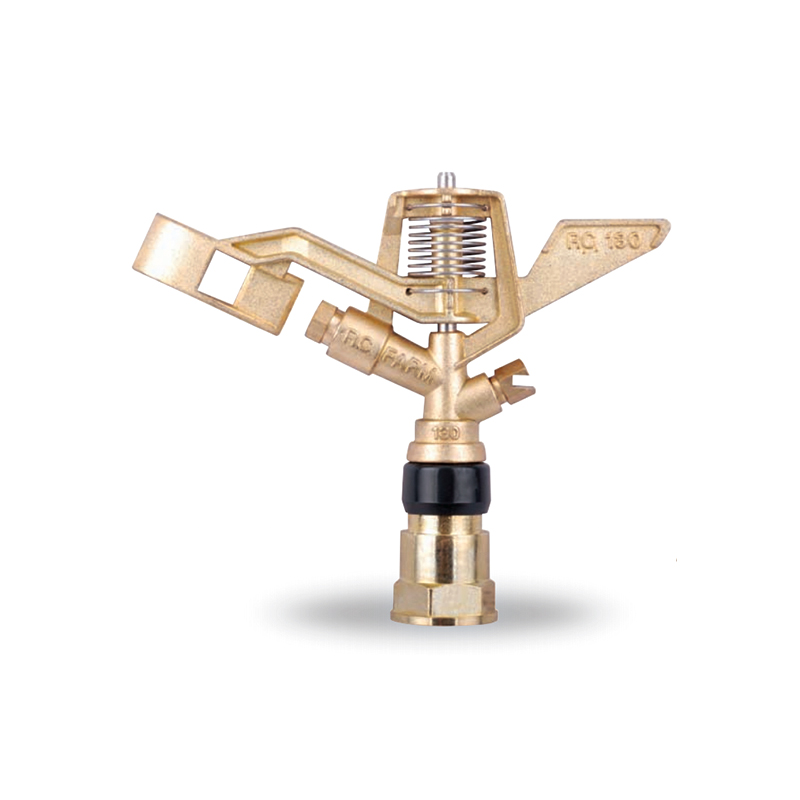
This 3/4” Zinc Alloy Swivel Arm Irrigation Watering System Impact Sprinkler is ideal for agricultural irrigation systems due to its superior durability and corrosion resistance. Its rugged constructio...
See Details -
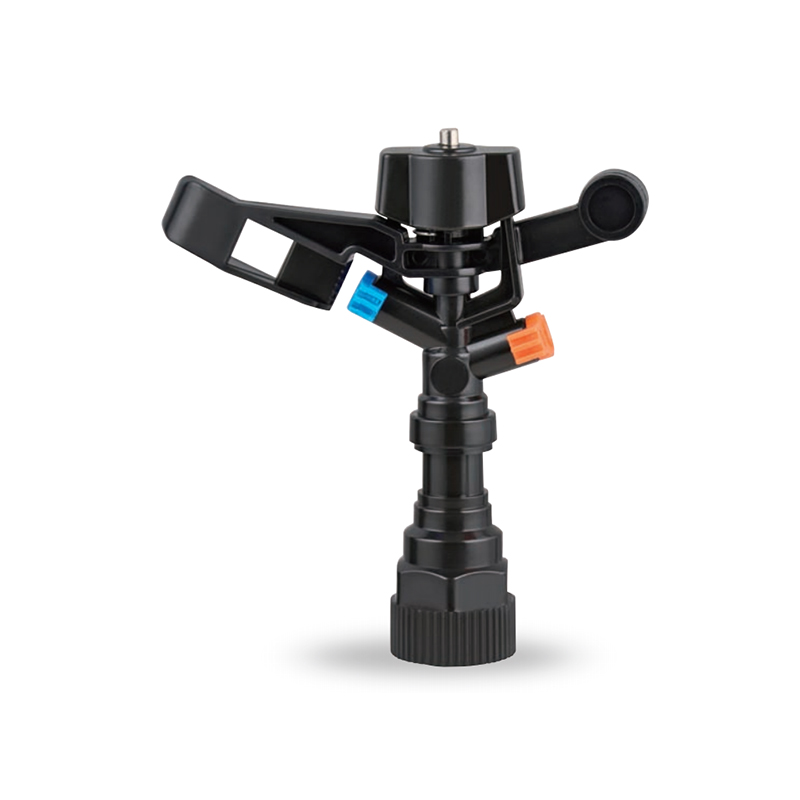
The Double nozzle garden farm impact full-circle sprinkler is well-designed to efficiently and evenly spray water, thus enhancing the quality of crop growth. Whether it's in the home garden or on a la...
See Details -
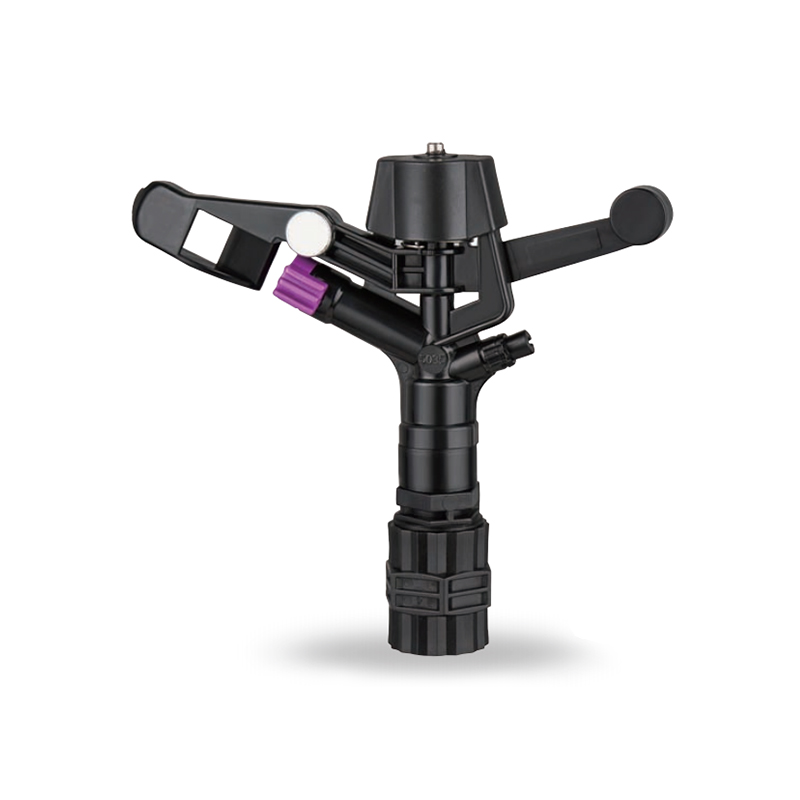
Double nozzle agricultural water plastic impact sprinkler for irrigation sprinkler combines practicality and durability with a dual nozzle system that provides extensive water coverage for a wide rang...
See Details -
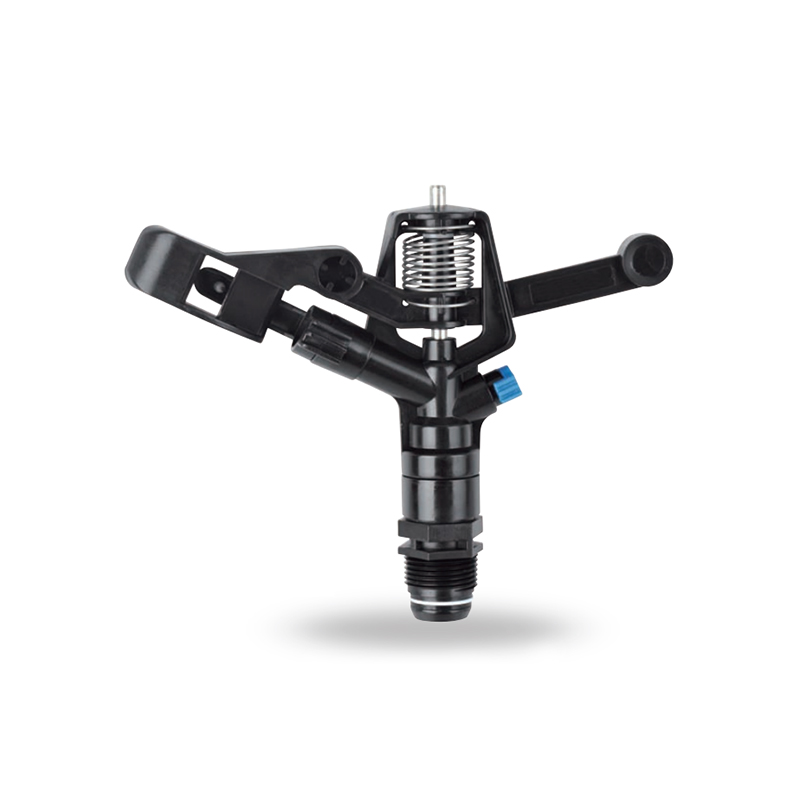
The POM agricultural irrigation sprinkler water impact sprinkler is known for its excellent abrasion resistance and durability, ensuring consistent performance over time. It is designed to increase wa...
See Details -
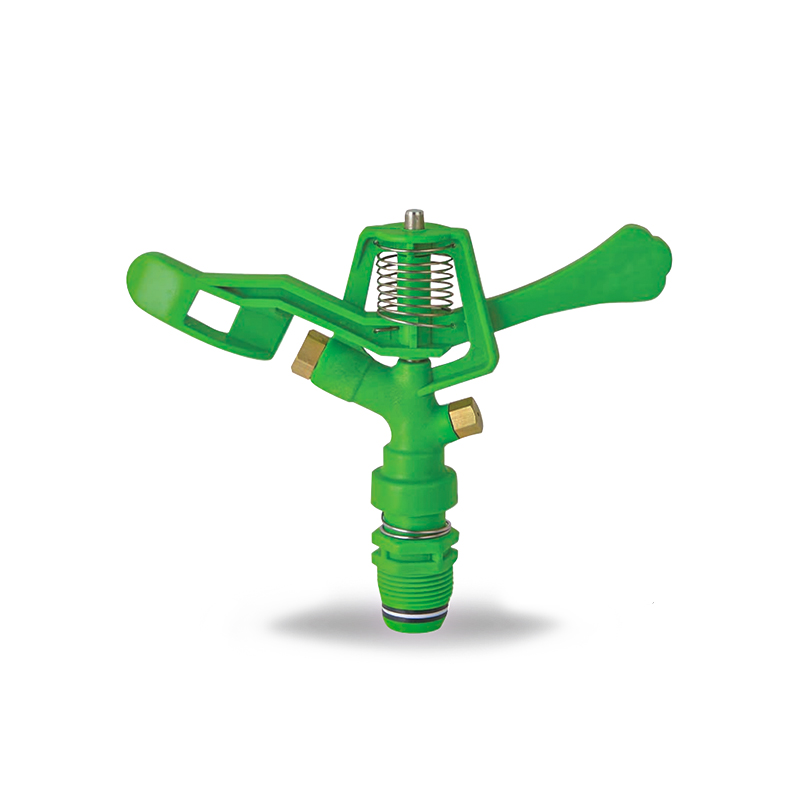
The POM Agricultural Irrigation Sprinkler with Metal Nozzles is a device designed for efficient irrigation, combining premium polyacetal (POM) material with durable metal nozzles to ensure superior sp...
See Details -
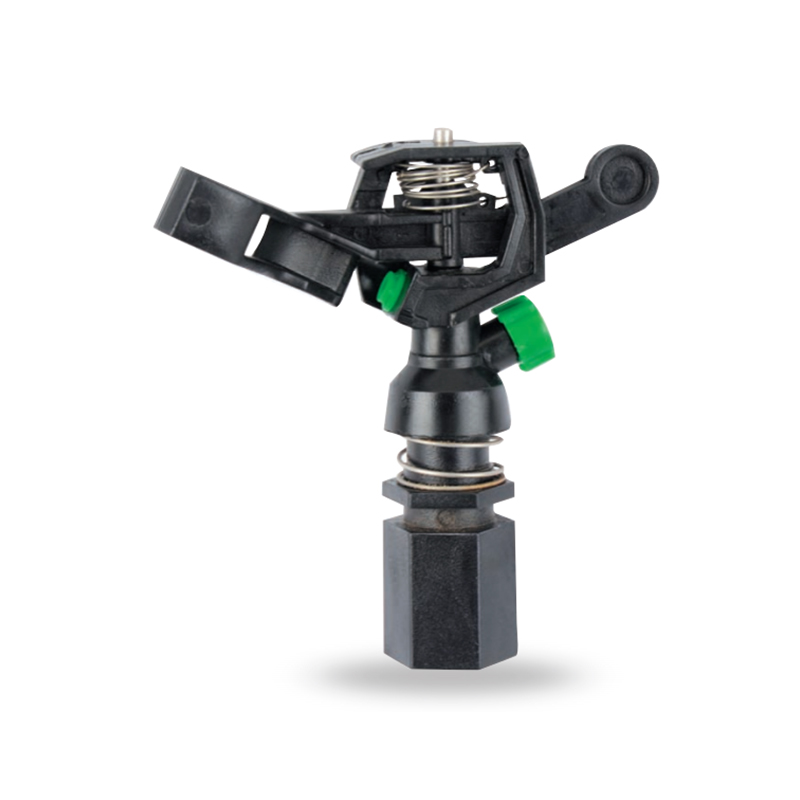
Watering irrigation system 3/4 inch nozzle field Impact Sprinkler is perfect for field irrigation and easily meets the water needs of large crops. Its powerful spray ensures that every nook and cranny...
See Details -
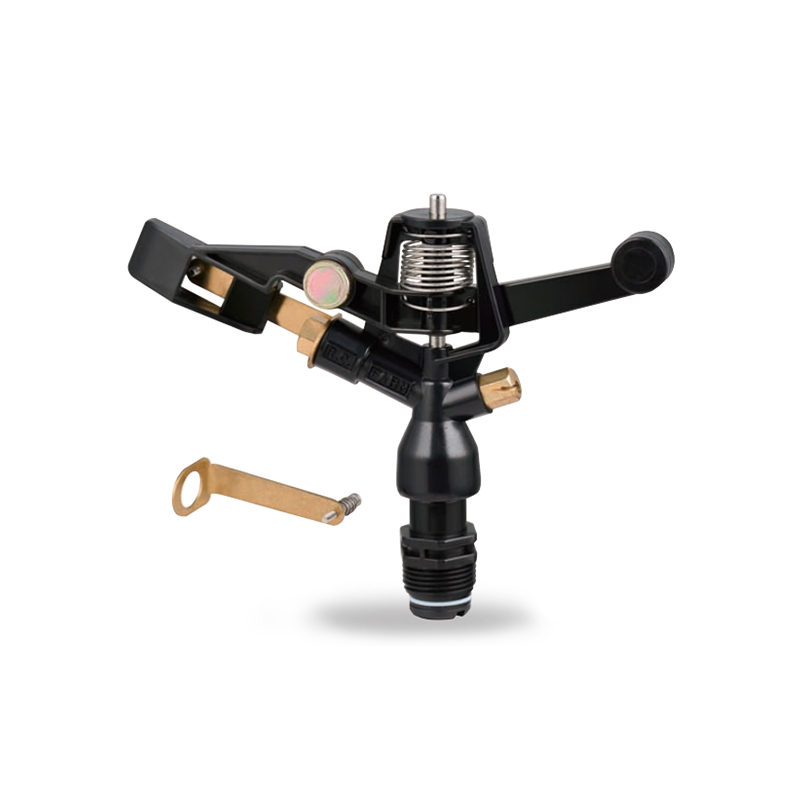
The POM Agricultural Irrigation Sprinkler with Brass Nozzles is an efficient and durable irrigation device designed to meet a wide range of agricultural needs. The sprinkler is made of polyacetal (POM...
See Details -
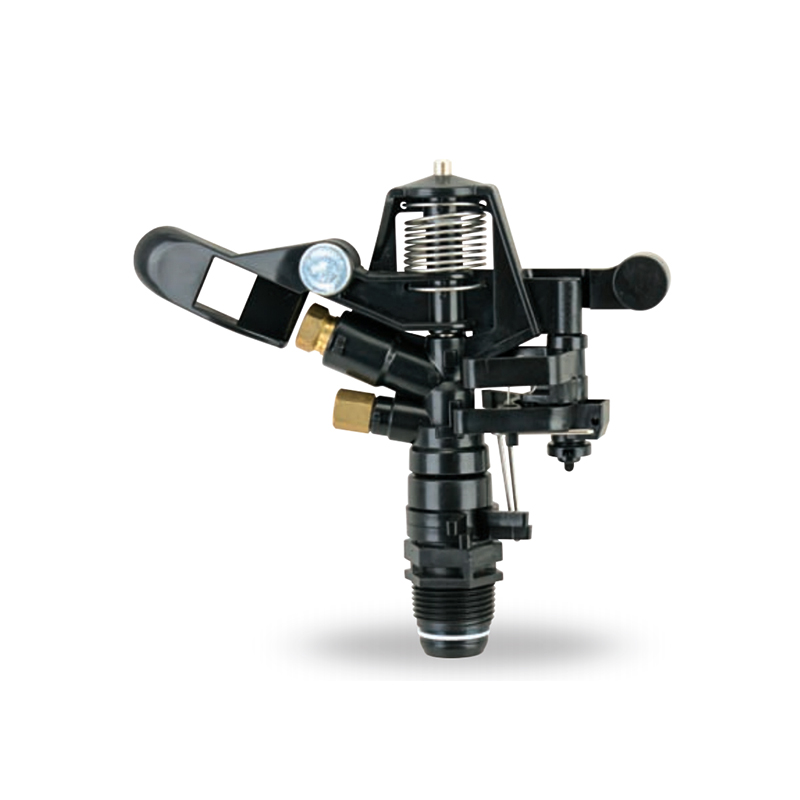
The Double Nozzle Garden Farm Impact Part-Circle Sprinkler is a highly efficient garden irrigation device designed for large planting areas. Its double nozzle design produces a strong, even stream of ...
See Details


PRODUCTS & SERVICES

CONTACT US
 No.518, Ruihao Road, Lizhou Street, Yuyao City, Zhejiang Province, China
 +86-13105554615 / +86-18005843886
 decheng@dcssq.com fredzhu@dcssq.com
 LISA
LISA
 Fred Zhu
Copyright © Ningbo Dewo Irrigation Equipment Co., Ltd. All Rights Reserved. China Agricultural Plastic Sprinkler Manufacturers Wholesale Irrigation Plastic Sprinkler Factory
