

 Search for...
 English
 Español
 中文简体
中文简体How to Choose Sprinkler Heads: A Practical Guide for Farms, Gardens & Landscapes
Content
- 1 The One-Minute Answer to Choosing Sprinkler Heads
- 2 Step 1: Measure Pressure, Flow, and Zone Dimensions
- 3 Sprinkler Head Types and Where Each One Fits
- 4 Impact Sprinklers: What to Check Before You Specify One
- 5 Pop-Up and Mid-Range Heads for Lawns and Landscapes
- 6 When to Choose Drip or Micro Instead of a Sprinkler
- 7 Layout Rules That Eliminate Dry Patches and Overspray
- 8 Soil, Slope, and Wind: Site Conditions That Change the Answer
- 9 Six Common Buying Mistakes to Avoid
- 10 Frequently Asked Questions
- 10.1 How many sprinkler heads can I run on one zone?
- 10.2 What PSI do I need for an impact sprinkler?
- 10.3 Can I mix pop-up and impact heads on the same line?
- 10.4 Full-circle or part-circle heads for a rectangular field?
- 10.5 Do I need a filter for a drip or micro system?
- 10.6 How often should sprinkler heads be replaced?
- 11 Final Recommendation
The One-Minute Answer to Choosing Sprinkler Heads
You do not choose a sprinkler head because it looks impressive on a shelf. You choose it because its throw distance, flow rate, and droplet character match your water supply, the shape of your plot, and the plants you are watering. A 50-foot impact stream is wasted on a 12-foot-wide lawn strip, while a pop-up spray fan cannot cover a 3-acre field without dozens of extra heads and an oversized pump.
For most buyers, the correct answer is direct: impact sprinkler heads for large, open fields and orchards; pop-up and mid-range heads for lawns, beds, and landscape zones; micro-sprinklers and misters for seedbeds and greenhouses; and drippers for row crops, slopes, and individual plants. Before you buy a single unit, capture three numbers from the site: static water pressure (PSI), available flow (GPM or litres per minute), and the length and width of each watering zone.
One rule beats every other tip in this guide: the cheapest head is more expensive than the right head. A correctly selected unit covers its area evenly and needs few adjustments; a wrongly selected one creates dry patches, flooded soil, and an afternoon spent swapping nozzles.
- Large open field with long-range spray: choose an impact sprinkler.
- Lawn or public space that must stay clean after use: choose a pop-up head.
- Flower beds and shrubs needing a soft medium-range spray: choose a mid-range or Meganet head.
- Seedbeds, nurseries, or cooling mist: choose a micro-sprinkler or fogger.
- Vegetables, fruit trees, or slopes where water should go directly to the roots: choose a dripper.
Step 1: Measure Pressure, Flow, and Zone Dimensions
Every selection starts with what your tap, well, or pump can physically deliver. Skipping this step is the most common cause of poor coverage, and it is also the easiest step to fix. Collect these three measurements before you open any product page.
Static Pressure (PSI)
Attach a pressure gauge to the hydrant or valve you plan to use, with all other outlets closed, and write down the reading. Private well systems usually sit between 30 and 50 PSI; municipal supplies often deliver 50 to 70 PSI; agricultural pump sets commonly run from 40 to 90 PSI. If the reading falls below 25 PSI, most sprinkler heads will not reach their rated throw, so you need either a smaller head or a pump upgrade.
Flow Rate (GPM or L/min)
Open the same valve fully and collect one minute of water in a bucket or pass it through a flow meter. This figure decides how many heads can run at the same time, because every head on one valve shares the same supply. A 12-GPM supply supports three heads at 4 GPM each, but only two heads at 6 GPM each.
Zone Dimensions
Measure the length and width of every area you plan to irrigate, including the diagonal. The diagonal matters because a head placed at a corner needs to reach the opposite corner of its square, which is roughly 1.4 times the side length.
| Parameter | How to measure at the site | Typical working range | What the value decides |
|---|---|---|---|
| Static pressure | Pressure gauge on the valve, no flow | 25–90 PSI (1.7–6.2 bar) | Head type and throw distance |
| Available flow | Bucket or meter test for one minute | 3–20 GPM for most zones | Number of heads per zone |
| Zone size | Measuring tape or measuring wheel | 10–500 ft per zone length | Required throw and head count |
| Pressure loss | Gauge at the head vs at the source | 2–10 PSI loss through pipe and valves | Final nozzle performance |
Sprinkler Head Types and Where Each One Fits
With pressure, flow, and dimensions in hand, you can match them against the main head families. The table below is a practical overview; the exact numbers change slightly with each model, so treat it as a shortlist rather than a final specification.
| Head family | Typical throw | Typical flow per head | Droplet character | Best suited for |
|---|---|---|---|---|
| Impact sprinkler | 20–60 ft (6–18 m) | 2–12 GPM | Large, heavy droplets | Fields, orchards, large lawns, sports grounds |
| Mid-range / Meganet | 10–30 ft (3–9 m) | 1–5 GPM | Medium to fine | Flower beds, shrubs, greenhouses |
| Pop-up sprinkler | 8–16 ft (2.5–5 m) | 1–4 GPM | Fine to medium | Lawns, parks, landscape beds |
| Micro-sprinkler / fogger | 3–12 ft (1–3.5 m) | 0.1–1 GPM | Very fine mist | Seedbeds, nurseries, cooling |
| Dripper / PC dripper | Root-zone only | 0.5–4 GPH | No spray, direct drip | Row crops, slopes, shrubs, individual plants |
Three conclusions follow directly from this table. First, throw distance sets the upper bound of the area one head can serve. Second, droplet character decides whether a head is safe for delicate plants or exposed soil. Third, flow per head decides how many heads your existing pipe and valve can support. Keep these three variables in mind when you compare models.
Impact Sprinklers: What to Check Before You Specify One
Impact heads, also called rotary impact or impulse heads, form the backbone of most field irrigation systems. The mechanism is simple: a spring-loaded arm strikes the water stream, the arm pushes the body a fraction of a turn, and the cycle repeats, distributing water across a circle or arc. Impact heads handle dirty water better than gear-driven rotors, tolerate field knocks, and can usually be repaired with a pair of wrenches. For large open areas they remain the most dependable and economical option.
Full-Circle vs Part-Circle
In an open field, interior heads work best as full-circle units. At edges and corners, part-circle heads spray only 90 or 180 degrees so you are not watering the fence, the road, or the neighbouring building. On a rectangular plot the typical layout is a row of full-circle heads down the middle and part-circle heads along the perimeter. Spacing should follow the head-to-head rule described later in this guide.
Nozzle Quantity and Material
Single-nozzle heads are the easiest to service. Multi-nozzle heads raise flow and reach but require matched nozzle sizes for an even distribution. Nozzle material deserves attention: brass resists abrasion from sand and silt but costs more; POM and PP nozzles are economical and perfectly adequate with clean water. For the body, zinc alloy survives rough field handling, while POM and PP versions are lighter and cheaper.
Pressure and Spacing
Most impact heads in this class need 30 to 60 PSI at the head. Below roughly 25 PSI the stream shortens and the pattern hollows out, leaving dry soil near the riser. Space heads so streams overlap by about 50 percent of the throw diameter; for a head with a 90-foot diameter, that means head spacing of roughly 40 to 60 feet, depending on wind and soil type. Many three- and four-nozzle agricultural models tolerate wider spacing because they distribute water more evenly near the middle of the pattern.
If your project is a large crop area, an agricultural impact sprinkler with a rotary rain-gun spray pattern is a good first candidate to evaluate, because it offers long throw combined with a durable body and replaceable nozzles. For a deeper look at how this design family saves water on big fields, read why the impact sprinkler design plays a central role in water-saving irrigation.
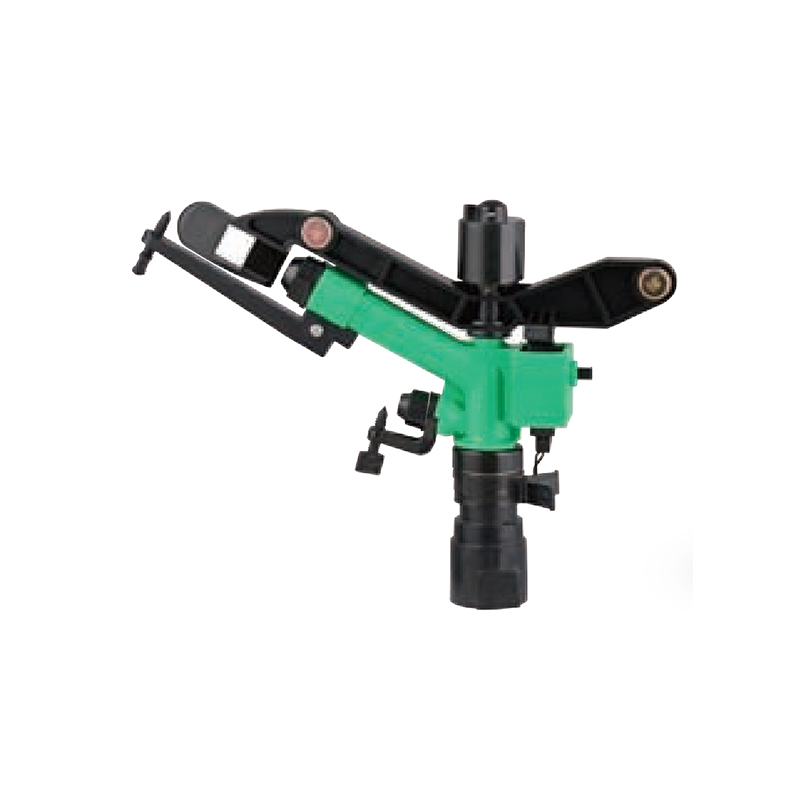 Custom DC-S50 Agricultural Impact Sprinklers Irrigation Rotary Watering Rain GunNingbo Dewo Irrigation Equipment Co., Ltd is China custom DC-S50 Agricultural Impact Sprinklers Irrigation Rotary Watering Rain Gun Sprin...View Product →
Pop-Up and Mid-Range Heads for Lawns and Landscapes
Where appearance matters, or where an exposed head would block mowing or walking, pop-up bodies and mid-range sprayers are the right call.
Pop-Up Sprinkler Heads
With the system off, the body of a pop-up head sits flush with the lawn. When water enters, the stem rises and the head sprays; when the water stops, the stem retracts. This makes pop-ups the default choice for home lawns, public parks, and any area where a permanent head sticking out of the grass would be unacceptable. They suit small-to-medium zones in the 8-to-16-foot throw class. Two details matter: riser height, because short risers work for fine grass while taller risers clear ornamental grasses and ground cover, and arc adjustment, because most pop-up heads allow a partial circle instead of a full one.
Mid-Range and Meganet Heads
Between the small pop-up fan and the heavy field impact head sits the mid-range family, often labelled Meganet or mist mid-range. These units throw roughly 10 to 30 feet and produce a medium-to-fine droplet cloud. They are the preferred answer for flower beds, shrub lines, greenhouse benches, and vegetable blocks where a hard impact stream would beat down young leaves or splash soil onto the crop.
For a lawn zone that must stay clean and unobtrusive, a pop-up sprinkler head for lawn and landscape zones keeps the site neat and simplifies mowing. If you are laying out a new system, follow the complete step-by-step installation procedure for an irrigation sprinkler system so the heads end up at the right depth and spacing.
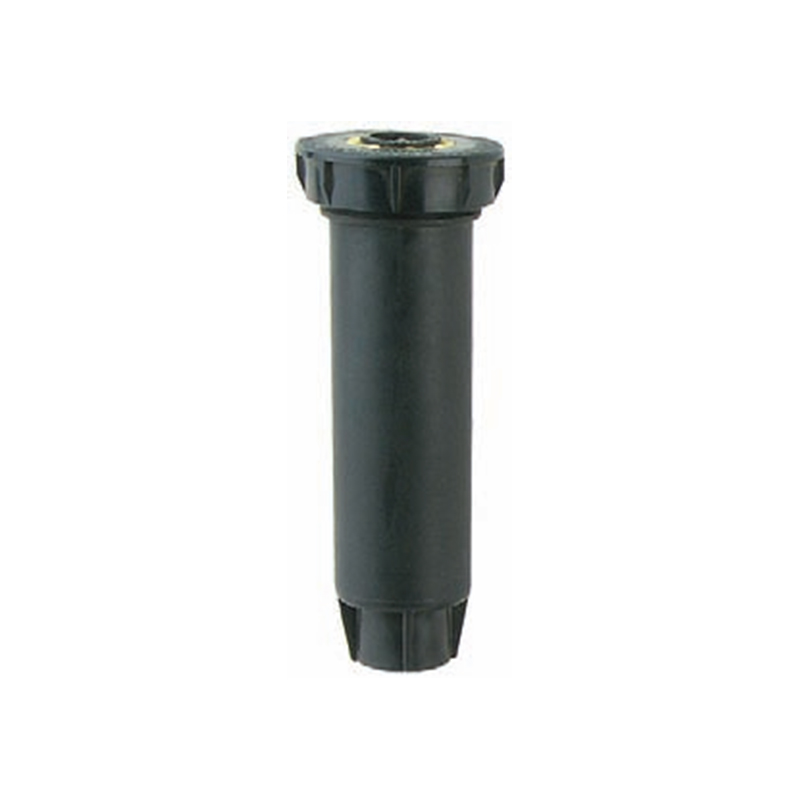 Wholesale POP-UP Sprinkler Manufacturers, ODM/OEM FactoryAs China POP-UP Sprinkler manufacturers and wholesale POP-UP Sprinkler factory, Ningbo Dewo Irrigation Equipment Co., Ltd specializes in ...View Product →
When to Choose Drip or Micro Instead of a Sprinkler
Sprinklers push water through the air; drip systems do not. If the plot is sloped, if the soil drains slowly, or if you are watering individual vegetables, shrubs, or fruit trees, a dripper often costs less to install and wastes much less water than a row of sprinklers.
Pressure-Compensating Drippers for Slopes and Long Runs
On long laterals or changing elevation, standard drippers at the beginning of the line deliver more water than those at the end, because the pressure difference changes the discharge rate. Pressure-compensating drippers contain a flexible diaphragm that holds output nearly constant across a wide pressure band, commonly 8 to 30 PSI. The practical result is that the first plant and the hundredth plant receive roughly the same amount each minute, which is the difference between a uniform crop and yellow strips at the end of the row.
On an orchard or vegetable block with noticeable slope, a pressure-compensating dripper with stake for consistent emitter output lets you secure the outlet right at the root zone and keep flow steady over long runs.
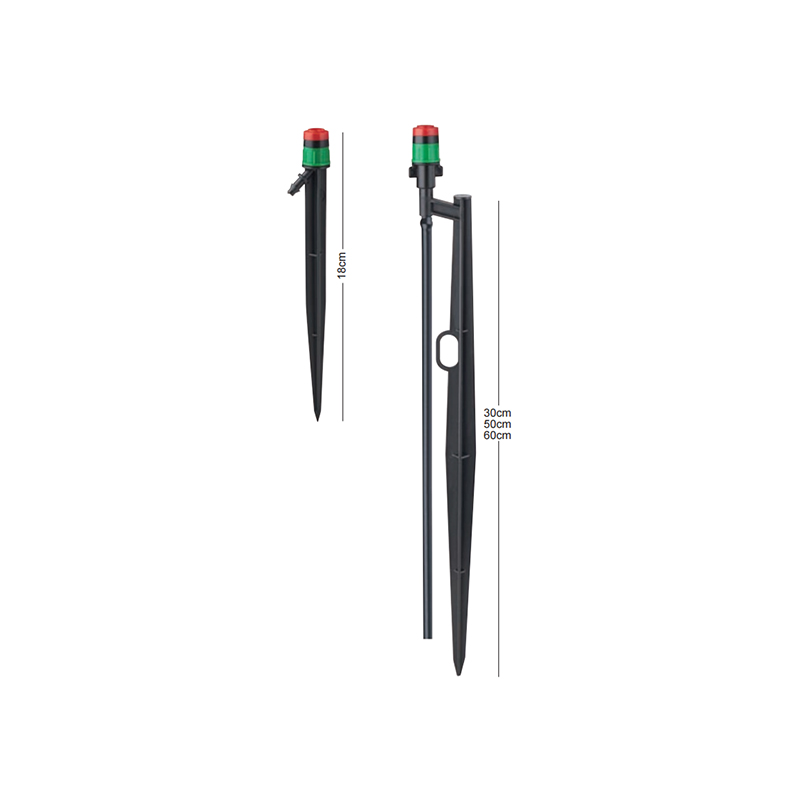 Custom DC-M89 360°PC Dripper Suppliers, Company - Ningbo Dewo Irrigation EquipmeNingbo Dewo Irrigation Equipment Co., Ltd is China custom DC-M89 360°PC Dripper suppliers and ODM/OEM company,The 360° Pressure Compensat...View Product →
Micro-Sprinklers and Misters
Micro-sprinklers produce a very fine mist that wets foliage and air rather than soaking the ground in one spot. They are valuable in seedbeds, nurseries, and greenhouses, where gentle overhead wetting supports germination and leaf development. The price of that fineness is wind sensitivity: a light breeze can carry the mist away from the plant, so mist heads belong in sheltered locations.
To know which crops and plants perform best with each delivery method, check which plant groups work best with each type of irrigation sprinkler before you finalise the plan.
Layout Rules That Eliminate Dry Patches and Overspray
Even a technically perfect head gives bad results when the layout is wrong. Three layout rules cover most failures.
Head-to-Head Coverage
Place every head so its stream reaches the neighbouring head in the row. Irrigation designers call this head-to-head coverage. The overlap compensates for wind, pressure drift, and the natural falloff near the edge of the pattern. Practical spacing is roughly 50 percent of the rated throw diameter for standard heads, and slightly tighter in windy areas.
One Precipitation Rate per Zone
A zone is everything connected to the same valve, and every head on that valve should apply water at a similar rate per hour. A fixed spray head may discharge about 1.5 inches per hour, while a large impact head may deliver 0.3 to 0.6 inches per hour. Putting both on the same valve means one part of the zone is soaked while the other is barely wet. Keep head families separate and try to match the precipitation rate when you choose head sizes.
Protect Hardscapes and Boundaries
Direct streams away from walls, walkways, roads, and fences. Use part-circle heads at edges, point the trajectory inward, and check the actual wetting pattern after the first run. Water that lands on pavement runs off immediately, which wastes water and is one of the most visible mistakes in a poorly designed system.
Soil, Slope, and Wind: Site Conditions That Change the Answer
Two installations with identical pressure and identical plot size can still need different heads if the soil, slope, or wind exposure differs.
| Site condition | Typical value or range | Recommended head strategy |
|---|---|---|
| Sandy soil | Infiltration above 1 in/hr | Standard sprays and impact heads; shorter cycles |
| Loam soil | Infiltration 0.5–0.8 in/hr | Standard heads; normal scheduling |
| Clay soil | Infiltration below 0.3 in/hr | Drip or low-flow micro; short repeated cycles |
| Slope above 10% | Runoff risk on long slopes | Drippers; contour-aligned rows; avoid mist |
| Windy site | Drift and uneven coverage | Reduce spacing; coarser droplets; impact heads |
Why Soil Type Changes the Head Choice
The soil sets the maximum application rate the ground will absorb. When a head applies water faster than the soil absorbs it, the water pools and runs off. Clay ground absorbs water slowly, so a high-flow impact head running for an hour can drown the low spots and leave the high spots dry. Sloped land amplifies the problem. That is why many experienced growers use drippers on clay slopes and keep sprinklers for sandy or level fields.
Wind and Droplet Size
Fine mist drifts with even light wind; heavy droplets fall more vertically and land closer to the intended spot. In exposed fields, prefer impact heads with large droplets and a high trajectory over misting heads, and reduce the spacing distance to compensate for wind-driven pattern distortion.
Six Common Buying Mistakes to Avoid
- Mixing different head families on the same valve. If a spray and an impact share a valve, one area floods while the other dries out, because their application rates differ. Keep each zone to one head family.
- Buying a long-range head before checking the pressure. A head rated for 50 feet will deliver maybe 25 feet at 20 PSI, leaving the middle of the field dry and forcing a second pump.
- Choosing the biggest throw available for a small area. Overspray hits walls, roads, and fences, wastes water, and makes the system harder to control.
- Forgetting filtration. Drippers and mist heads have small passageways; sand particles from a well can clog them in weeks. A simple screen or disc filter upstream is cheap insurance.
- Ignoring nozzle material in sandy water. Brass nozzles wear slowly and keep their pattern; plastic nozzles erode faster when the water carries abrasive particles.
- Buying without spares and a maintenance plan. Nozzles clog, arms bend, and o-rings leak. Keep a nozzle assortment and a basic wrench kit at the site, and plan a seasonal check.
These six mistakes account for a large share of the callback complaints heard by irrigation suppliers. Each one is avoidable at the design stage.
Frequently Asked Questions
How many sprinkler heads can I run on one zone?
Divide the available flow at the valve by the flow of the selected head, and keep a 10 to 15 percent safety margin. If the supply delivers 12 GPM and each impact head draws 4 GPM, the zone should hold no more than 3 heads. Exceeding that number shortens the throw of every head on the line.
What PSI do I need for an impact sprinkler?
Most impact sprinklers work correctly between 30 and 60 PSI at the head. Below about 25 PSI the stream shortens and the pattern becomes donut-shaped, with the centre left dry. Above roughly 80 PSI the droplets become very fine and drift, so add a pressure regulator when the pump runs hot.
Can I mix pop-up and impact heads on the same line?
Only if the precipitation rates are close. A typical pop-up spray applies around 1.2 to 1.6 inches per hour, while a typical impact head applies 0.3 to 0.6 inches per hour. Running both on one valve means one area receives several times more water than the other. Use separate valves for separate head families.
Full-circle or part-circle heads for a rectangular field?
Use full-circle heads in the interior and part-circle heads along the edges and corners. This arrangement delivers roughly equal water everywhere and avoids drenching paths, fences, or unplanted borders.
Do I need a filter for a drip or micro system?
Yes. The emitter channel in a dripper is very small, and even a few grains of sand can clog several outlets. Install a screen or disc filter at the supply point, check the filter basket weekly during the season, and use flush caps at the end of laterals.
How often should sprinkler heads be replaced?
Replace a head when the wetting pattern clearly worsens despite cleaning, when the body cracks, or when the thread is worn. Many metal impact bodies last five to ten years in clean water, with only nozzles and springs replaced occasionally. A simple field test is to run one head for ten minutes and compare the wetting radius with the rated throw.
Final Recommendation
The selection process always works the same way. Measure the pressure and flow first; map the zones; choose the head family that matches the area size and plant material; check the operating pressure of the selected model; lay out the heads with head-to-head spacing; and keep each valve on a single head family.
If you are still hesitant, buy one sample head from the family you are considering, run it for an afternoon, and measure the actual distribution with a row of catch cups. Testing a single unit before ordering the full lot is common practice among professional buyers, and it costs far less than redoing an entire zone.
Start with the numbers at your site, not with the product pictures. When pressure, flow, dimensions, and plants all point to the same head family, the decision makes itself.
Reference note: pressure ranges, precipitation rates, spacing percentages, and soil infiltration values in this article reflect commonly published figures in irrigation design handbooks, the head-to-head spacing rule used by the US irrigation industry, and standard soil reference data. Always confirm the final choice against the specification sheet of the exact head model you intend to buy.
Prev:How to Set Up Drip Irrigation for Your Garden: A Step-by-Step Guide for BeginnersNext:How to Install a Drip Irrigation System: Step-by-Step DIY Guide for Gardeners
Related products
-
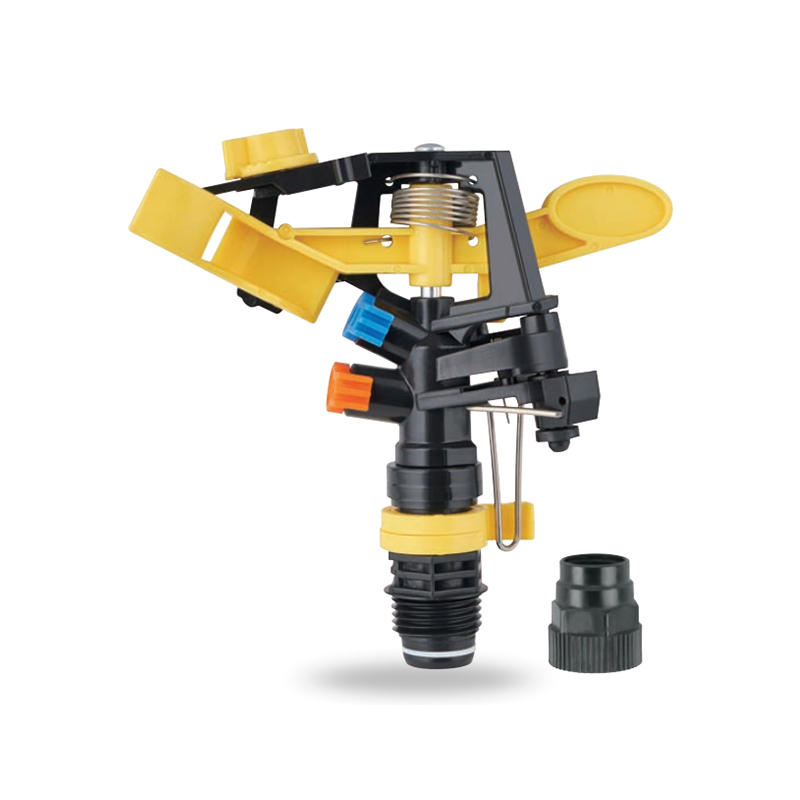
Impact sprinkler for agricultural irrigation is a common and efficient agricultural irrigation tool designed for large areas of farmland. Its unique structure can evenly cover a large area by rotating...
See Details -
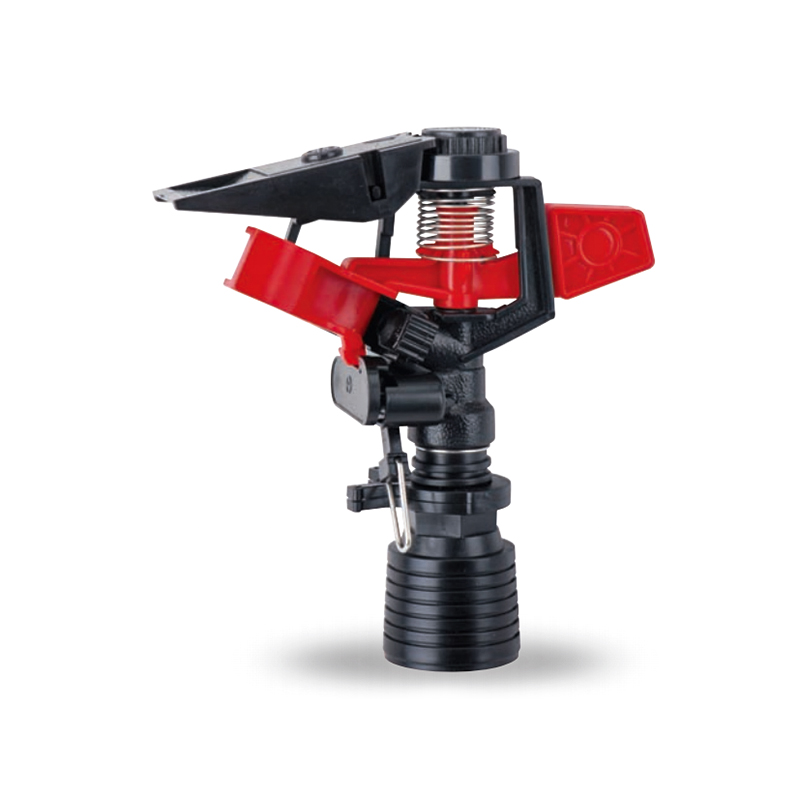
This 360 degree adjustable rocker arm nozzle impact sprinkler is an essential part of an irrigation system designed to meet a wide range of horticultural and agricultural needs. Its flexible adjustmen...
See Details -
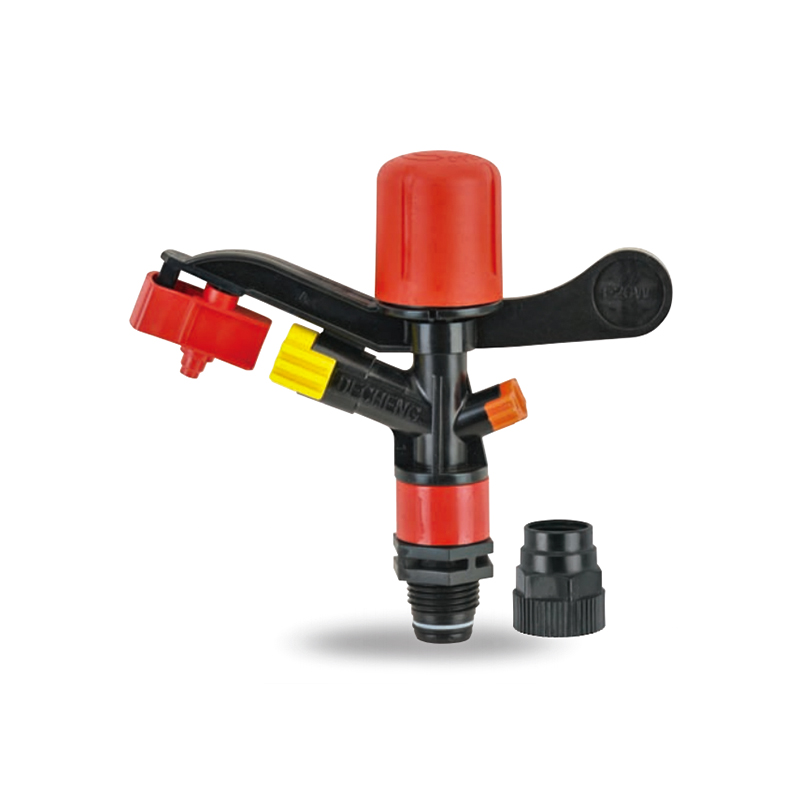
The Plastic Full-Circle Impact Sprinkler Sprayer is a highly efficient full-circle irrigation device designed to provide even moisture coverage. Its lightweight plastic material makes this sprinkler e...
See Details -
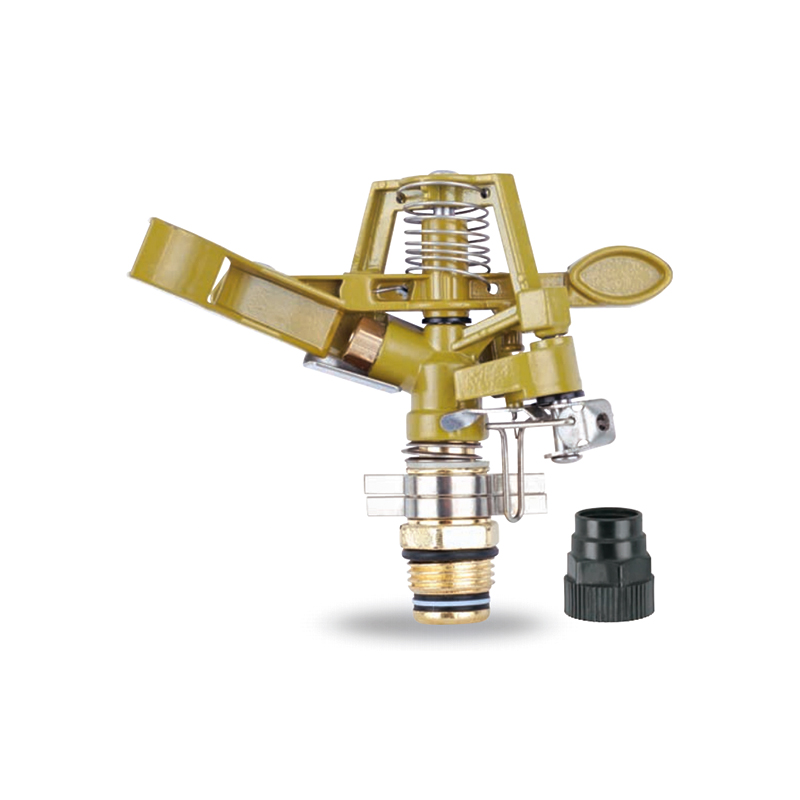
The Irrigation System Adjustable Head Mobile Rotary Zinc Sprinkler is an efficient rotary sprinkler designed for flexible irrigation needs. Its adjustable head allows the user to easily adjust the dir...
See Details -
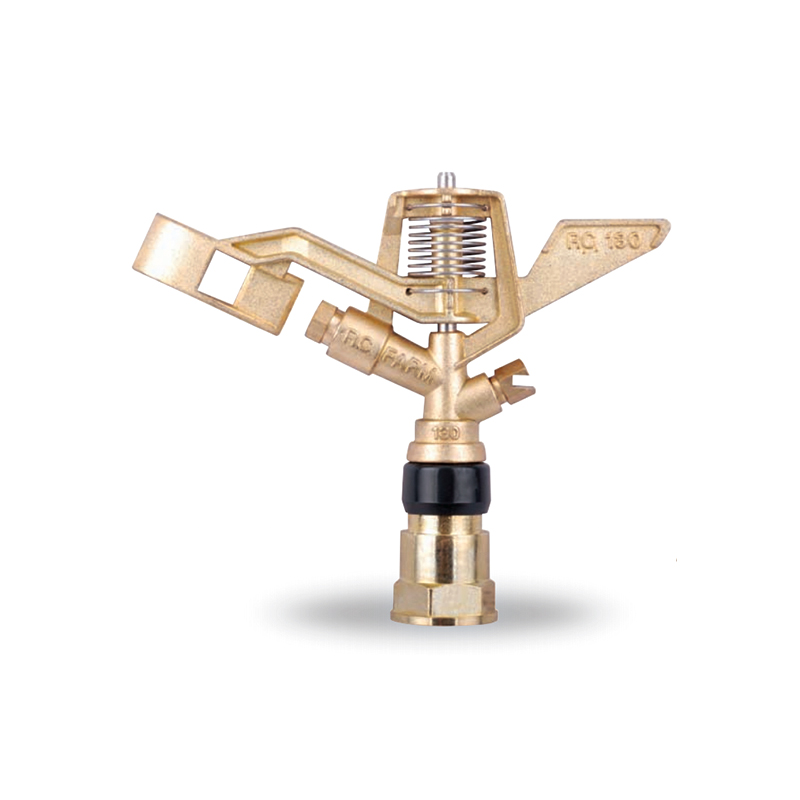
This 3/4” Zinc Alloy Swivel Arm Irrigation Watering System Impact Sprinkler is ideal for agricultural irrigation systems due to its superior durability and corrosion resistance. Its rugged constructio...
See Details -
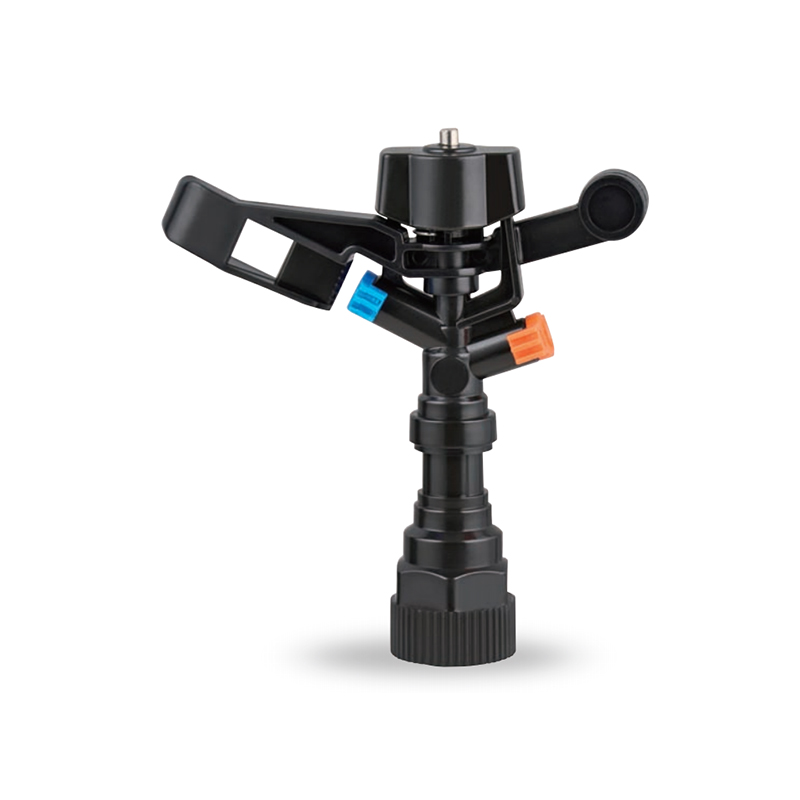
The Double nozzle garden farm impact full-circle sprinkler is well-designed to efficiently and evenly spray water, thus enhancing the quality of crop growth. Whether it's in the home garden or on a la...
See Details -
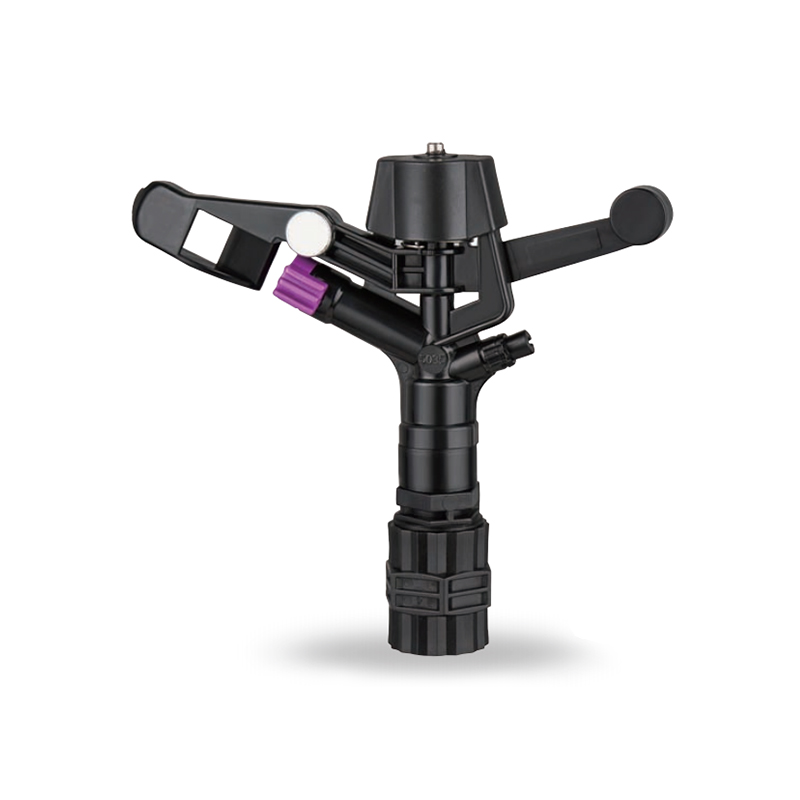
Double nozzle agricultural water plastic impact sprinkler for irrigation sprinkler combines practicality and durability with a dual nozzle system that provides extensive water coverage for a wide rang...
See Details -
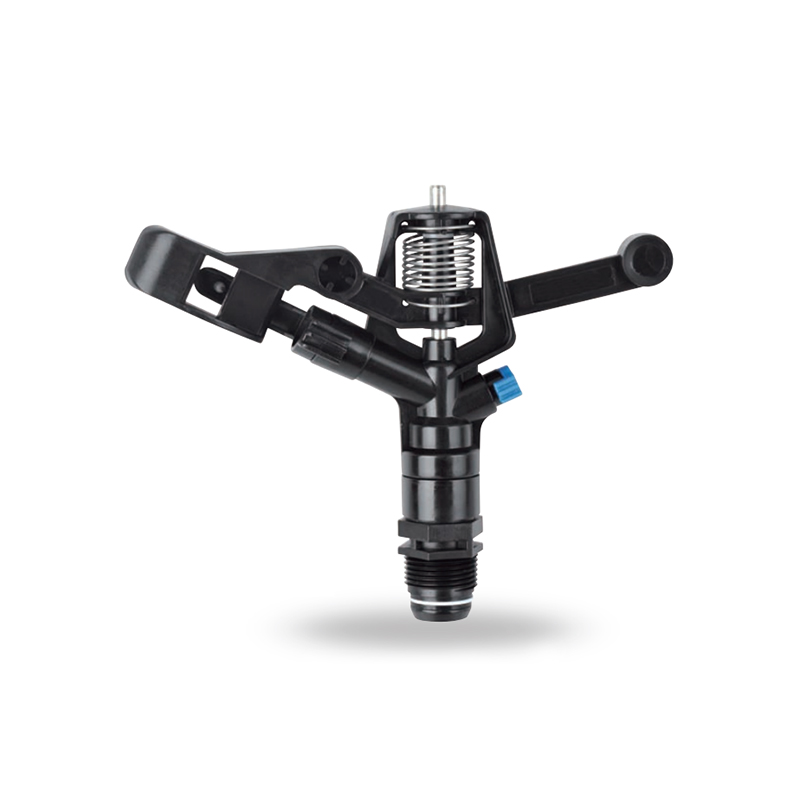
The POM agricultural irrigation sprinkler water impact sprinkler is known for its excellent abrasion resistance and durability, ensuring consistent performance over time. It is designed to increase wa...
See Details -
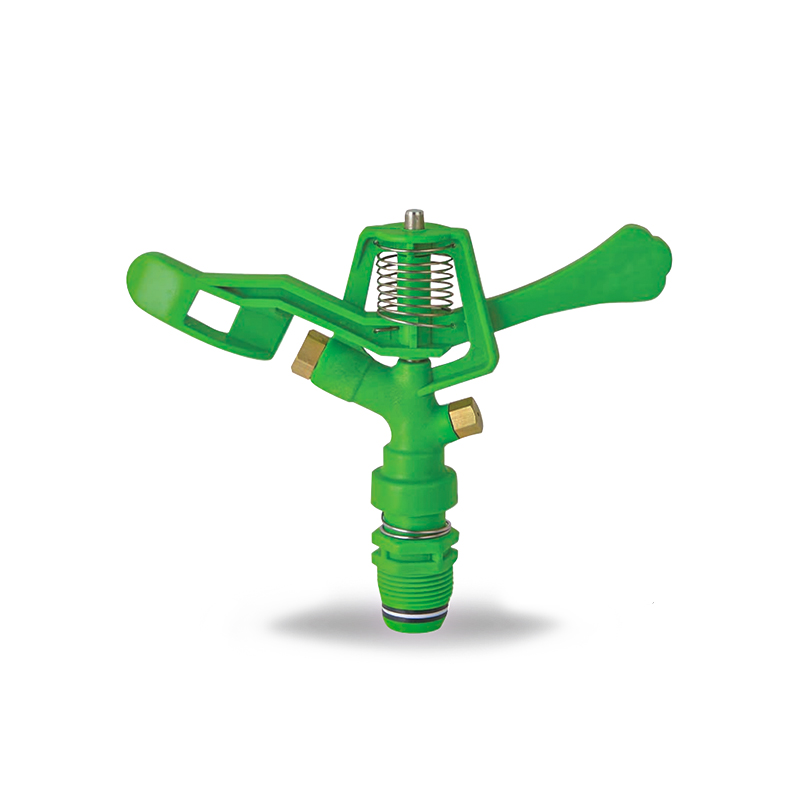
The POM Agricultural Irrigation Sprinkler with Metal Nozzles is a device designed for efficient irrigation, combining premium polyacetal (POM) material with durable metal nozzles to ensure superior sp...
See Details -
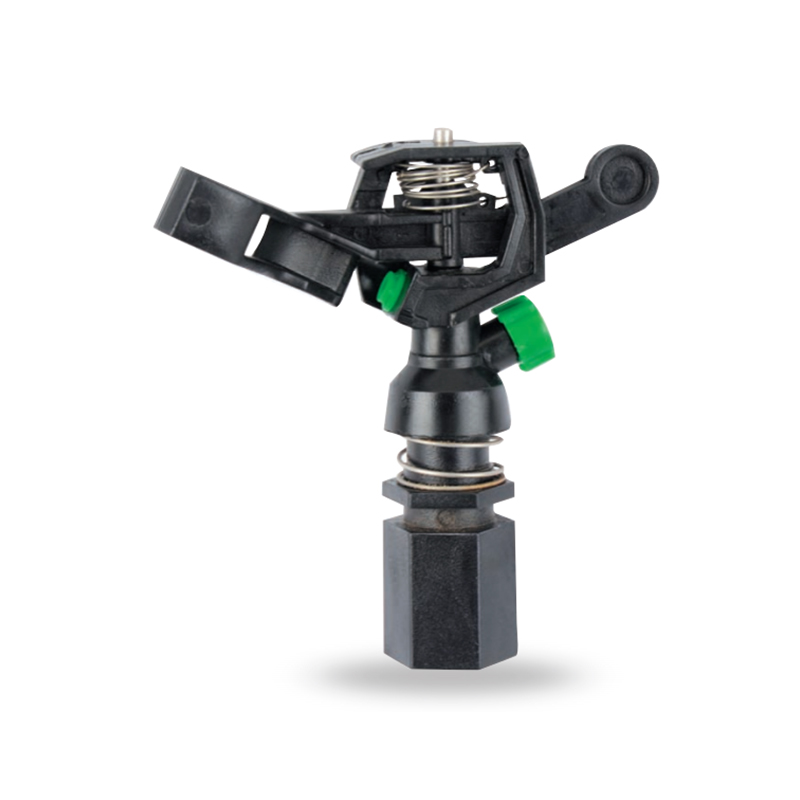
Watering irrigation system 3/4 inch nozzle field Impact Sprinkler is perfect for field irrigation and easily meets the water needs of large crops. Its powerful spray ensures that every nook and cranny...
See Details -
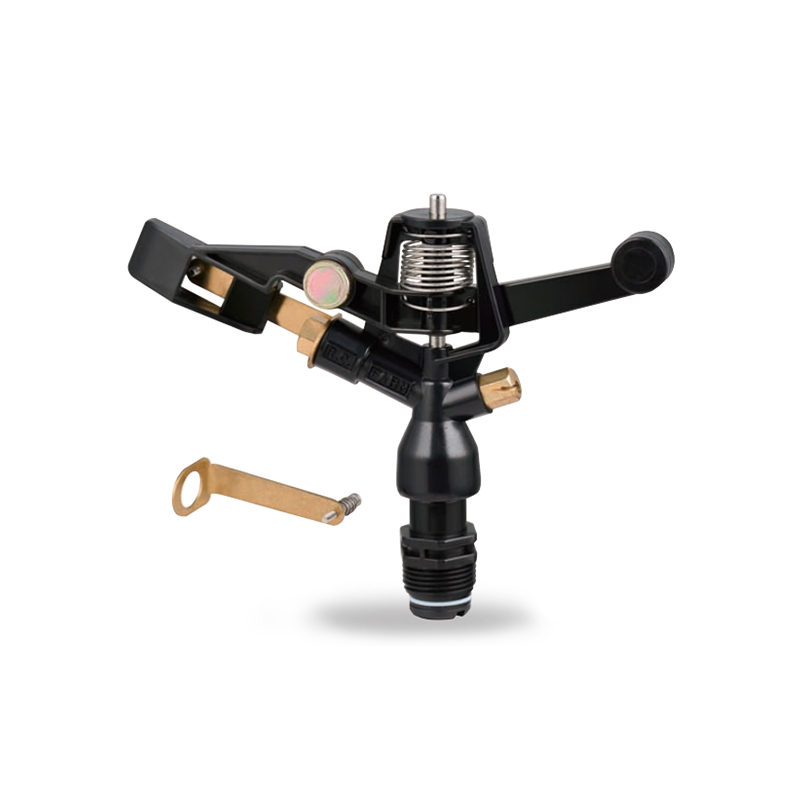
The POM Agricultural Irrigation Sprinkler with Brass Nozzles is an efficient and durable irrigation device designed to meet a wide range of agricultural needs. The sprinkler is made of polyacetal (POM...
See Details -
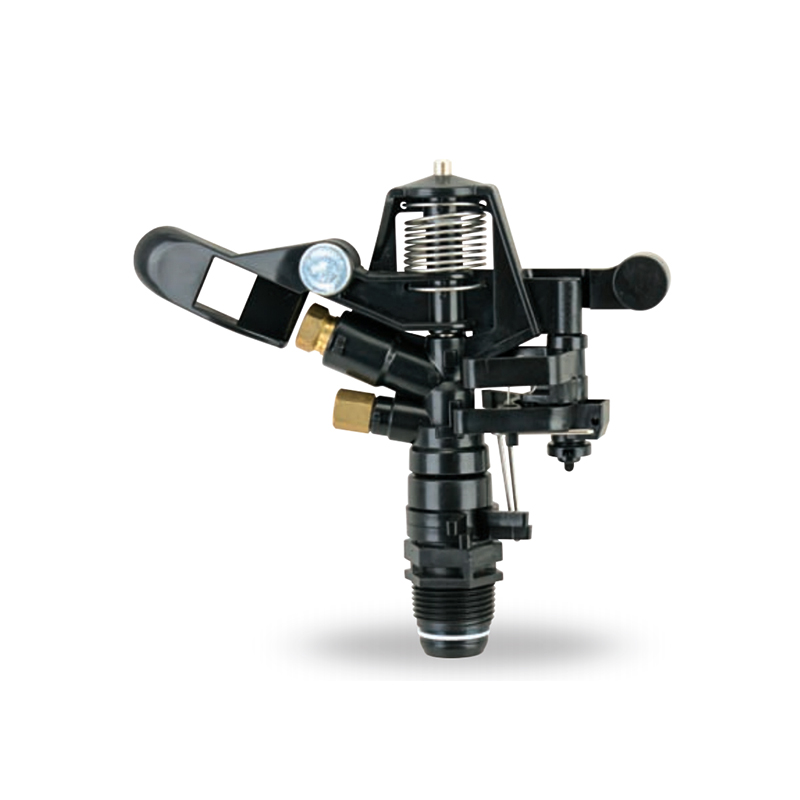
The Double Nozzle Garden Farm Impact Part-Circle Sprinkler is a highly efficient garden irrigation device designed for large planting areas. Its double nozzle design produces a strong, even stream of ...
See Details

PRODUCTS & SERVICES

CONTACT US
 No.518, Ruihao Road, Lizhou Street, Yuyao City, Zhejiang Province, China
 +86-13105554615 / +86-18005843886
 decheng@dcssq.com fredzhu@dcssq.com
 LISA
LISA
 Fred Zhu
Copyright © Ningbo Dewo Irrigation Equipment Co., Ltd. All Rights Reserved. China Agricultural Plastic Sprinkler Manufacturers Wholesale Irrigation Plastic Sprinkler Factory
