

 Search for...
 English
 Español
 中文简体
中文简体How Many Drippers Per Line? Flow Rates, Pressure Limits, and Real Calculations
Content
- 1 The Direct Answer: No Fixed Number, But a Flow Budget
- 2 The Three Variables That Decide Your Dripper Count
- 3 Drippers per Line Reference Table (at 25 psi)
- 4 Why the 200-Foot 1/2-Inch Rule Is So Common
- 5 Dripper Count by Plant Type and Container Size
- 6 The 1/4-Inch Line Problem: Why the Dripper Count Is Much Lower
- 7 Adjustable vs. Pressure-Compensating Drippers: How the Choice Changes Your Count
- 8 How to Calculate the Exact Number for Your Own System
- 9 The Five Most Common Dripper-Count Mistakes and How to Avoid Them
- 10 Dripper Count in Rows vs. Containers: The Difference in Layout Logic
- 11 Frequently Asked Questions About Drippers Per Line
- 11.1 Can I put 50 drippers on one 1/2-inch line?
- 11.2 Can I put 200 drippers on one line?
- 11.3 How many drippers can I run on a 1/4-inch line?
- 11.4 Does the number of drippers differ between clay soil and sandy soil?
- 11.5 What happens if I put too many drippers on a line?
- 11.6 Should I count drippers or count flow rate?
- 12 Final Recommendations for a Balanced Drip System
The Direct Answer: No Fixed Number, But a Flow Budget
There is no single universal number of drippers per line, because the real limit is the total flow rate the tubing can carry without losing pressure. For a typical 1/2-inch drip line at 25 psi, you can usually run 200 to 250 GPH (gallons per hour). If each dripper discharges 1 GPH, that means roughly 200 to 250 drippers. If your emitters are 2 GPH, the count drops to 100 to 125. The number is not chosen arbitrarily; it is the quotient of your line's flow capacity divided by the emitter flow rate. This is the first thing to calculate before you start punching holes.
The second constraint is pressure loss along the tubing. Water entering a line at 25 psi will lose energy as it travels through emitters and friction. If you exceed the recommended maximum run length, the emitters at the far end will deliver less than their rated flow. A shorter run with more emitters is often better than a long run with fewer emitters. So the honest answer is: count drippers based on flow budget, not based on the physical number of holes you can punch.
The Three Variables That Decide Your Dripper Count
To answer "how many drippers per line" for your specific setup, you need to know three numbers. Once you have them, the calculation takes about 60 seconds.
- Supply pressure (psi): The water pressure available at the start of the line. Most drip systems operate between 20 and 40 psi. Above 40 psi you need a pressure regulator.
- Tubing size and length: A 1/2-inch line carries more flow than a 1/4-inch line. A 200-foot run of 1/2-inch line is near the practical limit; going beyond that creates noticeable pressure drop.
- Emitter flow rate (GPH): Common drip emitters are rated at 0.5, 1, 2, 4, or 8 GPH. The lower the GPH, the more emitters you can fit on one line.
For example, a 50-foot run of 1/2-inch tubing at 25 psi can safely carry about 240 GPH. With 1 GPH emitters, the line supports up to 240 drippers. But if you use 4 GPH emitters, the maximum is only 60 drippers. This balance between emitter output and tube capacity is the foundation of every drip layout.
Drippers per Line Reference Table (at 25 psi)
| Tubing Size | Max. Flow (GPH) | with 0.5 GPH | with 1 GPH | with 2 GPH | with 4 GPH |
|---|---|---|---|---|---|
| 1/4-inch (100 ft max) | 60 | 120 | 60 | 30 | 15 |
| 1/2-inch (200 ft max) | 240 | 480 | 240 | 120 | 60 |
| 3/4-inch (300 ft max) | 480 | 960 | 480 | 240 | 120 |
The values above are conservative estimates for level ground. On slopes, reduce the count by 10 to 20 percent on uphill runs to avoid pressure loss issues. If you need a more exact limit for your system, measure the flow at the far end of the line with a pressure gauge and adjust accordingly.
Why the 200-Foot 1/2-Inch Rule Is So Common
If you have read any drip irrigation forum, you have seen the phrase "no more than 200 feet for 1/2-inch line." The origin of this rule is friction loss. Water moving through a pipe loses pressure to the pipe wall. The longer the pipe, the more pressure is lost. At 200 feet, a standard 1/2-inch drip line running at 25 psi will deliver acceptable uniformity across all emitters. Beyond that, the far-end emitters experience a noticeable drop in output. This is why 200 feet is quoted so often — it is not a physical wall, but a practical threshold for even water distribution.
The implication is that you can place more drippers on a 200-foot line than on a 100-foot line. However, if you use a higher-flow emitter like a 4 GPH dripper on a 200-foot line, the pressure loss increases because total flow is higher. A common practical approach is to keep total flow on a 1/2-inch line below 240 GPH, not just to keep the line length under 200 feet. The flow limit protects emitters at the far end more than the length limit does.
- Calculate total flow: number of drippers × GPH per dripper.
- Compare with line capacity: if total flow is below 240 GPH on 1/2-inch line, the layout is generally safe.
- Check run length: if the line is longer than 200 feet, split it into two zones, even if the flow is low.
Dripper Count by Plant Type and Container Size
How many drippers per line also depends on the plants being watered. A single line serving a row of tomatoes needs more emitters per plant than a line serving mature trees. The table below summarizes the general recommendations used by Colorado State University Extension and major drip irrigation suppliers. For a single plant, the number of emitters depends on the diameter of the root zone and the water needed.
| Plant Type | Emitters per Plant | Recommended Emitter Flow | Spacing from Stem |
|---|---|---|---|
| Small annuals / herbs | 1 | 0.5–1 GPH | 2–4 inches |
| Vegetables (tomato, pepper, eggplant) | 1–2 | 1 GPH | 4–6 inches |
| Small shrubs (3–5 ft tall) | 2 | 1–2 GPH | 6–12 inches |
| Medium trees (10–15 ft) | 2 | 4 GPH | 12–18 inches |
| Large trees (15–25 ft) | 2–3 | 4 GPH | 18–24 inches |
Why two drippers per plant instead of one? According to Drip Depot, placing two emitters on opposite sides of a plant encourages even root development and provides a backup if one clogs. For trees, the goal is to wet as much of the root zone as possible. A single emitter wets only a small circle; two or three emitters spread the water more evenly. This is especially important in sandy soil, where water percolates downward quickly rather than spreading sideways. The Colorado State University Extension guide notes that in clay soil, one or two emitters may suffice, while sandy soil may require two or three to wet a sufficiently wide area.
The 1/4-Inch Line Problem: Why the Dripper Count Is Much Lower
A separate question that appears in many irrigation groups is "how many drippers on a 1/4-inch line?" The answer is not very many. A 1/4-inch micro-tubing line can carry only about 30 to 60 GPH at 25 psi. If you are using standard button drippers rated at 1 GPH, that gives you 30 to 60 emitters. However, the practical recommendation is much lower: most manufacturers suggest limiting a 1/4-inch line to 10 to 12 emitters.
The reason is not just flow capacity. The small internal diameter of 1/4-inch tubing creates rapid pressure loss. If you put 20 emitters on a single 1/4-inch line, the first few emitters will discharge at close to rated flow, but the last several will deliver almost nothing. This effect gets worse as the tube gets longer. For a home garden, the safest practice is to run a 1/2-inch main line and use 1/4-inch lines only as short distribution arms to connect individual pots or small clusters of plants. Keep each 1/4-inch arm under 3 feet long if it carries more than 4 or 5 emitters.
- Use 1/2-inch tubing for the main lateral line.
- Limit 1/4-inch distribution lines to 5–10 emitters.
- If you need more emitters, add another 1/4-inch line connected directly to the main line.
Because a 1/2-inch lateral tube is the backbone of a drip system, choosing the right hole punch tool matters. If the hole is too small, the emitter does not seat properly; if too large, it leaks. A dedicated hole punch removes a clean circular slug of rubber without leaving loose debris that could enter the line and clog downstream emitters.
Adjustable vs. Pressure-Compensating Drippers: How the Choice Changes Your Count
The type of dripper matters as much as the number. Non-compensating drippers deliver variable flow as pressure changes. If the line is long and the pressure at the far end is lower than at the start, the far-end emitters output less water. Pressure-compensating (PC) drippers are engineered to maintain a constant flow rate across a range of pressures, usually between 10 and 50 psi. This makes them the right choice for slopes, long runs, and systems with multiple elevations.
When you use PC drippers, you can put more emitters on a line because the flow at each emitter stays within rating even if pressure varies slightly. With adjustable flow drippers, you trade this stability for flexibility: you can increase or decrease the output of each emitter to match the exact water needs of each plant. For a vegetable garden where tomatoes, peppers, and herbs need different amounts of water, an adjustable flow dripper with a stake gives you per-plant control. For a row of identical shrubs or a slope, a pressure-compensating dripper is safer because outlet uniformity stays high.
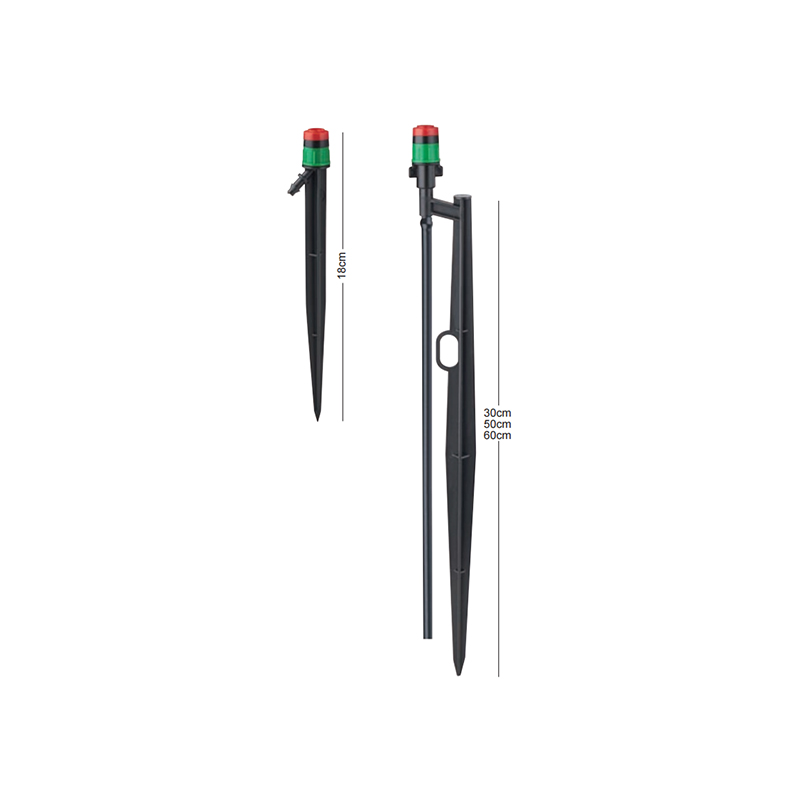 Custom DC-M89 360°PC Dripper Suppliers, Company - Ningbo Dewo Irrigation EquipmeNingbo Dewo Irrigation Equipment Co., Ltd is China custom DC-M89 360°PC Dripper suppliers and ODM/OEM company,The 360° Pressure Compensat...View Product →
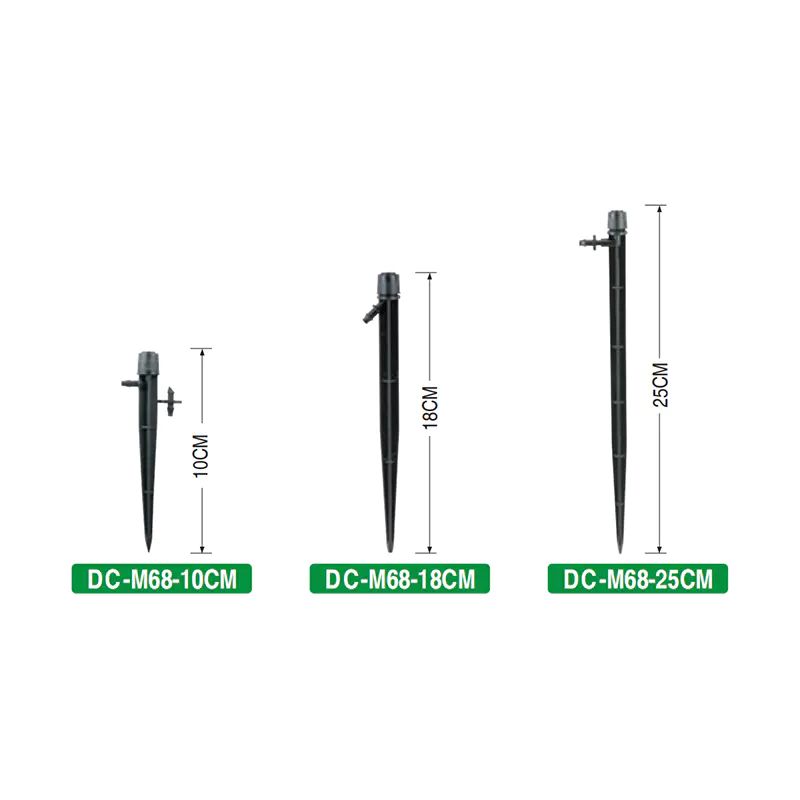 Custom DC-M68 360°Adjustable Flow Suppliers, Company - Ningbo Dewo Irrigation EqNingbo Dewo Irrigation Equipment Co., Ltd is China custom DC-M68 360°Adjustable Flow suppliers and ODM/OEM company,The Full Circle Diffus...View Product →
- PC drippers: Better for slopes, long rows, and uniform plant types. Flow stays steady between 10 and 50 psi.
- Adjustable drippers: Better for containers, mixed plant beds, and growers who want to fine-tune water delivery by hand.
How to Calculate the Exact Number for Your Own System
Follow these five steps to determine how many drippers you can safely put on one line. This is the same method used by irrigation designers when planning residential and commercial drip zones.
- Find your available flow rate (GPH). If you have a pressure regulator with a flow rating, that is your starting number. Otherwise, use the maximum flow rating of your supply tubing. For 1/2-inch tubing at 25 psi, use 240 GPH; for 3/4-inch, use 480 GPH.
- Decide the dripper flow rate. Write down the rated GPH of the emitter you plan to use. If you are using adjustable drippers, test a few at your operating pressure to find their actual output.
- Divide max flow by dripper flow. Example: 240 GPH ÷ 2 GPH = 120 drippers maximum.
- Apply a 20% safety margin. Do not run the line at 100% capacity. Multiply your result by 0.8. In the example above, 120 × 0.8 = 96 drippers. This compensates for filter clogging, minor pressure fluctuations, and future flow reduction.
- Check the length limit. If your line is longer than the max recommended length for its diameter, split it into two zones, even if the emitter count seems fine.
Let us apply this to a real case. Suppose you have a 1/2-inch line 150 feet long, a working pressure of 30 psi, and 1 GPH drippers spaced every 12 inches. Total max flow on the line: 240 GPH. Divide by 1 GPH and apply the safety factor: 240 × 0.8 = 192 drippers. Since 150 feet of line gives you space for 150 emitters if you space them every foot, the length, not the flow, becomes the limiting factor. This is a common result: the line simply cannot fit enough emitters to hit the flow limit. So you would run 150 drippers on that line without any concern.
For a quick way to control the water entering each zone, an inline precise water flow control valve helps you fine-tune each line independently. A mini valve placed at the start of each lateral run allows you to reduce flow to different parts of the garden without installing a second timer.
The Five Most Common Dripper-Count Mistakes and How to Avoid Them
These are the mistakes seen most often in field-installed drip systems. Each one can reduce uniformity, increase water bills, or cause plant stress.
| Mistake | Result | Fix |
|---|---|---|
| Putting too many drippers on 1/4-inch line | Uneven output across pots | Keep 1/4-inch arms under 3 ft and 5–10 emitters |
| Ignoring pressure at the far end | Drought stress near the end of the line | Install a pressure gauge and stay within max run length |
| Running the line at 100% flow capacity | Poor emitter uniformity | Apply a 20% safety margin |
| Using non-PC drippers on a slope | Excess water at the bottom, dryness at the top | Use pressure-compensating drippers on slopes |
| Mixing different dripper GPH ratings on one line | Over-watering or under-watering specific plants | Use uniform GPH on each zone; separate high-water and low-water plants |
The mistake that creates the biggest problem is the last one: mixing different emitter flow rates on a single line. When a 1 GPH emitter and a 4 GPH emitter are on the same lateral, the pressure loss is no longer evenly distributed. The high-flow emitters consume more pressure, causing lower flow at every downstream emitter. This is why zoning by water requirement matters. In a mixed planting, you may want to group plants by their weekly water need and use a separate line for each group. The article on crops with different water requirements explains how to handle this type of variability at a larger scale.
Dripper Count in Rows vs. Containers: The Difference in Layout Logic
For row crops like lettuce, onion, or strawberry, each plant usually receives water from a single inline emitter or from a drip tape with built-in emitters. In this case, the question "how many drippers per line" becomes a matter of row length and emitter spacing. For example, a 100-foot row with emitters spaced every 12 inches has 100 emitters. If each emitter is 0.5 GPH, the total flow is 50 GPH — far below the 240 GPH limit of a 1/2-inch line. You could easily run several rows on the same zone.
For containers, the logic is different. Each pot is an isolated plant with its own emitter count. A 10-inch pot might get one 0.5 GPH dripper; an 18-inch pot may need two. The line length is often short, but the main line has many individual 1/4-inch branches. In this layout, the total number of drippers per 1/2-inch line depends on how many containers you can attach before exceeding 240 GPH. That is a very high number with 0.5 GPH emitters — up to 480 drippers before the flow limit. The real constraint becomes the physical space and the number of connections.
If the container garden is on a patio with varying sun exposure and different pot sizes, an adjustable dripper makes sense because you can increase or decrease water in each pot without changing the emitter. The eight-hole upright adjustable flow dripper is particularly useful for small pots and planters where a compact, upright profile keeps the stake hidden among foliage. It also delivers water through multiple outlet holes, reducing the risk of soil erosion around a single outlet.
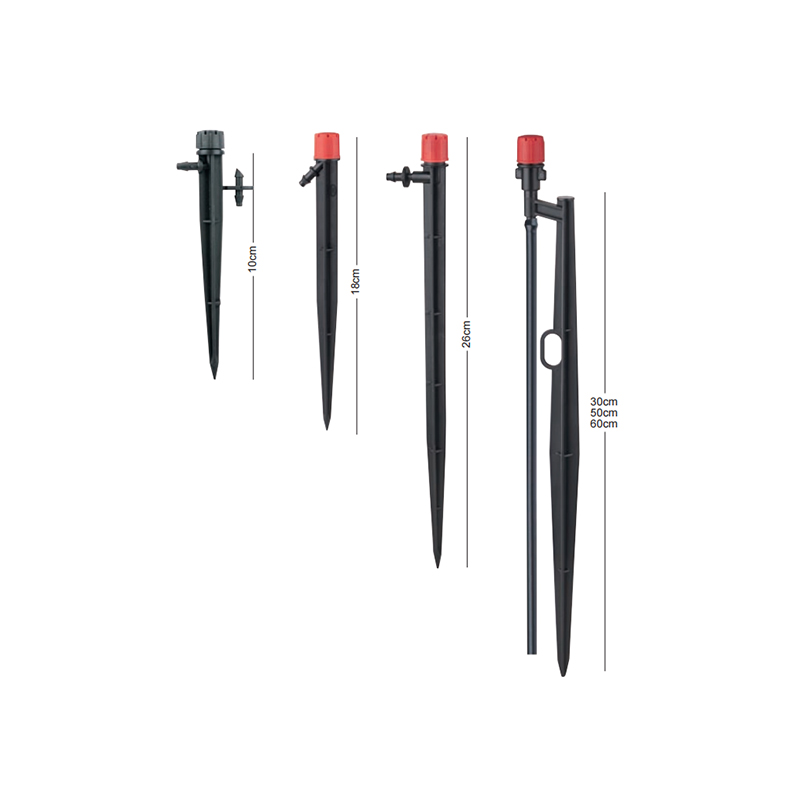 Custom DC-M92 Eight-holes Upright Type Adjustable Flow Suppliers, Company - NingNingbo Dewo Irrigation Equipment Co., Ltd is China custom DC-M92 Eight-holes Upright Type Adjustable Flow suppliers and ODM/OEM company,T...View Product →
Frequently Asked Questions About Drippers Per Line
Can I put 50 drippers on one 1/2-inch line?
Yes, absolutely. If each dripper is rated at 1 GPH, 50 drippers consume only 50 GPH, which is well below the 240 GPH capacity of a 1/2-inch line. Even 2 GPH drippers would give only 100 GPH total. The key is to keep the line length within the recommended maximum of 200 feet.
Can I put 200 drippers on one line?
Only if the emitter flow is low. On a 1/2-inch line, 200 drippers at 1 GPH equal 200 GPH, which is within the 240 GPH limit but leaves only a small safety margin. With 2 GPH drippers, 200 drippers would require 400 GPH, which exceeds the capacity. With 4 GPH drippers, the maximum on a 1/2-inch line is 60 drippers (including the 20% safety factor).
How many drippers can I run on a 1/4-inch line?
Keep it under 10–12 drippers. The flow capacity of 1/4-inch tubing is roughly 30–60 GPH, but pressure loss increases quickly. For containers, the best approach is to run a 1/2-inch main line and connect short 1/4-inch arms, each serving 1–3 pots.
Does the number of drippers differ between clay soil and sandy soil?
Yes. Sandy soil drains quickly and water moves downward rather than spreading horizontally, so more emitters may be needed per plant to wet a wide enough root zone. Clay soil spreads water laterally better. A plant that needs one emitter in clay may need two or three in sand. This advice is confirmed by the Colorado State University Extension guide on home drip irrigation.
What happens if I put too many drippers on a line?
The emitters at the far end of the line will produce lower flow than their rating. Plants near the start receive more water than intended; plants near the end receive less. If the line is severely overloaded, the far-end emitters may stop dripping entirely at low pressure, and the first emitters may also become damaged by excessive local pressure.
Should I count drippers or count flow rate?
Always count flow rate first. The number of drippers is just the total flow divided by the flow per dripper. If you count drippers only, you can easily overload a line when using high-flow emitters.
Final Recommendations for a Balanced Drip System
Think of each drip zone as a water budget, not a count. Calculate the total flow of every emitter on the line, add a 20% safety margin, and compare that number with the capacity of your tubing. This method works for a 20-foot balcony with 5 containers and for a 200-foot field row. The second part of the calculation is always the length limit: keep 1/2-inch lines under 200 feet and 1/4-inch distribution arms very short.
In practical terms, a standard 1/2-inch line with 1 GPH emitters will carry 150–190 drippers safely, if the line is not too long. Using pressure-compensating drippers makes this number more reliable on uneven terrain. Using adjustable drippers gives you more control in mixed container gardens. And when you need to connect a main line to multiple drip lines, a pressure-compensating dripper adaptor keeps the flow stable at the point where the lateral line branches off. Measure your pressure, check your flow, and count with the formulas above. That is the entire problem, solved without guesswork.
Prev:How to Install a Drip Irrigation System: Step-by-Step DIY Guide for GardenersNext:How to Set Up an Irrigation System: Step-by-Step DIY Installation Guide
Related products
-
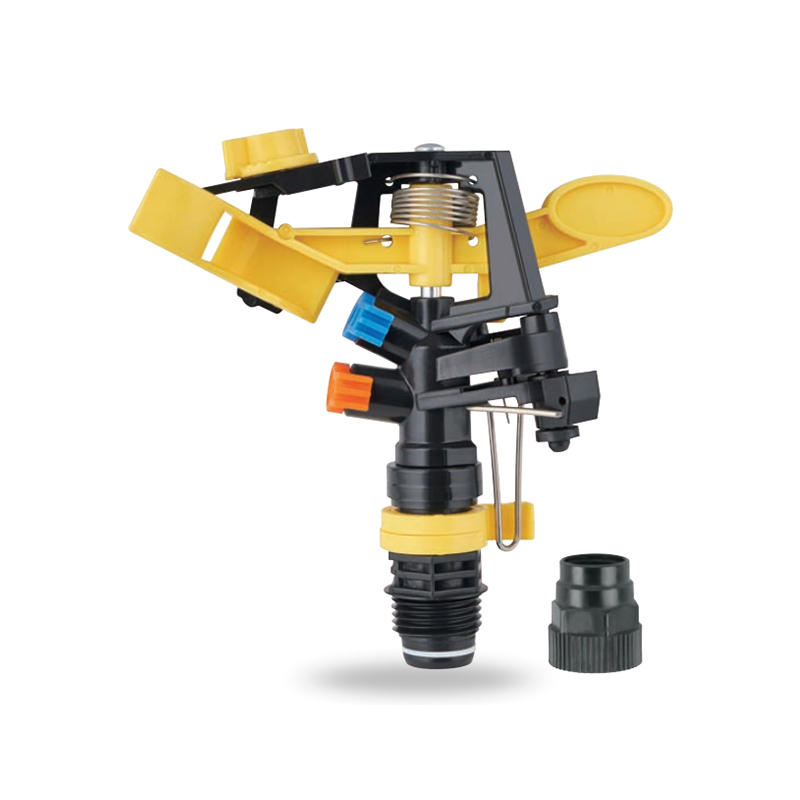
Impact sprinkler for agricultural irrigation is a common and efficient agricultural irrigation tool designed for large areas of farmland. Its unique structure can evenly cover a large area by rotating...
See Details -
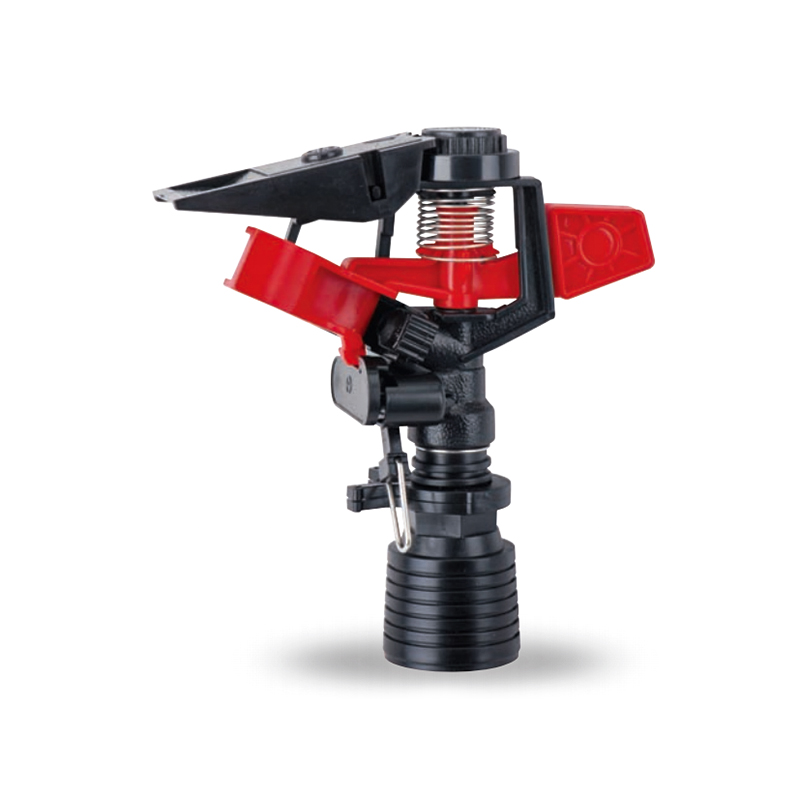
This 360 degree adjustable rocker arm nozzle impact sprinkler is an essential part of an irrigation system designed to meet a wide range of horticultural and agricultural needs. Its flexible adjustmen...
See Details -
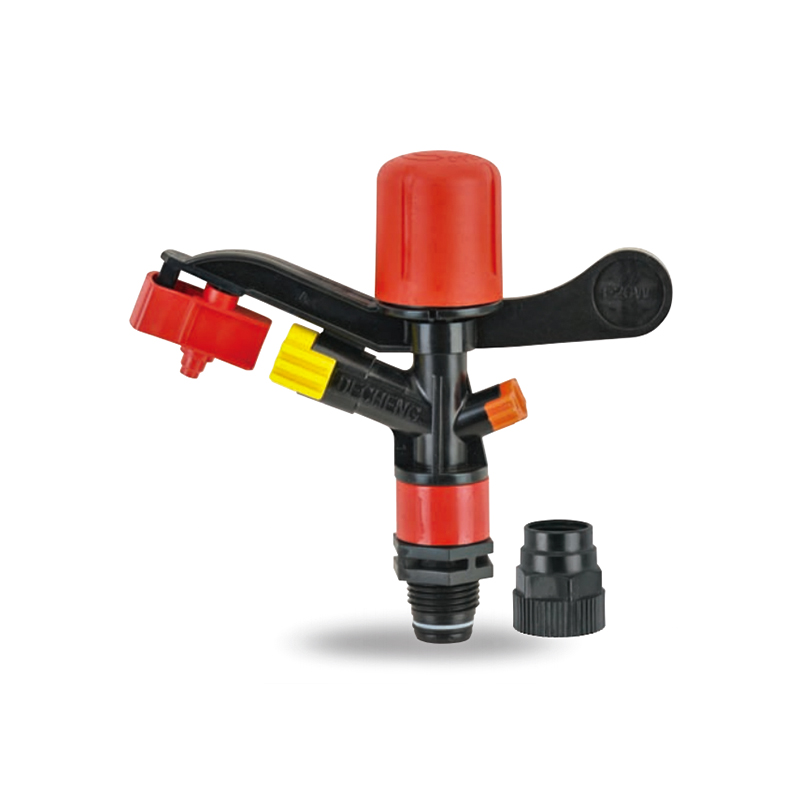
The Plastic Full-Circle Impact Sprinkler Sprayer is a highly efficient full-circle irrigation device designed to provide even moisture coverage. Its lightweight plastic material makes this sprinkler e...
See Details -
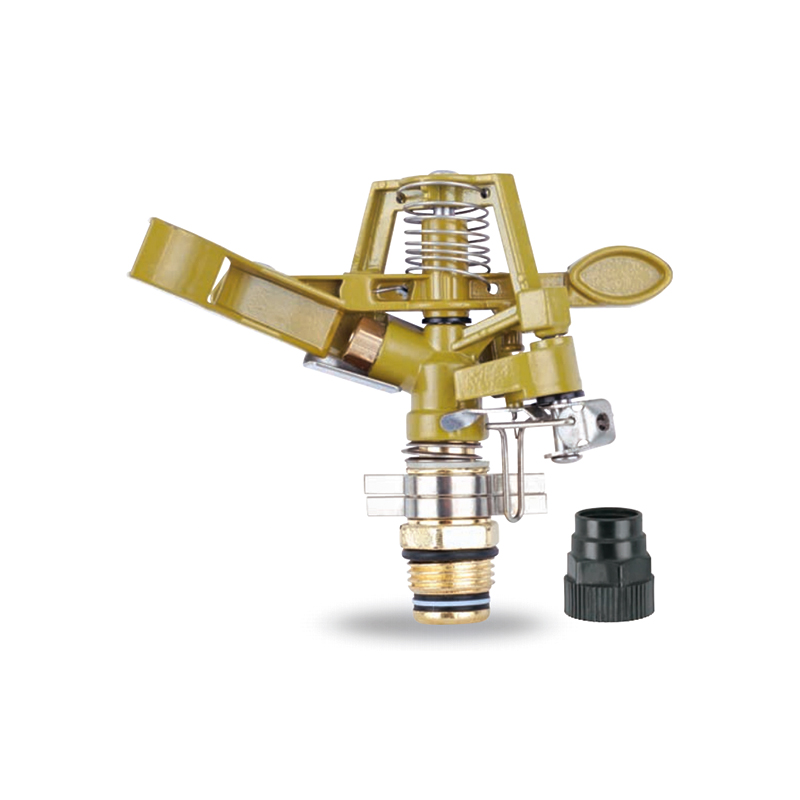
The Irrigation System Adjustable Head Mobile Rotary Zinc Sprinkler is an efficient rotary sprinkler designed for flexible irrigation needs. Its adjustable head allows the user to easily adjust the dir...
See Details -
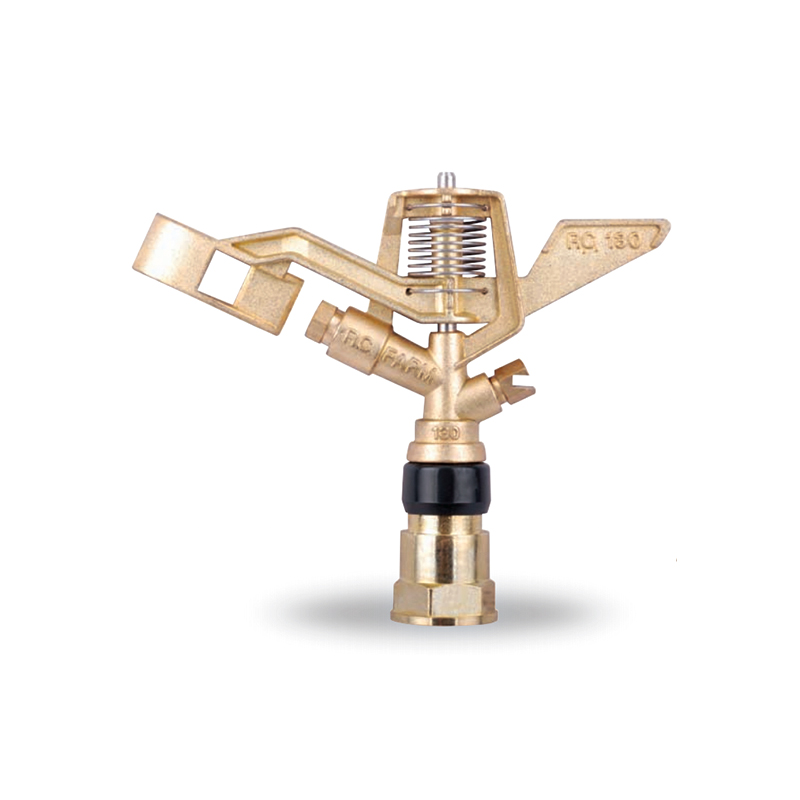
This 3/4” Zinc Alloy Swivel Arm Irrigation Watering System Impact Sprinkler is ideal for agricultural irrigation systems due to its superior durability and corrosion resistance. Its rugged constructio...
See Details -
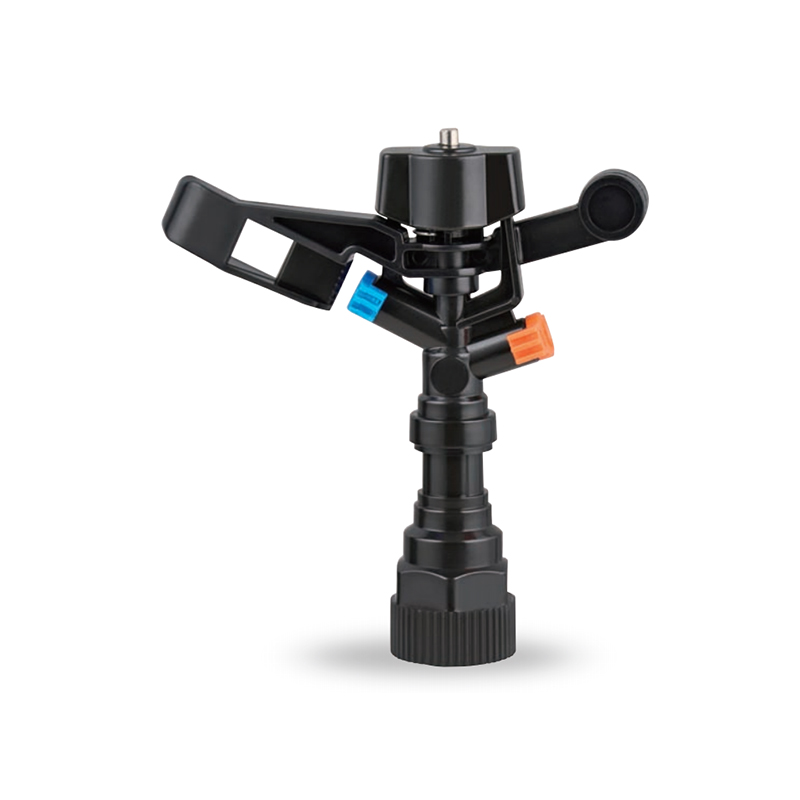
The Double nozzle garden farm impact full-circle sprinkler is well-designed to efficiently and evenly spray water, thus enhancing the quality of crop growth. Whether it's in the home garden or on a la...
See Details -
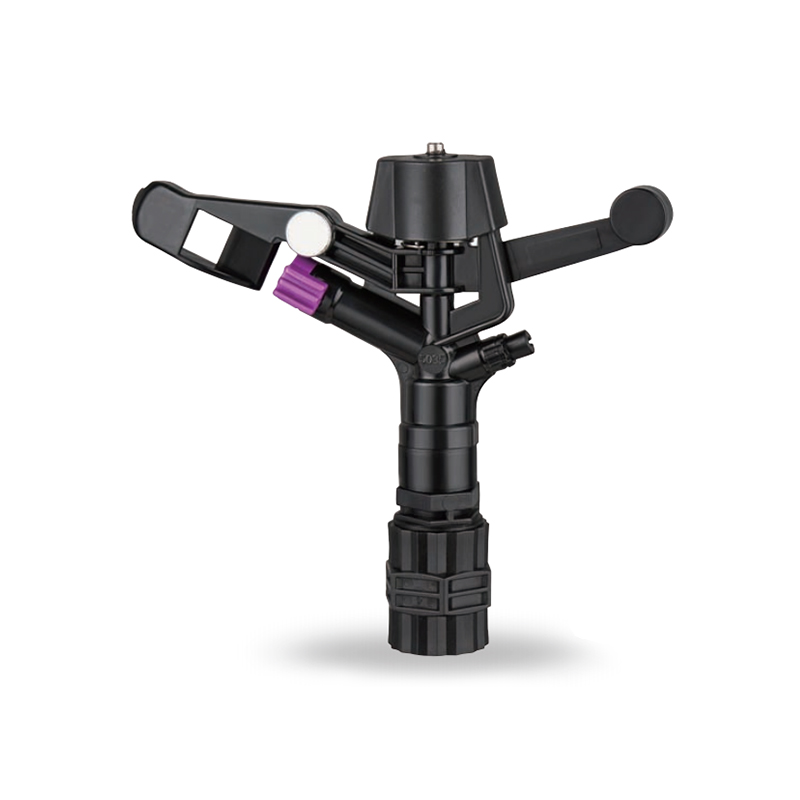
Double nozzle agricultural water plastic impact sprinkler for irrigation sprinkler combines practicality and durability with a dual nozzle system that provides extensive water coverage for a wide rang...
See Details -
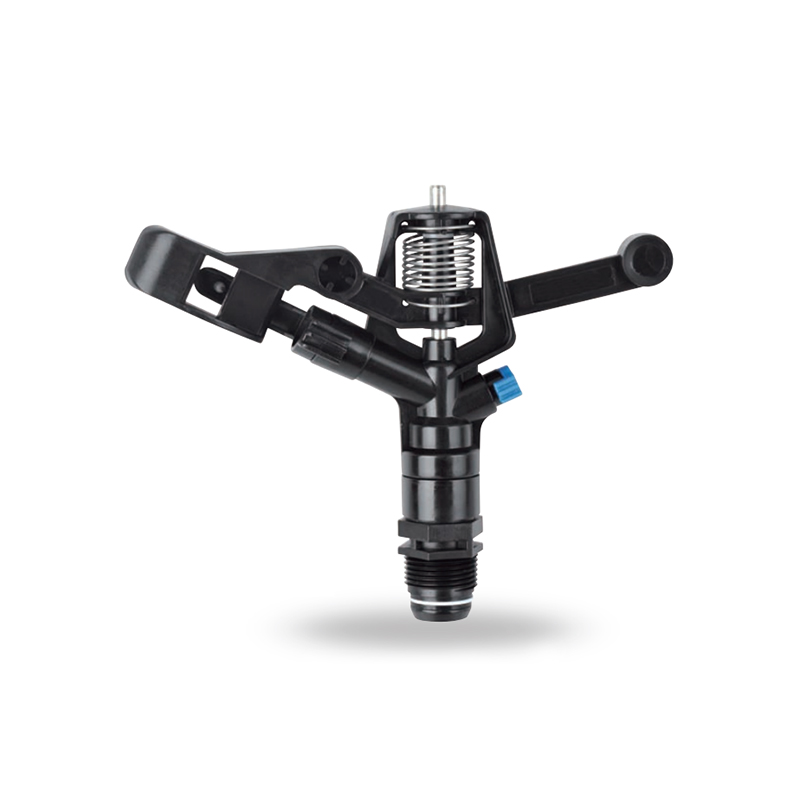
The POM agricultural irrigation sprinkler water impact sprinkler is known for its excellent abrasion resistance and durability, ensuring consistent performance over time. It is designed to increase wa...
See Details -
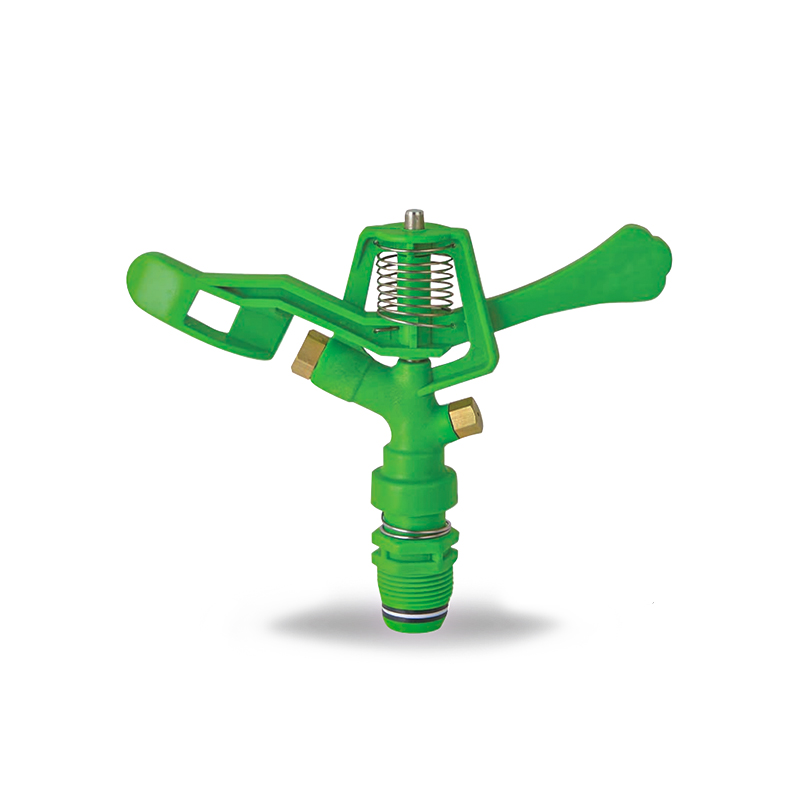
The POM Agricultural Irrigation Sprinkler with Metal Nozzles is a device designed for efficient irrigation, combining premium polyacetal (POM) material with durable metal nozzles to ensure superior sp...
See Details -
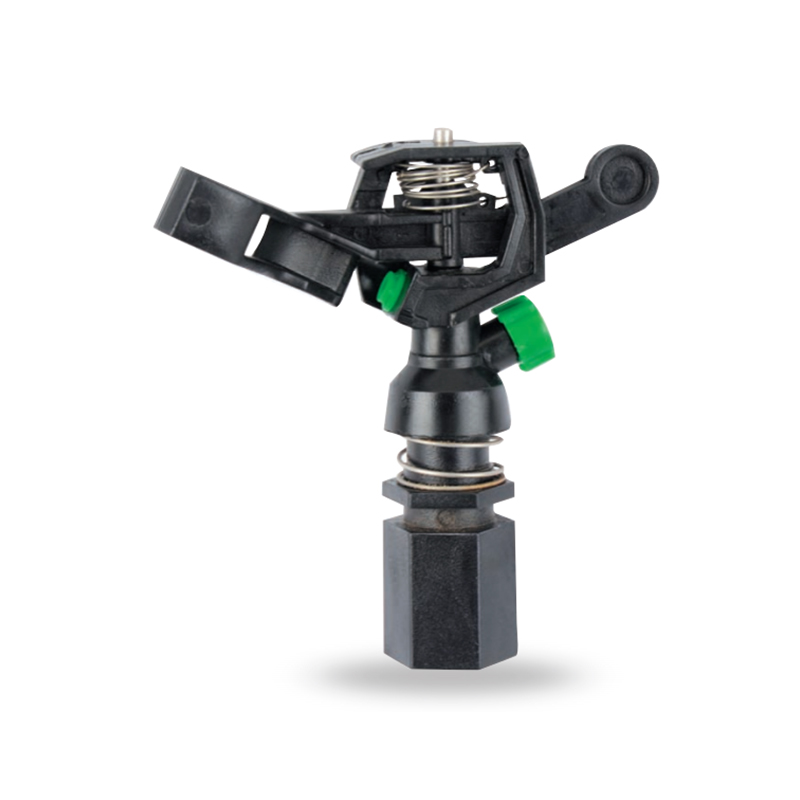
Watering irrigation system 3/4 inch nozzle field Impact Sprinkler is perfect for field irrigation and easily meets the water needs of large crops. Its powerful spray ensures that every nook and cranny...
See Details -
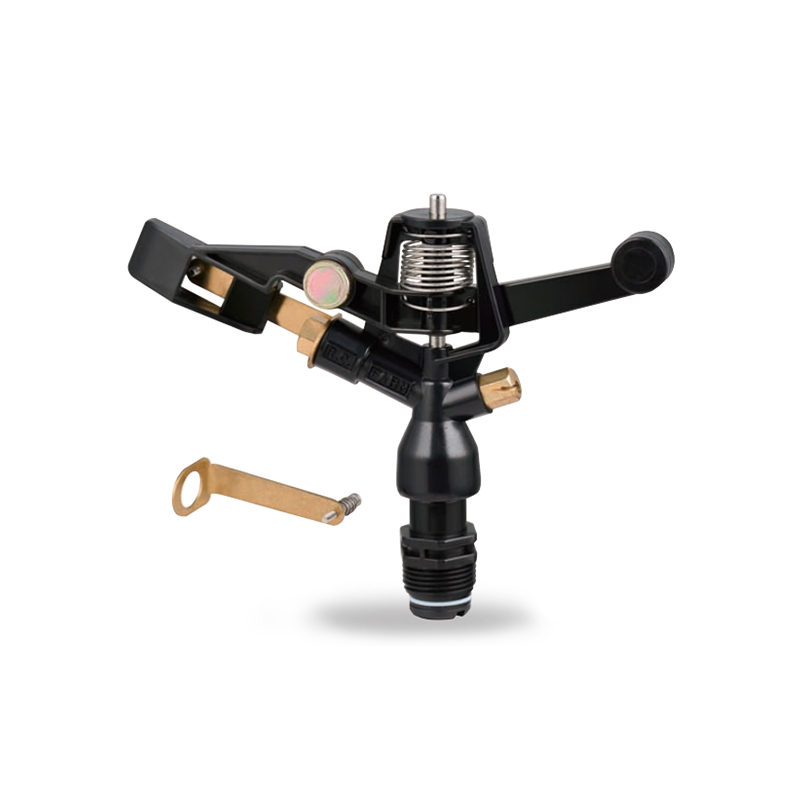
The POM Agricultural Irrigation Sprinkler with Brass Nozzles is an efficient and durable irrigation device designed to meet a wide range of agricultural needs. The sprinkler is made of polyacetal (POM...
See Details -
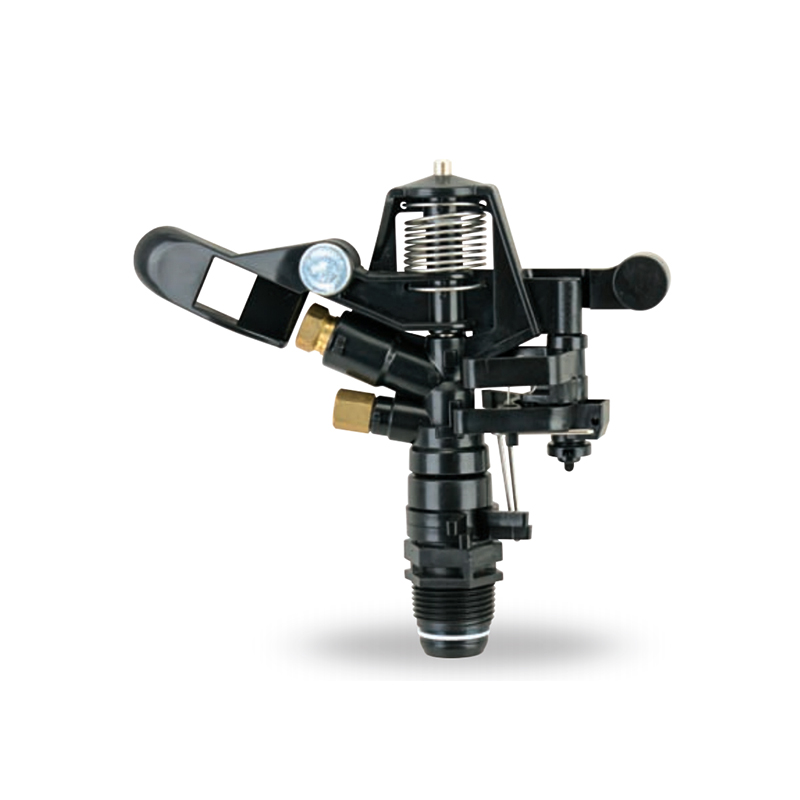
The Double Nozzle Garden Farm Impact Part-Circle Sprinkler is a highly efficient garden irrigation device designed for large planting areas. Its double nozzle design produces a strong, even stream of ...
See Details


PRODUCTS & SERVICES

CONTACT US
 No.518, Ruihao Road, Lizhou Street, Yuyao City, Zhejiang Province, China
 +86-13105554615 / +86-18005843886
 decheng@dcssq.com fredzhu@dcssq.com
 LISA
LISA
 Fred Zhu
Copyright © Ningbo Dewo Irrigation Equipment Co., Ltd. All Rights Reserved. China Agricultural Plastic Sprinkler Manufacturers Wholesale Irrigation Plastic Sprinkler Factory
