

 Search for...
 English
 Español
 中文简体
中文简体Inverted Sprinklers Set Manufacturer
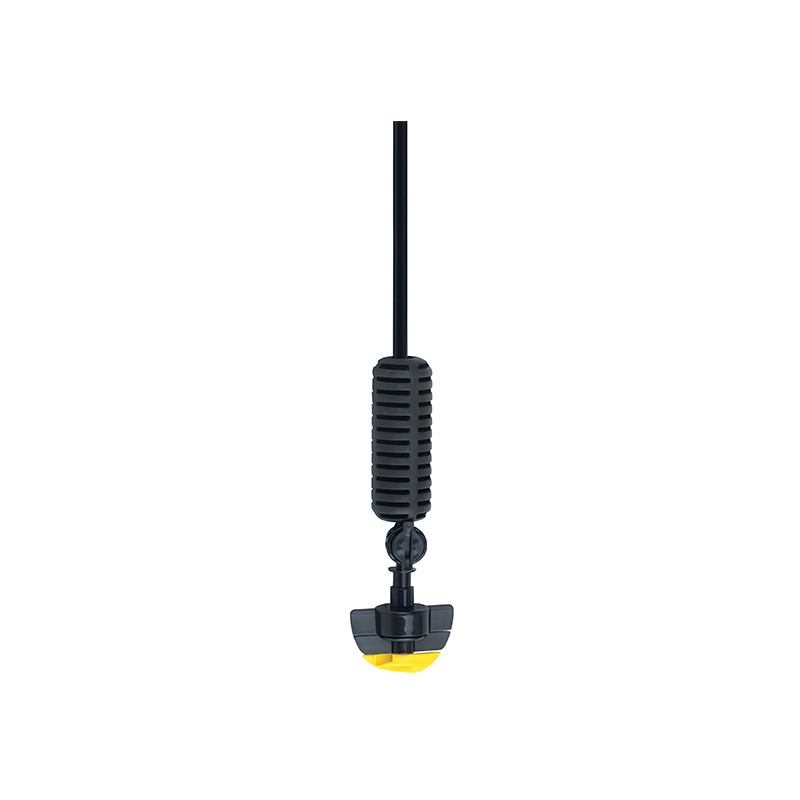
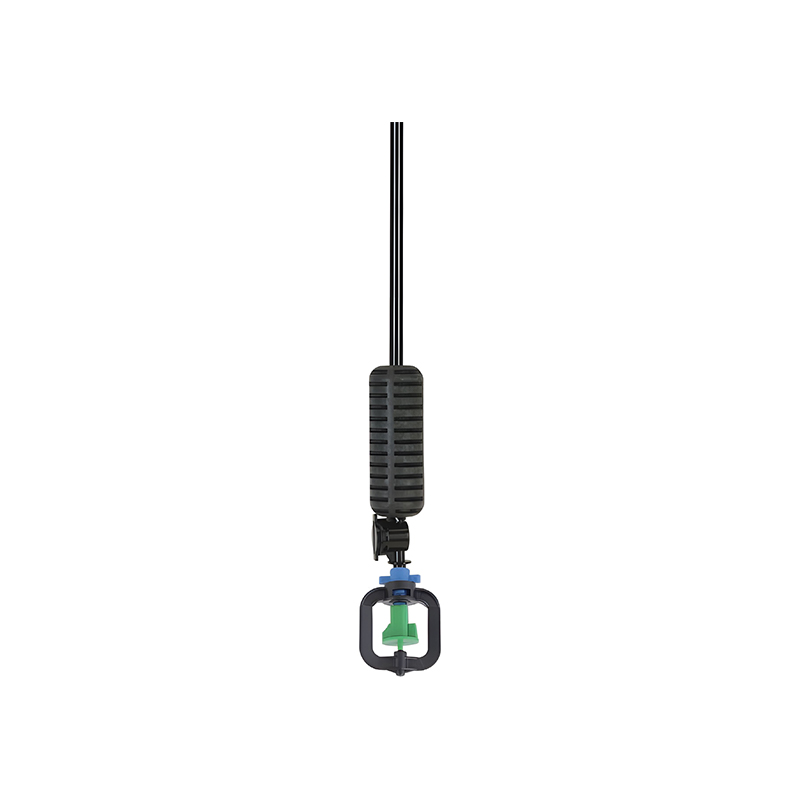
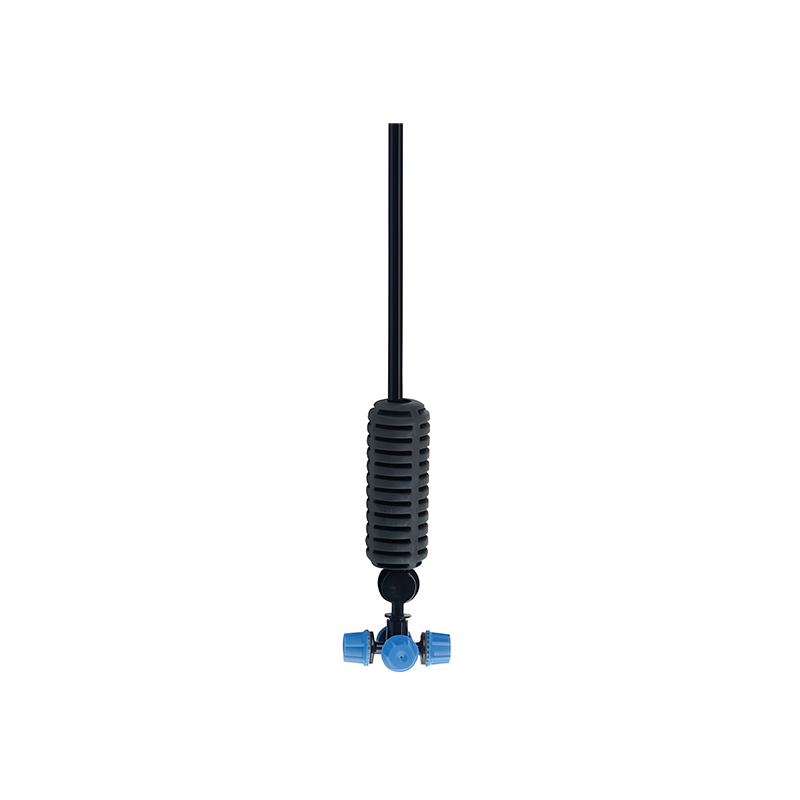
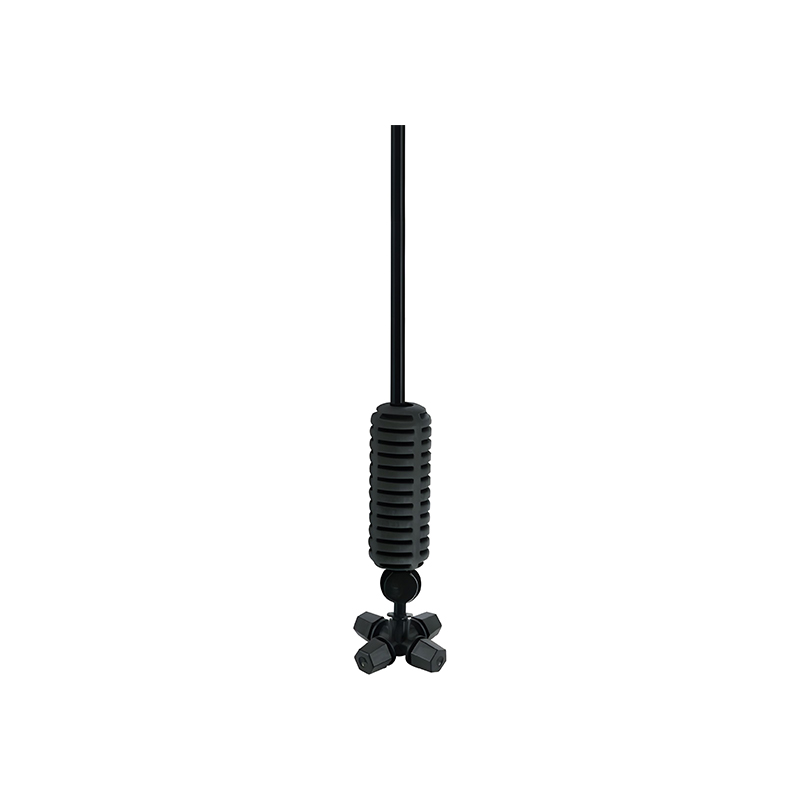
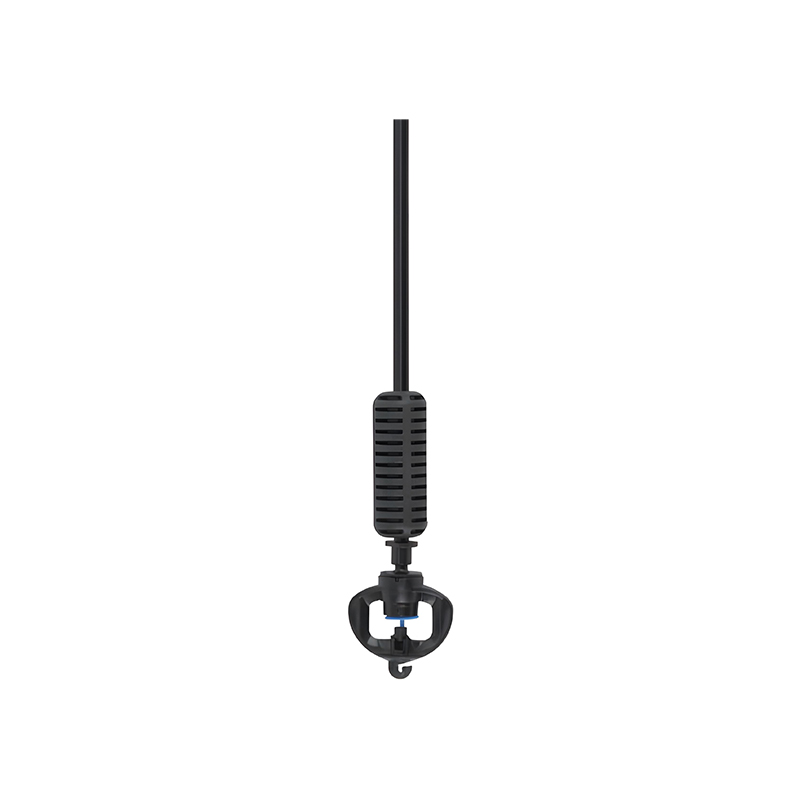
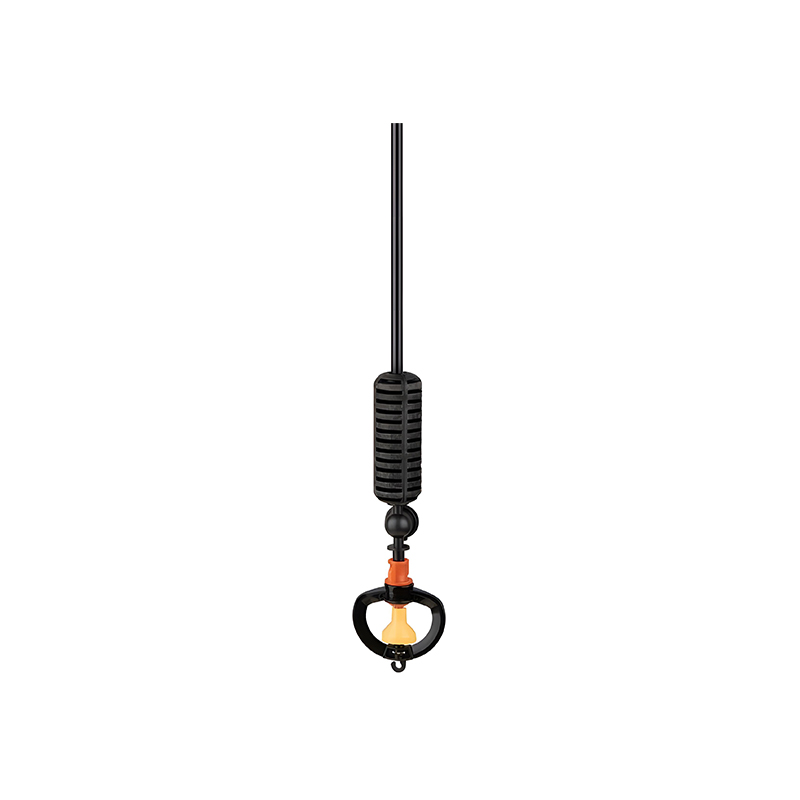
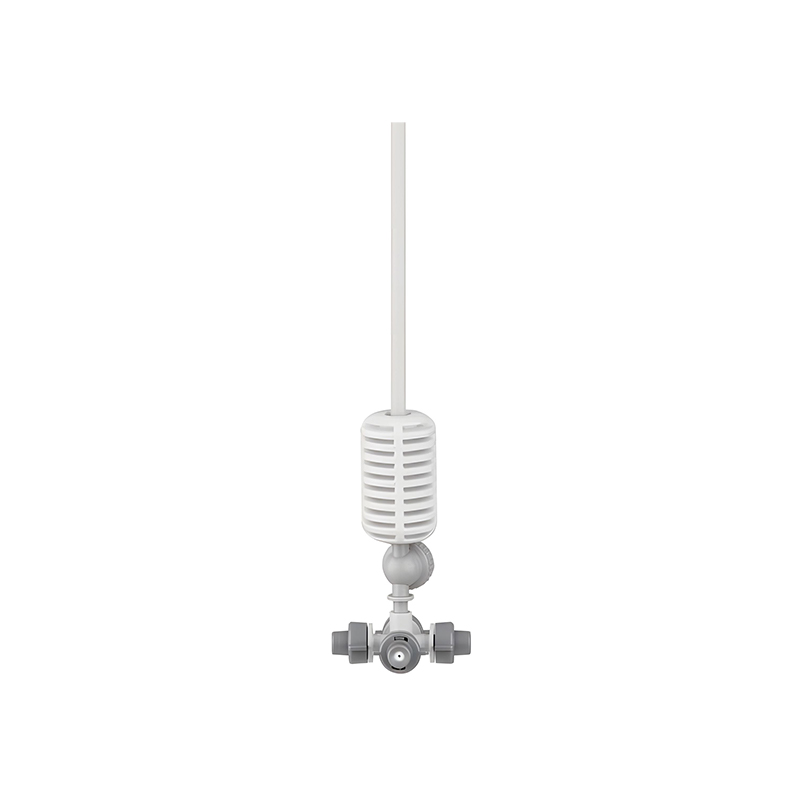
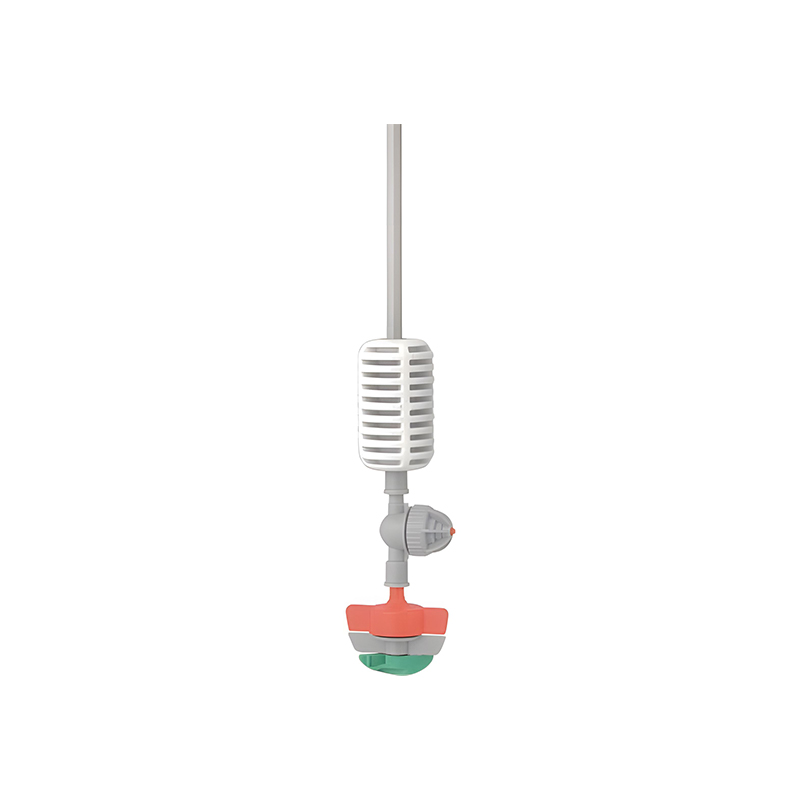
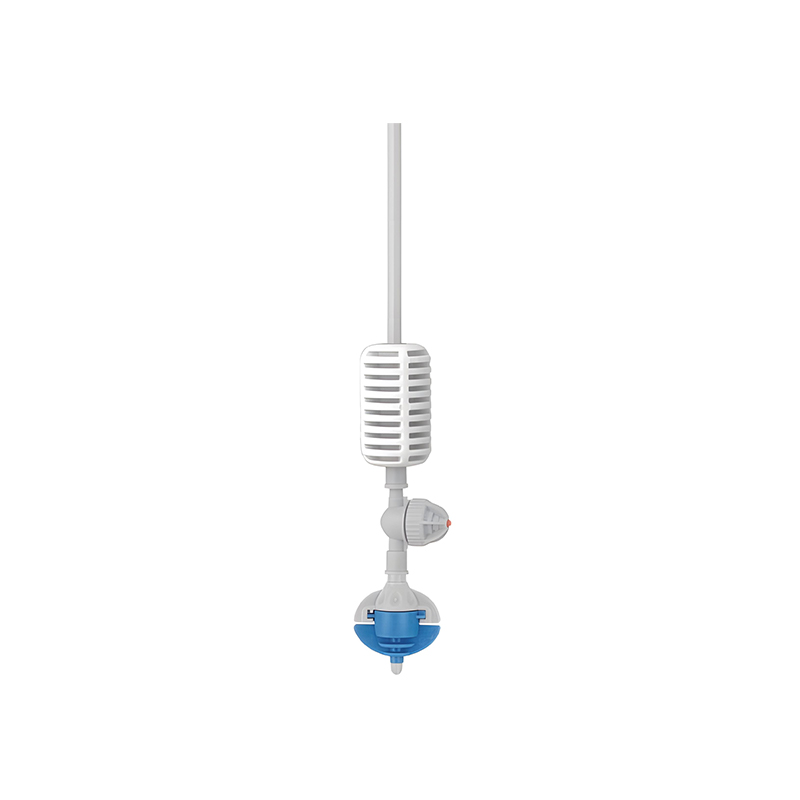
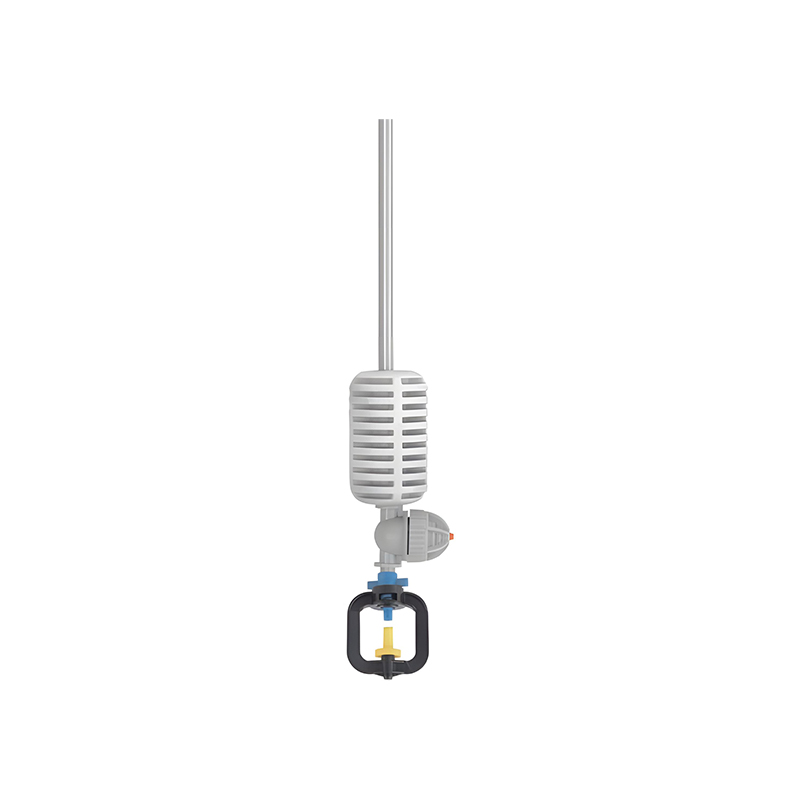
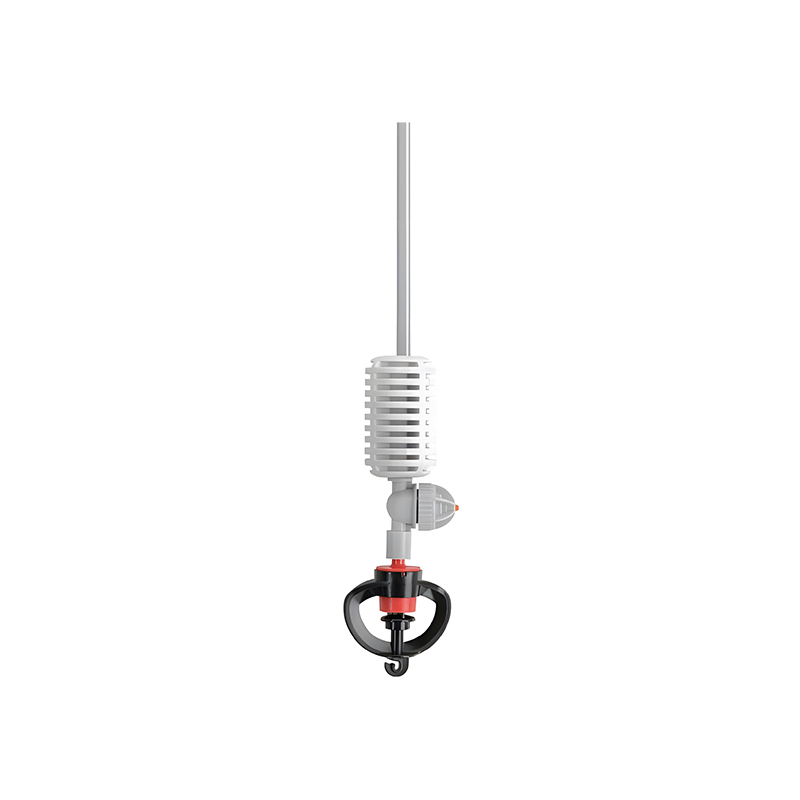
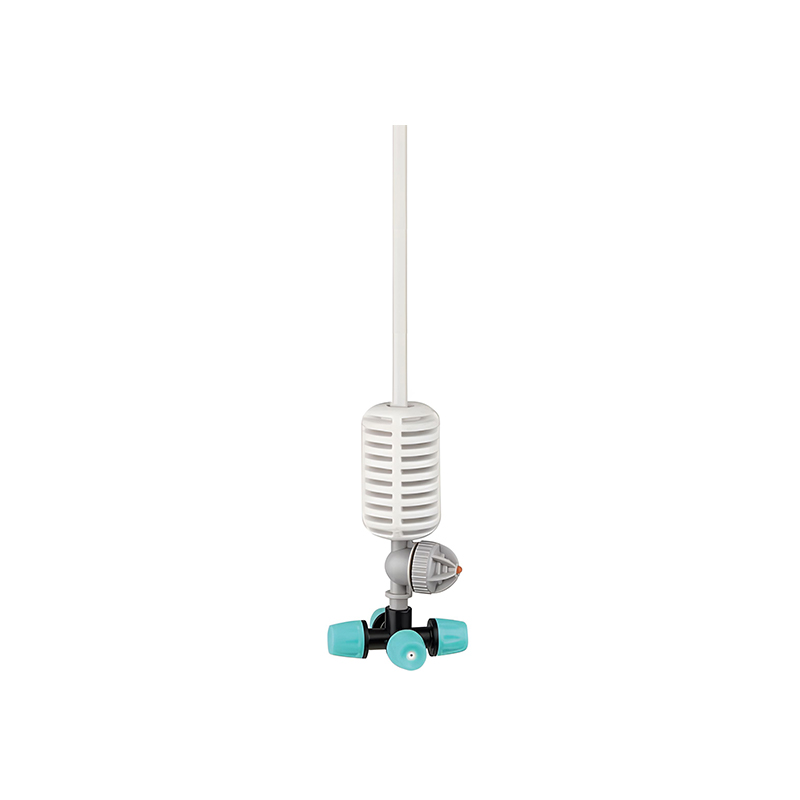
The Inverted Set Series is a flexible and efficient irrigation solution designed to provide ideal moisture coverage in space-constrained environments. This series of products allows users to install the sprinkler heads in an upside-down manner, which can better adapt to different plant needs and planting layouts, ensuring even water supply in all corners. Typically constructed from corrosion-resistant materials, this range of sprinklers offer exceptional durability and UV resistance, allowing for consistent performance in a variety of climate conditions. The installation and adjustment of the upside-down set are simple and convenient, allowing users to quickly set the spray angle and water flow rate to achieve the best irrigation effect. This design not only improves water utilization efficiency, but also ensures that the water needs of plants during growth are effectively met. It is an indispensable tool in modern agriculture and gardening.
Inverted Set

DC-M1601
Contact Us
DC-M1602
Contact Us
DC-M1603
Contact Us
DC-M1604
Contact Us
DC-M1605
Contact Us
DC-M1607
Contact Us
DC-M1608
Contact Us
DC-M1609
Contact Us
DC-M1610
Contact Us
DC-M1611
Contact Us
DC-M1612
Contact Us
DC-M1613
Contact Us
About Us
Ningbo Dewo Irrigation Equipment Co., Ltd.
Ningbo Dewo Irrigation Equipment Co., Ltd. is China Inverted Sprinklers Set Manufacturer and Inverted Sprinklers Set Factory, in Yuyao City, Ningbo, Zhejiang Province. It is adjacent to the two major ports of Ningbo and Shanghai and has very convenient transportation.
With 20 years of professional manufacturing experience, it is a formal manufacturer integrating product design, R&D, production, and sales. It specializes in the production and sales of various water-saving irrigation products.
Dewo Irrigation covers an area of 15,000 square meters. It has a full set of equipment such as injection mold manufacturing, assembly, and testing to ensure the quality and delivery time of customer orders.
Continuously and effectively operate the ISO9001 quality management system, providing the necessary conditions for meeting customer needs.
Our company has always taken "water saving" as its concept and "integrity first, quality first" as its concept. We look forward to sincere cooperation, long-term cooperation, and win-win development with friends from all walks of life at home and abroad.
Virtue is everywhere, and fertile fields are thousands of miles away! Based on virtue, we will work together for fertile fields!
News
-
For most impact sprinklers, you need to run them for approximately 1.5 to 4 hours to deliver 1 inch of water, depending on the nozzle size, operating pressure, and the area each h...
READ MORE -
Impact sprinklers stick primarily because of debris buildup, worn or swollen seals, mineral deposits from hard water, and mechanical wear on the pivot arm spring or bearing. When ...
READ MORE -
The Bottom Line: Estimated Water Volume in 20 Minutes Running a standard residential impact sprinkler for 20 minutes typically consumes between 60 and 100 gallons of water. This e...
READ MORE -
The Fast Way to Achieve 360-Degree Rotation To make an impact sprinkler go 360 degrees, you simply need to flip the metal trip pin (or trip lever) to the UP position so it no long...
READ MORE -
Quick Answer: Standard Impact Sprinkler Water Usage A standard residential impact sprinkler typically uses between 3 to 5 gallons per minute (GPM). However, this flow rate is high...
READ MORE
Related products
-
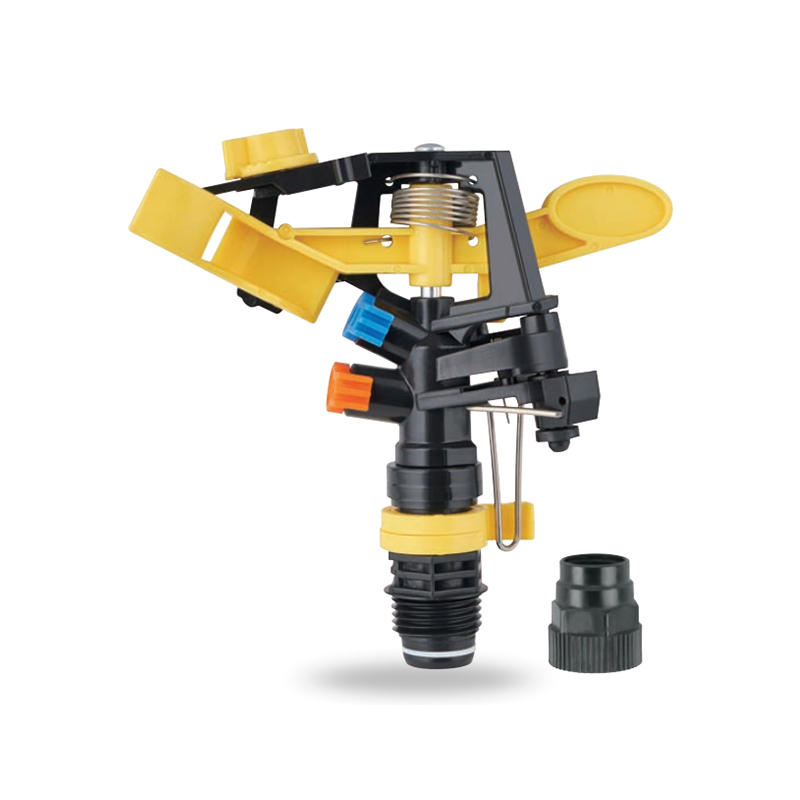
Impact sprinkler for agricultural irrigation is a common and efficient agricultural irrigation tool designed for large areas of farmland. Its unique structure can evenly cover a large area by rotating...
See Details -
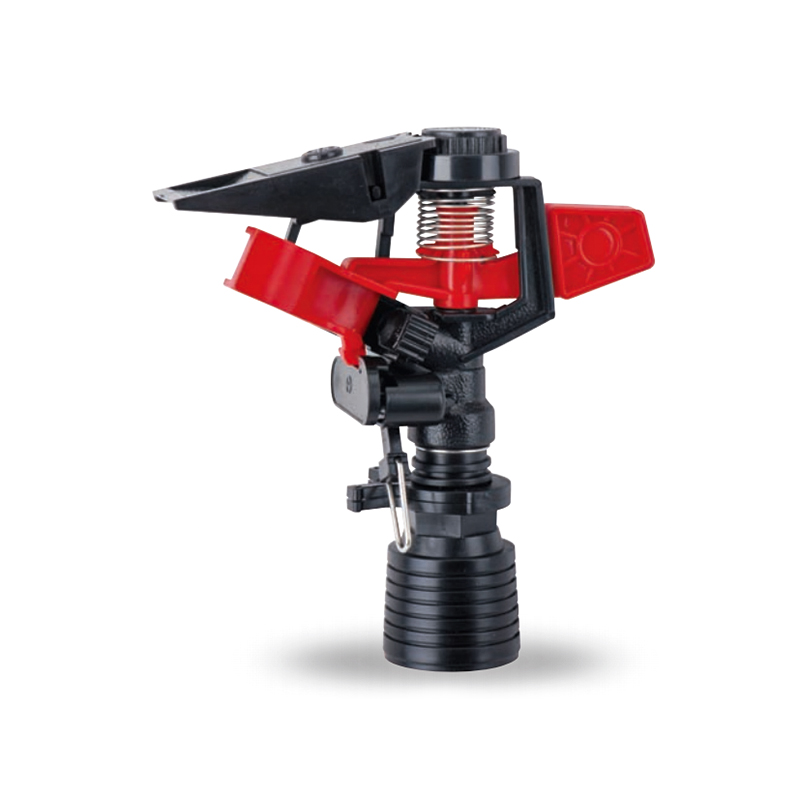
This 360 degree adjustable rocker arm nozzle impact sprinkler is an essential part of an irrigation system designed to meet a wide range of horticultural and agricultural needs. Its flexible adjustmen...
See Details -
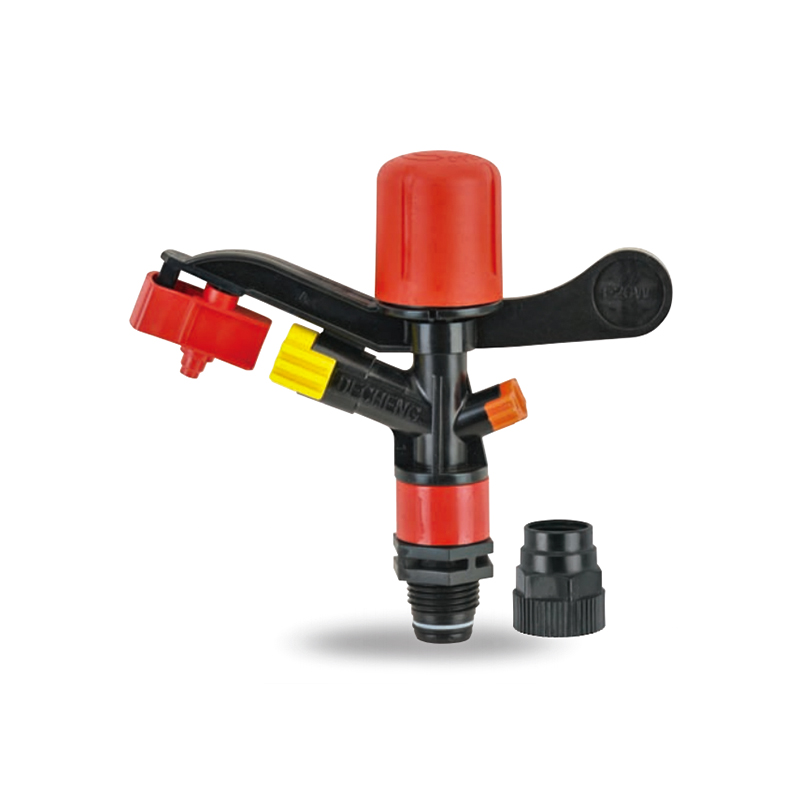
The Plastic Full-Circle Impact Sprinkler Sprayer is a highly efficient full-circle irrigation device designed to provide even moisture coverage. Its lightweight plastic material makes this sprinkler e...
See Details -
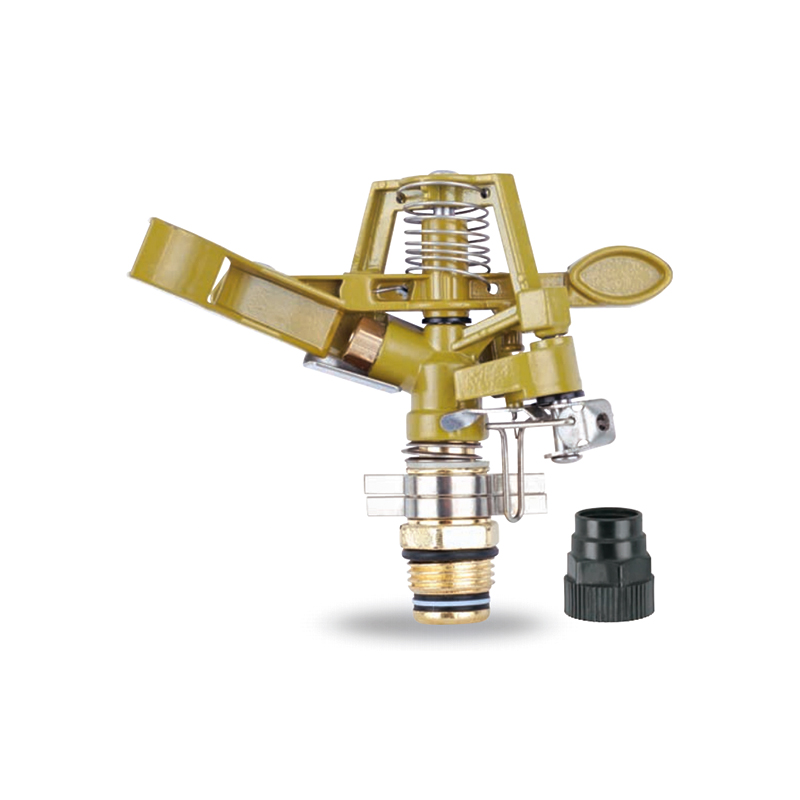
The Irrigation System Adjustable Head Mobile Rotary Zinc Sprinkler is an efficient rotary sprinkler designed for flexible irrigation needs. Its adjustable head allows the user to easily adjust the dir...
See Details -
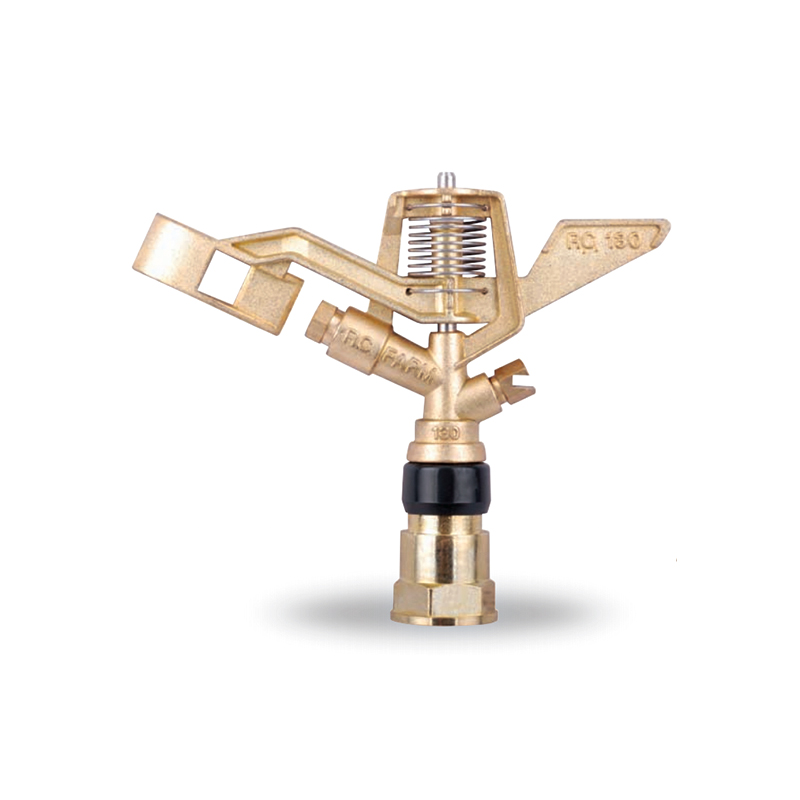
This 3/4” Zinc Alloy Swivel Arm Irrigation Watering System Impact Sprinkler is ideal for agricultural irrigation systems due to its superior durability and corrosion resistance. Its rugged constructio...
See Details -
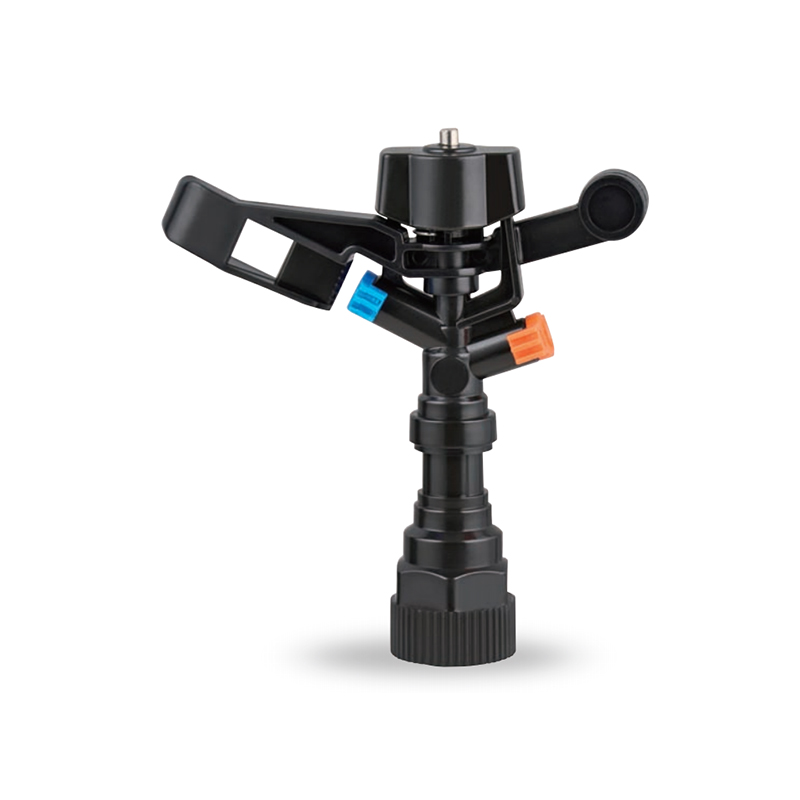
The Double nozzle garden farm impact full-circle sprinkler is well-designed to efficiently and evenly spray water, thus enhancing the quality of crop growth. Whether it's in the home garden or on a la...
See Details
Message Feedback
Inverted Set Industry knowledge
How Do Inverted Sprinklers Set Revolutionize Water Conservation in Modern Agriculture?
As global water scarcity intensifies and sustainable farming practices become imperative, a groundbreaking innovation in irrigation technology is capturing attention: inverted sprinkler systems. Developed by industry leaders like Ningbo Dewo Irrigation Equipment Co., Ltd., these systems are redefining efficiency in modern agriculture by optimizing water distribution while minimizing waste.
The Science Behind Inverted Sprinklers
Traditional overhead sprinklers often lose significant water to evaporation, wind drift, or uneven soil absorption. Inverted sprinklers, however, operate on a redesigned principle—positioning nozzles closer to crop root zones. By directing water upward from ground level, these systems ensure precise delivery to plant bases, reducing runoff and maximizing absorption. Advanced models integrate smart sensors and adjustable pressure controls, enabling farmers to tailor irrigation schedules to soil moisture levels, weather forecasts, and crop-specific needs.
Ningbo Dewo: Pioneering Sustainable Solutions
Headquartered in Yuyao City, Zhejiang Province, Ningbo Dewo Irrigation Equipment Co., Ltd. has emerged as a global leader in water-saving innovations. With two decades of expertise in designing, manufacturing, and distributing irrigation technologies, the company leverages its strategic location near Ningbo and Shanghai ports to deliver high-quality products worldwide.
Environmental and Economic Benefits
Water Savings: Field trials indicate inverted systems reduce evaporation losses by 25–30%, a critical advantage in arid regions.
Energy Efficiency: Lower pumping pressures required for ground-level operation cut energy consumption by approximately 15%.
Crop Resilience: Targeted watering minimizes weed growth and soil erosion while enhancing nutrient retention.
For farmers, these benefits translate to lower operational costs and improved compliance with tightening environmental regulations. Governments and NGOs promoting sustainable agriculture are increasingly incentivizing adoption through subsidies and training programs.
Analysts predict the global smart irrigation market will grow at a CAGR of 15% through 2030, with inverted sprinklers poised to dominate. Companies like Ningbo Dewo are expanding R&D investments to integrate IoT connectivity and AI-driven analytics, enabling real-time adjustments based on data from soil sensors and satellite imaging.
As climate change exacerbates water stress, innovations like inverted sprinklers underscore the agriculture sector’s potential to balance productivity with planetary stewardship.

PRODUCTS & SERVICES

CONTACT US
 No.518, Ruihao Road, Lizhou Street, Yuyao City, Zhejiang Province, China
 +86-13105554615 / +86-18005843886
 decheng@dcssq.com fredzhu@dcssq.com
 LISA
LISA
 Fred Zhu
Copyright © Ningbo Dewo Irrigation Equipment Co., Ltd. All Rights Reserved. China Inverted Sprinklers Set Manufacturer Inverted Sprinklers Set Factory
