

 Search for...
 English
 Español
 中文简体
中文简体Inverted/Upright Sprinklers Set Series Suppliers
The Inverted/Upright Set Series is a flexible irrigation solution designed for different installation scenarios. This series of products offers two installation options, inverted and upright, and is suitable for greenhouses, orchards and other areas that require top or bottom water spraying. Whether hung upside down over crops to provide gentle coverage, or sprayed directly from the ground, efficient and even moisture distribution is achieved. Inverted sprinklers are usually used to reduce water droplet contact with plant leaves and reduce the risk of disease, while upright sprinklers are suitable for regular ground spraying. The design of this series of products focuses on water saving and ease of operation. It provides adjustable water spray angle and range to meet a variety of irrigation needs, while ensuring flexible installation and convenient maintenance of the system.
INVERTED/UPRIGHT SET SERIES
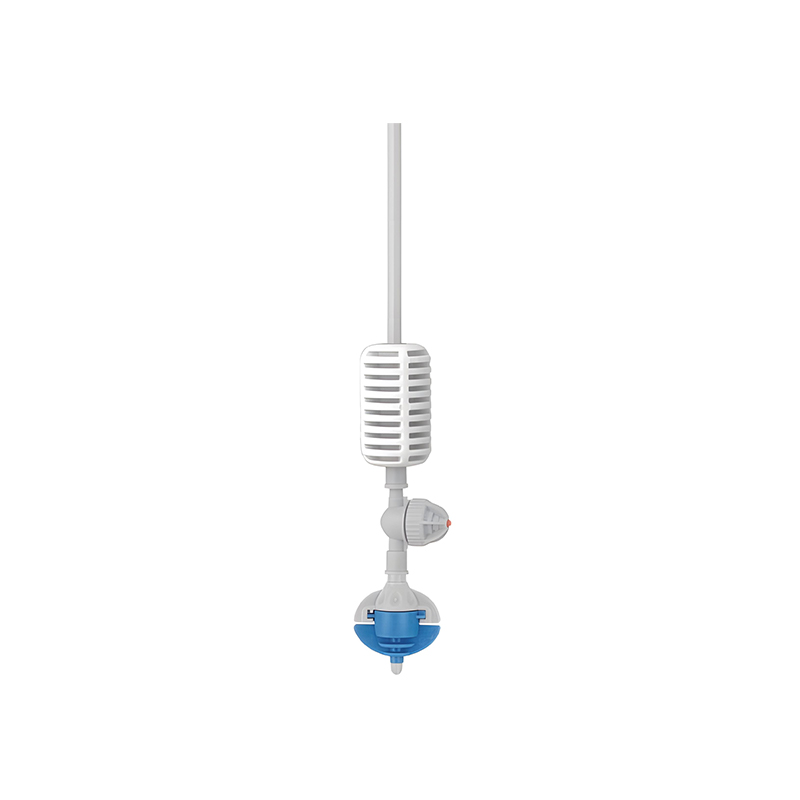

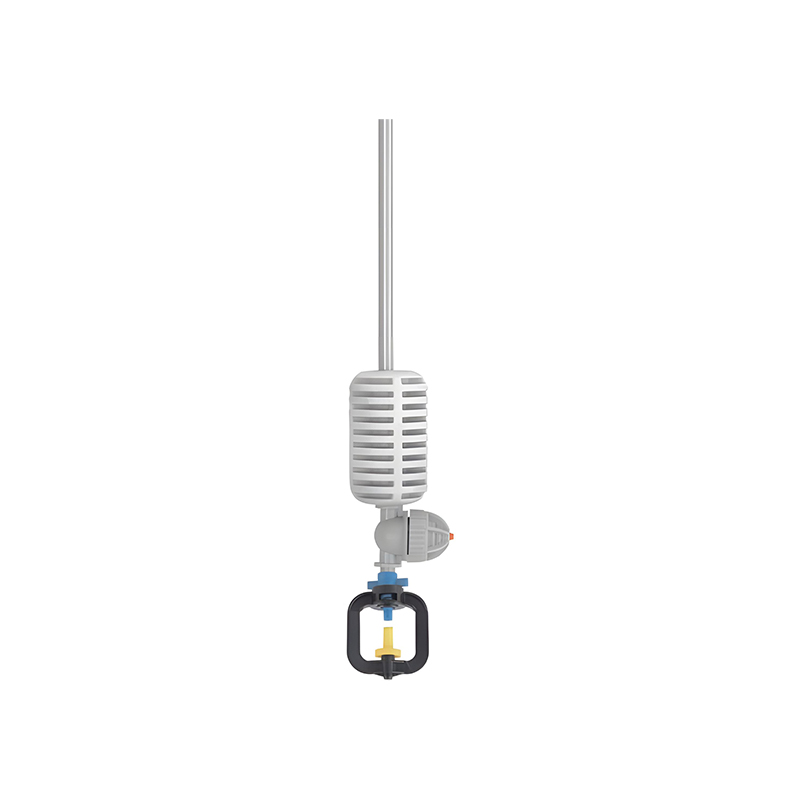
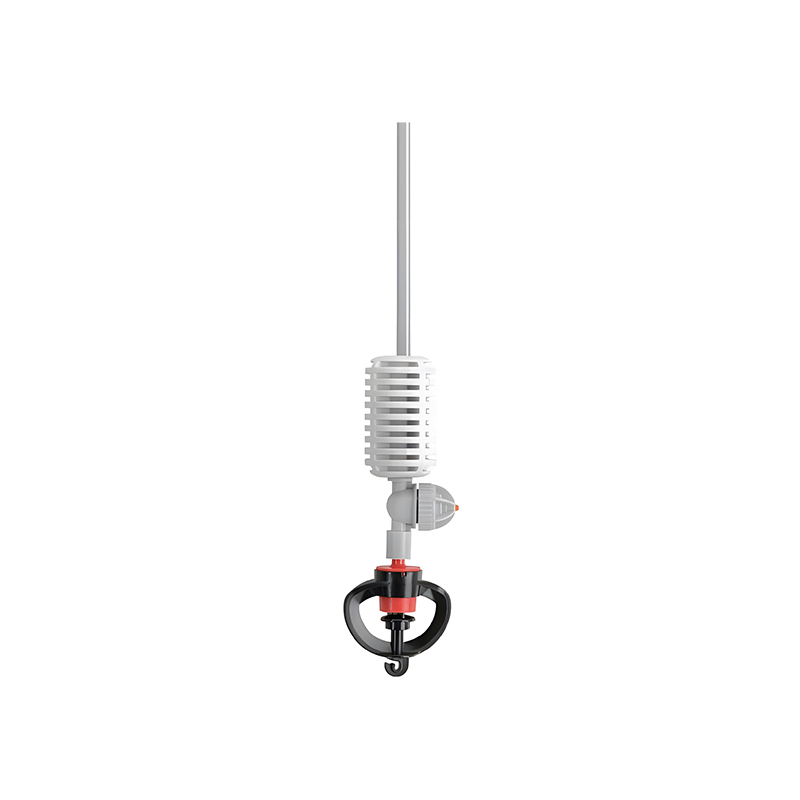
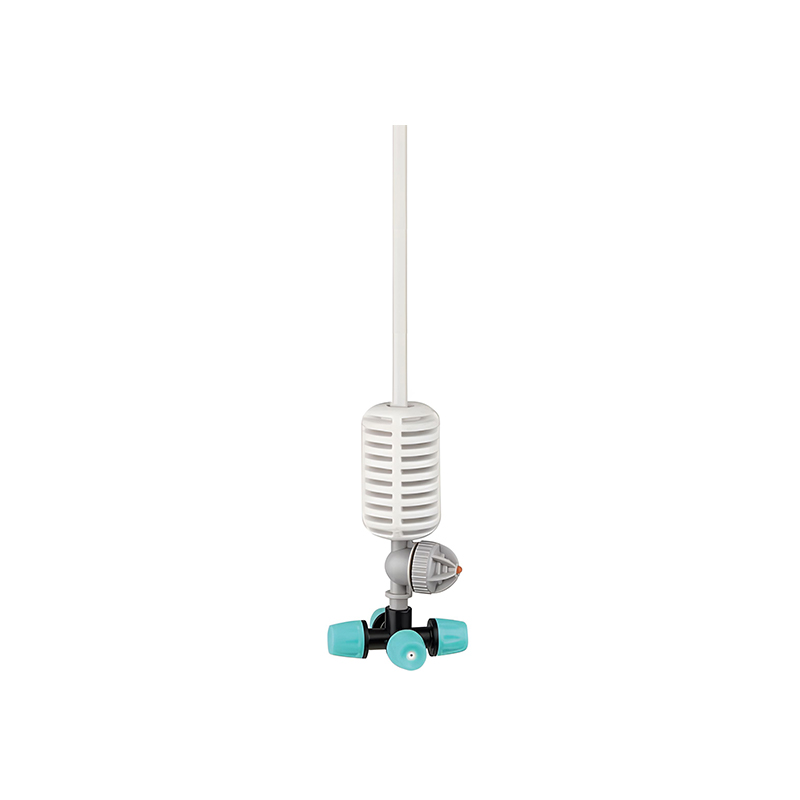
DC-M1610
Contact Us
DC-M1611
Contact Us
DC-M1612
Contact Us
DC-M1613
Contact Us
About Us
Ningbo Dewo Irrigation Equipment Co., Ltd.
Ningbo Dewo Irrigation Equipment Co., Ltd. is China Inverted/Upright Sprinklers Set Series Suppliers and Inverted/Upright Sprinklers Set Series Company, in Yuyao City, Ningbo, Zhejiang Province. It is adjacent to the two major ports of Ningbo and Shanghai and has very convenient transportation.
With 20 years of professional manufacturing experience, it is a formal manufacturer integrating product design, R&D, production, and sales. It specializes in the production and sales of various water-saving irrigation products.
Dewo Irrigation covers an area of 15,000 square meters. It has a full set of equipment such as injection mold manufacturing, assembly, and testing to ensure the quality and delivery time of customer orders.
Continuously and effectively operate the ISO9001 quality management system, providing the necessary conditions for meeting customer needs.
Our company has always taken "water saving" as its concept and "integrity first, quality first" as its concept. We look forward to sincere cooperation, long-term cooperation, and win-win development with friends from all walks of life at home and abroad.
Virtue is everywhere, and fertile fields are thousands of miles away! Based on virtue, we will work together for fertile fields!
News
-
Most drip irrigation systems should run for 1 to 4 hours per watering cycle, but the exact time is not a fixed number. The reliable way is to calculate how much water the plant ac...
READ MORE -
Setting up a drip irrigation system for your garden is a straightforward project. You do not need a professional installer or a big budget. With a clear plan, a few standard compo...
READ MORE -
The One-Minute Answer to Choosing Sprinkler Heads You do not choose a sprinkler head because it looks impressive on a shelf. You choose it because its throw distance, flow rate, a...
READ MORE -
The Short Answer: Drip Irrigation Is Installed in Six Basic Steps If you have a row of vegetables, a mixed flower bed, or a dooryard orchard, the quickest way to cut water waste i...
READ MORE -
The Direct Answer: No Fixed Number, But a Flow Budget There is no single universal number of drippers per line, because the real limit is the total flow rate the tubing can carry ...
READ MORE
Related products
-
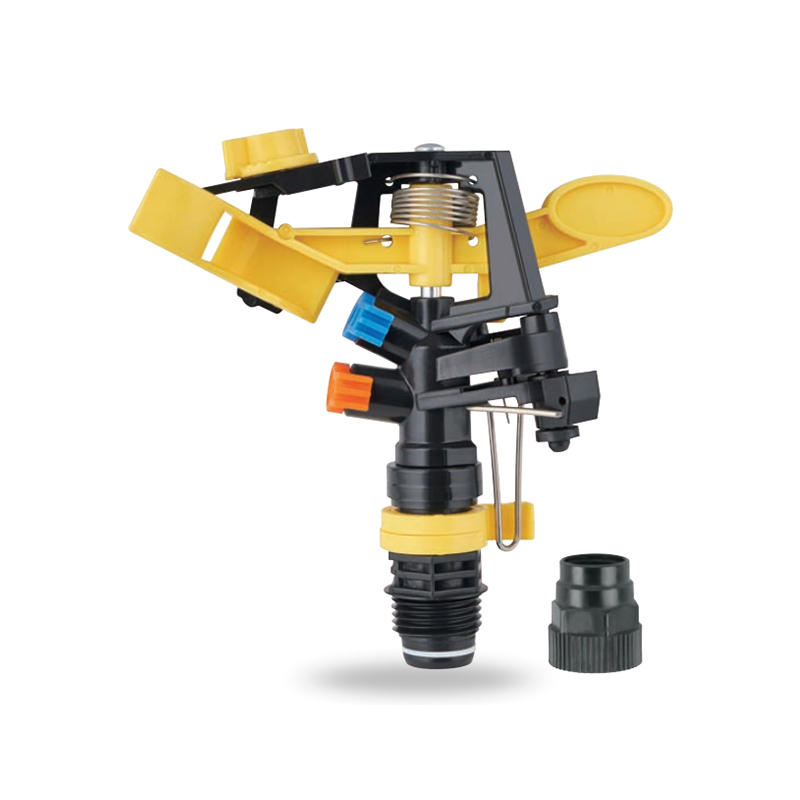
Impact sprinkler for agricultural irrigation is a common and efficient agricultural irrigation tool designed for large areas of farmland. Its unique structure can evenly cover a large area by rotating...
See Details -
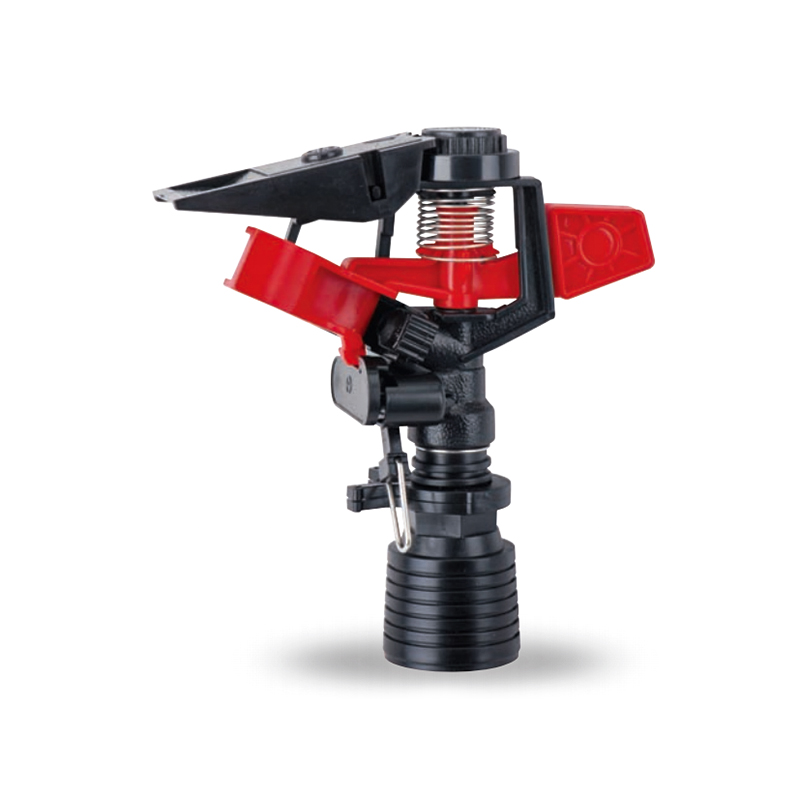
This 360 degree adjustable rocker arm nozzle impact sprinkler is an essential part of an irrigation system designed to meet a wide range of horticultural and agricultural needs. Its flexible adjustmen...
See Details -
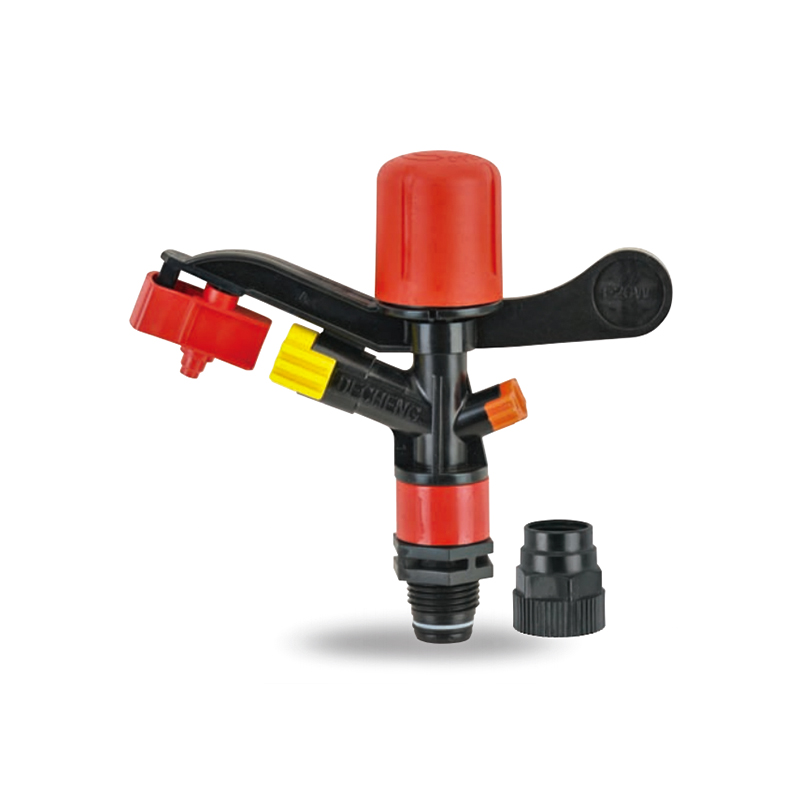
The Plastic Full-Circle Impact Sprinkler Sprayer is a highly efficient full-circle irrigation device designed to provide even moisture coverage. Its lightweight plastic material makes this sprinkler e...
See Details -
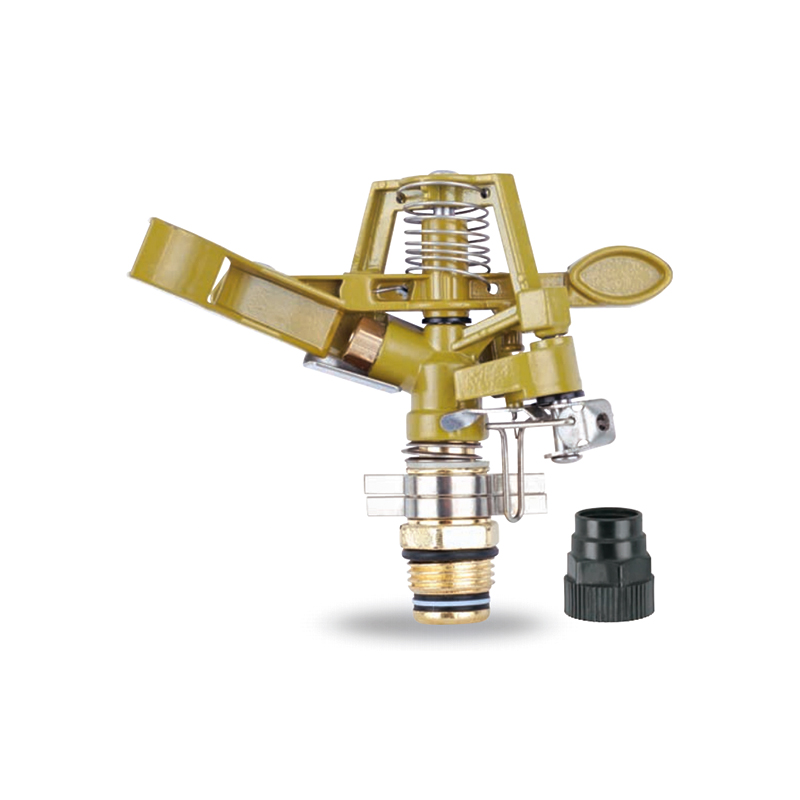
The Irrigation System Adjustable Head Mobile Rotary Zinc Sprinkler is an efficient rotary sprinkler designed for flexible irrigation needs. Its adjustable head allows the user to easily adjust the dir...
See Details -
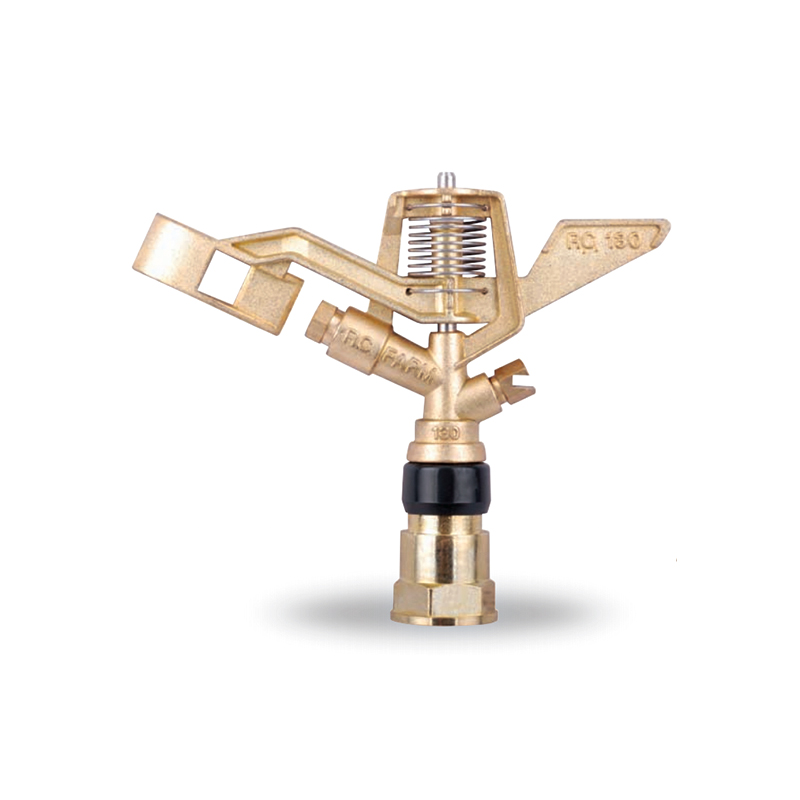
This 3/4” Zinc Alloy Swivel Arm Irrigation Watering System Impact Sprinkler is ideal for agricultural irrigation systems due to its superior durability and corrosion resistance. Its rugged constructio...
See Details -
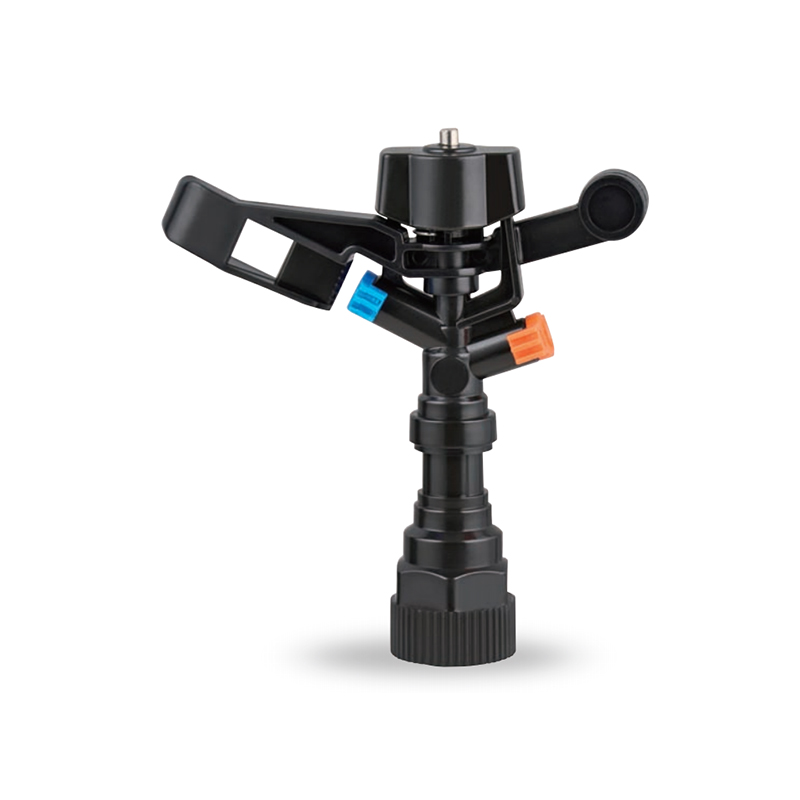
The Double nozzle garden farm impact full-circle sprinkler is well-designed to efficiently and evenly spray water, thus enhancing the quality of crop growth. Whether it's in the home garden or on a la...
See Details
Message Feedback
INVERTED/UPRIGHT SET SERIES Industry knowledge
What Hidden Dangers Exist When Mixing Inverted and Upright Sprinklers?
In agricultural and landscape irrigation, the choice between inverted and upright sprinklers is often dictated by terrain, crop type, and water efficiency goals. However, a growing trend of mixing these two systems without professional guidance has raised alarms among irrigation specialists.
Why Mixing Sprinkler Types Poses Risks
Pressure Imbalance and Water Distribution Inconsistencies
Inverted sprinklers operate under lower pressure for targeted root-zone watering, while upright systems require higher pressure for broad coverage. Combining them strains pumps and pipelines, leading to uneven watering.
Component Wear and Premature Failure
The mechanical stress from conflicting pressure requirements accelerates wear on valves, filters, and nozzles. Upright sprinklers in high-pressure zones may leak or fracture when paired with inverted systems calibrated for gentler flows.
Reduced Water Efficiency and Sustainability
Modern irrigation systems prioritize water conservation, but mismatched sprinklers waste resources. For example, inverted heads in turfgrass—where upright sprayers are standard—can oversaturate soil while failing to cover edges adequately.
The Role of Professional Design and Standardization
Ningbo Dewo Irrigation emphasizes that system design must align with ISO and ASABE standards. Their R&D team advocates for zone-specific layouts: inverted sprinklers for delicate crops or sloped terrain, upright units for open fields.
Located near Ningbo and Shanghai ports, Dewo Irrigation leverages its 20 years of manufacturing experience to produce customizable, corrosion-resistant sprinklers. Their testing data reveals that standardized systems last 30% longer than improvised hybrids. The company also offers retrofitting services to realign mismatched setups.
While innovation drives irrigation technology, mixing sprinkler types without technical oversight risks equipment damage, resource waste, and subpar yields. As drought conditions intensify globally, adhering to engineered solutions from certified manufacturers like Dewo Irrigation ensures reliability and sustainability.

PRODUCTS & SERVICES

CONTACT US
 No.518, Ruihao Road, Lizhou Street, Yuyao City, Zhejiang Province, China
 +86-13105554615 / +86-18005843886
 decheng@dcssq.com fredzhu@dcssq.com
 LISA
LISA
 Fred Zhu
Copyright © Ningbo Dewo Irrigation Equipment Co., Ltd. All Rights Reserved. China Inverted/Upright Sprinklers Set Series Suppliers Inverted/Upright Sprinklers Set Series Company
