

 Search for...
 English
 Español
 中文简体
中文简体Irrigation Plastic Valve Suppliers
The Valves & Pipe Fitting Series is a key component in an irrigation system, designed to connect and control water flow. This series of products includes a variety of valves, joints, and pipe fittings, suitable for different types of irrigation and water delivery systems, ensuring smooth and precise flow of water in pipes.The valve provides precise on-off and flow adjustment functions, allowing the user to control the amount of water as needed. The pipe fittings are made of high-quality and durable materials, which are resistant to pressure and corrosion, and can adapt to various complex installation environments and water quality conditions. Whether it is agricultural irrigation, gardening systems, or industrial water use, these products ensure stable and efficient operation while simplifying system installation and maintenance.
VALVES & PIPE FITTING SERIES
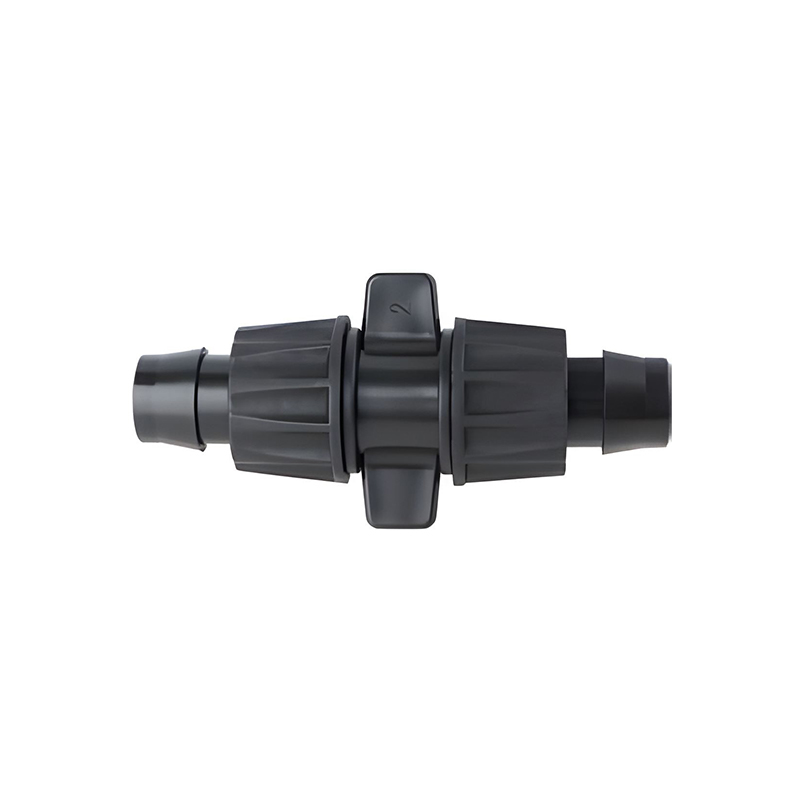

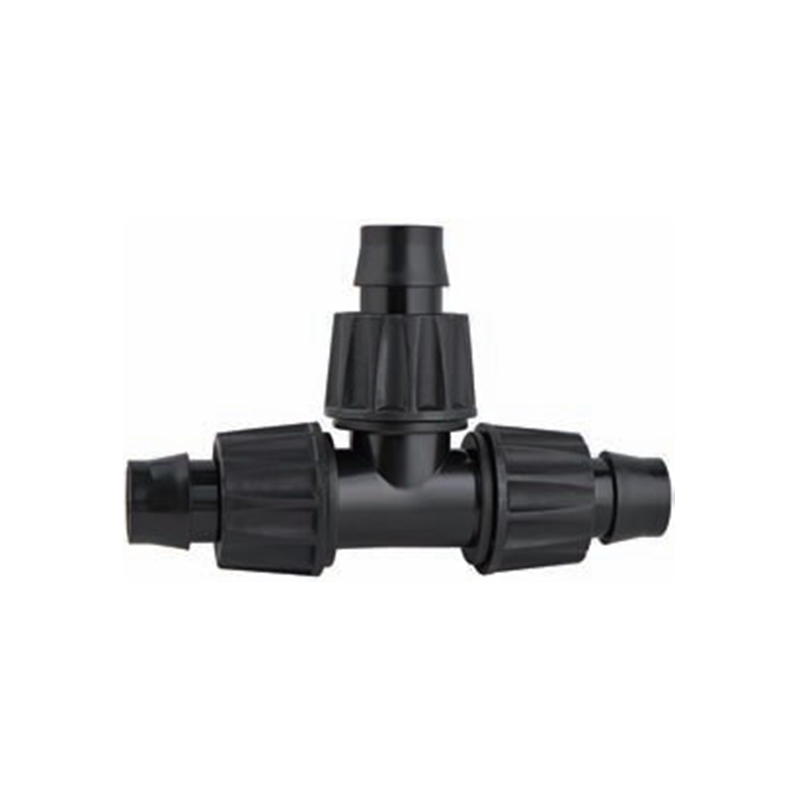
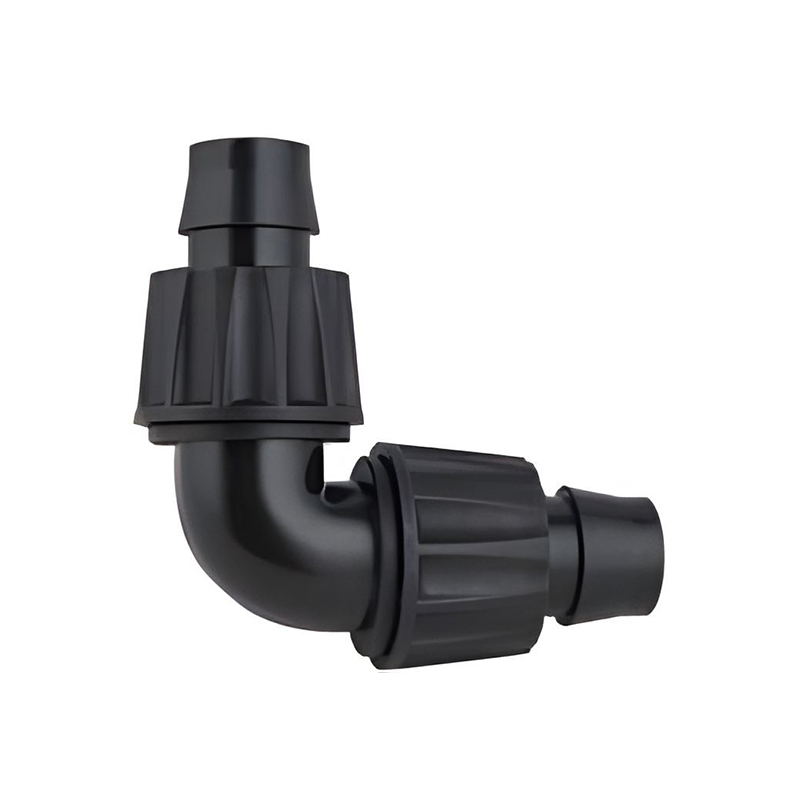
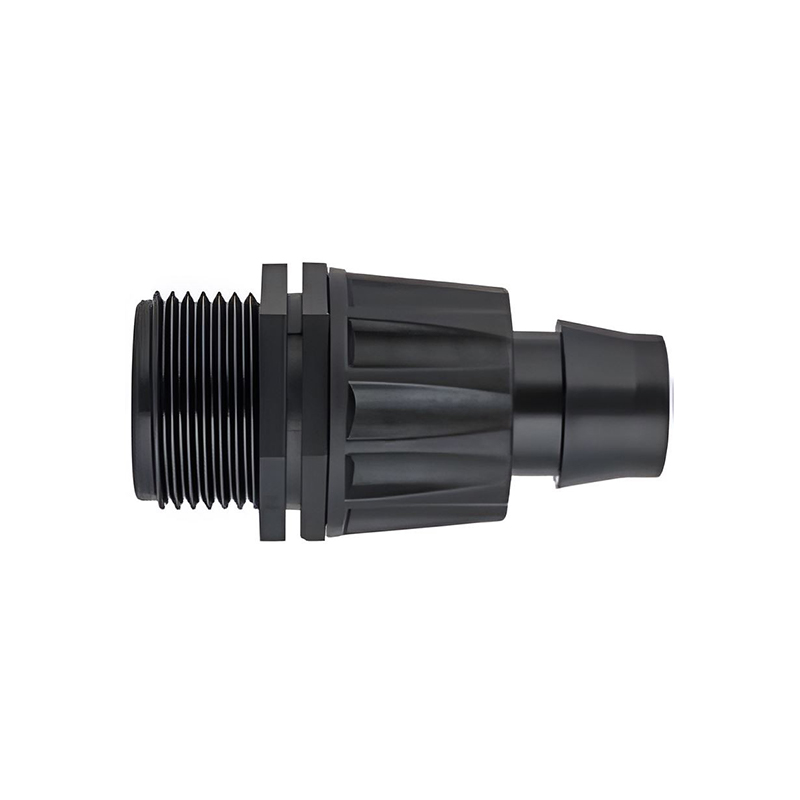
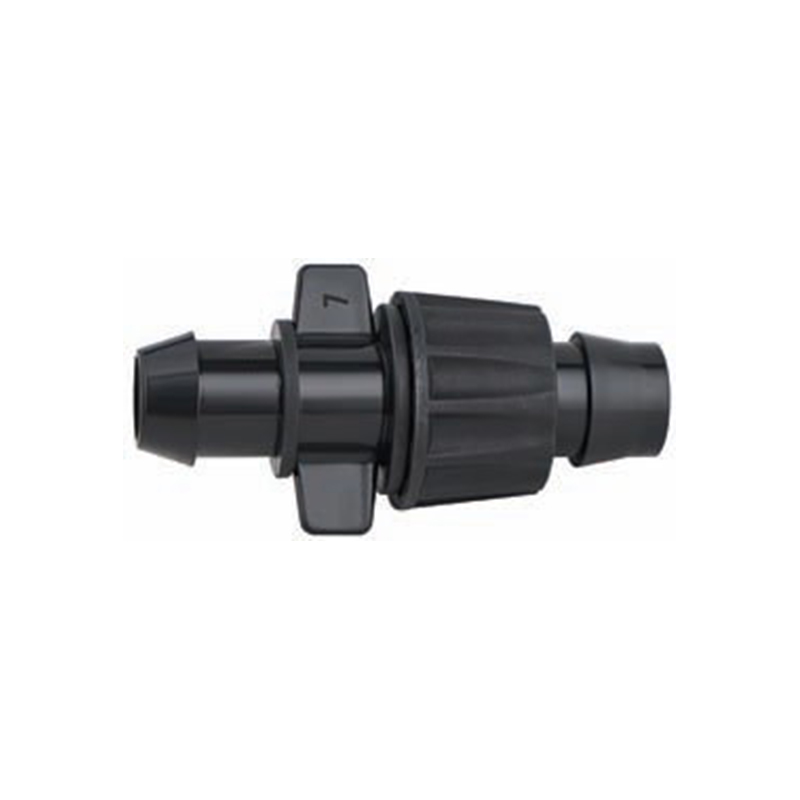
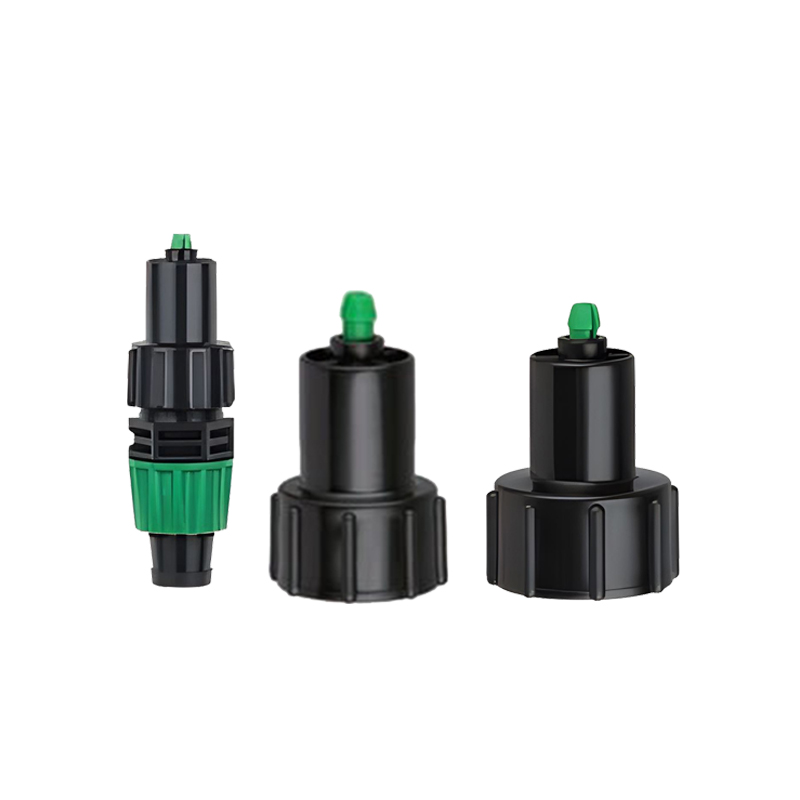
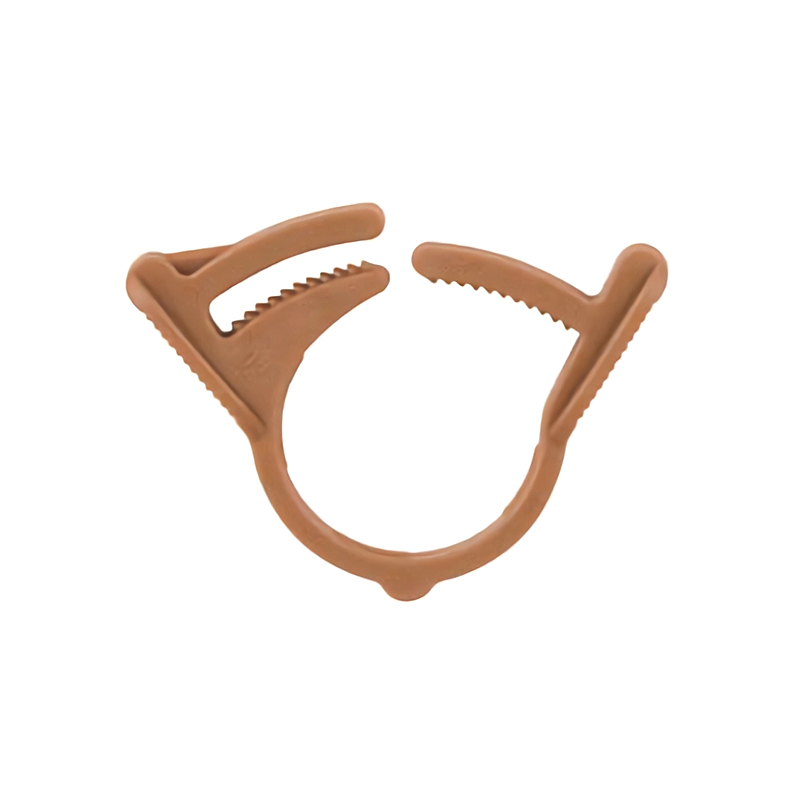
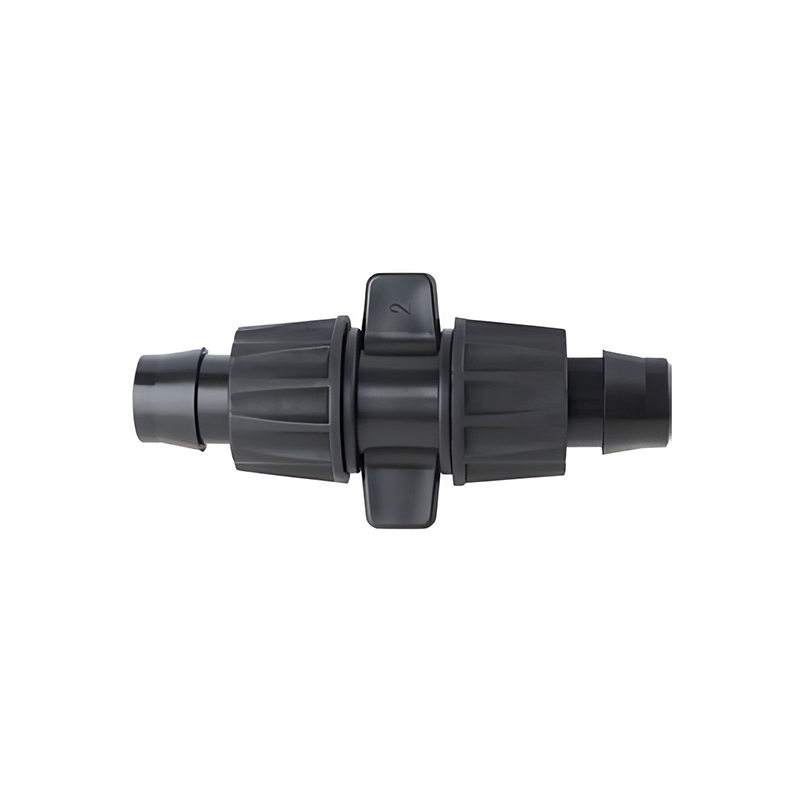
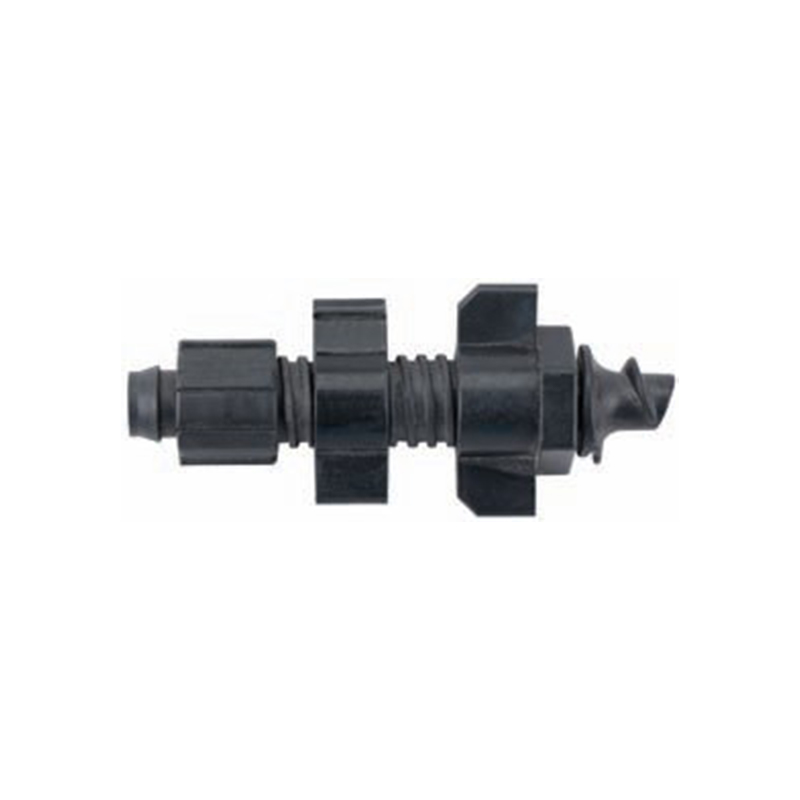
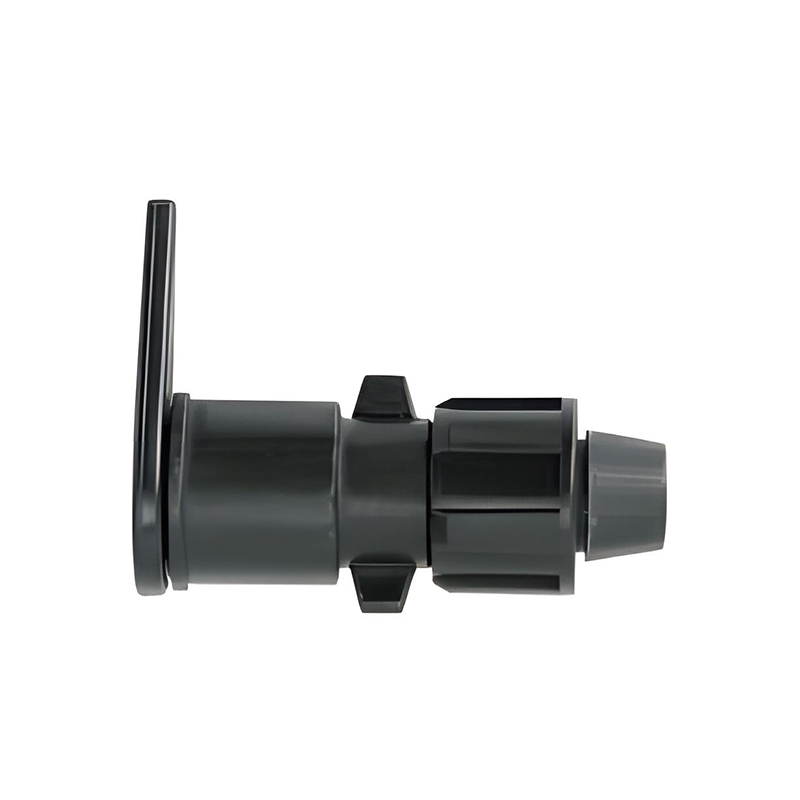
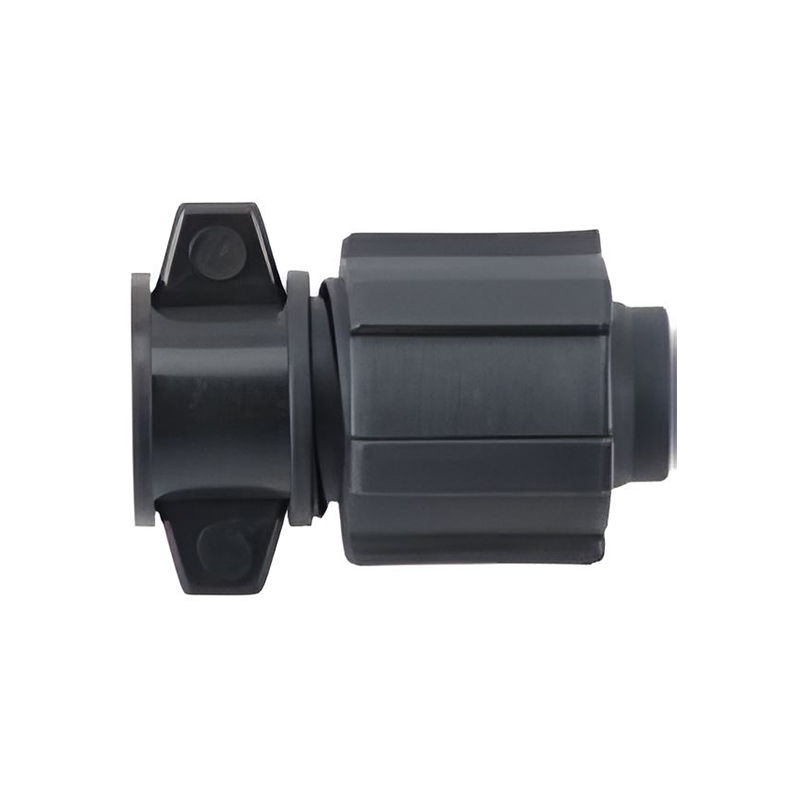
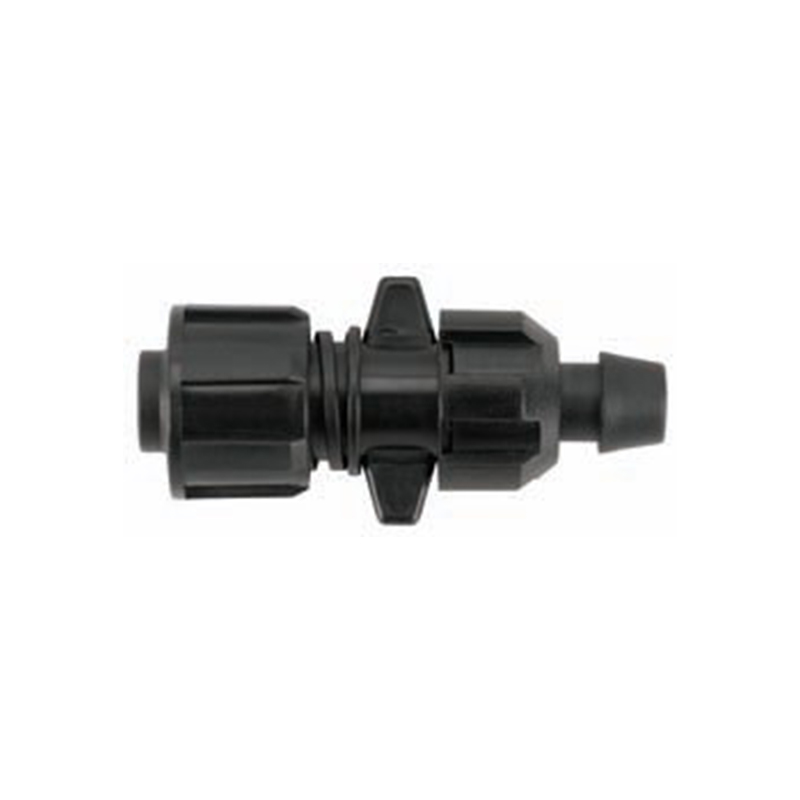
DC-F32-3
|
Size
|
Ø20×Ø20 |
| Ø25×Ø25 |
Contact Us
DC-F32-4
|
Size
|
Ø20×Ø20 |
| Ø25×Ø25 |
Contact Us
DC-F32-5
|
Size
|
Ø20×Ø20 |
| Ø25×Ø25 |
Contact Us
DC-F32-6
|
Size
|
Ø20×3/4'' |
Contact Us
DC-F32-7
|
Size
|
Ø20×Ø20 |
| Ø25×Ø25 |
Contact Us
DW-F40
|
Size
|
1/2" |
| 3/4" |
Contact Us
DW-F41
|
Size
|
Ø12 Ø16 Ø20 Ø25
|
Contact Us
DC-F25
|
Size
|
Ø16xØ12
|
Contact Us
DC-F26
|
Size
|
Ø16
|
Contact Us
DC-F26-1
|
Size
|
Ø16
|
Contact Us
DC-F27
|
Size
|
Ø16
|
Contact Us
DC-F28
|
Size
|
Ø16
|
Contact Us
About Us
Ningbo Dewo Irrigation Equipment Co., Ltd.
Ningbo Dewo Irrigation Equipment Co., Ltd. is China Irrigation Plastic Valve Suppliers and Irrigation Plastic Valve Company, in Yuyao City, Ningbo, Zhejiang Province. It is adjacent to the two major ports of Ningbo and Shanghai and has very convenient transportation.
With 20 years of professional manufacturing experience, it is a formal manufacturer integrating product design, R&D, production, and sales. It specializes in the production and sales of various water-saving irrigation products.
Dewo Irrigation covers an area of 15,000 square meters. It has a full set of equipment such as injection mold manufacturing, assembly, and testing to ensure the quality and delivery time of customer orders.
Continuously and effectively operate the ISO9001 quality management system, providing the necessary conditions for meeting customer needs.
Our company has always taken "water saving" as its concept and "integrity first, quality first" as its concept. We look forward to sincere cooperation, long-term cooperation, and win-win development with friends from all walks of life at home and abroad.
Virtue is everywhere, and fertile fields are thousands of miles away! Based on virtue, we will work together for fertile fields!
News
-
Quick Answer: How To Set An Oscillating Sprinkler To set an oscillating sprinkler correctly, place it on leve...
READ MORE -
How To Put A Hose On A Hose Reel Cart: The Short Answer The fastest way to mount a garden hose on a reel cart...
READ MORE -
Quick Answer: How Impact Sprinklers Work An impact sprinkler works by using water pressure to push a spring-l...
READ MORE -
Adjusting an oscillating sprinkler is straightforward once you know the three main controls: the range slide...
READ MORE -
How Do Soaker Hoses Work: The Complete Guide to Efficient Garden Watering A soaker hose is a porous, flexib...
READ MORE
Related products
-
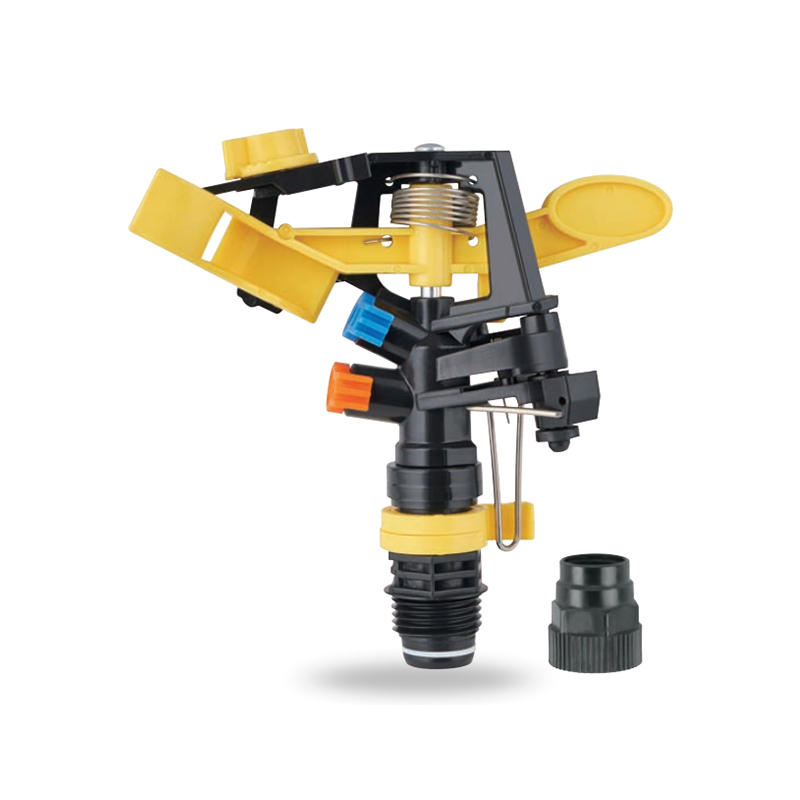
Impact sprinkler for agricultural irrigation is a common and efficient agricultural irrigation tool designed for large areas of farmland. Its unique structure can evenly cover a large area by rotating...
See Details -
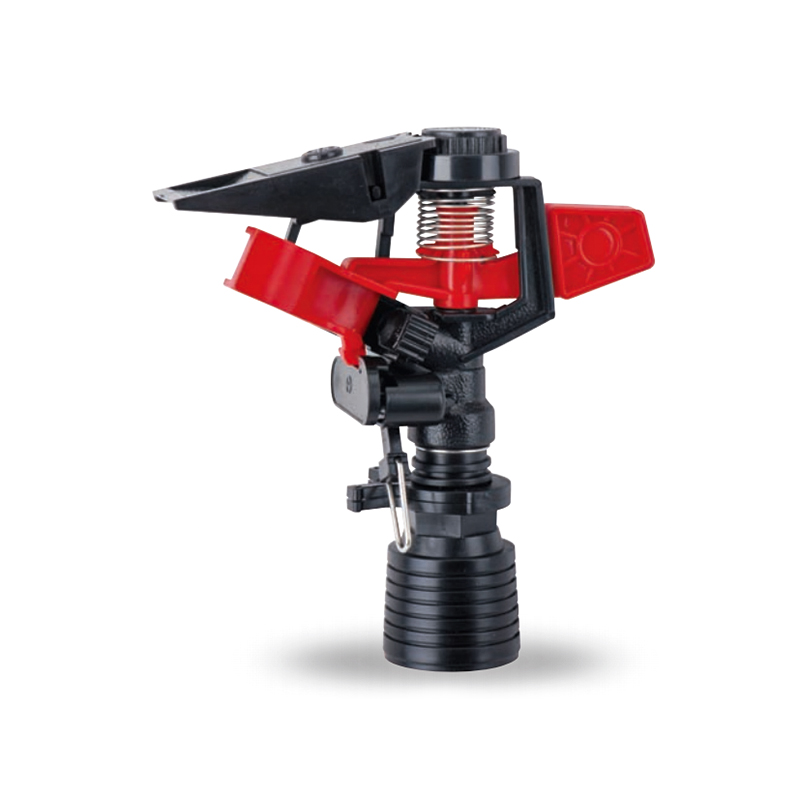
This 360 degree adjustable rocker arm nozzle impact sprinkler is an essential part of an irrigation system designed to meet a wide range of horticultural and agricultural needs. Its flexible adjustmen...
See Details -
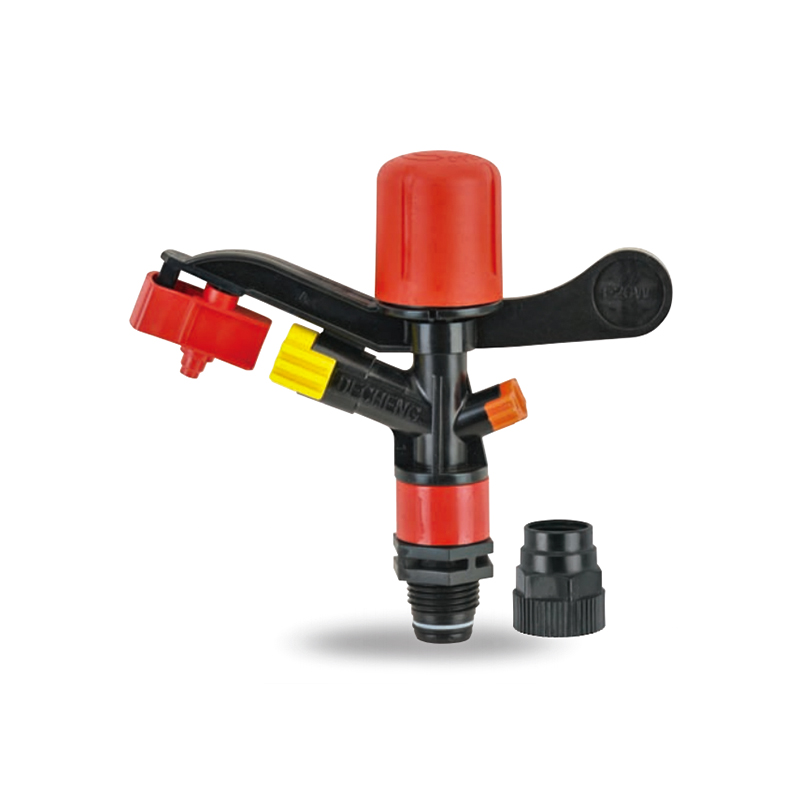
The Plastic Full-Circle Impact Sprinkler Sprayer is a highly efficient full-circle irrigation device designed to provide even moisture coverage. Its lightweight plastic material makes this sprinkler e...
See Details -
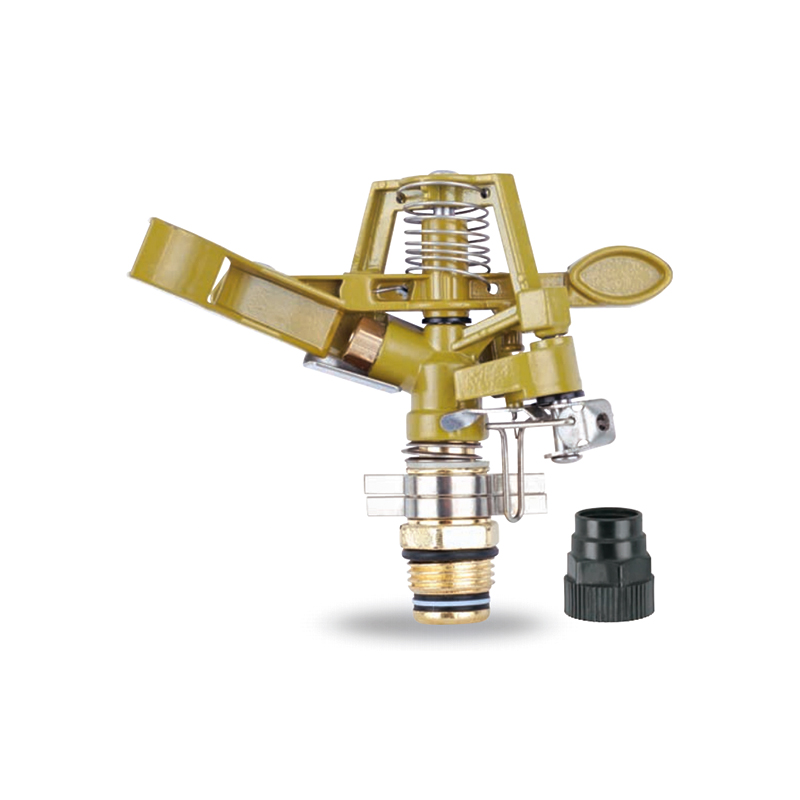
The Irrigation System Adjustable Head Mobile Rotary Zinc Sprinkler is an efficient rotary sprinkler designed for flexible irrigation needs. Its adjustable head allows the user to easily adjust the dir...
See Details -
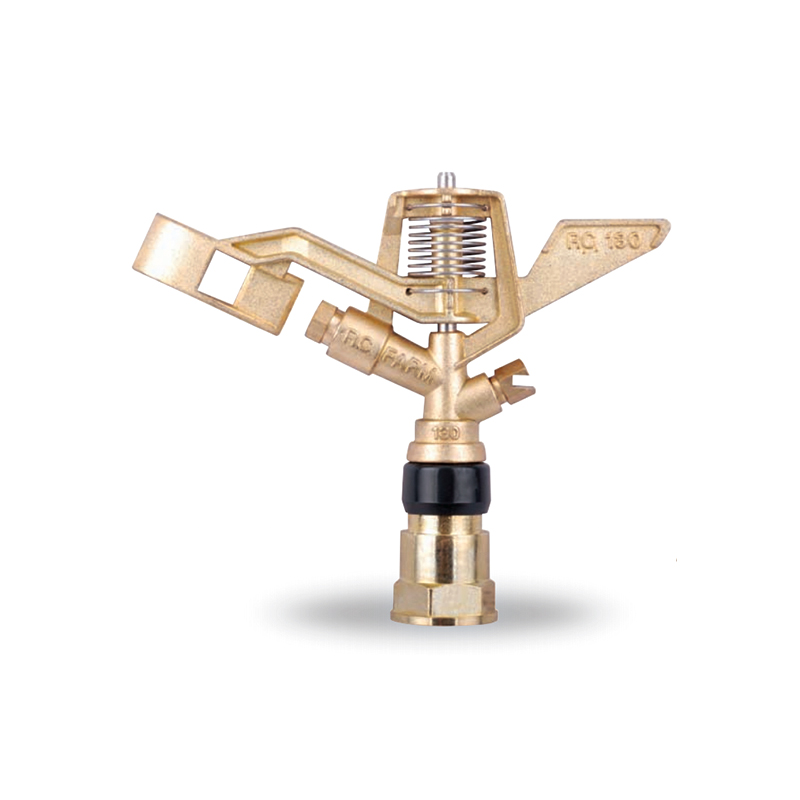
This 3/4” Zinc Alloy Swivel Arm Irrigation Watering System Impact Sprinkler is ideal for agricultural irrigation systems due to its superior durability and corrosion resistance. Its rugged constructio...
See Details -
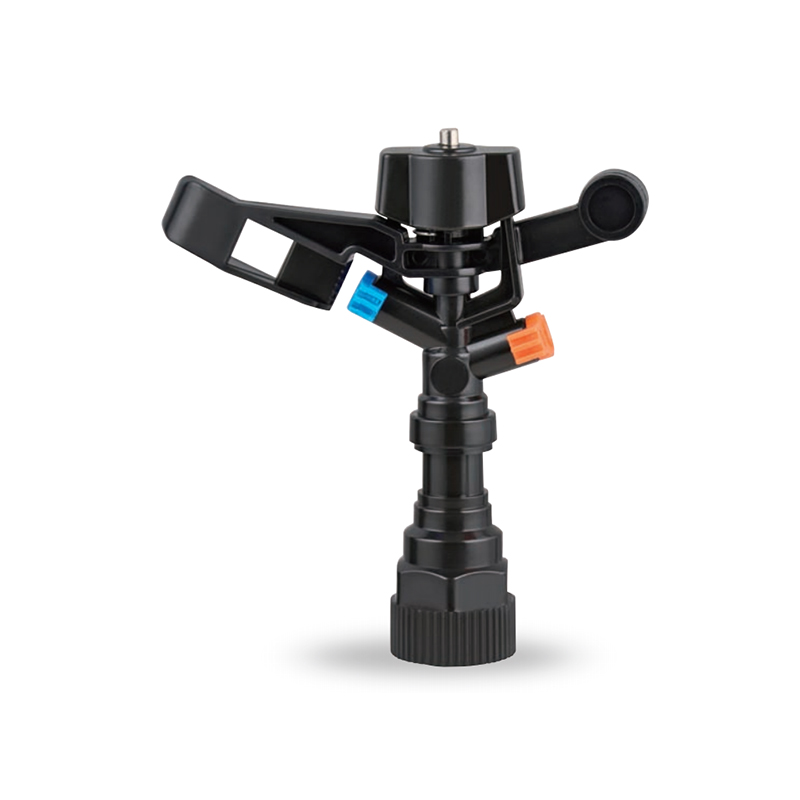
The Double nozzle garden farm impact full-circle sprinkler is well-designed to efficiently and evenly spray water, thus enhancing the quality of crop growth. Whether it's in the home garden or on a la...
See Details
Message Feedback
VALVES & PIPE FITTING SERIES Industry knowledge
How Does HDPE Compare to PVC in Manufacturing High-Performance Irrigation Plastic Valves?
In the competitive world of agricultural and industrial irrigation systems, the choice of materials for manufacturing critical components like plastic valves can make or break performance. Two polymers dominate the conversation: High-Density Polyethylene (HDPE) and Polyvinyl Chloride (PVC).
Material Properties: HDPE vs. PVC
1. Durability and Flexibility
HDPE excels in environments requiring impact resistance and flexibility. Its molecular structure allows it to withstand extreme temperatures (-50°C to 60°C) and physical stress without cracking, making it ideal for valves in dynamic or high-pressure irrigation systems. PVC, while rigid and strong, becomes brittle under prolonged UV exposure or sub-zero conditions, limiting its use in harsh climates.
2. Chemical and Corrosion Resistance
Both materials resist chemical corrosion, but HDPE outperforms PVC in handling acidic or alkaline fluids common in fertilizer-injection systems. PVC’s chlorine content offers inherent resistance to microbial growth, but it may degrade when exposed to certain hydrocarbons.
3. Installation and Maintenance
HDPE valves are lightweight and joined using heat fusion, creating leak-free, monolithic systems. PVC relies on solvent welding or threaded connections, which can weaken over time. For large-scale irrigation networks, HDPE’s fusion joints reduce long-term maintenance costs.
4. Environmental Impact
HDPE is 100% recyclable and requires less energy to produce than PVC, which releases toxic chlorine compounds during manufacturing. Sustainability-focused projects increasingly favor HDPE to meet green certifications.
Why Ningbo Dewo Irrigation Excels in Valve Manufacturing
Strategically located near Ningbo and Shanghai ports, Ningbo Dewo Irrigation Equipment Co., Ltd. combines two decades of R&D expertise with streamlined logistics to deliver precision-engineered irrigation valves. Their product range—including ball valves, diaphragm valves, and solenoid valves—utilizes both HDPE and PVC, tailored to client needs.
HDPE Valves: Designed for longevity in corrosive or high-stress environments, such as coastal farms or industrial zones.
PVC Valves: Cost-effective solutions for lightweight, low-pressure residential or greenhouse systems.
The company’s integrated approach—from prototyping to mass production—ensures rigorous quality control. Advanced molding technologies and ISO-certified processes guarantee dimensional accuracy and reliable performance, whether customers prioritize HDPE’s resilience or PVC’s affordability.
While PVC remains a budget-friendly option for simpler applications, HDPE is increasingly the material of choice for irrigation plastic valve demanding durability, chemical resistance, and sustainability. As global agriculture faces climate challenges and water scarcity, innovators like Ningbo Dewo Irrigation are pivotal in advancing systems that maximize efficiency and minimize waste.

PRODUCTS & SERVICES

CONTACT US
 No.518, Ruihao Road, Lizhou Street, Yuyao City, Zhejiang Province, China
 +86-13105554615 / +86-18005843886
 decheng@dcssq.com fredzhu@dcssq.com
 LISA
LISA
 Fred Zhu
Copyright © Ningbo Dewo Irrigation Equipment Co., Ltd. All Rights Reserved. China Irrigation Plastic Valve Suppliers Irrigation Plastic Valve Company
